How To Protect Your Lungs From Post-Diwali Air
Learn how to protect your lungs from post-Diwali air pollution with AQI checks, indoor air care, suitable masks and practical respiratory safety tips.
How To Protect Your Lungs From Post-Diwali Air
Air pollution levels in some areas could be higher post-Diwali, especially when smoke from firecrackers mixes with vehicle exhaust, dust and other pollution. Fine particulate matter such as PM2.5 can get deep into the lungs and may cause respiratory diseases to worsen. Different places have different levels of pollution and different lengths of time that it takes for it to clear, and weather conditions also play a role, so you still may need to watch the air quality days after the festival. It can irritate your eyes, nose, and throat and make you cough, wheeze, or have trouble breathing.
What Should Be Known About Post-Diwali Air Pollution?
Photo Credit: iStock
People with asthma, chronic lung or heart disease, children and older adults may be at greater risk from the effects of polluted air. It is wise to take sensible precautions when local air quality is poor, even for those without pre-existing health conditions. The body has its ways of clearing particles from the airways, but there is no quick fix from detoxes or home remedies that can undo the effects of pollution. The practical approach is to limit further exposure, keep indoor air as clean as possible and consult a doctor if concerning symptoms develop.
What Should Be Known About Post-Diwali Air Pollution?
1: Make Air Quality Checks Part Of The Daily Routine
Check local AQI readings before exercising outdoors, children's outdoor activities or longer journeys during periods of pollution. If readings are poor, postpone nonessential outdoor activity, choose less polluted routes when possible and spend less time near traffic or smoke.
2: Know When To See A Doctor
People with asthma, chronic obstructive pulmonary disease (COPD), heart disease or other relevant conditions should follow the advice of their clinician during pollution episodes. Keep prescribed medication readily available as directed and monitor symptoms closely. Additional protection may be needed for children, the elderly and those with existing health problems in times of poor air quality.
How To Safeguard Your Lungs Against Post-Diwali Air
Step 1: Check The AQI Before You Leave
Please check the latest local AQI via CPCB's air-quality services or any other reliable local monitoring source before planning walks, exercise or unnecessary trips. When readings are high, limit outdoor and strenuous activity, especially near busy roads or places where smoke is visible.
Step 2: Keep The Indoor Air As Clean As Possible
When the air quality outside is poor, close windows and doors wherever possible to limit the amount of polluted air coming into the house. Open them up for ventilation when outside conditions are better. Some air conditioners, depending on the system, have a recirculation setting that may reduce the amount of polluted outdoor air that comes inside.
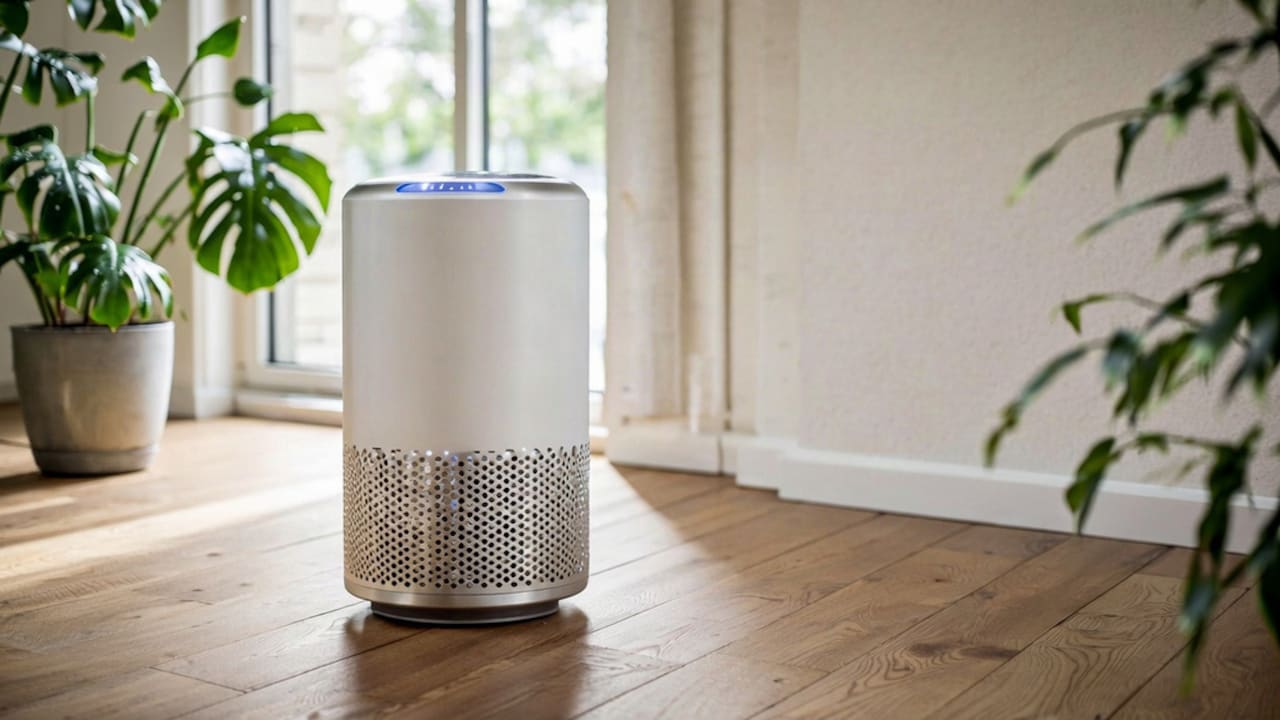
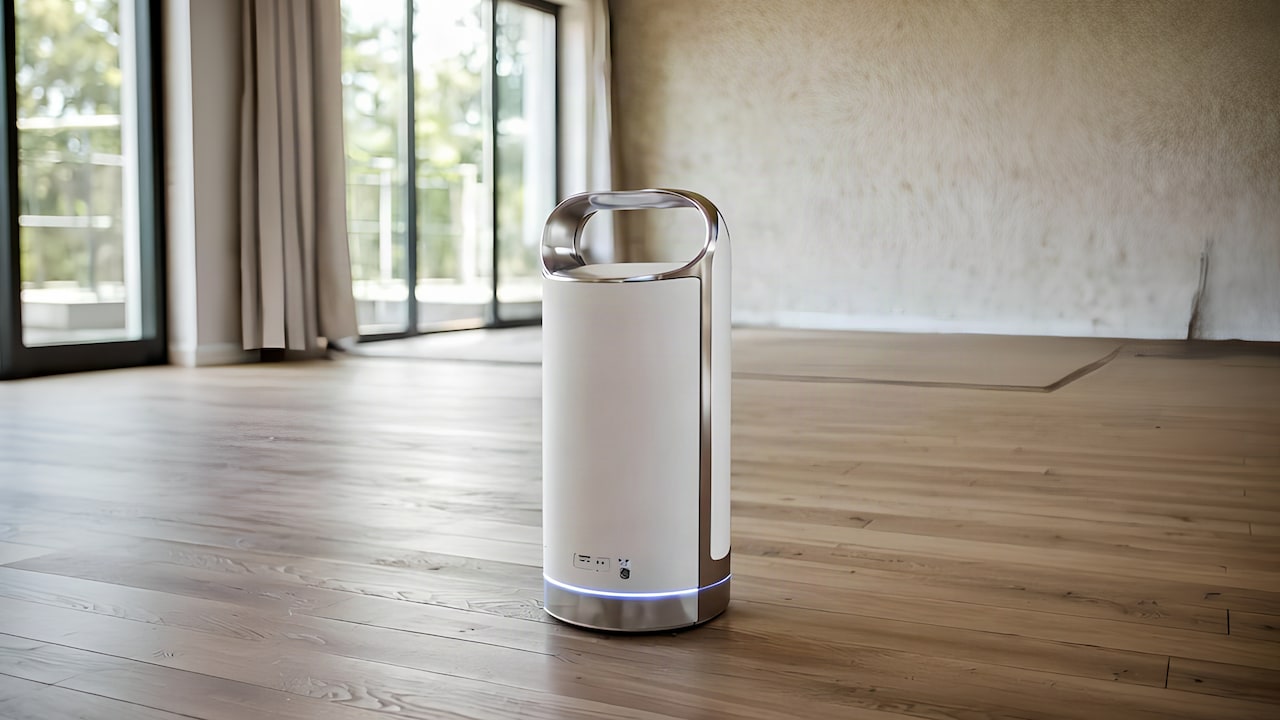
Step 3: Get A Proper HEPA Air Purifier
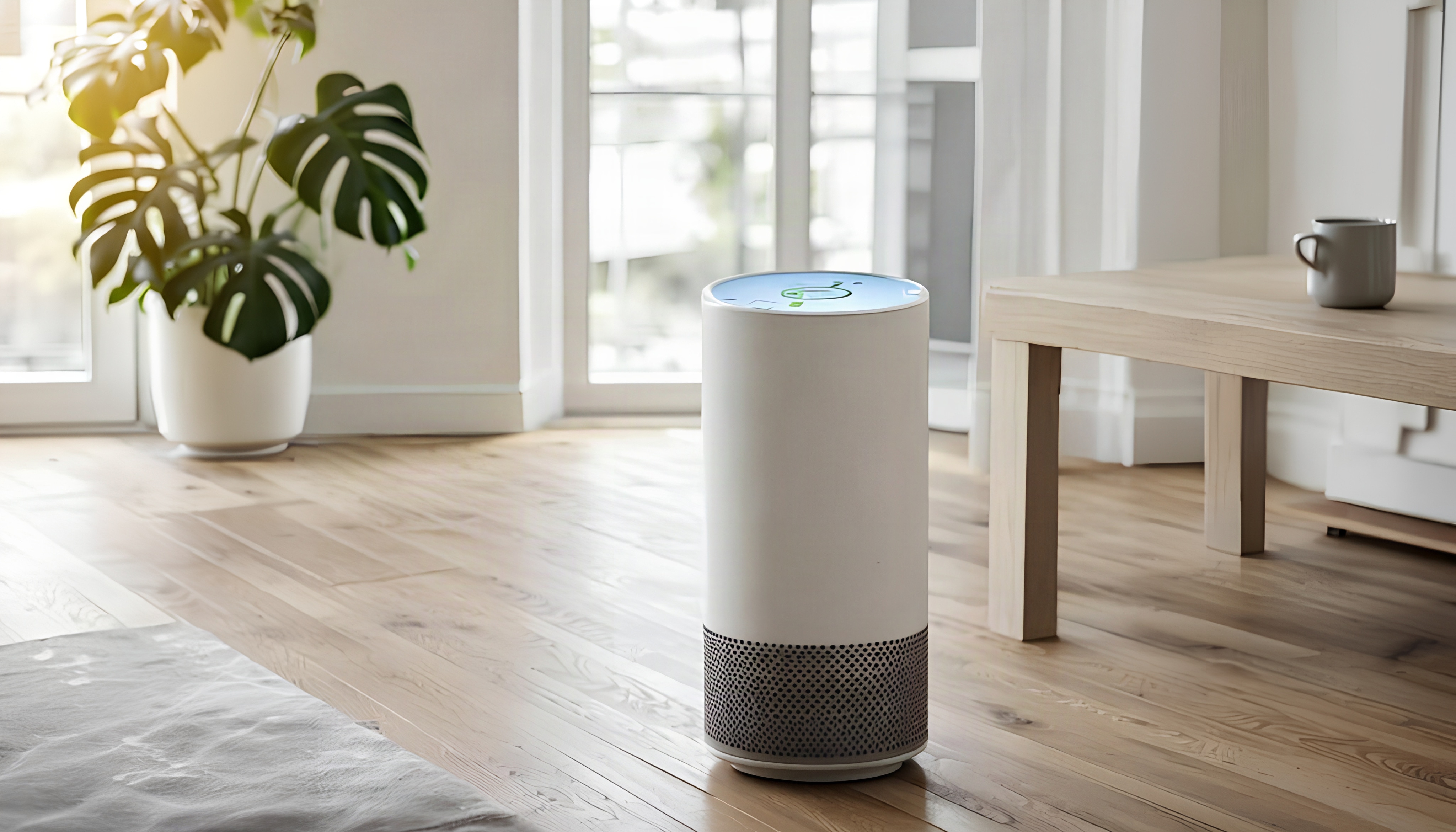
A portable air purifier of the correct size with a particle filter may help reduce indoor particulate pollution in rooms that are compatible with the air purifier. Before buying one, check the clean air delivery rate (CADR), room size recommendation, and the cost and availability of replacement filters. Maintain the filter as per the manufacturer's instructions.
Step 4: Develop A Routine That Is Good For Your Lungs
Drink if thirsty, get adequate rest and return to normal activity as conditions improve. If pollution levels outside are high, exercise indoors or wait until the air quality improves before doing strenuous exercise, and avoid smoking and secondhand smoke, which can further irritate the airways.
Also Read: Best 5 Star Rated Air Purifiers For Cigarette Smoke
What Are The Benefits Of Reducing Pollution Exposure?
Reducing exposure can help limit the amount of polluted air inhaled during periods of poor air quality; practical ways to do this include checking the AQI, shortening outdoor trips, avoiding heavy exercise outside, and improving indoor filtration. The level of benefit depends on the pollution present, the time spent in it, and how effectively you use the precautions. A cleaner indoor environment can also be useful for people who spend much of the day at home.
Appropriate filtration, careful ventilation and fewer indoor smoke sources can reduce some forms of particulate pollution. However, no single measure can eliminate all health risks, and an air purifier should not be treated as a cure for asthma or other respiratory conditions. The best long-term solution also requires cutting pollution at the source; refraining from bursting firecrackers, not burning waste in the open and encouraging cleaner transport and energy habits can help improve air quality beyond the festive season.
Which Post-Diwali Lung Protection Mistakes Should Be Avoided?
1: Relying On Cloth Masks Or Home Remedies Alone
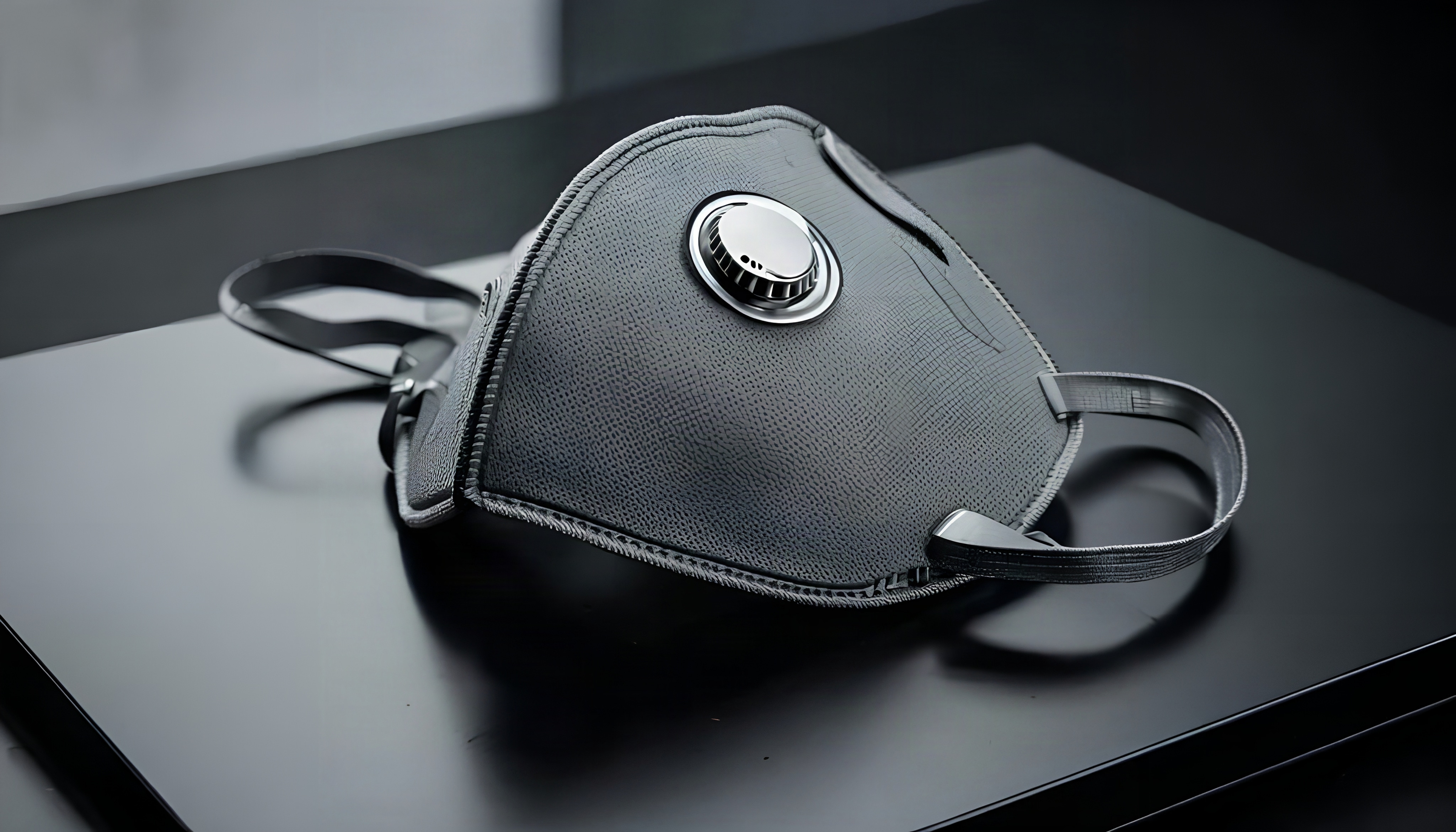
Cloth masks, handkerchiefs and scarves do not provide the same fine-particle protection as a properly fitted N95 or N99 respirator, and even a suitable respirator cannot remove every harmful gas or make heavily polluted air completely safe. The best approach is to combine suitable respiratory protection, when needed, with reduced exposure.
2: Ignoring Persistent Coughing Or Breathing Difficulty
A cough, wheezing, chest tightness or unusual shortness of breath should not automatically be dismissed as a normal effect of Diwali smoke, and reduce exposure and seek medical advice if symptoms persist or worsen, particularly for anyone with a known respiratory or cardiovascular condition.
Which Post-Diwali Lung Protection Mistakes Should Be Avoided?
Photo Credit: iStock
Products To Consider From
1. Wozoyo Store Pure Air PA4 2-in-1 Wozoyo Air Purifier + Fan
2. Honeywell Air Purifier for Home
3. Cuckoo Respure Air Purifier for Home, True HEPA 13
4. HIFRESH Dehumidifier for Room Moisture
5. Philips AC0950 Smart Wifi Air Purifier for Home
6. DREO Smart Air Purifier for Home
7. atovio Nova N99 Anti-Pollution Face Mask
8. DeWire Portable Air Quality Detector with 6-in-1 Monitoring
As the festive lights fade, taking care of your lungs becomes especially important after Diwali. Increased exposure to smoke, fine dust particles, and air pollutants can irritate the respiratory system and affect overall well-being. Staying hydrated, wearing a quality mask outdoors, improving indoor air quality with air purifiers or proper ventilation, and including antioxidant-rich foods in your diet can help support lung health. By adopting these simple yet effective habits, you can reduce the impact of post-Diwali pollution and breathe easier while enjoying the rest of the festive season in good health.
Frequently Asked Questions
1. How long does air pollution last after Diwali?
Air quality varies by location, weather, wind and other sources of pollution. Some places may see relatively quick improvements in air quality, while others may suffer poor air quality for longer. Rather than a certain number of days, use local AQI readings.
2. Does warm water help in cleaning lungs after Diwali?
Nope. Warm water can soothe a sore throat but won't wash away the particulate pollution you've inhaled into your lungs. The answer is to limit exposure and consult a doctor if symptoms persist.
3. Will N95 masks help against post-Diwali pollution?
If you have to be outside, wearing a close-fitting N95 or N99 respirator can reduce your exposure to fine particles. But it doesn't filter out all harmful gases, and it's not a substitute for other ways to reduce your exposure.
4. Is it better to refrain from going out after Diwali?
Check the local AQI before you exercise, and avoid strenuous outdoor activities, and if pollution levels are high, do your exercising indoors. People with respiratory or heart conditions should heed medical advice and local health guidance.
5. When to consult a doctor after exposure to polluted air?
If you have a cough that won't go away or gets worse, wheezing, chest tightness or trouble breathing, get medical advice. Get medical help right away if you have severe breathlessness or a lot of chest pain.
(Disclaimer: This article may include references to or features of products and services made available through affiliate marketing campaigns. NDTV Convergence Limited (“NDTV”) strives to maintain editorial independence while participating in such campaigns. NDTV does not assume responsibility for the performance or claims of any featured products or services.)