How To Use A Pulse Oximeter At Home And Read The Results
Want to track your oxygen levels accurately? Learn how to use a pulse oximeter at home, understand the readings & know exactly when to consult a doctor.
How to Use a Pulse Oximeter At Home and Read the Results
Pulse oximeters have become a regular fixture in Indian homes since the pandemic. Families bought them during health scares & many have kept them as an everyday monitoring tool. The problem is that most people never get a proper walkthrough. You clip it on, see a number, then spend several minutes unsure whether the reading is fine or something to act on. Getting reliable results comes down to two things: correct placement and understanding what the numbers mean.
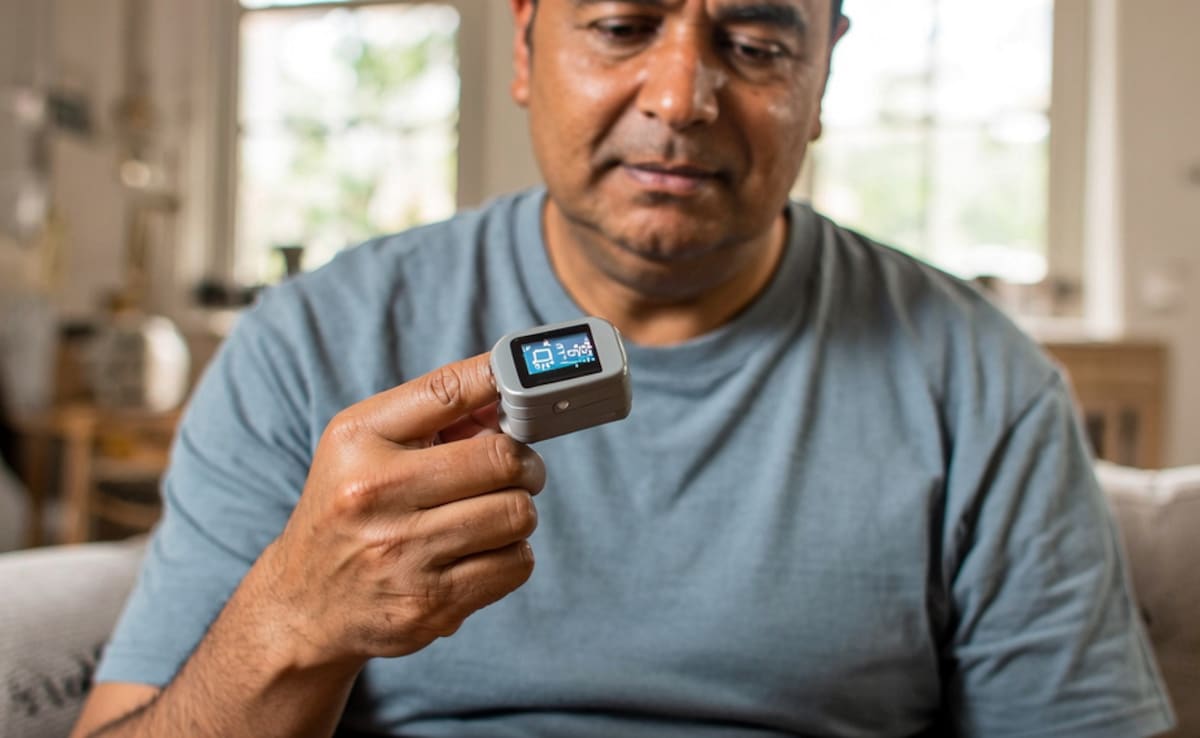
Understand your pulse oximeter readings and know exactly when you need to consult a doctor.
Photo Credit: iStock
Inaccurate readings are more common than most people expect. A little preparation before each reading can significantly change the outcome.
How To Prepare Your Body For An Accurate Reading?
A pulse oximeter works by shining infrared light through your fingertip to measure the amount of oxygen your red blood cells carry. Any interference with the infrared light will impact the accuracy of the reading.
Here are the steps:
Step 1: Rest Your Body
Sit down and stay still for at least five minutes before testing. Physical activity temporarily raises your heart rate and changes circulation. A reading taken right after walking around the room will not give a proper result.
Step 2: Warm Your Hands
Cold fingers restrict blood flow to your fingertips. And the device needs good circulation to pick up a clear result. Rub your hands for thirty seconds & briefly run them under warm water.
Step 3: Clear Your Nails
Heena or dark nail polish can block the infrared light that the device relies on. You should use a finger that has no product on the nail. You may switch to a different finger before testing.
How to Place the Device?
Here are the top steps to perform for beginners who do not know how to use a pulse oximeter. Follow these steps below:
Step 1: Select the Right Finger
Use the middle or index finger of your non-dominant hand. These tend to have a stronger pulse signal than the thumb or pinky finger, which are generally less reliable.
Step 2: Hold Your Hand Still
Rest your hand flat on a table or against your chest at roughly heart level. Letting it hang or holding it up changes the blood distribution. At the same time, it results in fluctuations. So, stay relaxed & avoid moving your fingers while the device reads.
Step 3: Clip & Wait for Stabilisation
Wait for 30 to 60 seconds before noting the number once the device is on. The reading fluctuates at first. Then, it settles. That settled number is the one worth recording.
How to Read Results?
Your device displays two numbers. Knowing what each one represents helps you respond with the right level of concern, not too much and not too little.
SpO2 is the percentage of haemoglobin in your blood that is carrying oxygen. A reading between 95% & 100% is normal for a healthy adult. Anything at 94% or below (particularly multiple readings taken over a day) is worth discussing with the doctor.
Pulse rate or PR, is your heart rate in beats per minute. For most adults, a resting rate between 60 and 100 bpm falls within the normal range. Make a note of the number and bring it up during your subsequent medical appointment if it is consistently outside of that range.
Also Read: Why Mattress Protectors Are Becoming Essential For Health-Conscious Homes
How to Monitor Your Readings And Call A Doctor At The Right Time?
A single reading rarely tells you much on its own. Monitoring your numbers over a few days helps you spot a trend, which is far more informative than one isolated result.
Step 1: Maintain It Daily
Take readings at consistent times each day, ideally in the morning, midday, and evening. Write down both the SpO₂ and pulse rate each time. A notebook or a basic notes app on your phone is all you need.
Step 2: Know the Warnings
Suppose your SpO₂ reads consistently from 90% to 94% across multiple sessions. Then you need to contact your doctor.
Step 3: Recognise Emergency Red Flags
A reading below 90% combined with breathlessness, chest tightness, or confusion requires immediate medical attention. Do not wait to see if it improves on its own. Get to a hospital or call emergency services without delay.
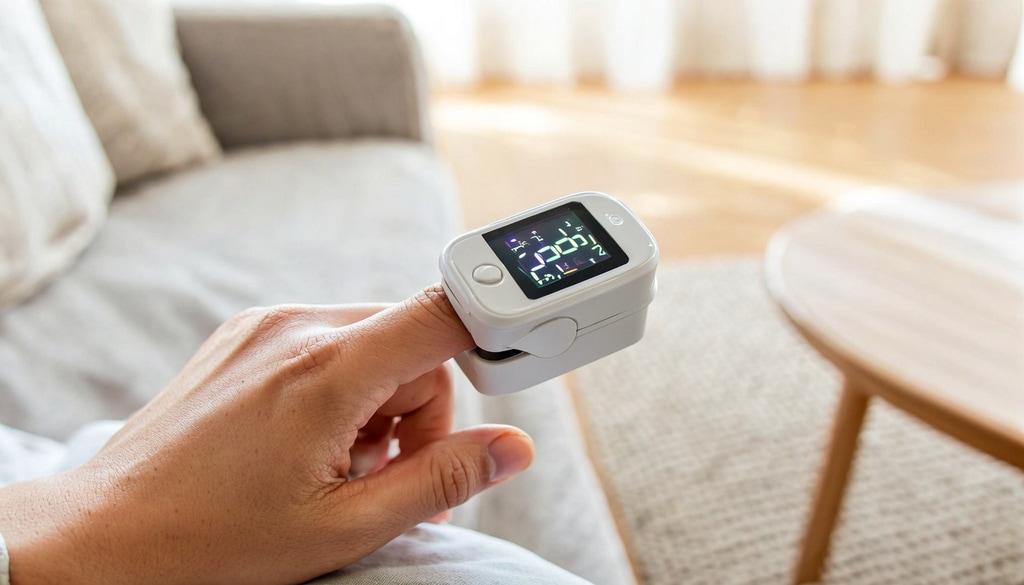
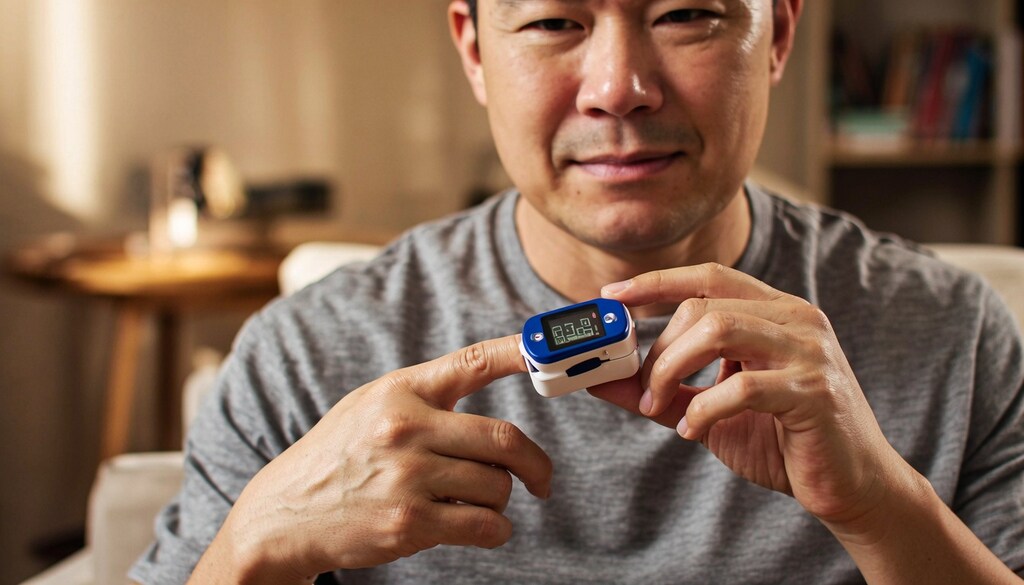
Track your oxygen levels properly at home and discover when to contact your healthcare provider.
Photo Credit: iStock
Movement or shivering during a reading results in higher numbers. Wait until you are completely still before trusting the result. A low battery leads to erratic screen behaviour. Keep your device charged or replace batteries regularly. Direct harsh sunlight can interfere with the internal infrared sensor. Always take readings indoors or in a shaded spot.
Top Pulse Oximeter Options to Consider
1. Beurer PO 30 Pulse Oximeter
2. Medtech OG05 – Fingertip Pulse Oximeter
3. BPL Medical Technologies Smart Oxy Finger Tip Pulse Oximeter
4. HealthIQ Pulse Oximeter
5.CONTEC CMS50Q1 Fingertip Pulse Oximeter
6. KIAAN Fingertip Pulse Oximeter
7. Curecheck premium oximeter (Classic Blue) Fingertip Pulse Oximeter
8. DR VAKU Swadesi Pulse Oximeter
Frequently Asked Questions (FAQs)
1. Which finger gives an accurate reading on the pulse oximeter?
The index or middle finger is generally the most reliable for an oximeter. These fingers have good blood flow and fit well inside most standard clips. The thumb and pinky tend to give less stable results.
2. Will results from a home pulse oximeter be accurate?
Home devices are for monitoring. Factors such as skin tone or circulation quality can influence the result.
3. What should I do if my reading drops below 92%?
Rest properly & warm your hands before checking them again. You must seek medical help in case the reading is below 92% or if you experience discomfort. Never assume it is a device error when the number stays consistently low.
4. Does talking or walking change my readings?
Talking shifts your breathing patterns & causes small muscle movements. Walking raises your heart rate. Always take readings while seated and still for a reliable baseline number.
5. Will nail polish or mehndi impact oximeter results?
Dark nail polish or henna can block the infrared light the device uses to measure oxygen levels. You need to use a finger with no product on the nail. Alternatively, try placing the clip sideways on your fingertips & not directly over the nail bed.
(Disclaimer: This article may include references to or features of products and services made available through affiliate marketing campaigns. NDTV Convergence Limited (“NDTV”) strives to maintain editorial independence while participating in such campaigns. NDTV does not assume responsibility for the performance or claims of any featured products or services.)