How To Pick Smarter Treadmills For Compact Flats
Choosing the right treadmill for a compact flat means balancing space, performance, and budget. Discover smart, space-saving features that fit modern homes while keeping fitness goals on track.
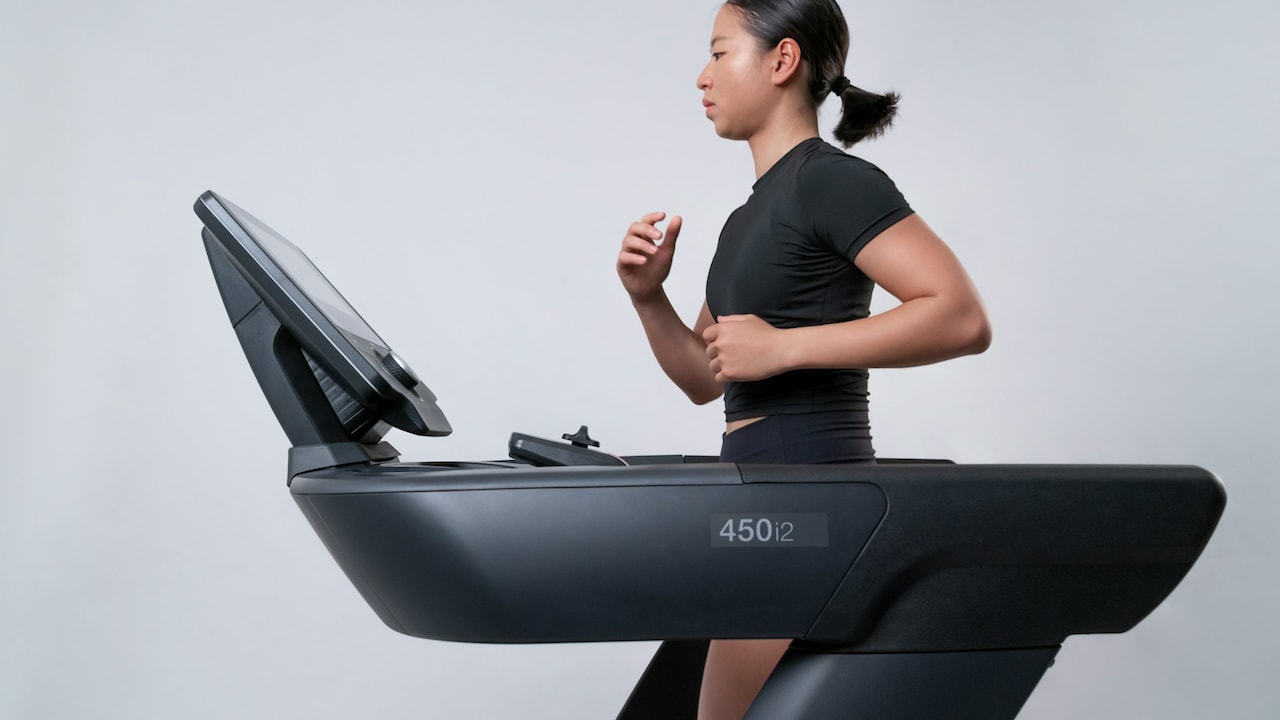
10 important things to consider when buying a treadmill
Urban living often means making peace with limited square footage. Every chair, shelf, and appliance must earn its place. Fitness equipment, especially treadmills, can seem like an impossible luxury when flats already juggle dining tables doubling as work desks and balconies moonlighting as laundry zones. Still, the desire for convenient home workouts continues to grow. Early morning walks before traffic chaos, evening jogs during monsoon downpours, or quick calorie burns between meetings have made treadmills increasingly appealing. The challenge lies in choosing one that suits compact homes without overwhelming them.
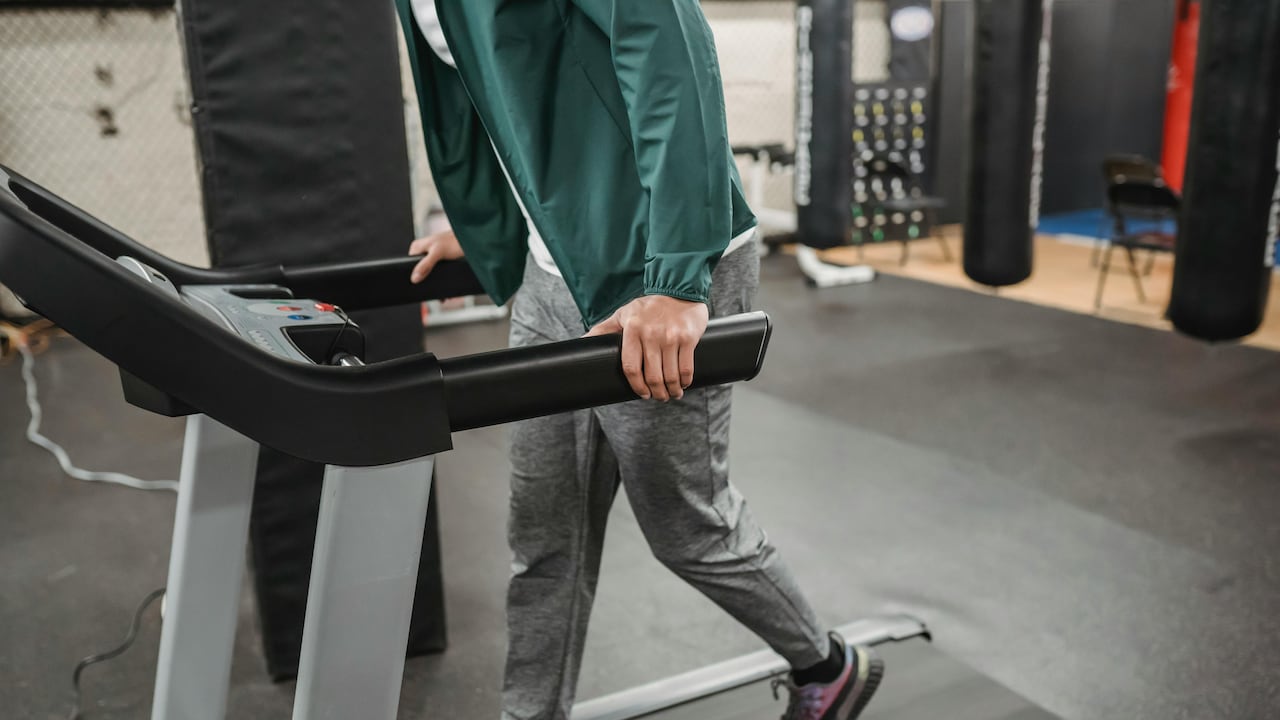
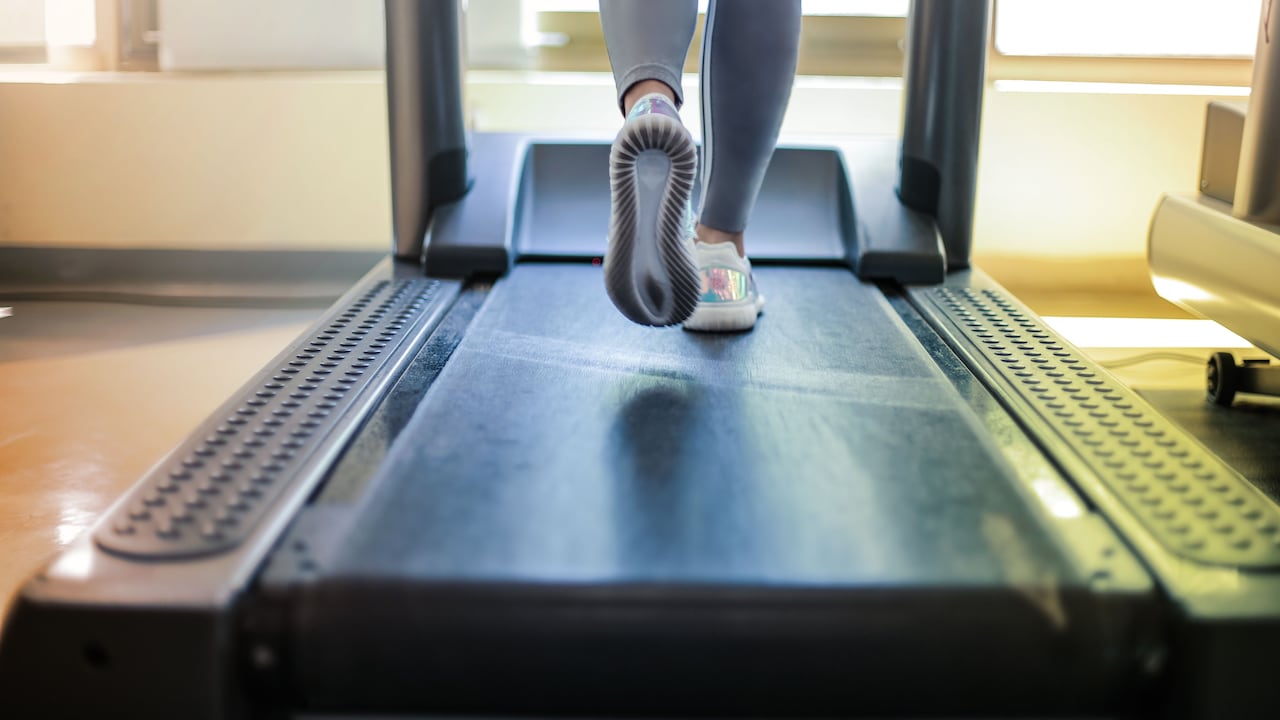
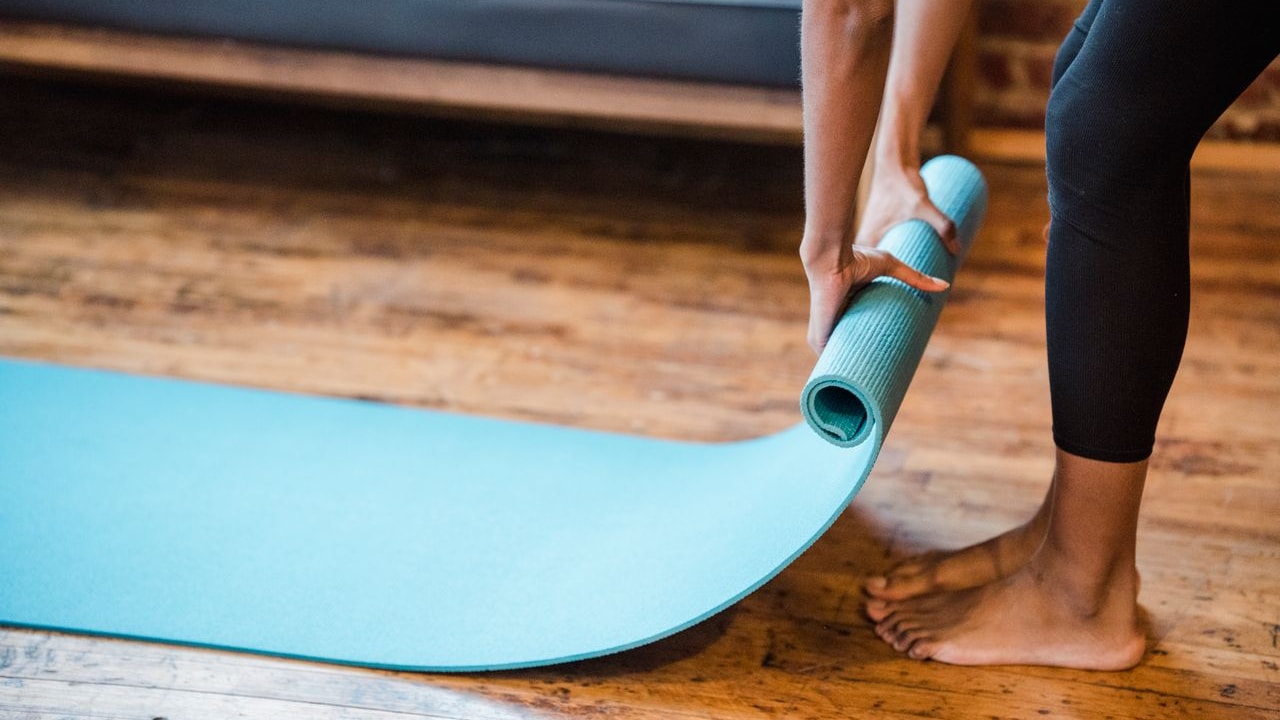
Tips to find a space-saving treadmill for at-home workouts; Photo Credit: Pexels
A smart treadmill purchase balances size, functionality, energy efficiency, and long-term value. It should feel less like a hulking machine and more like a thoughtful lifestyle addition. With online sales shouting promises louder than a vegetable vendor on Sunday morning, buyers need clarity rather than confusion.
This article breaks down ten essential factors to help transform treadmill shopping into a sensible, rewarding decision.
Also Read: Bestselling Treadmills for Home Use: Top Picks for Walking, Jogging and Running
Smart Ways To Choose The Right Treadmill For Small-Space Living
Measure Space Like Every Inch Counts
Before browsing endless treadmill models, the tape measure deserves centre stage. Compact flats demand precision. Available floor space matters not just when the treadmill is in use, but also when folded or stored.
Many buyers make the classic mistake of spotting a sleek machine online, ordering it during a festive sale, and then realising it blocks half the wardrobe. A treadmill should fit comfortably without turning daily movement into an indoor maze.
Check room dimensions carefully, including ceiling height if incline workouts are planned. Consider surrounding clearance for safety and ventilation. Bedrooms, balconies, or spare corners may seem suitable initially, but practical usability matters more.
Foldable treadmills often save considerable room, yet folded dimensions vary significantly. Some fold vertically while others flatten horizontally. Understanding these distinctions can prevent frustrating surprises.
In compact homes, every square foot carries value. Selecting a treadmill without spatial planning risks expensive regret. Smart buyers know thoughtful measuring can save both money and precious living comfort.
Prioritise Foldability Without Sacrificing Stability
Foldable treadmills sound perfect for smaller homes, but not all folding designs offer equal performance. Convenience matters, but stability should never take a back seat.
A flimsy treadmill that wobbles during brisk walking can feel more nerve-racking than navigating potholes during monsoon season. Solid construction ensures safer workouts and longer machine life.
Look for hydraulic or soft-drop folding systems, which make opening and closing smoother and safer. Wheels also help with mobility, allowing easier repositioning without requiring the strength of a weightlifter.
Frame quality plays a major role. Steel frames generally offer better durability than lightweight plastic-heavy alternatives. Weight capacity also reveals structural strength.
While ultra-compact models may tempt budget-conscious buyers, sacrificing sturdiness often leads to disappointment. Investing slightly more upfront for reliable engineering can prevent costly repairs later.
A treadmill should blend convenience with confidence. The best foldable options disappear neatly when not in use but remain reassuringly solid when fitness takes priority.
Choose Motor Power That Matches Realistic Fitness Goals
Motor power can sound technical, but it directly impacts treadmill performance. In compact flats, buyers often gravitate towards smaller machines, yet underpowered motors can quickly become frustrating.
For regular walking, a motor between 2.0 to 2.5 CHP generally works well. Runners or households with multiple users may benefit from stronger motors around 3.0 CHP or higher.
Weak motors may overheat, struggle with consistent speed, and wear out faster. Nobody wants a treadmill gasping harder than its user during cardio sessions.
Energy efficiency also matters, especially with rising electricity bills. A reliable motor should deliver smooth operation without excessive power consumption.
Brands often highlight peak horsepower, but continuous horsepower provides a more realistic indicator of sustained performance. Understanding this difference prevents marketing gimmicks from influencing major purchases.
Smarter treadmill shopping means selecting motor strength based on genuine fitness routines rather than exaggerated aspirations inspired by New Year resolutions.
Keep Noise Levels Flat-Friendly
Noise can become a serious concern in apartment living. A loud treadmill may irritate neighbours, disrupt family members, or make late-night runs feel socially dangerous.
Compact flats often feature thinner walls and shared floors, amplifying vibration and sound. Choosing a quieter treadmill protects domestic harmony.
Look for models with noise-reduction technology, cushioned decks, and sturdy construction. Rubber mats placed underneath can further minimise vibrations.
DC motors usually operate more quietly than AC motors, making them better suited for residential settings. Customer reviews often provide valuable real-world insights into noise levels.
Running should not sound like furniture rearrangement at midnight. Smart treadmill choices respect both personal fitness and neighbourly peace.
Silence may not be golden during workouts, but lower decibels certainly improve the home exercise experience. A quieter machine supports consistency without awkward society complaints.
Focus On Essential Features Over Flashy Extras
Modern treadmills often arrive loaded with dazzling touchscreens, virtual trails, and entertainment options that can inflate prices dramatically. While these features look impressive, practicality matters more in compact homes.
A treadmill should primarily deliver reliable workouts. Essential features include speed controls, incline settings, safety keys, heart rate monitoring, and easy-to-read displays.
Fancy additions like oversized screens may consume more space and increase maintenance concerns. Sometimes, a simple tablet holder paired with personal streaming subscriptions proves far more practical.
Smart spending avoids paying ₹20,000 extra for gimmicks rarely used after the initial excitement fades.
User-friendly controls also matter. Complicated systems can discourage regular exercise rather than inspire it.
Selecting features based on lifestyle needs rather than showroom glamour ensures better long-term satisfaction. Smarter treadmills focus on functionality first, bells and whistles second.
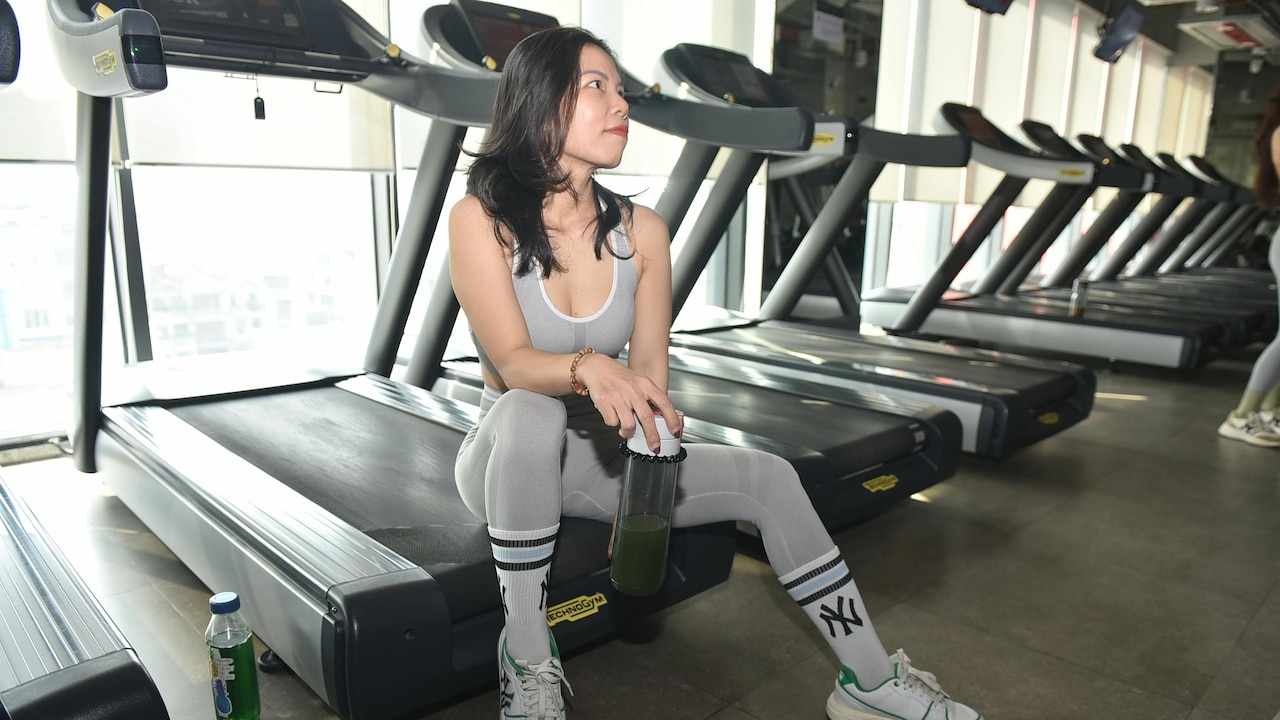
Look for features that make the treadmill easy to use instead of complicating things; Photo Credit: Pexels
Cushioning Can Save More Than Knees
In smaller flats, treadmill cushioning often gets overlooked, yet it significantly impacts both comfort and practicality.
Good cushioning reduces joint strain, making workouts gentler on knees and ankles. This matters particularly for older users, beginners, or anyone balancing fitness with desk-heavy routines.
Beyond physical comfort, quality shock absorption also minimises floor impact and noise transmission. In apartment settings, this dual benefit proves invaluable.
Running on poor cushioning can feel jarring and increase injury risk over time. It may also annoy downstairs neighbours, who probably did not sign up for involuntary cardio soundtracks.
Look for treadmills with multi-layered belts or advanced shock absorption systems. Testing comfort where possible remains worthwhile.
Smart treadmill buyers recognise that cushioning is not a luxury. It is an investment in sustainable exercise habits, household peace, and physical wellbeing.
Budget Smartly Beyond The Price Tag
A treadmill's sticker price tells only part of the story. Long-term ownership costs deserve equal attention.
Installation charges, maintenance, servicing, electricity use, and warranty terms all influence true affordability. A budget treadmill may initially save ₹10,000 but cost far more through frequent repairs.
Extended warranties can offer valuable protection, especially for motors and frames. Local service availability also matters greatly.
Seasonal sales often provide substantial discounts, but impulse buying during festive promotions can backfire without proper research.
Balancing affordability with durability creates smarter financial outcomes. A treadmill should feel like a sensible investment rather than an EMI burden.
Fitness should enhance quality of life, not trigger buyer's remorse every month. Thoughtful budgeting keeps health goals aligned with practical living.
Safety Features Are Non-Negotiable
Compact spaces can increase accident risks if treadmills lack proper safety features. In homes with children, elderly family members, or pets, this becomes especially important.
Emergency stop keys, side rails, anti-slip belts, and secure locking mechanisms should never be optional considerations.
Foldable treadmills require particular caution. Poor locking systems can pose serious hazards during storage or unfolding.
Smart buyers assess safety with the same seriousness as performance. No discount justifies compromising household wellbeing.
A treadmill should encourage confidence, not anxiety. Safety features transform home workouts into secure daily routines.
Peace of mind matters. Reliable protection ensures that fitness remains energising rather than risky.
Consider Connectivity For Motivation
While flashy extras may not always matter, certain smart connectivity features can genuinely enhance consistency.
App integration, fitness tracking, Bluetooth compatibility, and goal-setting programmes often help maintain motivation. For many users, progress metrics create accountability.
Compact living can sometimes feel repetitive, so virtual classes or scenic running routes may add welcome variety without requiring larger machines.
Still, balance remains essential. Technology should support workouts rather than complicate them.
Choosing meaningful connectivity can transform treadmill sessions from mundane obligation into engaging habit.
Fitness journeys thrive on momentum, and thoughtful digital tools can provide exactly that.
Match Design With Home Aesthetics
In smaller flats, treadmills rarely hide completely. Their appearance matters more than many buyers initially realise.
Bulky, unattractive equipment can dominate interiors and create visual clutter. Sleeker, minimalist designs integrate more naturally into modern living spaces.
Neutral colours, compact consoles, and elegant frames can make treadmills feel less intrusive. Some newer models even prioritise furniture-friendly styling.
A treadmill should complement home life rather than disrupt it entirely.
Practicality and aesthetics can coexist beautifully. Choosing a visually appealing machine increases the likelihood of long-term acceptance within shared spaces.
After all, a treadmill visible daily should not feel like an industrial invasion in the middle of the lounge.
Products Related To This Article
1. PowerMax Fitness TDM-96B 4HP DC Treadmill for Home
2. FITKIT by Cult FT98Carbon-AM BLDC Motorized Treadmill
3. Sparnod STH-3004N 2 in 1 Walking Pad Treadmill for Home Use
4. Durafit91 Vigor Pro 6 HP Peak BLDC Motorized Hydraulic Foldable Treadmill
5. Lifelong FitPro LLTM09AD (4HP Peak) Motorized Treadmill for Home Use
6. Durafit91 Vigor Multifunction 6 HP Peak BLDC Motorized
7. PowerMax Fitness TD-A1 6HP Motorised Foldable Treadmill for Home User Wt. 120kg 15 Lvl Auto-Incline Running Machine for pro-workout
Choosing a treadmill for a compact flat requires more than chasing discounts or impressive digital features. It demands thoughtful planning, realistic expectations, and careful attention to daily living needs.
From accurate measurements and foldability to quiet operation, safety, cushioning, and smart budgeting, every factor contributes to a purchase that supports healthier living without overwhelming precious space.
The ideal treadmill blends seamlessly into home routines, offering convenience, motivation, and practicality. In modern flats where every inch counts, smarter choices lead to better fitness outcomes and happier homes. A well-chosen treadmill does not merely occupy space. It earns it.
(Disclaimer: This article may include references to or features of products and services made available through affiliate marketing campaigns. NDTV Convergence Limited (“NDTV”) strives to maintain editorial independence while participating in such campaigns. NDTV does not assume responsibility for the performance or claims of any featured products or services.)