How To Use Your Humidifier Properly So They Do Not Turn Into A Mould Machine
Keep your humidifier clean, balanced and well-maintained to prevent mould, bacteria, and unhealthy air, ensuring it stays a source of comfort rather than becoming a hidden health hazard.
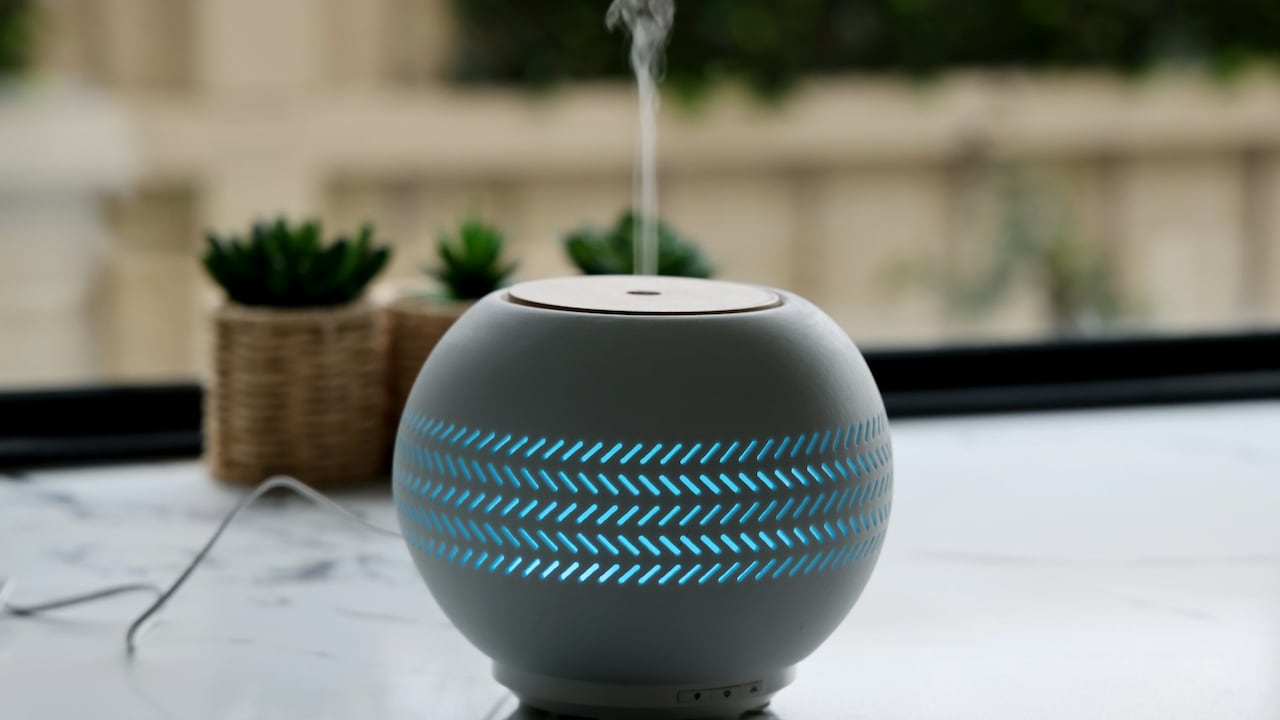
Effective ways to maintain your humidifier for long-lasting durability
Humidifiers often seem like simple heroes of home comfort. They ease dry throats, calm irritated sinuses, and even help wooden furniture survive punishing weather shifts. During seasons when indoor air feels painfully dry, many households welcome them with open arms. However, beneath that comforting mist lies a truth many people overlook: poor humidifier maintenance can create more trouble than relief. A neglected humidifier can release mould spores, bacteria, and stale water particles into the air. Instead of helping the family breathe easier, it may trigger allergies, respiratory issues, and unpleasant odours. It is rather like brewing chai in the same pot for weeks without washing it, eventually, things go terribly wrong.
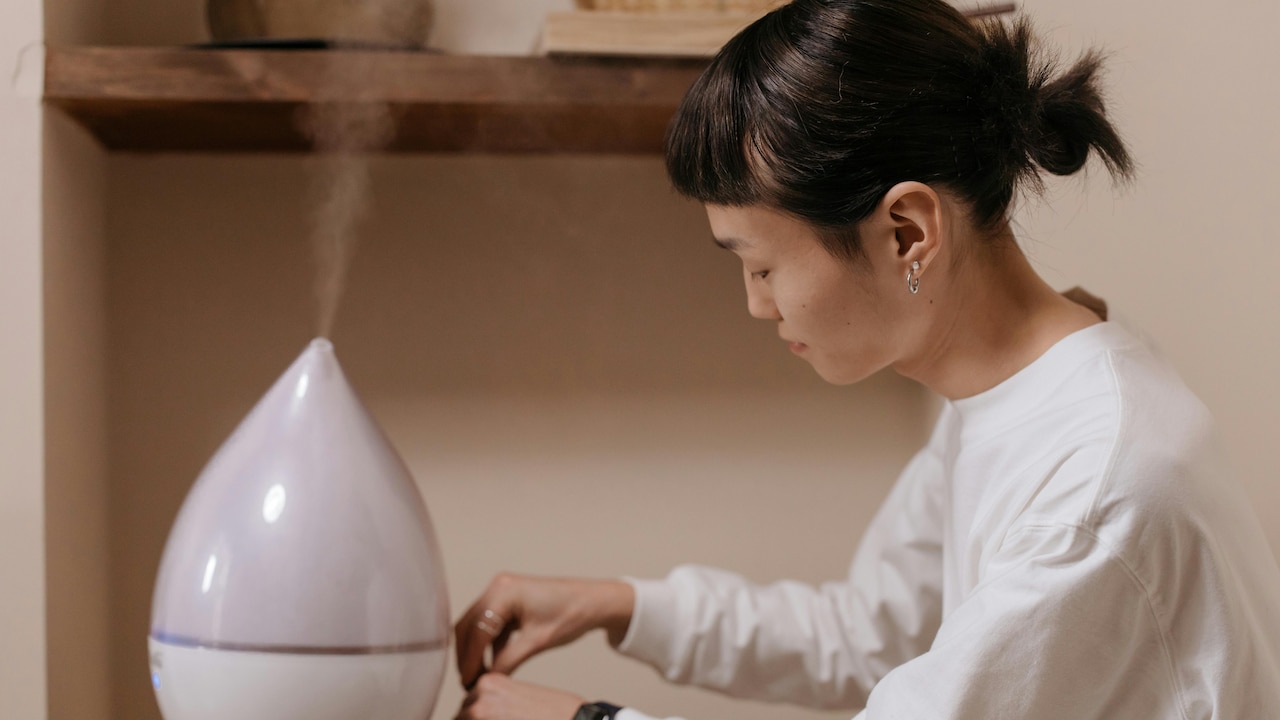
Keep your humidifier in its best shape with these easy maintenance tips; Photo Credit: Pexels
Using a humidifier properly does not require complicated routines or expensive products. It simply demands consistency, awareness, and a little common sense. Understanding humidity levels, cleaning schedules, and water quality can make all the difference. When treated well, a humidifier can remain a trusted companion for comfort rather than becoming an invisible nuisance spreading damp misery through the home.
Also Read: Air Purifier Vs Air Humidifier: Which One Does Your Home Really Need?
Practical Ways To Keep Your Humidifier Safe, Clean And Mould-Free
Clean The Tank Daily To Stop Germ Build-Up
The humidifier tank may look harmless, but standing water creates the perfect environment for bacteria and mould. Emptying and rinsing the tank every day prevents microorganisms from multiplying. Even if the water appears clean, invisible contaminants can quickly settle and thrive.
Fresh water should replace old water daily. Leaving water to stagnate for several days is practically an open invitation for unwanted growth. A quick rinse with warm water and gentle scrubbing can make a substantial difference. Some households delay this step, assuming weekly cleaning is enough, but daily attention offers far better protection.
Think of it like maintaining a water bottle during peak summer. Nobody would willingly drink from one left untouched for days. The same principle applies here. Daily care ensures the mist remains clean, breathable, and beneficial. It also keeps unpleasant odours away, preserving that refreshing indoor atmosphere everyone expects from a humidifier.
Use Distilled Or Purified Water Whenever Possible
Tap water often contains minerals that may not seem dangerous at first glance. However, these minerals can settle inside the humidifier, creating scale deposits and encouraging bacterial growth. Worse still, mineral particles can disperse into the air as white dust.
Using distilled or purified water significantly reduces these risks. While it may cost slightly more, often around ₹30 to ₹50 per litre depending on location, the long-term benefits outweigh the expense. Cleaner water means fewer deposits, less cleaning, and healthier air quality.
For families already investing in air purifiers or wellness gadgets, using better water in a humidifier feels like a sensible extension of that care. It also prolongs the life of the appliance. Cleaner water supports cleaner mist, and cleaner mist supports healthier living. Small adjustments often produce surprisingly meaningful results.
Deep Clean Weekly With Vinegar Or Manufacturer-Approved Solutions
Daily rinsing helps, but weekly deep cleaning tackles stubborn residue and hidden bacteria. White vinegar works exceptionally well for dissolving mineral build-up and sanitising surfaces naturally. Manufacturer-approved cleaning products can also provide effective results.
A thorough clean involves disassembling removable parts, soaking them where necessary, and gently scrubbing crevices. Mould often develops in overlooked corners, valves, or nozzles. Skipping these areas can compromise the entire machine.
Regular deep cleaning keeps performance efficient while protecting indoor air quality. It may feel tedious, but compared to medical bills or replacing a ruined humidifier, it is a far wiser investment. Consider it similar to servicing an air conditioner before summer arrives. Preventive care saves money, stress, and discomfort.
Monitor Indoor Humidity Levels Carefully
Too much humidity can be just as problematic as too little. Excess moisture encourages mould growth on walls, curtains, and furniture. Ideally, indoor humidity should stay between 30 and 50 per cent.
A hygrometer offers an affordable solution, often available for around ₹500 to ₹1,500. This small device helps monitor moisture levels accurately, preventing overuse of the humidifier. Without it, many households simply guess, often creating overly damp conditions.
Walking into a room that feels sticky or smells musty is a clear warning sign. Balanced humidity should feel comfortable, not tropical. Managing these levels carefully ensures the humidifier supports wellness rather than creating an indoor monsoon.
Position Your Humidifier In The Right Spot
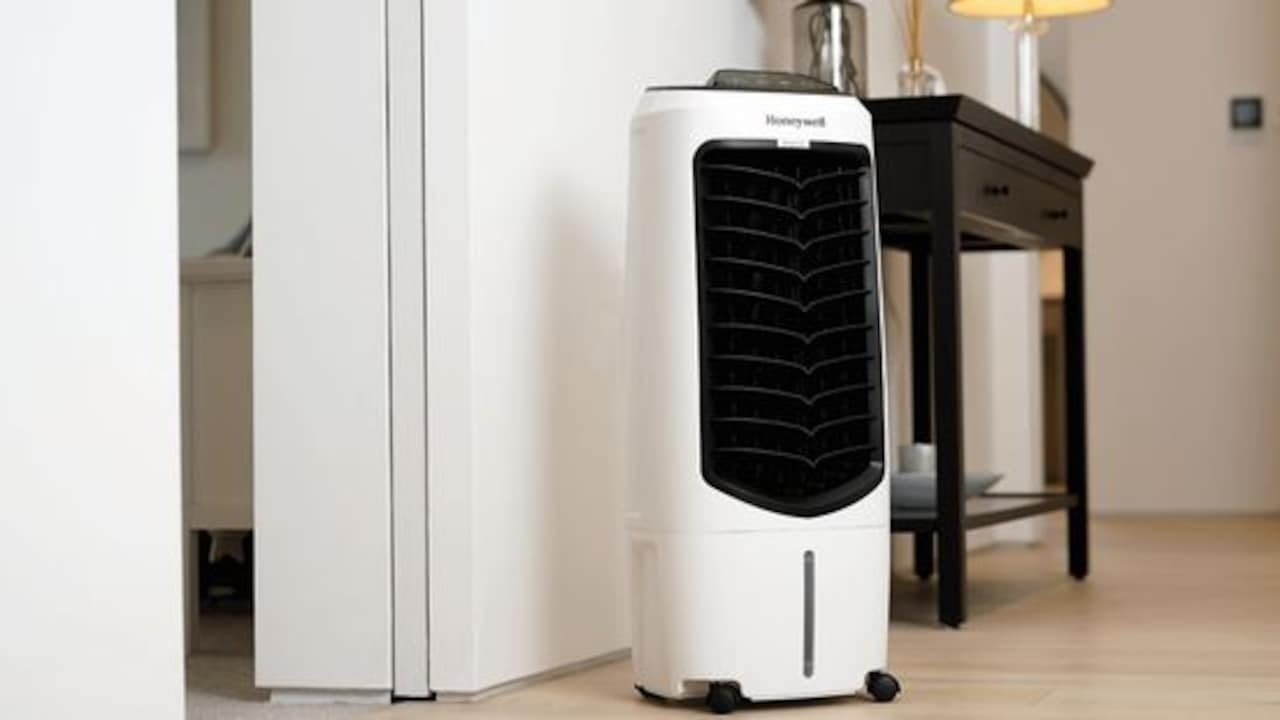
Placement plays a surprisingly important role in safe humidifier use. Setting it too close to walls, curtains, or wooden furniture can lead to damp patches and mould formation. Mist needs space to disperse evenly.
Elevated, flat surfaces often work best. Keeping the appliance several feet away from beds or seating areas also prevents direct overexposure to mist. Good airflow supports better distribution and reduces moisture accumulation.
A poorly placed humidifier can quietly damage surrounding materials over time. Water stains and mildew can become expensive problems. Strategic positioning protects both health and household interiors while maximising the appliance's effectiveness.
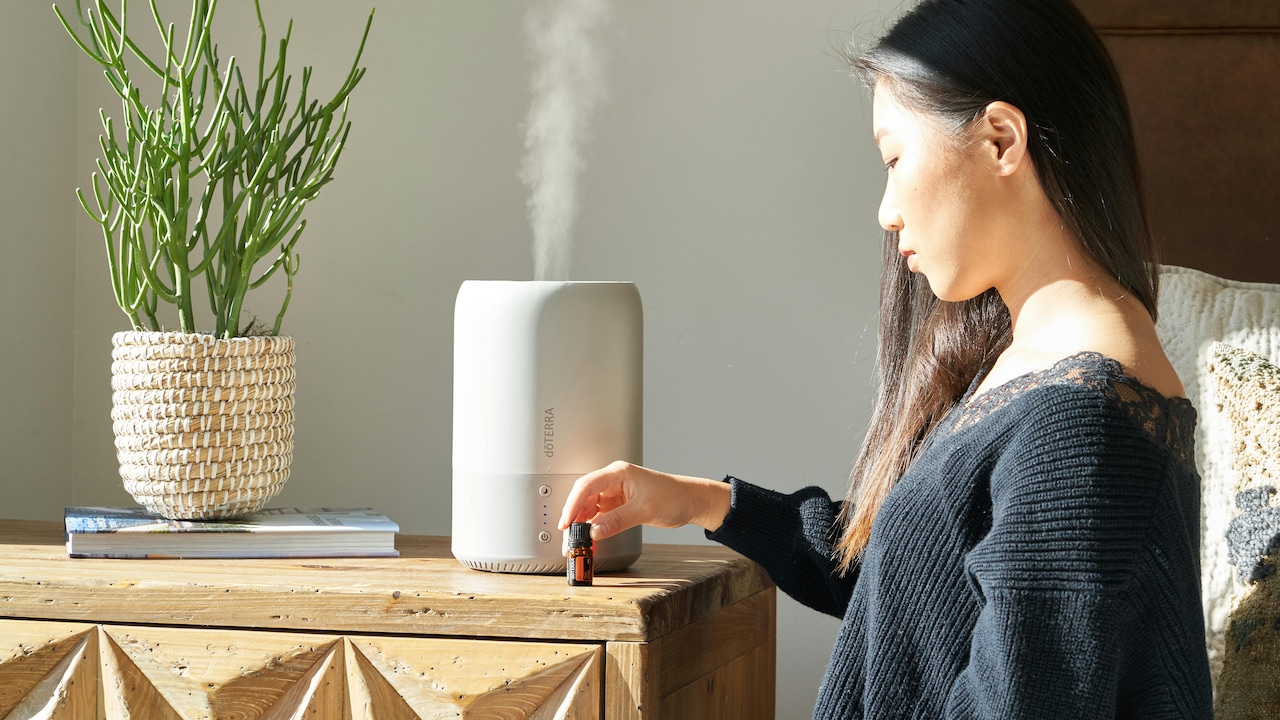
Avoid placing the humidifier it too close to walls, curtains, or wooden furniture; Photo Credit: Pexels
Replace Filters And Parts On Schedule
Many humidifiers rely on filters to trap impurities, but these filters do not last forever. Dirty or worn filters can harbour bacteria and reduce performance significantly. Following manufacturer guidelines for replacements is essential.
Ignoring filter maintenance often results in inefficient operation and contaminated mist. Replacement schedules vary, but checking monthly is usually a wise habit. Though replacement parts may cost anywhere from ₹500 upwards, this expense protects the larger investment.
A fresh filter keeps the machine functioning smoothly and air cleaner. Much like changing kitchen water purifiers or vacuum bags, this routine maintenance delivers healthier results with minimal effort.
Avoid Running The Humidifier Continuously
Constant operation may seem beneficial during dry weather, but overuse can oversaturate the air. Running a humidifier only when needed prevents excess humidity and reduces mould risk.
Using built-in humidity controls or timers can help regulate operation. If such features are absent, setting specific running periods during the day works well. Overnight use should be monitored carefully, especially in smaller rooms.
Overenthusiastic humidifier use can backfire dramatically. Balanced usage maintains comfort while preserving indoor air quality. Sometimes, moderation truly is the secret ingredient.
Empty And Dry The Unit Before Storage
Seasonal humidifier users often store units away for months without proper preparation. Unfortunately, leftover moisture inside the machine can foster mould growth during storage.
Before packing it away, empty all water, clean thoroughly, and allow every component to dry completely. This simple process prevents unpleasant surprises when the appliance returns to service.
Opening stored appliances only to discover mould colonies feels deeply frustrating. Proper storage keeps the humidifier fresh, functional, and ready for future use without hidden hazards.
Watch For Warning Signs Of Mould Or Mildew
Humidifiers rarely become dangerous overnight. Warning signs usually appear first, such as musty odours, visible residue, discoloured water, or increased allergy symptoms.
Recognising these signals early can prevent bigger problems. Immediate cleaning or part replacement may resolve issues before they escalate. Ignoring warning signs allows contamination to spread.
Household appliances often communicate their condition subtly. Paying attention protects both the machine and those using it. A vigilant approach can mean the difference between wellness support and respiratory trouble.
Choose The Right Humidifier For Your Space
Not all humidifiers suit every room. Oversized units may over-humidify small spaces, while undersized models struggle ineffectively. Selecting the correct capacity ensures better performance and easier maintenance.
Ultrasonic, evaporative, and steam vapour models each offer unique advantages. Researching room size requirements and maintenance expectations before purchasing prevents future headaches.
Investing wisely from the start reduces operational issues significantly. Choosing the right humidifier feels much like selecting the proper ceiling fan, practical, space-sensitive, and essential for comfort.
Products Related To This Article
1. raydrop Humidifiers for Home
2. Bear® 5L Humidifier for Room Moisture Essential Oil Allow
3. ROSEKM Cool Mist Ultrasonic Humidifier
4. AGARO Verge Cool Mist Humidifier
5. iBELL Humidifier for room with Remote, Digital display
A humidifier can be a remarkable tool for improving indoor comfort, especially when dry air causes irritation, restless sleep, or respiratory discomfort. Yet like any helpful appliance, it demands responsible care. Without regular cleaning, proper water selection, and thoughtful usage, it can quickly transform into a breeding ground for mould and bacteria.
Fortunately, preventing this outcome requires more discipline than difficulty. Daily rinsing, weekly deep cleaning, humidity monitoring, and sensible placement can keep the device functioning safely and effectively. Small habits create substantial rewards.
A well-maintained humidifier offers cleaner air, healthier breathing, and greater comfort. Rather than becoming a silent household menace, it can remain exactly what it was meant to be: a reliable source of relief in a climate that often swings between extremes. Proper care keeps comfort intact while ensuring every breath feels genuinely refreshing.
(Disclaimer: This article may include references to or features of products and services made available through affiliate marketing campaigns. NDTV Convergence Limited (“NDTV”) strives to maintain editorial independence while participating in such campaigns. NDTV does not assume responsibility for the performance or claims of any featured products or services.)