Can A Garment Steamer Replace An Iron For Every Fabric? 10 Clothing-Care Myths Explained
Can a garment steamer truly replace an iron? This guide busts 10 common clothing-care myths about steaming, ironing, washing, drying and storage so you can protect fabrics and make clothes last longer.
Can A Garment Steamer Replace An Iron? 10 Fabric-Care Myths Explained
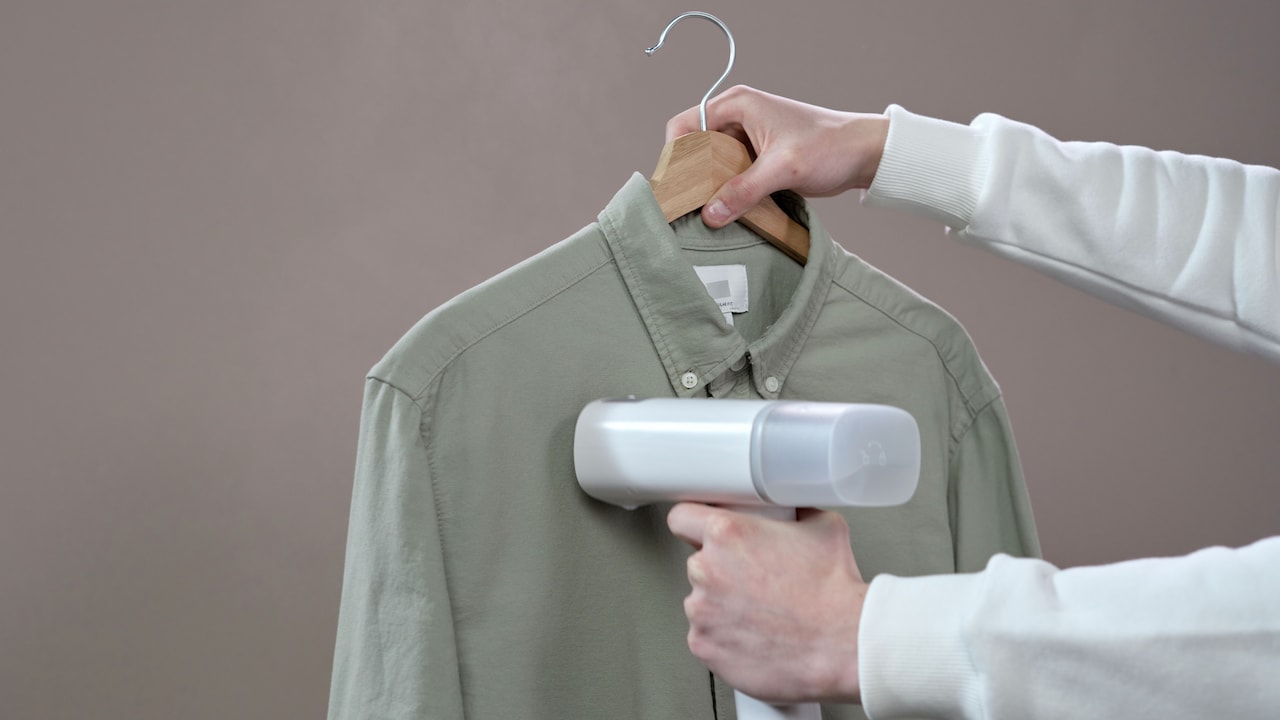
Few household debates feel as oddly serious as the steamer-versus-iron argument. One person swears by the classic iron and ironing board. Another would happily retire both after discovering the convenience of a handheld steamer. The confusion makes sense. Modern wardrobes mix cotton shirts, linen trousers, silk sarees, embroidered kurtas, polyester dresses, woollen jackets and delicate blends. Treating all of them in the same way is rather like cooking every dish on the highest flame. Something will eventually suffer. Good clothing care is not about using more heat, more detergent or more effort. Quite often, restraint works better. The right temperature, washing frequency, clothes drying method and storage habit can keep fabrics looking newer without turning laundry day into a science experiment. So, can a garment steamer truly replace an iron? Sometimes. For every fabric? Not quite. And that is only the first clothing-care myth that deserves a closer look.
Can A Garment Steamer Replace An Iron? 10 Fabric-Care Myths Explained; Photo Credit: Pexels
10 Clothing-Care Myths That Deserve A Second Look
1. Myth: A Garment Steamer Can Completely Replace An Iron
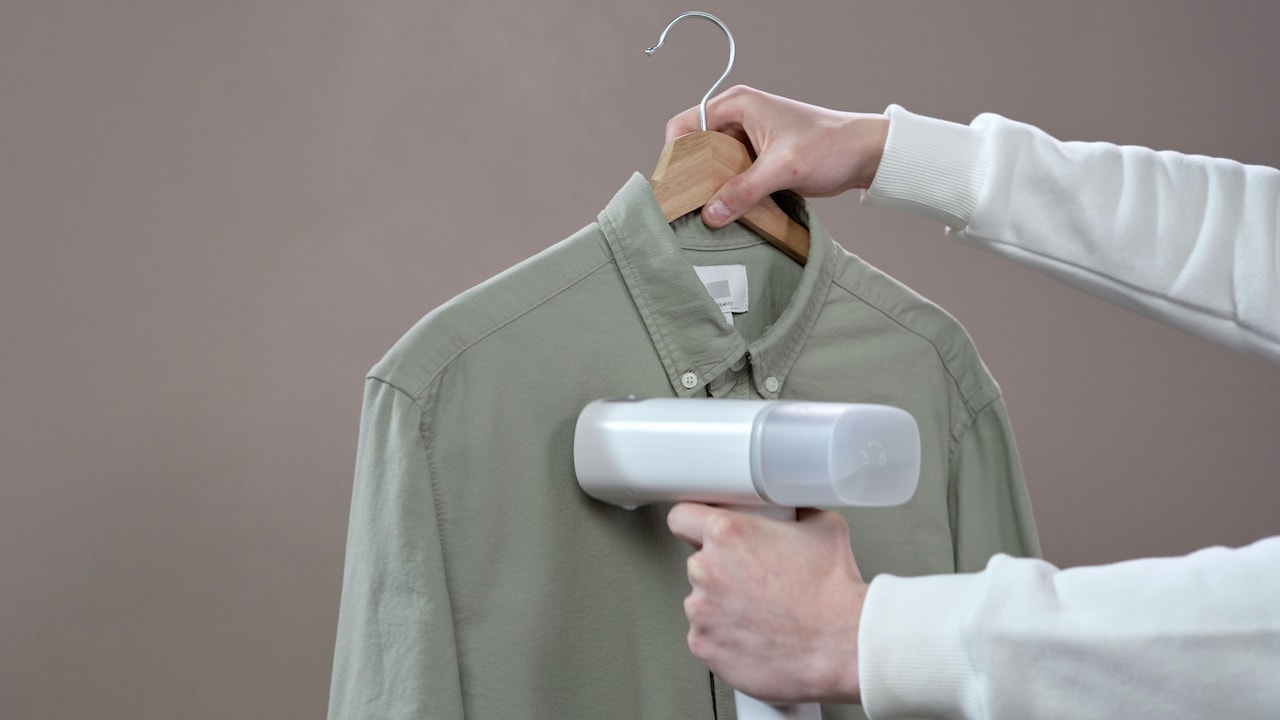
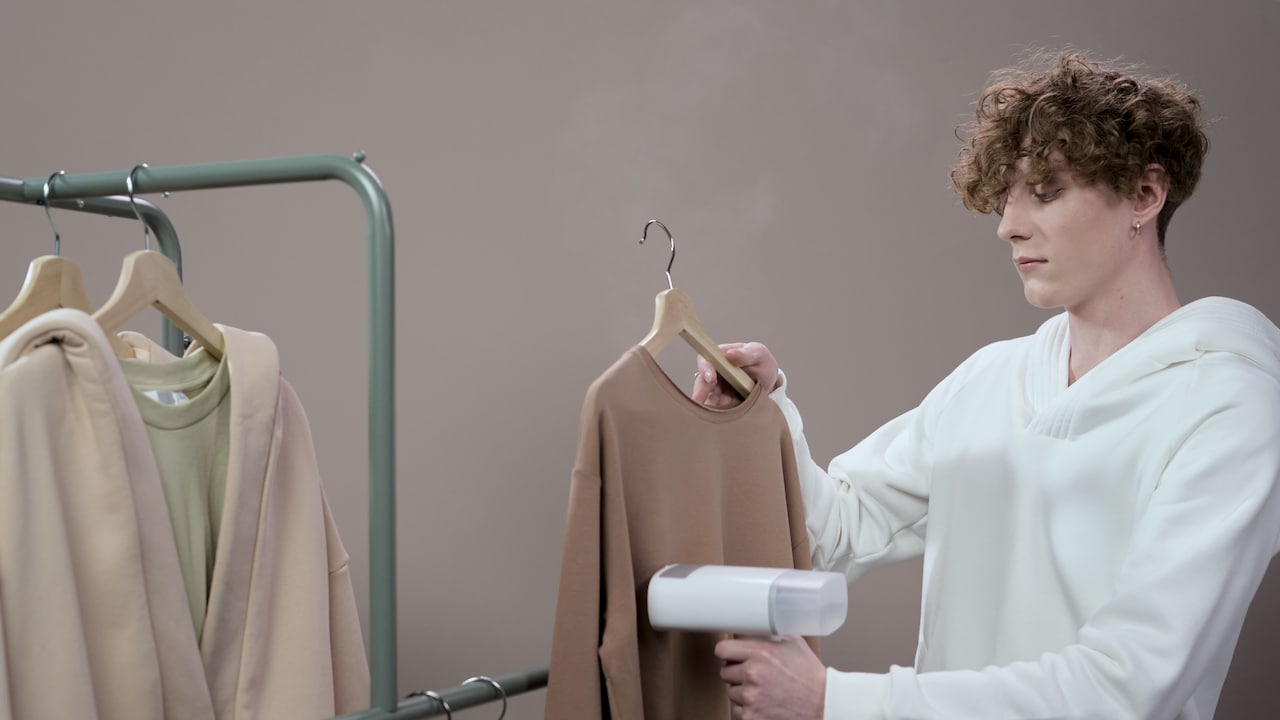
A steamer is wonderfully convenient, particularly when a shirt has acquired suspicious-looking folds five minutes before a video call. Hot steam relaxes fabric fibres and allows many wrinkles to fall away without pressing the garment against a scorching metal plate.
That makes steamers especially handy for dresses, kurtas, jackets, flowing fabrics and clothes with gathers or awkward detailing. They are also useful for quick touch-ups when pulling out an ironing board feels like an event in itself.
Still, steamers cannot completely replace irons. Cotton office shirts, trousers and garments that need crisp collars, cuffs or sharp pleats usually benefit from direct pressure. An iron physically presses fibres into a flatter, more structured finish. Steam alone generally creates a softer result.
The smartest wardrobe may therefore have room for both. Think of the steamer as the speedy problem-solver and the iron as the precision specialist. When neatness matters more than sharpness, steaming often wins. When a crease should look sharp enough to have its own personality, reach for the iron.
Also Read: Garment Steamer vs Iron: Which Is Better for Wrinkle-Free Clothes?
2. Myth: The Hotter The Iron, The Better The Results
Turning the temperature dial all the way up may seem like the fastest route to wrinkle-free clothing. Unfortunately, fabrics do not reward enthusiasm equally.
Cotton and linen can usually tolerate fairly high heat, particularly when slightly damp. Synthetic fabrics such as polyester and nylon need considerably more caution. Too much heat can create shiny patches, distort fibres or, in the worst case, melt part of the fabric. Delicate materials such as silk also require lower temperatures and careful handling.
Those tiny care symbols stitched inside garments are therefore more useful than they appear. They provide clues about washing, drying and ironing temperatures based on the fabric and construction of the item.
Start with a lower temperature when uncertain. Increasing heat gradually takes only seconds. Repairing a glossy iron mark across a favourite festive outfit is far less straightforward.
Heat should solve wrinkles, not test a garment's survival skills. The goal is to use the lowest effective temperature for the fabric rather than treating the iron's highest setting as its default setting.
3. Myth: Steam Is Safe For Every Delicate Fabric
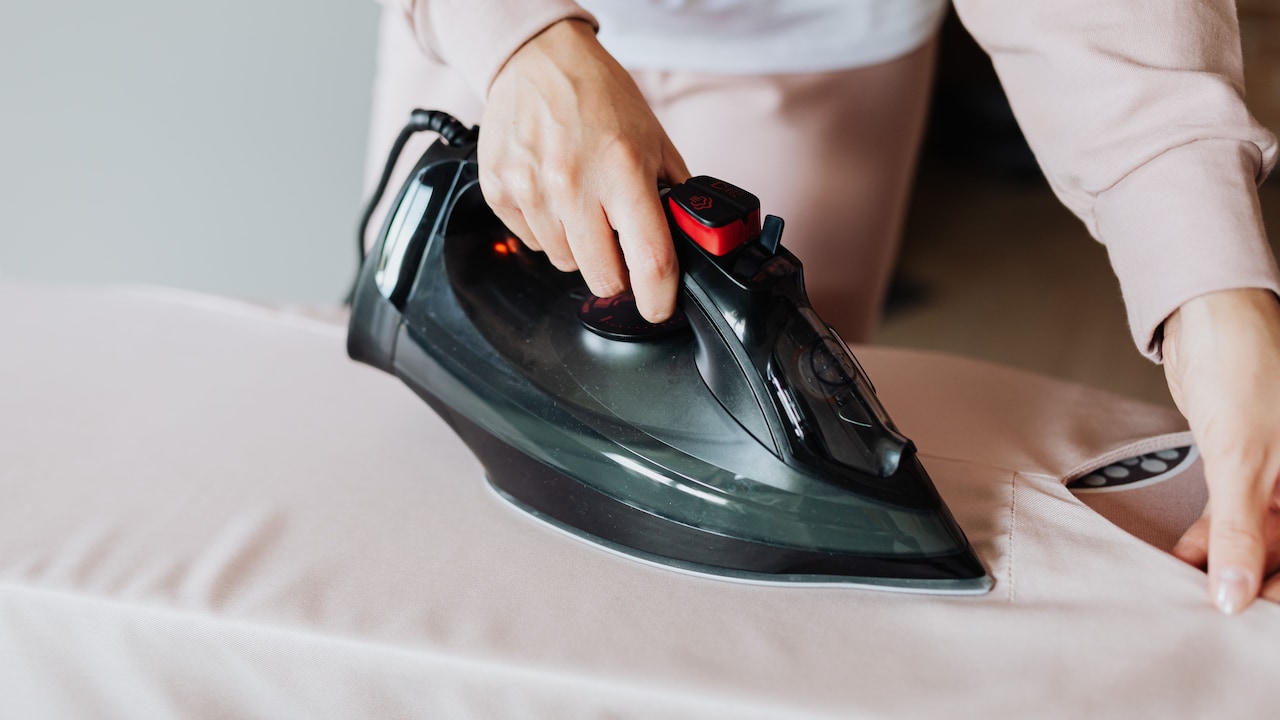
Steam feels gentle because there is no heavy iron pressing directly onto the fabric. That does not mean every delicate garment welcomes a cloud of hot moisture.
Some silks, velvets and structured garments can react badly to steaming. Water-sensitive fabrics may develop marks, while certain dyes can bleed when exposed to moisture. Embellishments, glued decorations, sequins and delicate surface finishes may also dislike prolonged heat or steam.
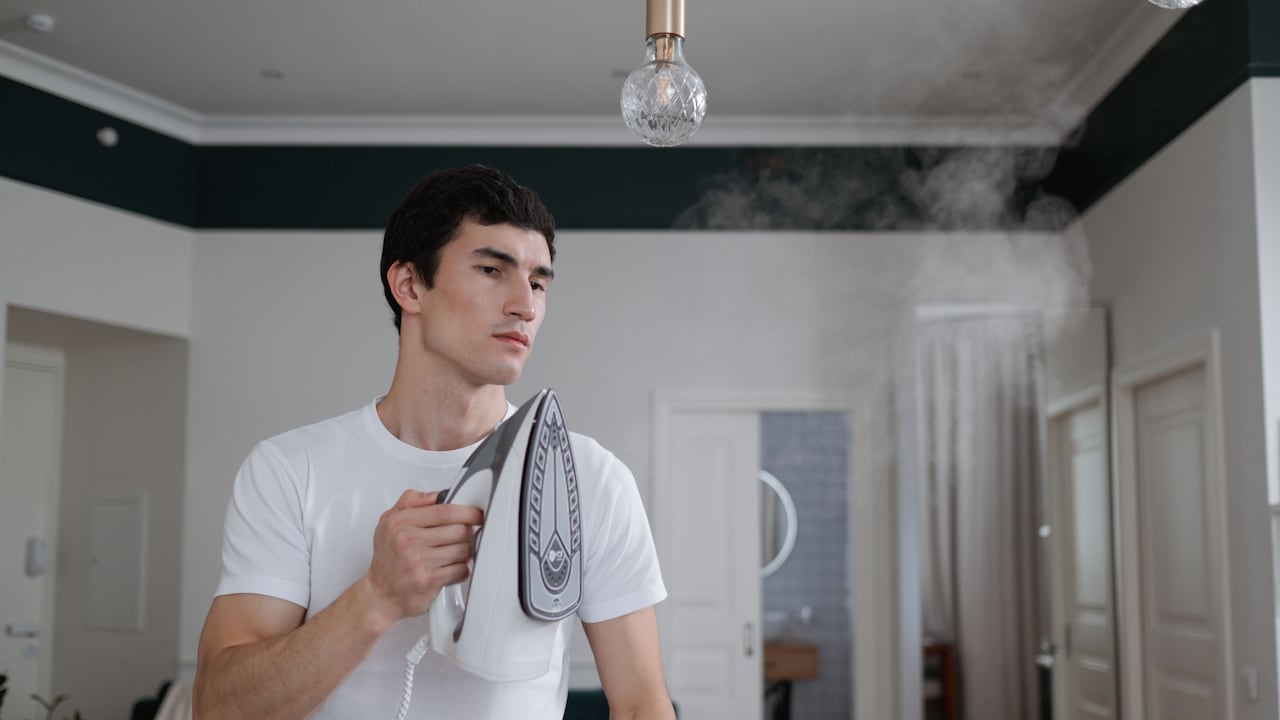
Distance matters too. Holding a steaming nozzle extremely close to the material can concentrate both heat and moisture in one spot. Keeping the steamer slightly away from the garment and moving it continuously usually gives fibres room to relax without becoming drenched.
Before steaming an unfamiliar fabric, test a hidden section such as an inside seam. If the garment is expensive, heavily embellished or labelled for specialist cleaning, experimentation is rarely worth the risk.
A ₹5,000 occasion outfit should not become the testing ground for a new steamer technique ten minutes before leaving home. Delicate clothing often rewards patience more than confidence.
Can A Garment Steamer Replace An Iron? 10 Fabric-Care Myths Explained; Photo Credit: Pexels
4. Myth: More Detergent Means Cleaner Clothes
A generous extra splash of detergent can feel reassuring, especially after a humid commute, a crowded train journey or an enthusiastic plate of butter chicken. Yet more detergent does not automatically produce cleaner laundry.
Washing machines work best with the correct balance of water, movement and detergent. Use too much detergent and the machine may struggle to rinse it away completely. Residue can remain trapped in fibres, leaving clothing stiff, dull or strangely soapy. It can also hold on to dirt and body oils instead of allowing them to rinse away properly.
The right quantity depends on the detergent's concentration, the size of the load, water hardness and how dirty the clothes actually are. Following the product instructions is far more effective than pouring until instinct says “that looks enough”.
For lightly worn everyday clothing, a modest measured amount may do the job perfectly well.
That frothy washing-machine window can look impressively productive, but foam is not a cleanliness scoreboard. Clothes need enough detergent to remove soil, not enough to host a bubble festival.
5. Myth: Clothes Should Be Washed After Every Wear
Some garments certainly belong in the laundry basket after one outing. Socks, underwear, gym wear and heavily perspired clothing are obvious examples. Many other pieces, however, do not need an automatic wash after every appearance.
Jeans, jackets, trousers and some outer layers can often be worn several times if they remain clean and odour-free. Washing too frequently exposes fabrics to water, detergent, friction and repeated drying. Over time, this can encourage fading, fibre damage and loss of shape.
Airing garments between wears can make a noticeable difference. Hang them somewhere ventilated rather than immediately returning them to a packed wardrobe. Small marks can sometimes be spot-cleaned instead of sending the entire garment through a full washing cycle.
Climate and activity naturally matter. A shirt worn through a humid afternoon may need laundering sooner than a jacket worn for two hours in an air-conditioned restaurant.
Cleanliness should depend on the garment's condition, not a rigid one-wear rule. Sometimes the gentlest washing cycle is simply skipping one that was never needed.
6. Myth: Fabric Softener Makes Every Garment Better
Fabric softener can make laundry smell pleasant and feel smoother, which makes it tempting to add it to every load. Some fabrics, however, perform better without it.
Many softeners work by leaving a coating on fibres. That coating can reduce absorbency, making it less helpful for towels that are expected to soak up water quickly. Performance clothing can also suffer because fabric softener may interfere with moisture-wicking properties designed to pull sweat away from the skin.
Using more softener will not necessarily make clothing softer either. Excess product can build up over repeated washes and leave fabrics feeling coated rather than genuinely fresh.
For everyday garments that tolerate softener, follow the recommended quantity instead of treating the dispenser compartment as a challenge.
Towels provide a good example of why clothing care sometimes involves choosing function over fragrance. A fluffy towel that smells like a mountain meadow but refuses to absorb water has rather missed its career objective. Check fabric-care instructions and use softener selectively rather than automatically.
7. Myth: Sun-Drying Is Always The Best Drying Method
Sunshine feels like nature's tumble dryer, complete with free warmth and that unmistakable fresh-laundry feeling. For many household fabrics, line-drying outdoors is practical and economical. Yet strong direct sunlight is not automatically kind to every garment.
Ultraviolet exposure can fade colours, particularly dark and brightly dyed fabrics. Leaving clothing outside for hours after it has already dried only increases unnecessary exposure. Delicate fibres can also become stressed when drying conditions are extremely hot.
Turning coloured garments inside out before hanging them may help reduce visible fading. Drying them in a bright but shaded, well-ventilated area can offer another useful compromise.
Shape matters as much as sunshine. Heavy knitwear may stretch if hung while soaking wet, so laying suitable pieces flat can help them retain their form.
The lesson is not to fear the washing line. It is to avoid assuming that harsher sunlight produces better results. A favourite black T-shirt can quietly become charcoal grey long before anyone notices what happened.
Can A Garment Steamer Replace An Iron? 10 Fabric-Care Myths Explained; Photo Credit: Pexels
8. Myth: Dry Cleaning Is The Safest Choice For All Expensive Clothes
A high price tag can make professional dry cleaning feel like the safest possible option. Yet cost and cleaning method are not automatically connected.
Some garments genuinely require professional treatment because of their fabric, construction, lining, embellishment or dye. Others may carry care labels that allow gentle hand washing or carefully controlled machine washing.
Dry cleaning also involves chemicals and mechanical handling, so unnecessary cleaning can still contribute to wear over time. Sending a barely worn formal jacket for cleaning after every dinner invitation may therefore be excessive.
The better approach begins with the care label. Consider whether the garment is actually stained, sweaty or dirty before arranging a full clean. Sometimes airing it properly and brushing away surface dust is enough between professional cleans.
Special-occasion clothing deserves particular attention because embroidery, zari-style work, beads, sequins and structured sections can complicate cleaning.
Expensive clothes need appropriate care rather than maximum care. Treating every premium garment as fragile by default may sound cautious, but following its actual construction and care requirements is far more sensible.
9. Myth: Hanging Every Garment Prevents Wrinkles
Hangers seem like the tidy answer to almost every wardrobe problem. Shirts stay visible, dresses avoid drawer creases and choosing an outfit becomes easier. Unfortunately, certain clothes would rather lie down.
Heavy knitwear is the classic example. Hanging a thick jumper for weeks can allow gravity to pull at the fabric, stretching the shoulders and body. Those strange hanger bumps near the shoulders are not a mysterious design feature; they are often evidence that the garment needed folding.
Delicate knits and heavy embellished clothing may also distort under their own weight. Folding these pieces neatly and storing them on a shelf can help preserve their shape.
For garments that do belong on hangers, choose the hanger carefully. Broad, supportive hangers suit jackets better than thin wire ones. Padded options can work well for more delicate clothing.
Wardrobe spacing also matters. Cramming twenty garments into space designed for twelve simply creates wrinkles while technically keeping everything “hung”.
Good storage is less about making a cupboard resemble a boutique and more about letting each fabric rest in the way its structure prefers.
10. Myth: Wrinkles Mean A Garment Needs More Heat
A stubborn wrinkle has a way of turning ironing into a personal contest. The instinct is often to increase the temperature and press harder until the crease surrenders. That strategy can damage fabric before it solves the problem.
Moisture is frequently the missing ingredient. Lightly damp cotton, for example, can respond better to ironing because moisture helps relax fibres. Many irons include steam functions for precisely this reason. A spray bottle can also help where the garment's care instructions allow it.
Technique matters too. Ironing repeatedly over the same spot may create shine or flatten texture. Moving steadily and ironing sections in an organised order generally produces a cleaner finish.
Some wrinkles are also caused by poor drying or storage rather than inadequate ironing. Removing clothes promptly from the washing machine, shaking them out and hanging them properly can reduce creasing before the iron even enters the story.
When fabric refuses to cooperate, more aggression is rarely the answer. Clothing care works best when heat, moisture and pressure behave like a team rather than competitors.
Products Related To This Article
1. OWNAIR Steam Iron Handheld for Clothes
2. NUUK STROM GO V2 Super Compact and Lightweight Travel Garment Steamer For Clothes
3. AGARO Regency Handheld Garment Steamer
4. Philips STH 5030/20 Garment Steamer Perfect Rakhi Gift
5. Goodscity Garment Steamer for Clothes
6. Hamilton Beach Professional Garment Steamer
7. INALSA Steamer for Ironing Clothes
So, can a garment steamer replace an iron for every fabric? No. It can replace an iron for plenty of everyday wrinkle-removing jobs, and its convenience makes it an excellent wardrobe companion. But crisp cotton shirts, sharp trouser creases and certain stubborn fabrics still give the traditional iron good reason to stay employed.
More importantly, clothing care is rarely about finding one appliance, product or trick that works universally. Fabrics behave differently. A technique that keeps linen looking wonderful may ruin polyester, while a habit that works for towels may reduce the performance of sportswear.
Checking care labels, choosing sensible temperatures, washing only when necessary and storing garments properly can extend their useful life far more effectively than following old household rules without question.
That means fewer faded favourites, fewer mysterious shiny patches and fewer moments spent staring mournfully at a once-perfect kurta after an overly enthusiastic ironing session.
Good clothing care does not require a complicated routine. It simply requires knowing when to steam, when to press, when to wash and, perhaps most importantly, when to leave a perfectly good garment alone.
(Disclaimer: This article may include references to or features of products and services made available through affiliate marketing campaigns. NDTV Convergence Limited (“NDTV”) strives to maintain editorial independence while participating in such campaigns. NDTV does not assume responsibility for the performance or claims of any featured products or services.)