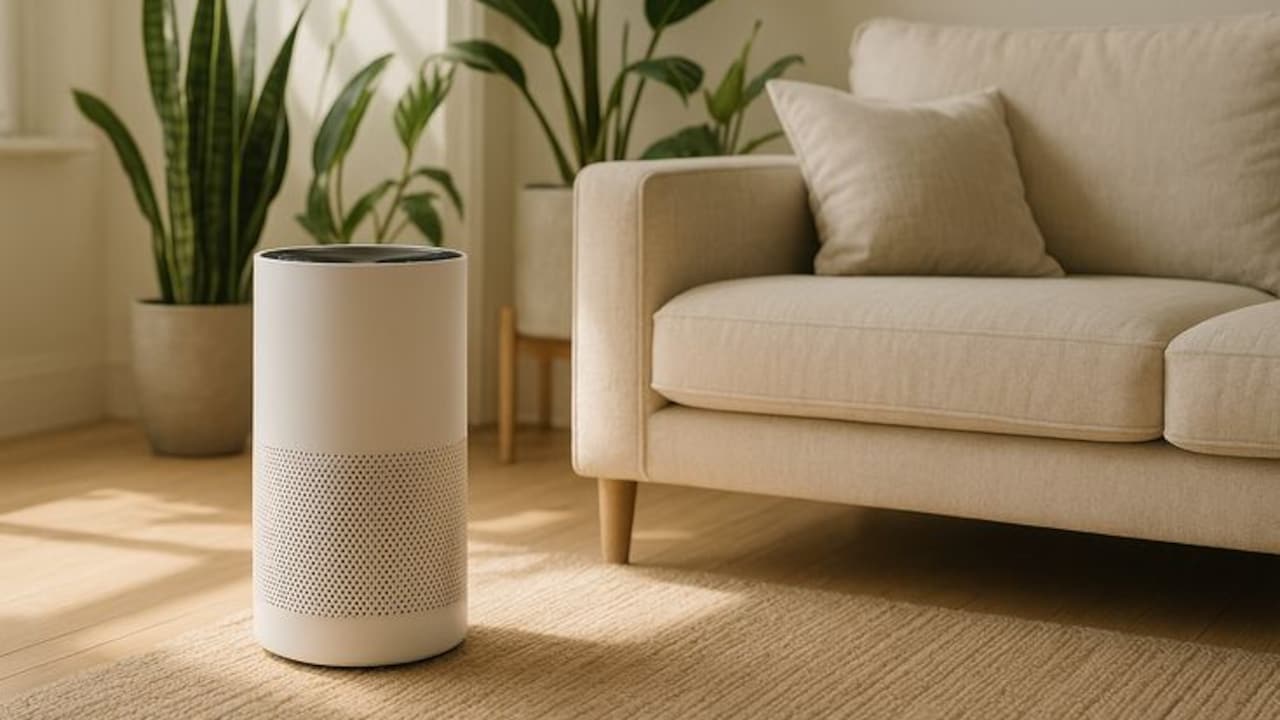
Garment Steamer vs Iron: Which Is Better for Wrinkle-Free Clothes?
Wrinkles can turn even the newest shirt into a tired-looking disaster. But which one works faster? Which protects fabric better? This is a friendly, practical guide to help decide whether a steamer or an iron deserves a permanent spot at home. When it comes to garment steamer vs iron, here are 10 key features to know.
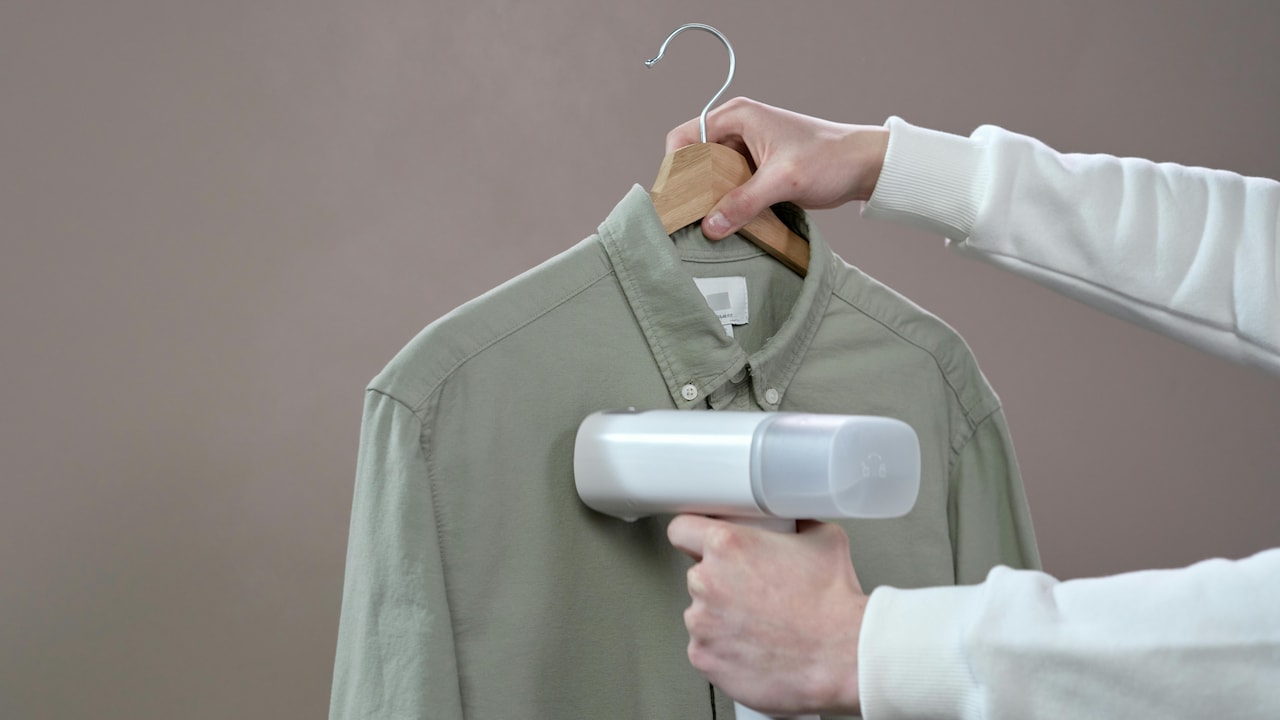
Garment Steamer vs Iron: Remove Wrinkles Fast and Help Clothes Last Longer This Way.
Smooth, crease-free clothes often feel like a superpower. A well-pressed kurta, a crisp shirt for work, or a neatly falling saree pallu gives a confidence boost that no filter can offer. But between the chaos of weekday mornings, unpredictable weather and those last-minute outfit decisions, ironing can feel like a battle. That's where garment steamers step in, offering a quick, fuss-free way to refresh clothes. Still, the good old iron remains a trusted wardrobe warrior in many homes. So, when it comes to garment steamer vs iron face-off, here are 10 key features to know.
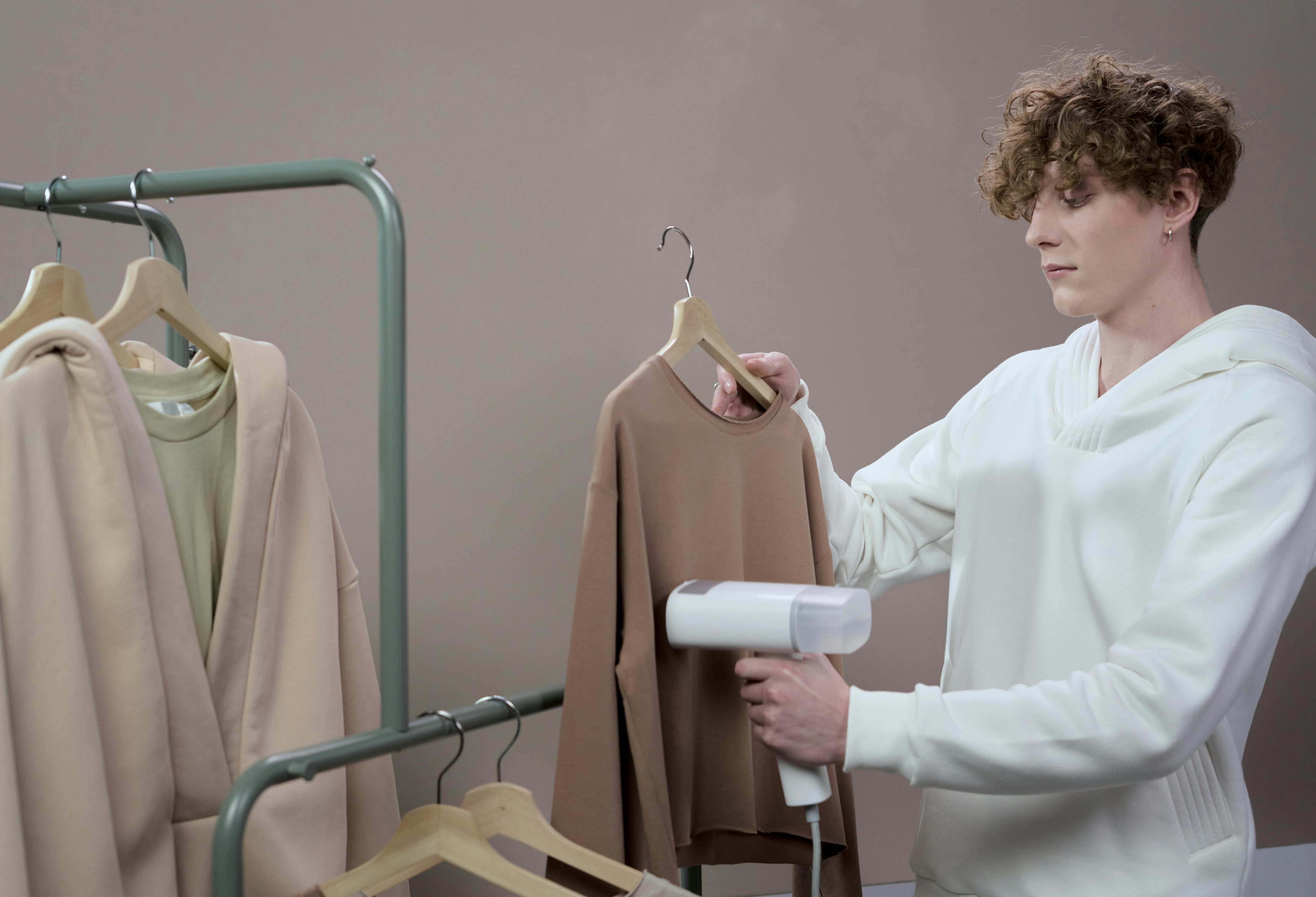
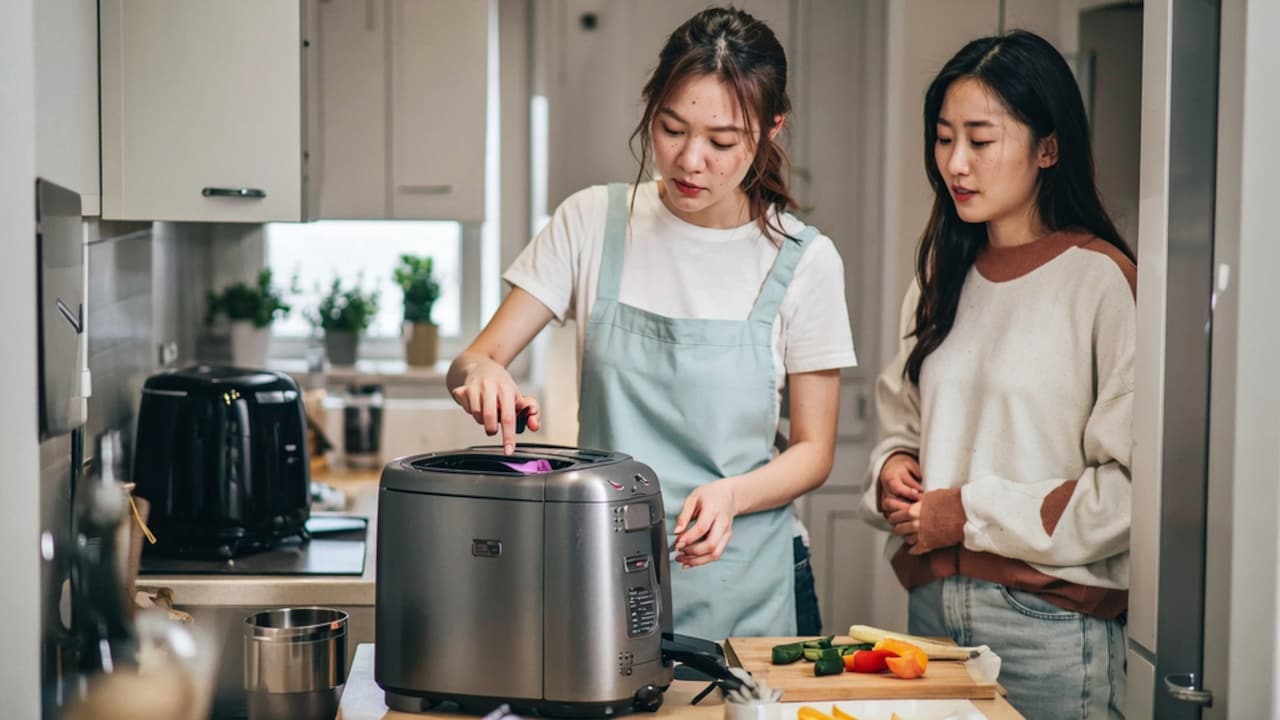
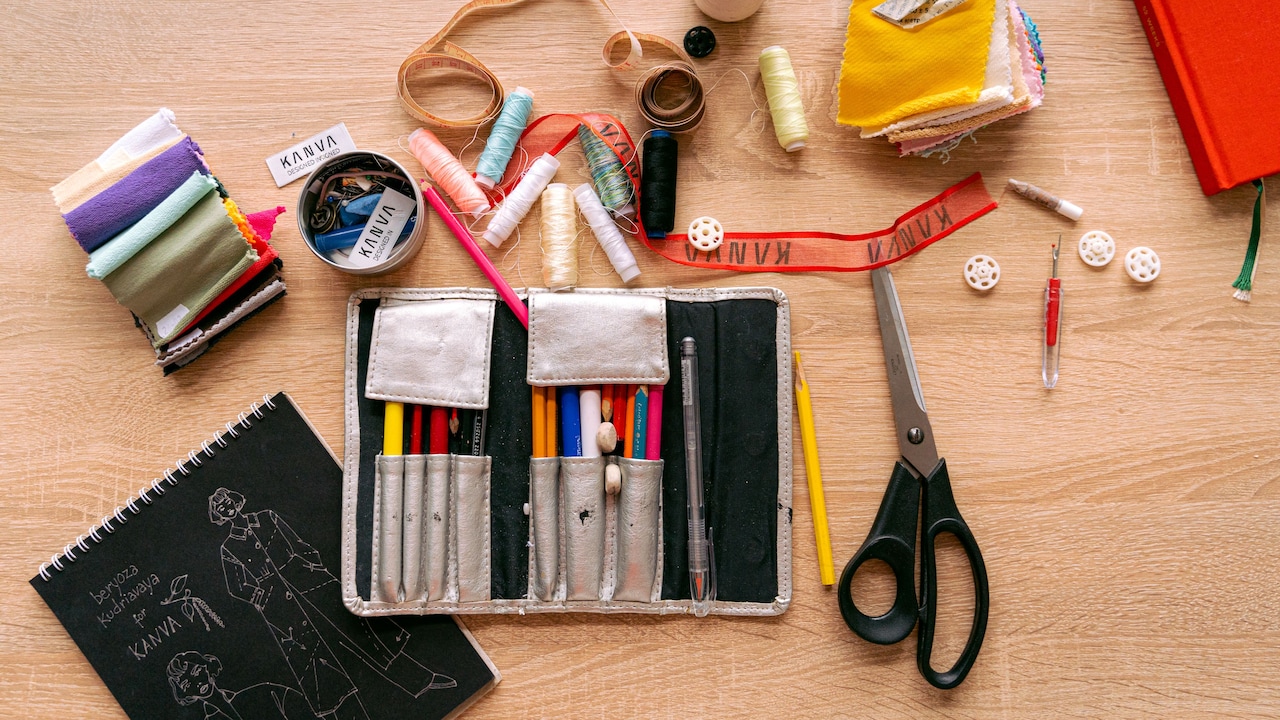
Important differences to know in garment steamer vs iron; Photo Credit: Pexels
Let's compare both, uncover secrets that help fabric last longer, and find out how to remove wrinkles fast without ruining clothes or wasting precious time.
Comparing Steamers And Irons: Which One Deserves A Place At Home?
1. Quick Wrinkle Removal: Speed Matters
Think of the rush before leaving for the office or a festive gathering. An outfit looks perfect, but wrinkles ruin the plan. A garment steamer takes only a minute or two to heat up and begins smoothing wrinkles directly on the hanger. No ironing board, no flipping clothes repeatedly. This speed is a blessing on hectic mornings.
An iron, on the other hand, needs time to heat up properly. It also demands careful movement, patience and precision. Yet when it comes to deep creases, like those stubborn folds on cotton shirts or pleated trousers, irons offer crisp results that steamers can't match. In short, the steamer wins for fast, everyday touch-ups, while the iron rules when sharp lines and heavy fabrics demand total discipline.
2. Fabric Safety: Protecting Clothes Over Time
A steamer works by releasing steam that relaxes fibres gently. This makes it kinder to delicate materials such as georgette, chiffon, silk, and even wedding wear. The absence of direct heat means less risk of burning, discolouration or shiny patches that can ruin expensive outfits. Steaming freshens fabric without crushing its natural flow.
Ironing, however, applies direct heat and pressure, which can sometimes be harsh. Fabrics like velvet, embroideries with zari, sequins or lace don't appreciate this treatment. Ironing can flatten patterns and dull embellishments. Yet many everyday clothes handled properly with the right temperature setting remain perfectly safe. The trick lies in patience and technique. If clothing protection matters most, steamers win with their gentle touch.
3. Crispness and Sharp Lines: Who Does It Better?
Walk into a boardroom wearing a sharply pressed cotton shirt or drive to a family celebration in a perfectly pleated kurta; nothing beats that crisp, formal look. This is where irons remain unrivalled. From those clean creases on trousers to stiff collars and perfect saree pleats, irons give structure that steamers simply can't achieve.
Steamers focus on smoothness, not stiffness. They soften fabric and reduce wrinkles but do not create defined lines. They are excellent for flowing garments, but fall short for uniforms, school clothes or formal office wear that demands precision. For days when a polished, professional impression matters, an iron feels like a trusty ally. So while steamers win in everyday comfort, irons still rule the world of sharp silhouettes.
4. Convenience at Home: Setup And Space Needs
A steaming session feels surprisingly simple. Clothes can hang anywhere, on a door hook or hanger, and the steamer does its job without requiring extra tools. There's no wrestling with bulky ironing boards or adjusting awkward corners of fabric. Its compact design also makes it perfect for small rooms or shared wardrobes.
Irons, however, ask for a bit of preparation. Setting up a board, spreading clothes properly and checking temperature levels takes time and patience. Although many homes still keep a dedicated ironing corner, limited space makes this tough. Steamers shine bright in compact flats and hostel rooms where space is precious. Convenience becomes a deciding factor, and the steamer takes the win here with effortless operation.
5. Cost Factor: Considering Long-Term Value
While steamers feel modern, their prices vary from affordable handheld ones starting at ₹800 to advanced vertical models costing ₹6,000 or more. Irons range from basic models at ₹400 to premium steam irons at ₹4,000. At first glance, irons seem cheaper, but long-term value depends on how clothes are treated.
Delicate clothing often needs expensive dry cleaning when damaged by heating mistakes. A steamer can reduce such trips, saving both effort and money. On the other hand, if most clothes at home are cotton, denim or formal wear, spending less on a reliable iron may make better sense. Think of it less as a purchase and more as a wardrobe investment, with savings woven into every wrinkle removed.
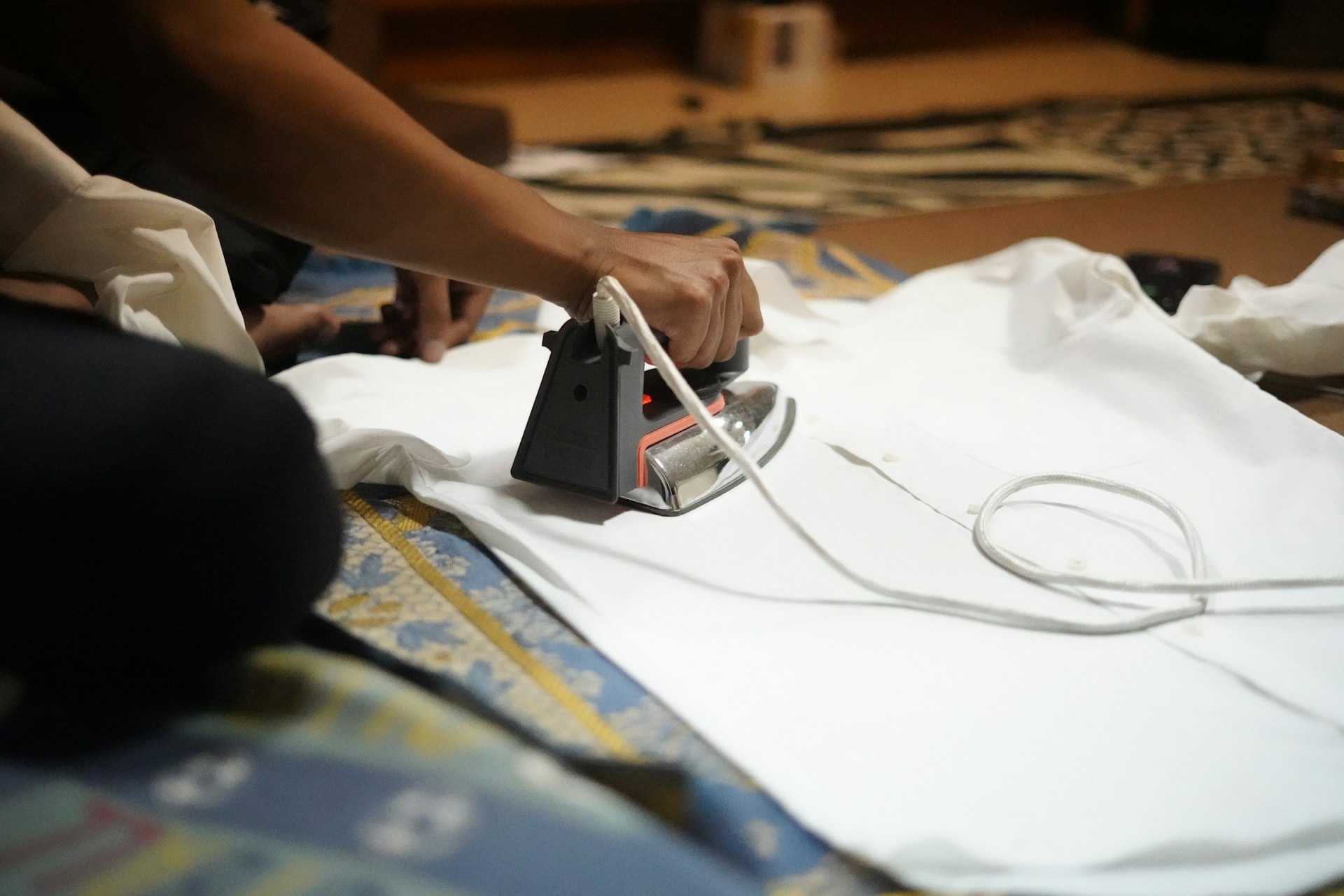
Both steamers and irons are cheaper but the former may provide more long-term value; Photo Credit: Unsplash
6. Saving Time on Busy Days
Some mornings feel like five minutes are worth a million moments. A steamer fits beautifully into those rushed hours. It heats quickly, works vertically and handles quick spot fixes even after clothes are worn. Imagine noticing wrinkles after sitting in the car; steamers save the day without taking the outfit off.
Irons demand prep time and full attention. Each piece needs flattening, flipping and firm pressure. For large piles of clothes on weekends, ironing still wins in efficiency. But for daily routines, when everyone juggles early meetings, school van timing or last-minute plan changes, the steamer becomes a quiet hero, letting crisp mornings start on time.
7. Travel-Friendly Options
Trips often include spontaneous photo sessions, weddings, or urgent office meetings. Clothes squeezed into suitcases emerge looking tired. Handheld steamers slide easily into luggage and revive outfits in hotel rooms or relatives' houses without needing extra tools. No ironing board? No problem.
Travelling with irons can be tricky due to size, weight and the need for a board. Some hotels provide irons, but results vary. Compact travel irons exist, yet they still need time and space. A portable steamer works on sarees, sherwanis, cotton suits and daily wear, making it a go-to choice for smooth holiday looks. Travel becomes easier when wrinkles are not invited along.
8. Hygiene Boost: More Than Just Wrinkle Removal
Steam does more than relax fibres; it helps kill bacteria and remove mild odours trapped in fabric. Clothes worn during humid weather or after short outings can feel fresh again without needing a full wash. Keeping outfits like winter shawls, jackets, or festive wear clean between uses becomes effortless.
Irons also kill germs with heat, but they don't remove odours as effectively since they press fibres tightly without refreshing them. For clothes with embroidery, delicate weaves or heavy fabrics that can't be washed often, steamers offer an extra layer of hygiene. Smooth fabric that smells fresh feels like a tiny luxury, especially on sweaty days when laundry piles grow faster than patience.
9. Fabric Longevity: Making Clothes Last Longer
Over time, repeated harsh ironing can weaken fibres, fade colours and create shiny burn patches on silks or blends. Steamers avoid direct heat contact, helping clothes maintain their natural texture for longer. Flowing garments like sarees, anarkali suits, chiffon dupattas and formal wear stay graceful when treated gently.
That doesn't mean irons damage everything. Using the correct settings, ironing on the reverse side and using a damp cloth barrier can reduce wear and tear. The difference lies in effort. If long-lasting outfits are a priority, steaming feels like a kinder routine. Clothes carry memories, wedding sarees, farewell jackets, festive outfits, and deserve soft handling that preserves their beauty over the years.
10. Choosing What Suits Your Lifestyle
The final decision doesn't need dramatic analysis. Simply look at wardrobe needs. If life demands quick fixes, loves delicate clothing and values convenience, a garment steamer blends effortlessly with everyday living. For those who prefer crisp shirts, school uniforms, formal trousers or neat cotton kurtas, an iron remains indispensable.
Many homes benefit from keeping both. The iron handles heavy-duty tasks, while the steamer jumps in for speed, fabric care and travel. Just like a good wardrobe needs variety, wrinkle care tools don't need competition; they complement each other. The secret lies in choosing what suits daily habits rather than trends.
Products Related To This Article
1. Havells Glace Plus 1000 Watts Dry Iron Press
2. Braun QuickStyle 5 GS5031BL
3. PHILIPS Handheld Garment Steamer
4. Orient Electric Fabrijoy 1000 Watt Dry Iron for clothes with Weilburger
5. Hamilton Beach Professional Garment Steamer
6. Philips Speed Pro DST3020/30 Steam iron
7. INALSA Steamer for Ironing Clothes
Clothes share stories. They witness celebrations, hectic mornings, long meetings, and spontaneous outings. Keeping them neat shouldn't feel like a chore. Garment steamers offer quick relief and fabric care, while irons deliver precision and sharpness. Both have strengths worth celebrating.
A smooth wardrobe isn't about tools alone; it's about choosing methods that respect fabric, timing and lifestyle. Whether steaming a festive outfit or ironing a favourite shirt, wrinkle removal becomes more than maintenance; it becomes an act of care that helps clothes shine longer, look better and stay part of life's moments with grace.
(Disclaimer: This article may include references to or features of products and services made available through affiliate marketing campaigns. NDTV Convergence Limited (“NDTV”) strives to maintain editorial independence while participating in such campaigns. NDTV does not assume responsibility for the performance or claims of any featured products or services.)