Is A Metallic Smell From A New Kettle Normal? 10 First-Use Myths Explained
A new kettle may smell metallic or make water taste unusual during its first few uses. Here’s what causes it, how to clean it safely and when the smell signals a genuine problem.
Is A Metallic Smell From A New Electric Kettle Normal? 10 Myths Explained
A brand-new electric kettle should make the morning tea routine quicker. Yet the first boil can bring an unwelcome surprise: warm water carrying a metallic smell, a faint plastic-like taste or an aroma that resembles a newly opened steel container. Suddenly, that comforting cup of chai feels more like a chemistry experiment. Most first-use smells come from manufacturing residues, packaging materials, heating components or water reacting with a fresh interior. They often fade after proper cleaning and a few discarded boils. However, not every strange odour deserves a casual shrug. A burnt electrical smell, visible damage or a taste that refuses to disappear calls for closer attention.
Is A Metallic Smell From A New Kettle Normal? 10 First-Use Myths Explained
Photo Credit: Pexels
The problem becomes more confusing because kettle advice tends to travel through families, shop counters and WhatsApp groups. Some tips help; others waste time or damage the appliance. From assuming stainless steel can never affect flavour to filling a kettle with concentrated vinegar, several popular beliefs need correcting. Here are 10 first-use myths that explain what that unfamiliar smell means and how to prepare a new kettle safely.
What That New-Kettle Smell Really Means
1. Myth: Any Metallic Smell Means The Kettle Is Defective
A mild metallic smell during the first few boils doesn't automatically point to a defective kettle. A new stainless-steel interior, heating plate or metal lid can carry traces of polishing compounds and manufacturing residue. Packaging may also trap odours inside the closed appliance. Hot water releases these smells more noticeably than cold water, which explains why everything seemed fine when the kettle first came out of the box.
Clean the interior with fresh water and a soft sponge before plugging it in. Then fill it to the recommended level, boil the water and discard it. Repeat this process two or three times. Keep the lid open between boils so trapped smells can escape.
The smell should become weaker with every cycle. That gradual improvement suggests a harmless first-use issue. Concern becomes reasonable when the odour grows stronger, resembles burning wires or accompanies smoke, sparking, leaking or unusual noises. In that situation, switch off the kettle, unplug it and contact the seller or manufacturer. A new appliance should smell unfamiliar for a short while, not frightening.
2. Myth: One Quick Rinse Makes A New Kettle Ready
Running tap water around the kettle once may remove loose dust, but it rarely prepares the appliance properly. New kettles can contain tiny particles from manufacturing, warehouse storage and cardboard packaging. A quick swirl cannot always reach the base, the underside of the lid or the area around the spout filter.
Start by reading the care instructions because materials and cleaning recommendations differ between models. Remove stickers, plastic films and packing pieces from the appliance. Wash the interior gently without immersing the electrical base, plug or external connections. Avoid abrasive scrubbers, as they can scratch stainless steel and create places where limescale collects later.
Next, boil a full batch of clean water within the marked minimum and maximum limits. Discard it rather than using it for tea, coffee or cooking. Repeat if the water retains a smell or taste.
This preparation may feel wasteful when the family already waits impatiently for chai. Still, two discarded boils take only a few minutes and can prevent the first round from tasting like hot coins. A proper first clean also provides a chance to notice leaks, loose lids or faulty switches before regular use begins.
3. Myth: Stainless Steel Can Never Affect Water's Taste
Stainless steel earns its reputation because it resists rust, handles heat well and usually keeps flavours neutral. However, “usually” doesn't mean “immediately in every kettle”. A fresh steel surface may carry polishing residue or develop a temporary smell when heated for the first time. The kettle's other parts, including silicone seals, plastic lids and spout filters, may influence the water too.
Water quality also changes the experience. Hard water contains minerals that can leave a chalky layer on the base. Chlorinated tap water may smell stronger after heating, while water stored in a tank can carry its own noticeable taste. Blaming the steel alone overlooks these everyday factors.
Try boiling filtered water after completing the initial cleaning cycles. If the smell disappears, the water supply may have contributed more than the kettle. If it continues, inspect the lid, filter and interior for residue.
Good-quality stainless steel should settle into neutral performance fairly quickly. It should not give every future cup a metallic edge. Persistent taste after several proper rinses deserves a complaint under the return or warranty policy, especially when another kettle produces normal-tasting water from the same supply.
4. Myth: Boiling Water Once Removes Every Residue
Boiling kills many microorganisms, but it doesn't magically remove every manufacturing compound, loose particle or lingering odour. Heat may actually make certain smells more obvious. It can loosen residue from the interior, but that residue remains in the water until someone pours it away. Drinking the first batch defeats the purpose of the cleaning cycle.
Use fresh water for each boil and discard it completely. A couple of cycles usually work better than repeatedly reheating the same batch. Wipe the cooled interior gently if the manufacturer permits it, particularly around the rim and under the lid.
Some owners keep boiling the kettle six or seven times because the smell hasn't vanished. Before wasting more water, check whether the source sits outside the chamber. A sticker near the body, protective film under the base or heated packaging residue can create an unpleasant odour without touching the water.
Boiling forms only one part of first-use preparation. Washing, ventilation and inspection matter too. Think of it like seasoning a new pressure cooker or washing a new steel dabba before storing food. Heat helps, but careful cleaning completes the job.
5. Myth: A Strong Vinegar Solution Cleans The Kettle Faster
Vinegar can dissolve mineral deposits, but more vinegar doesn't guarantee better cleaning. A new kettle rarely has enough limescale to justify an aggressive treatment. Concentrated vinegar may leave a sharp smell, affect certain seals and create a second taste problem while trying to solve the first one.
Follow the manufacturer's instructions before using any descaling ingredient. If the manual allows vinegar, dilute it with water rather than pouring it in neat. Heat the solution only as directed, let it sit for the recommended period and rinse thoroughly. Boil and discard fresh water afterwards until no sour smell remains.
Never combine vinegar with bleach or other household cleaners. Mixing cleaning chemicals can release dangerous fumes. Dishwashing liquid also deserves caution because trapped foam can linger around filters and seams.
For a simple new-kettle smell, plain water cycles should come first. A diluted lemon-water solution may offer another option when the manual allows it, although lemon can also leave an aroma if rinsing falls short. The gentlest effective method remains the sensible choice. A kettle needs cleaning, not the culinary equivalent of an acid bath before its first cup of tea.
6. Myth: Plastic Smells Always Come From The Kettle Body
A stainless-steel kettle can still produce a plastic-like smell. Many models include plastic water-level windows, silicone rings, lid mechanisms, handles or removable mesh filters. Heat can make the scent from these new components more noticeable, especially when the appliance stayed sealed in a box for months.
External packaging causes confusion as well. A thin protective film, cable tie or adhesive label near a warm surface may release an odour. Inspect the kettle carefully before use and remove only the packaging that the manual identifies as removable. Don't pry away fitted insulation or seals simply because they look unfamiliar.
After cleaning, leave the unplugged kettle open in a ventilated space. This allows new-material odours to disperse naturally. Repeatedly boiling it for hours may waste electricity and place needless strain on the appliance.
A faint smell that quickly fades usually causes little concern. Water that tastes strongly of chemicals after several cleaning cycles presents a different story. Stop using the kettle and approach the manufacturer rather than masking the flavour with extra tea leaves, ginger and elaichi. Masala can rescue an ordinary cup, but it shouldn't hide a possible appliance problem.
7. Myth: Filling Above The Maximum Mark Gives A Better Clean
Filling a kettle to the brim may seem like the best way to rinse every corner. In reality, water above the maximum line can boil violently, escape through the spout or lid and reach electrical components. It may also splash anyone standing nearby. A first-use cleaning session shouldn't end with a wet countertop and an emergency search for a cloth.
Keep the water between the minimum and maximum markings. The minimum level ensures that the heating element works safely, while the maximum level leaves room for bubbling water and steam. If the marks look unclear, check the manual rather than guessing.
To clean areas above the waterline, unplug the kettle, let it cool and wipe them with a damp, non-abrasive cloth. Never immerse the kettle body or place it under a running tap unless the manufacturer explicitly designed it for that treatment. Most electric models contain connections that must remain dry.
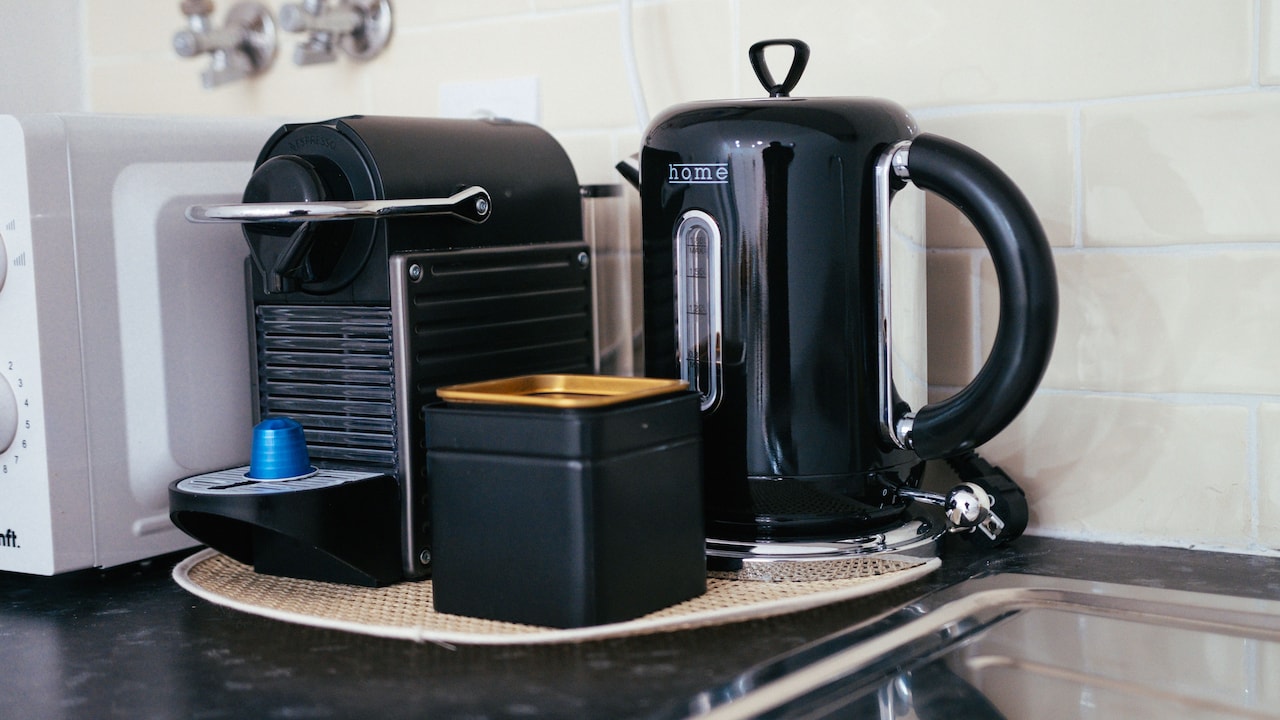
Correct filling also improves everyday performance. Too little water may expose the heating surface to unnecessary stress, while too much increases boiling time and spill risk. Those small lines on the body aren't decorative suggestions. They define the kettle's safe working range.
Is A Metallic Smell From A New Kettle Normal? 10 First-Use Myths Explained
Photo Credit: Pexels
8. Myth: Reboiling The Same Water Helps Remove The Smell
Reboiling one batch several times doesn't clean the kettle as effectively as using fresh water for separate cycles. Any loosened residue remains in the original water. Heating it again simply sends the same liquid around for another lap.
Discard each cleaning batch after it boils and allow the steam to clear. Refill with fresh water for the next cycle. This process carries away particles and diluted residue instead of concentrating them. Once the smell fades, use only the amount of water needed for the drink. That saves electricity and shortens waiting time.
Regularly reboiling old water can also change its taste as evaporation concentrates dissolved minerals. This effect becomes more noticeable in hard-water areas. The water doesn't suddenly turn poisonous, but it may produce flatter tea and leave scale on the heating plate faster.
Fresh water gives chai, coffee and instant noodles a cleaner flavour. It also turns each boil into a gentle rinse rather than a reheating loop. The kettle may encourage convenience, but convenience shouldn't mean keeping yesterday's forgotten water inside until somebody finally remembers it.
9. Myth: A Burnt Smell Will Disappear With Continued Use
A mild metallic or new-plastic odour may fade. A burnt electrical smell requires a different response. Continuing to run the kettle in the hope that it will “settle” can increase the risk of damage, overheating or fire.
Unplug the appliance immediately if it smells like burning rubber, melting plastic or scorched wiring. Check for obvious problems such as a damaged cord, discoloured plug, loose socket, water around the base or packaging touching a hot area. Don't open the appliance or attempt an electrical repair at home. Doing so can create further danger and affect the warranty.
The wall socket also deserves attention. A loose socket or overloaded extension board may heat up even when the kettle itself works correctly. Electric kettles draw substantial power, so plug the appliance directly into a suitable wall outlet whenever the manufacturer recommends it.
Contact authorised service support or request a replacement for a new unit that produces a persistent burning smell. Keep the bill, packaging and serial number handy. No cup of tea justifies “one more test boil” when an appliance gives a clear electrical warning.
Also Read: 7 Best Stainless Steel Electric Kettles in 2025 That Will Not Leave A Metallic Taste In Water
10. Myth: Once The First Smell Disappears, The Kettle Needs No Care
A successful first clean doesn't make a kettle maintenance-free. Mineral deposits build gradually, particularly when the household uses hard water. The pale or crusty coating on the base can slow heating, encourage noise and affect flavour. It may even create a slightly metallic or earthy smell that resembles the original first-use problem.
Empty unused water rather than leaving it inside for days. Let the interior dry with the lid open when practical. Wipe the outer body only after unplugging the appliance, and keep the electrical base dry. Clean the spout filter according to the manual because trapped scale can restrict pouring.
Descale whenever deposits become visible or according to the manufacturer's schedule. Households that boil several rounds of tea each day may need to clean more often than occasional users. Always rinse thoroughly after descaling.
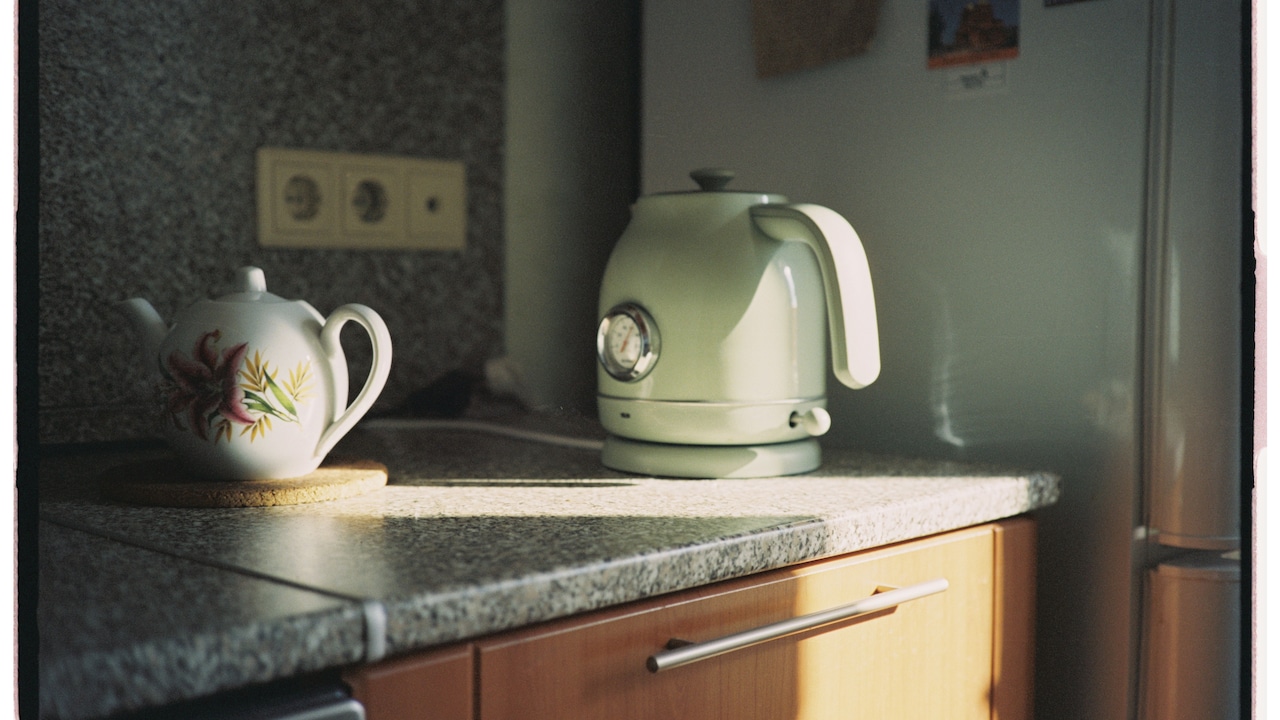
Small habits protect both taste and performance. They also prevent the kettle from becoming the appliance everyone uses but nobody claims responsibility for cleaning. A five-minute check now and then costs far less than replacing a neglected unit—or discovering flakes in a guest's cup of chai.
Is A Metallic Smell From A New Kettle Normal? 10 First-Use Myths Explained
Photo Credit: Pexels
Products Related To This Article
1. Supvox Gooseneck Kettle 1L 1000W Temperature Control with Pour Over Flow
2. Ledvance Electric Kettle 1.5L Stainless Steel Body
3. Cellecor Multi-Cook Kettle CMK13 Magic Chef With Steamer
4. Crompton Multi-Purpose Kettle 1 Ltr Temperature Control Knob
5. Cellecor Stainless Steel Multi-Cook Kettle CMK18 Home Chef With Steamer
6. Portabletravel Electric Kettle Small Mini Tea & Coffee Kettle Water Boiler
7. Russell Hobbs Electric Kettle 1.7 L Stainless Steel with Matte Design
A faint metallic smell from a new kettle often comes from fresh materials, trapped packaging odours or minor manufacturing residue. Proper washing, two or three discarded boils and good ventilation should make it fade. Persistent chemical tastes, leaks or burnt electrical smells need attention, not patience. Treat the first few boils as a safety check, follow the manual and give the kettle regular care. The reward is simple: cleaner water and chai that tastes reassuringly like chai.
(Disclaimer: This article may include references to or features of products and services made available through affiliate marketing campaigns. NDTV Convergence Limited (“NDTV”) strives to maintain editorial independence while participating in such campaigns. NDTV does not assume responsibility for the performance or claims of any featured products or services.)