How To Choose Juicers That Do Not Waste Fruit Pulp: Top 10 Juicing Tips
Choose a juicer that extracts maximum juice with minimal waste. From motor power to pulp dryness, these 10 practical tips help save money, reduce waste, and make juicing easier every day.
10 tips to choose juicers that make the most out of the pulp
Fresh juice carries a certain charm. It brings to mind early mornings, bustling kitchens, and the satisfying whirr of fruit turning into something refreshing. But behind that charm often lies frustration, pulp that still feels juicy, bits stuck in corners, and the nagging thought that half the fruit's goodness has gone to waste. Juicers today promise efficiency, but not all deliver. Some sacrifices yield for speed, while others make cleaning such a hassle that the machine gathers dust after a week. Choosing wisely can save not just fruit, but also time, effort, and a fair bit of money over months.
Tips to choose juicer that doesn't waste all the good pulp away; Photo Credit: Unsplash
With fruit prices often climbing, ₹120 for a kilo of apples or ₹80 for oranges, it makes sense to squeeze every bit of value out of each purchase. The following tips unpack how to select a juicer that respects both the fruit and the person using it, while adding a touch of joy to the daily routine.
Also Read: 5 Best Portable Juicers That Can Crush Ice and Frozen Fruit, Not Just Soft Bananas
Key Tips To Choose A Juicer That Minimises Pulp Waste
Understand The Difference Between Juicer Types
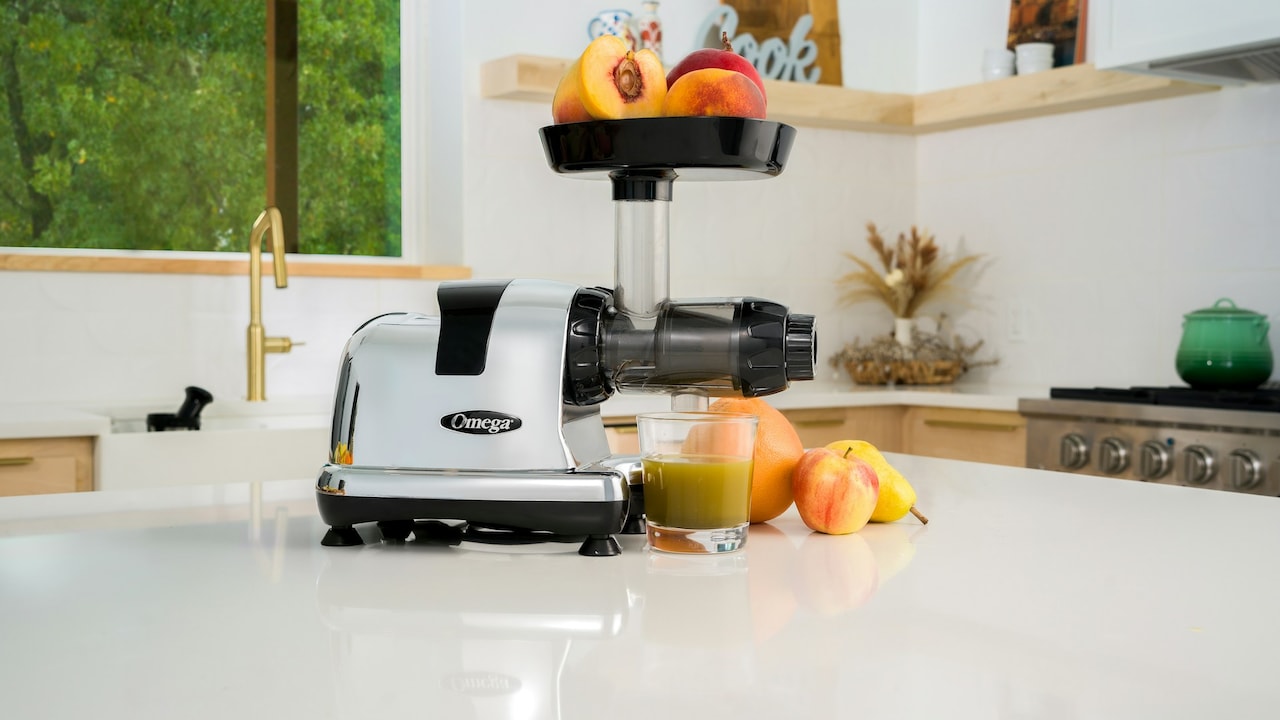
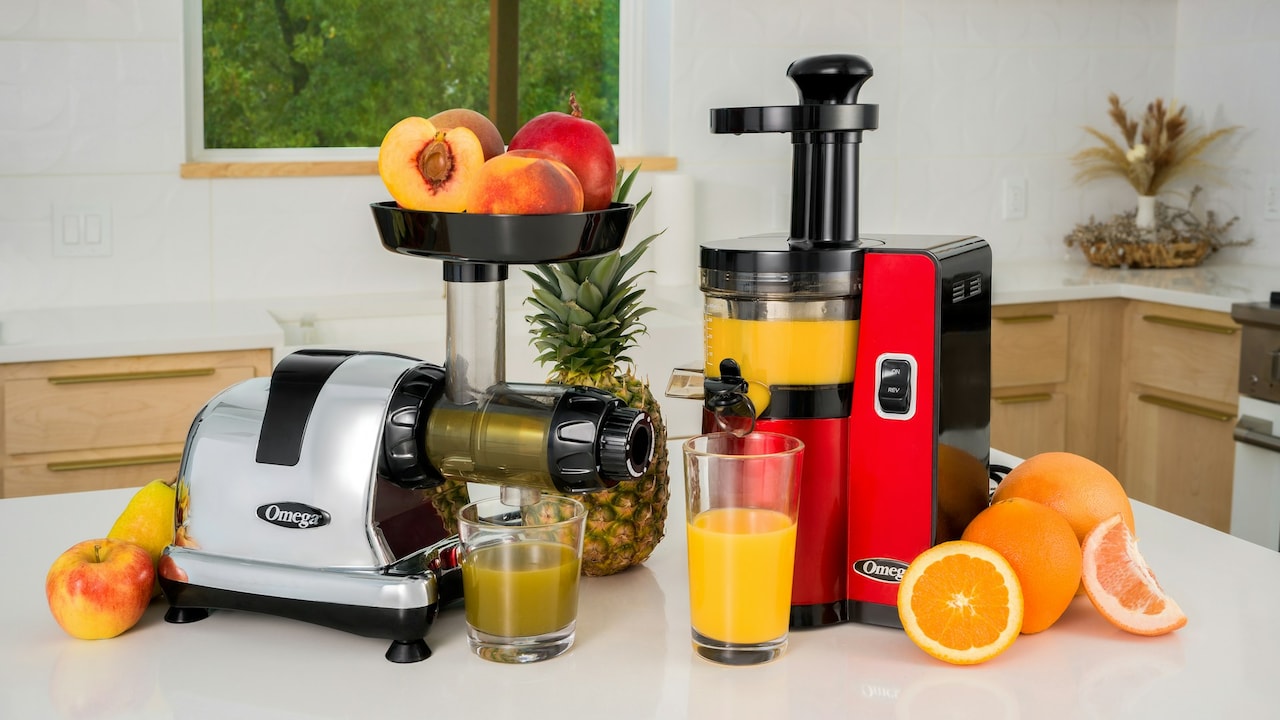
Not all juicers treat fruit the same way, and that difference shows up clearly in the pulp. Centrifugal juicers spin at high speed, shredding fruit quickly but often leaving behind damp pulp. They suit busy mornings but may not extract every drop. Cold-press or masticating juicers work slowly, crushing fruit with care, which leads to drier pulp and richer juice.
The slower method might seem tedious at first glance, but it often proves more efficient in the long run. Think of it as cooking on a low flame instead of rushing through a meal. The result tends to be deeper in flavour and more satisfying. For those who regularly juice leafy greens or fibrous fruits like pineapple, the slower machines truly shine.
Choosing between these types depends on routine. A rushed weekday might favour speed, but a relaxed weekend breakfast may call for something more thorough. The key lies in balancing convenience with extraction quality, ensuring that pulp does not carry away half the goodness.
Check The Dryness Of The Pulp
A simple test reveals more than any advertisement, how dry is the pulp after juicing? Dry pulp signals efficient extraction, while soggy pulp hints at wasted juice. Many overlook this detail while focusing on brand names or flashy features.
When evaluating options, it helps to imagine the leftover pulp in hand. Does it feel crumbly or still moist enough to squeeze? That difference translates directly into how much juice actually reaches the glass. Over time, this adds up. Saving even 10% more juice per fruit batch can stretch grocery budgets noticeably.
This aspect also ties into sustainability. Less waste means fewer trips to the market and a more mindful approach to consumption. For households trying to balance health and expenses, a juicer that produces dry pulp becomes less of a luxury and more of a sensible investment.
Pay Attention To Motor Power
Motor power often gets overlooked, yet it plays a crucial role in pulp extraction. A weak motor struggles with tougher fruits and vegetables, leading to uneven processing and wasted juice. Strong motors, on the other hand, handle everything from carrots to beetroots without slowing down.
However, more power does not always mean better results. Excessively powerful centrifugal juicers may heat up the juice, slightly affecting taste and nutrients. The aim should be balance, enough strength to process efficiently without compromising quality.
In everyday use, a reliable motor feels like a silent partner in the kitchen. It handles the load without complaint, allowing the focus to remain on the experience rather than the machine. Investing in a well-powered juicer often prevents the annoyance of half-processed pulp and repeated runs, which can otherwise turn a simple task into a messy affair.
Look For Adjustable Speed Settings
Different fruits demand different approaches. Soft fruits like papaya or watermelon need gentle handling, while harder ones like apples require more force. A juicer with adjustable speed settings offers this flexibility, ensuring optimal extraction for each ingredient.
Without speed control, softer fruits may turn mushy and clog the system, while harder fruits might not release all their juice. This imbalance leads to inconsistent results and unnecessary waste. Adjustable speeds act like a tailor-made solution, adapting to each fruit's personality.
In practical terms, this feature reduces frustration. No more stopping mid-process to clear blockages or re-run pulp. The juicer becomes more intuitive, responding to needs rather than forcing a fixed method. Over time, this adaptability makes the entire juicing routine smoother and more enjoyable.
Consider The Feeding Chute Size
A wide feeding chute may seem like a minor convenience, but it plays a surprisingly important role. Larger chutes allow whole or bigger pieces of fruit to go in without extensive chopping. This not only saves time but also reduces exposure to air, helping preserve freshness.
Smaller chutes demand more preparation, which can feel tedious on busy mornings. There is also a subtle impact on waste. Pre-cut fruit may lose some juice during handling, and smaller pieces can sometimes get stuck or processed unevenly.
Choosing a juicer with a generous feeding chute simplifies the process. It turns juicing into a quicker, less fussy activity. When the effort required drops, consistency improves. And when juicing becomes a habit rather than an occasional chore, the value of a good machine becomes even clearer.

Choose a juicer with a generous feeding chute that simplifies the process; Photo Credit: Unsplash
Evaluate Ease Of Cleaning
A juicer that wastes less pulp but demands half an hour of cleaning rarely survives long in a kitchen. Ease of cleaning matters just as much as extraction efficiency. Machines with too many small parts or awkward corners often trap pulp, making the process frustrating.
Simple designs with detachable, dishwasher-friendly components tend to win in the long run. Even a quick rinse should remove most residue. When cleaning feels manageable, the machine gets used more often, which justifies the investment.
There is also a practical angle. Leftover pulp stuck in crevices can spoil quickly, affecting hygiene and taste. A clean machine ensures every glass tastes fresh and pure. In daily life, convenience often decides whether a habit sticks or fades away. A user-friendly juicer quietly encourages consistency without demanding extra effort.
Focus On Build Quality And Material
The build of a juicer influences both durability and performance. Sturdy materials like stainless steel and high-grade plastic ensure the machine withstands regular use without wear and tear. Flimsy builds often lead to leaks, misalignment, and inefficient juicing.
A well-built juicer feels solid, almost reassuring. It does not rattle excessively or struggle under pressure. This stability contributes to better extraction, as all components work in harmony. Over time, it also prevents the need for frequent repairs or replacements.
Given that quality juicers can range from ₹5,000 to ₹25,000, durability becomes a significant factor. Spending a little more up front often saves money in the long run. A reliable machine becomes part of the daily rhythm, quietly doing its job without demanding constant attention.
Assess Noise Levels
Noise might not seem directly linked to pulp waste, but it influences how often a juicer gets used. Loud machines can feel intrusive, especially in early mornings or shared living spaces. When the sound resembles construction work, enthusiasm quickly fades.
Quieter juicers, particularly slow masticating ones, create a more pleasant experience. They allow conversations to continue, music to play, and mornings to remain calm. This subtle comfort encourages regular use.
Regular use, in turn, ensures fruits are consumed efficiently before spoiling. Less spoilage means less waste overall. In a way, a quieter machine supports better habits, which indirectly reduces waste. It is a reminder that small details often shape everyday behaviour more than expected.
Look For Pulp Control Features
Some juicers offer adjustable pulp control, allowing users to decide how much pulp remains in the juice. While this may sound like a preference feature, it also impacts efficiency. Proper pulp separation ensures maximum juice extraction while maintaining desired texture.
Machines with good pulp control often include fine and coarse filters. These help extract more liquid while keeping the pulp manageable. Poor filtration, on the other hand, can leave juice trapped in the pulp, leading to waste.
Having control over pulp also enhances the overall experience. Some mornings may call for a smoother drink, while others might benefit from a thicker, fibre-rich glass. This flexibility adds a personal touch, making the juicer feel less like a machine and more like a kitchen companion.
Consider Long-Term Value Over Price
Price often becomes the deciding factor, but focusing only on the initial cost can be misleading. A cheaper juicer that wastes pulp and breaks down quickly may end up costing more over time. Investing in a reliable machine often pays off through better efficiency and durability.
When fruit prices fluctuate, extracting maximum juice becomes even more important. A high-quality juicer ensures every orange, apple, or carrot delivers full value. Over months, the savings can offset the higher upfront cost.
Beyond finances, there is also the matter of satisfaction. A good juicer transforms the act of juicing into something enjoyable rather than frustrating. It becomes part of a routine that feels rewarding. In the end, value lies not just in money saved, but in the experience gained.
Products Related To This Article
1. Ninja Blast Portable Cordless Blender (BC151INEM)
2. Rico Cold Press Juicer with Ice Cream Maker
3. Havells Hexo Punch 900W Juicer Mixer Grinder with 2 Jars
4. Sujata Powermatic Plus Juicer Mixer Grinder
5. Kuvings B1700 Dark Silver Cold Press Juicer for Home
Choosing the right juicer is less about chasing trends and more about understanding everyday needs. A machine that extracts maximum juice, handles different fruits with ease, and stays simple to clean can quietly elevate daily routines. It reduces waste, saves money, and adds a touch of freshness to each day.
In kitchens where every rupee and every minute counts, efficiency matters. A thoughtful choice ensures that fruits deliver their full potential, rather than ending up half-used in the bin. Over time, this small decision shapes healthier habits and a more mindful approach to consumption.
A good juicer does more than make juice. It turns ordinary mornings into something a little brighter, one glass at a time.
(Disclaimer: This article may include references to or features of products and services made available through affiliate marketing campaigns. NDTV Convergence Limited (“NDTV”) strives to maintain editorial independence while participating in such campaigns. NDTV does not assume responsibility for the performance or claims of any featured products or services.)