Why Microwave Food Heats Unevenly And How Placement Affects Results
Microwave meals heat unevenly because energy, moisture, shape and placement affect how heat spreads. Learn why cold spots form and how smarter positioning, stirring and resting can deliver more evenly heated food every time, without dry edges.
Microwave Hot And Cold Spots Explained: Placement Tips That Work
Few kitchen experiences feel as confusing as reheating a plate of food in a microwave. The dal bubbles at the edges, the rice stays cool in the centre, and one innocent-looking piece of paneer seems hot enough to power a small railway engine. The usual reaction is to blame the microwave. Sometimes the appliance may need attention, but uneven heating often comes from the way microwave energy behaves inside the oven. Unlike a gas flame or hot tawa, a microwave does not simply warm food from the outside in. It sends electromagnetic waves into the cooking chamber. These waves interact mainly with water molecules and other electrically charged particles within the food, producing heat. However, the energy does not reach every part of the plate equally. Waves bounce off the metal walls, overlap, cancel one another and form areas of stronger or weaker heating. The food itself adds another layer of complexity. A thick rajma gravy behaves differently from dry rotis, and a mound of pulao heats differently from rice spread across a wide plate.
Why Microwave Food Heats Unevenly And How Placement Affects Results
Photo Credit: Pexels
Placement matters more than many people realise. A bowl positioned slightly away from the centre may warm better than one placed directly in the middle. The type of container, the arrangement of food and even a short resting period can transform the result. Here are ten reasons microwave food heats unevenly, along with practical ways to improve every reheating session.
How Microwave Heating Works And Why Placement Matters
Microwave Waves Create Hot And Cold Spots
Microwave ovens heat food using electromagnetic waves produced by a component called a magnetron. These waves travel through the cooking chamber and bounce off its metal walls. As they cross and overlap, they create a shifting pattern of high-energy and low-energy areas.
Food placed in a high-energy area heats quickly. Food sitting in a low-energy area may remain cool, even when both portions share the same plate. This explains why one corner of a sandwich can feel piping hot while another tastes as though it has just left the refrigerator.
The turntable helps by moving food through different energy zones. Yet rotation does not guarantee perfectly even heating. A large bowl may extend across several zones at once, while a small cup may repeatedly pass through the same pattern.
Moving food away from the exact centre often improves results. The outer section of the turntable travels through a wider path, exposing the dish to more energy variations. Placing a bowl slightly off-centre can therefore heat its contents more evenly than leaving it in the middle like a VIP guest at a wedding.
The Centre Of The Turntable Moves Less
The middle of a rotating microwave plate barely changes position. Although the turntable spins, its centre remains almost stationary. A cup or bowl placed there may stay within the same weak-energy zone for much of the heating cycle.
By contrast, food placed nearer the outer edge travels in a larger circle. It passes through several hot and cold spots, which helps balance the overall heating. This does not mean pushing the dish against the microwave wall. A little distance from the edge allows safe rotation and keeps the container stable.
The difference becomes clear when heating a mug of milk or a small bowl of curry. Positioning it in the centre may produce a hot surface and a cooler base. Moving it a few centimetres towards the edge often gives better results.
For two similar bowls, avoid stacking them mentally into a neat central arrangement. Place them opposite each other near the outer part of the turntable. Halfway through heating, swap their positions. It may feel like a tiny kitchen dance, but it gives both bowls a fairer share of the microwave's energetic neighbourhood.
Food Thickness Changes Heating Speed
A flat layer of food usually heats more evenly than a deep mound. Microwave energy can penetrate food, but only to a limited depth. The outer portions absorb energy first, while the centre depends partly on heat travelling inward from the warmer areas.
Consider a bowl filled with leftover pulao. If the rice sits in a dense heap, the outer grains may become dry and hot before the centre loses its chill. Spreading the same rice across a broad microwave-safe plate reduces the distance heat must travel.
Thickness also matters with dishes such as lasagne, dhokla, halwa and stuffed parathas. Thick pieces develop larger temperature differences between the surface and the middle. Cutting them into smaller portions or arranging them in a single layer can help.
When reheating a dense meal, shape the food into a ring with a small gap in the centre. The outer edge of the turntable often receives stronger exposure, while the empty middle prevents a stubborn cold patch from forming. It may look slightly unusual, but warm food matters more than presentation during a hurried lunch break.
Moisture Levels Affect Microwave Heating
Microwave energy interacts strongly with water molecules. Foods containing plenty of moisture, such as soups, gravies and vegetables, often absorb energy readily. Drier foods heat differently and may lose more moisture before their centres become warm.
A plate containing rice, dal and a dry sabzi can therefore heat at three different speeds. The dal may begin bubbling while the sabzi remains lukewarm. Meanwhile, the rice may turn firm around the edges because steam escapes too quickly.
Adding a small splash of water can help dry foods reheat more evenly. Sprinkle a little over rice, poha, noodles or upma before covering the dish. The added moisture creates steam, which spreads heat and softens the food.
Covering also reduces moisture loss. Use a microwave-safe lid with a vent, or place another suitable plate loosely over the food. Never seal the container completely, as pressure must escape.
A damp paper towel can work for rotis, bread rolls or idlis. It protects the surface from drying out and helps warmth spread gently. The result feels closer to freshly served food and less like something rescued from a forgotten lunchbox.
Dense Ingredients Heat More Slowly
Density has a major effect on microwave performance. Thick, compact foods usually take longer to heat than light or porous foods. A soft bread roll may warm quickly, while a dense piece of meat or a tightly packed potato filling stays cold inside.
Mixed dishes make this contrast more obvious. In a bowl of vegetable curry, the gravy may become very hot before large pieces of potato or carrot warm through. In a plate of biryani, the rice may steam while a thick piece of chicken remains cooler near the bone.
Cutting dense ingredients into smaller, similar-sized pieces improves consistency. Large chunks create cold centres and force the surrounding food to endure extra heating. Smaller pieces allow energy and transferred heat to reach the middle sooner.
Arrange dense items near the outer edge of the plate, where they often receive greater exposure during rotation. Place lighter or already-soft ingredients nearer the centre. This simple arrangement helps different components finish heating at roughly the same time.
Microwave reheating works best when food is treated less like one united dish and more like a group of ingredients with very different personalities.
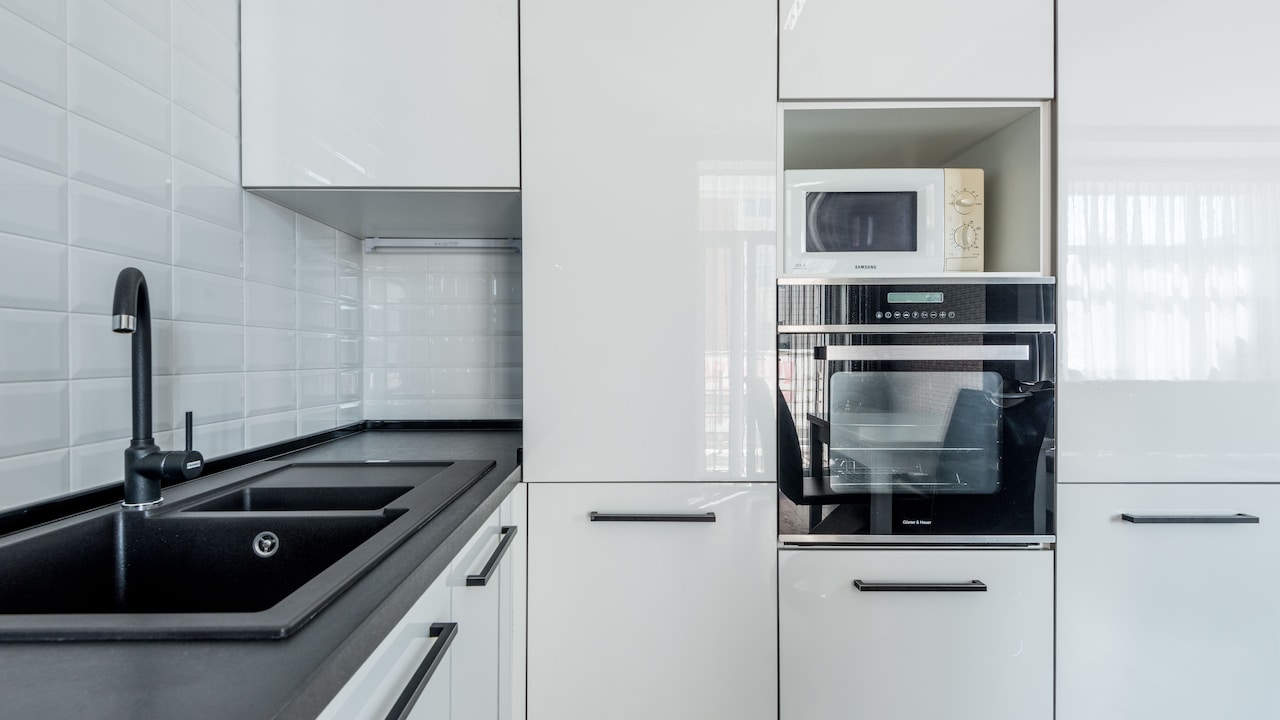
Why Microwave Food Heats Unevenly And How Placement Affects Results
Photo Credit: Pexels
Shape Influences Energy Distribution
The shape of the food and container affects how microwave energy is absorbed. Sharp corners and thin edges tend to heat faster than thick, rounded centres. This is why the corner of a square portion may dry out while the middle stays cool.
Round or oval containers usually support more even heating than square ones. They have fewer corners where energy can concentrate. For curries, rice dishes and leftovers, a wide, shallow, round bowl often performs better than a deep rectangular box.
Food shape matters too. A thick mound creates a cold centre, while an even layer allows energy to spread more consistently. When reheating mashed potato, khichdi or pasta, smooth the surface and keep the depth similar across the dish.
For foods with irregular shapes, place the thicker sections towards the outside of the turntable and the thinner sections towards the middle. A stuffed roll, for example, should not sit with its narrow end facing the strongest heating area.
Good microwave placement resembles arranging people for a family photograph. The bigger ones need careful positioning, the smaller ones fit easily, and somebody always ends up warmer than expected.
Stirring Redistributes Heat
Stirring remains one of the most effective ways to fix uneven microwave heating. It moves hotter food into cooler areas and allows trapped steam to spread through the dish. Without stirring, a bowl may contain several different temperatures at once.
Liquids and semi-liquid foods benefit greatly from this step. Dal, soup, curry, porridge and custard can look calm on the surface while hiding extremely hot pockets underneath. Stirring halfway through heating breaks up these pockets and reduces the risk of sudden splashes.
For solid foods, turning or rearranging serves the same purpose. Flip cutlets, rotate sandwiches and swap the positions of idlis or kebabs. If several pieces are arranged in a circle, move the outer pieces inward and the inner pieces outward.
Microwave heating should happen in short intervals rather than one long blast. Heat for a minute, stir or turn the food, then continue as needed. This method gives more control and prevents the edges from becoming tough.
Yes, opening the door halfway feels like extra work. Yet it takes only seconds and saves the disappointment of biting into a cold centre surrounded by lava-hot gravy.
Container Material Makes A Difference
Microwave-safe glass and ceramic containers generally allow microwave energy to pass through and reach the food. Some plastics also work, but only when clearly labelled microwave-safe. Unsuitable containers may warp, release unwanted substances or become dangerously hot.
The thickness and shape of the container also influence heating. A heavy ceramic bowl may absorb and retain more heat than a thin glass plate. Deep containers encourage temperature differences, while shallow ones help food warm more evenly.
Metal should not be used unless the microwave manufacturer specifically allows a particular accessory. Metal reflects microwave energy and may cause sparks or damage. Foil-lined takeaway boxes and containers with metallic decoration are especially risky.
Even a safe container can become hot because heat transfers from the food. Always use a cloth or oven glove when removing it.
For everyday reheating, choose a broad container with low sides. Spread the food evenly and leave a little space around the edge. The right dish does not perform miracles, but it gives microwave energy a much better chance of reaching dinner without creating a battlefield of hot corners and cold centres.
Standing Time Completes The Heating
Food continues to heat after the microwave stops. This process, known as carryover cooking, happens because heat moves from hotter areas into cooler ones. A short resting period allows temperatures to become more balanced.
Many people remove food immediately, touch the surface and assume it is ready. Yet the centre may still be cold. Giving the dish one or two minutes to stand can make a noticeable difference, especially with thick foods such as stuffed parathas, rice dishes, baked snacks and meat.
Keep the food loosely covered during this period. The trapped steam helps distribute warmth while preventing the surface from drying out. After resting, stir the food again and check the centre.
Standing time also improves safety. Harmful microorganisms can survive in cold spots if leftovers are not reheated thoroughly. Food should feel steaming hot throughout, not merely warm around the edges.
Patience may seem unreasonable when hunger has already started composing dramatic speeches. Still, a short pause often does more for even heating than another aggressive minute at full power. Resting allows the heat already created to finish its journey.
Lower Power Can Produce Better Results
Full power heats quickly, but speed does not always lead to better results. High power can overheat the outside of dense food before warmth reaches the centre. Lower power settings create pauses in energy delivery, allowing heat to move inward more gradually.
This approach works well for thick curries, frozen meals, stuffed breads, desserts and large portions. Instead of heating for three minutes at full power, try a longer cycle at medium power. Stir or turn the food halfway through.
Defrosting also requires patience. High power may cook the edges while the centre remains frozen. The defrost setting uses reduced power to soften food more evenly. Separate pieces as soon as they loosen, then rearrange them before continuing.
Lower power is also useful for milk, chocolate, butter and delicate sauces. These foods can scorch, split or boil over when heated too aggressively.
Think of microwave power like traffic on a busy city road. Racing forward and braking suddenly creates chaos. A steadier pace gives everything time to move smoothly. The meal may take an extra minute, but the reward is better texture and fewer unpleasant surprises.
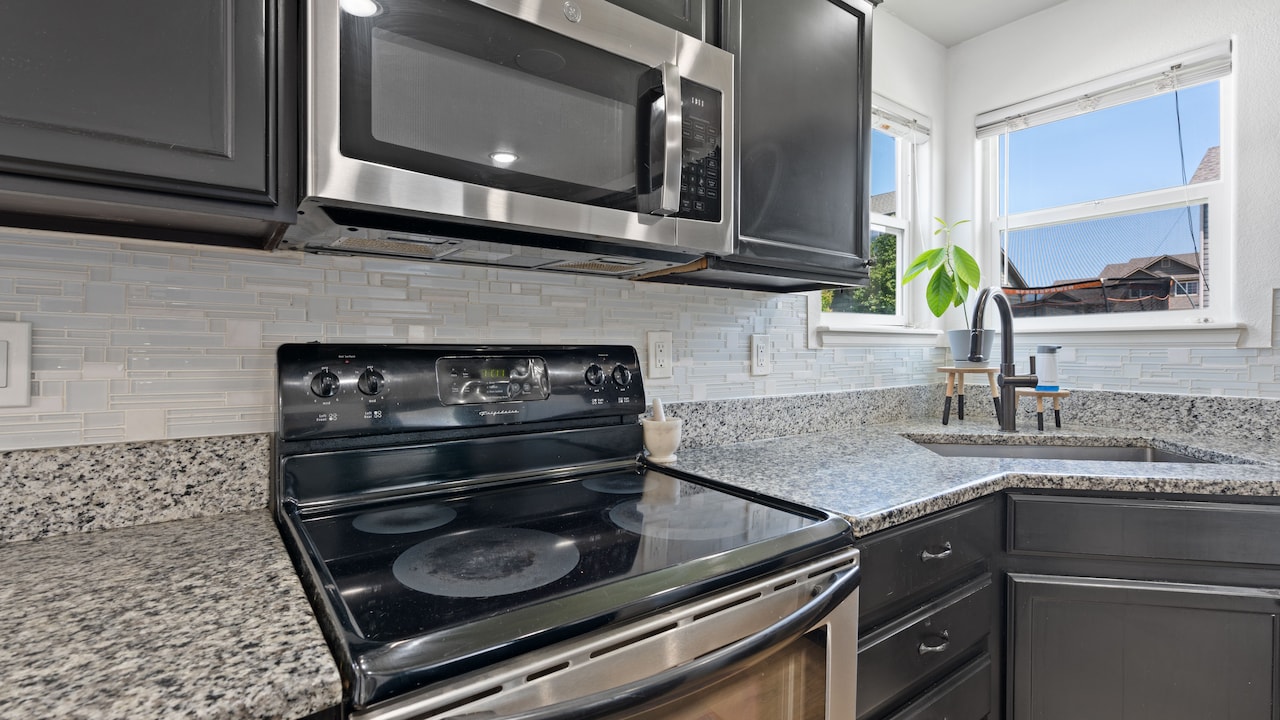
Why Microwave Food Heats Unevenly And How Placement Affects Results
Photo Credit: Pexels
Products Related To This Article
1. Panasonic 20 L Solo Microwave Oven
2. Midea 20L Solo Microwave Oven
3. IFB 24L Solo Microwave Oven with 69 Auto Cook Menus
4. Godrej 20 L 5 Years Comprehensive Warranty Multi Distribution System
5. Panasonic 20L Solo Microwave Oven
6. LG 20 L Solo Microwave Oven (MS2043BP, Black
7. Samsung 21 L, Convection Microwave Oven
Uneven microwave heating is not random. It comes from the way microwave waves move, the limited depth at which energy penetrates food and the differences in moisture, density, thickness and shape. Placement can either worsen these problems or help solve them.
Keeping food slightly away from the centre of the turntable increases its movement through different energy zones. Using a wide, shallow container reduces cold centres. Spreading food evenly, arranging thicker pieces near the outside and adding moisture to dry dishes all improve the result.
Stirring, turning and rearranging remain essential, particularly for mixed meals. Short heating intervals offer greater control than one long burst. Lower power settings give dense foods time to warm through, while a brief standing period allows heat to settle into cooler areas.
These habits require little effort. No costly gadget or dramatic kitchen experiment is necessary. A spoon, a suitable container and a thoughtful choice of placement can make a remarkable difference.
The next time yesterday's curry comes out bubbling at the edges and cold in the middle, the microwave need not face a character assassination. Move the bowl, spread the food, reduce the power and stir halfway through. A few small changes can turn reheating from a daily gamble into a reliable kitchen routine.
(Disclaimer: This article may include references to or features of products and services made available through affiliate marketing campaigns. NDTV Convergence Limited (“NDTV”) strives to maintain editorial independence while participating in such campaigns. NDTV does not assume responsibility for the performance or claims of any featured products or services.)