Epilator Snapping Hair Instead Of Pulling It Out? 10 Fixes For Smoother Results
Is your epilator snapping hair instead of pulling it from the root? Discover 10 practical fixes to reduce breakage, improve grip and achieve smoother, longer-lasting results with less irritation.
Why Your Epilator Breaks Hair And How To Fix It For Smoother Skin
Few beauty mishaps feel as irritating as spending twenty minutes with an epilator, only to discover rough patches the next morning. The device buzzed, the hairs disappeared, and everything looked promising under bathroom lighting. Then comes the unwelcome surprise: tiny stubbles that suggest the hair snapped instead of coming out from the root. This problem does not always mean the epilator has reached retirement age. In many cases, small habits affect how effectively the tweezers grip each strand. Moving too quickly, pressing too firmly or epilating hair at the wrong length can turn a reliable grooming session into a frustrating game of catch-and-release.

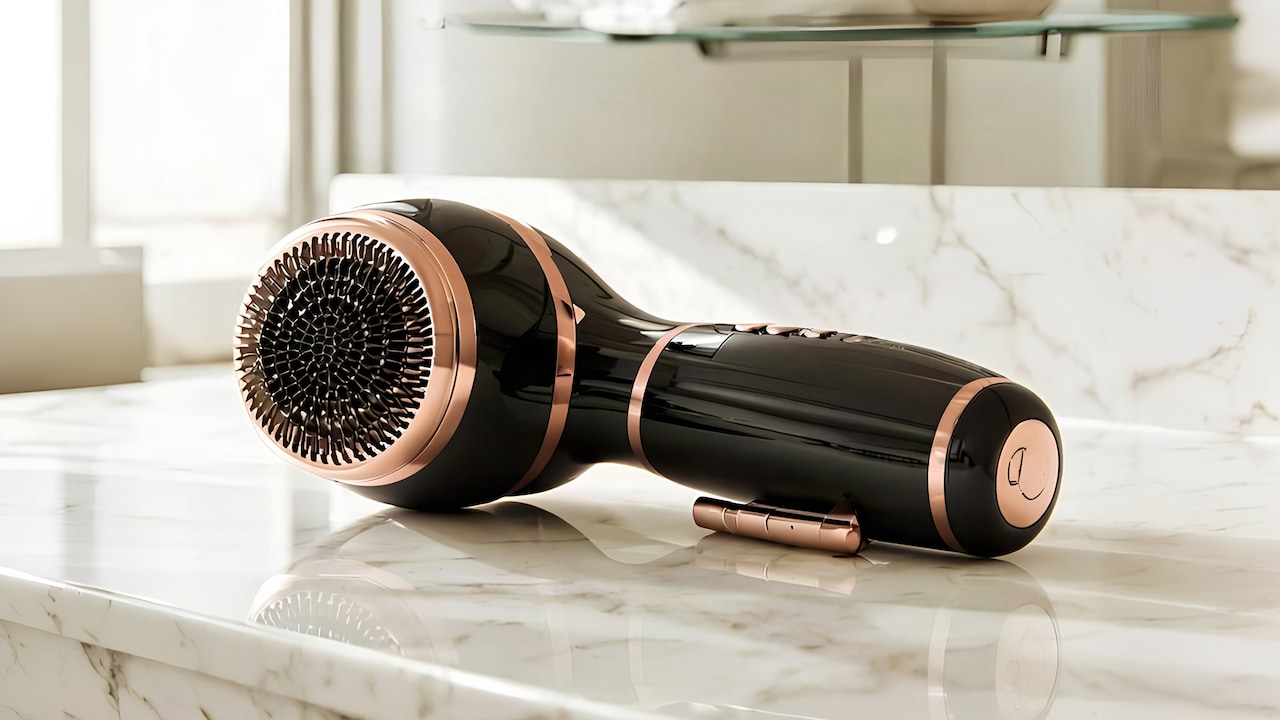
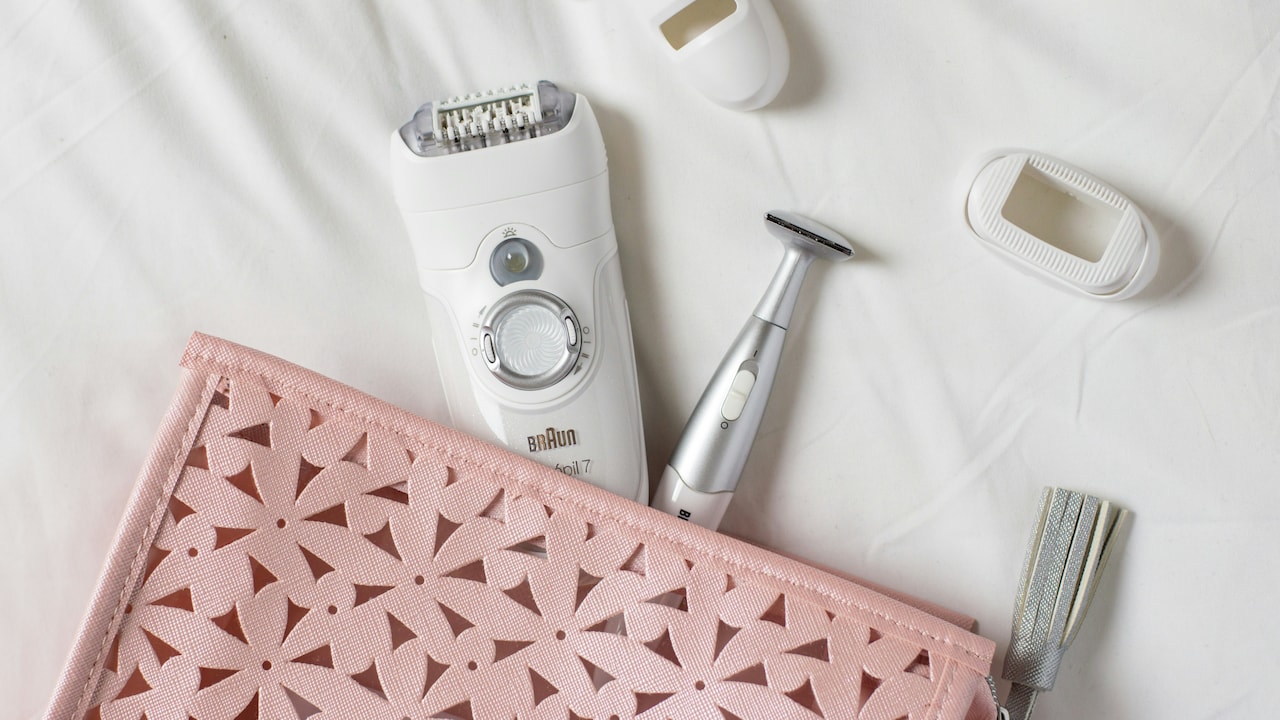
Why Your Epilator Breaks Hair And How To Fix It For Smoother Skin; Photo Credit: Pexels
Skin condition matters too. Oil, moisture, dead skin and even the angle at which hair grows can influence the result. Fortunately, a few thoughtful adjustments can make a noticeable difference. Before blaming the machine or ordering a replacement, try these ten fixes for cleaner removal, fewer broken hairs and a finish that actually feels worth the effort.
How To Stop Your Epilator From Snapping Hair
1. Let The Hair Reach The Right Length
Hair length plays a bigger role in epilation than many people realise. When the hair sits too close to the skin, the tweezers may struggle to grip it properly. They can catch the tip, tug briefly and snap the strand instead of pulling it from the root. Hair that has grown too long creates another problem. Longer strands bend, twist and break more easily as the epilator passes over them.
Most epilators work best when hair measures roughly two to five millimetres. That usually means allowing a few days of growth after shaving, though the exact timing varies from person to person. The hair should feel visible and slightly rough without becoming long enough to lie flat against the skin.
When growth looks uneven, trimming longer sections first can help. Use a body trimmer or the trimming attachment supplied with the epilator. Avoid cutting the hair too short in a burst of enthusiasm. Think of it like preparing coriander for a chutney: too much chopping can ruin the texture. A consistent, moderate length gives the tweezers the best chance of catching each strand firmly and removing it cleanly.
Also Read: Top 5 Epilators For Smooth And Long-Lasting Hair Removal Under ₹1000
2. Exfoliate Before The Epilation Session
Dead skin cells often sit around the base of the hair and make it harder for an epilator to reach the strand properly. Some hairs may also grow sideways or curl beneath the surface. When the tweezers catch only the exposed portion, the hair can snap and leave the root behind.
Gentle exfoliation helps lift trapped hairs and clears away the dry layer that blocks the device. Use a mild body scrub, exfoliating glove or soft washcloth a day before epilating. Giving the skin several hours to settle reduces the chance of combining exfoliation-related sensitivity with the pulling action of the epilator.
Avoid aggressive scrubbing immediately before the session. Red, irritated skin will not cooperate, no matter how determined the person holding the device may feel. Harsh rubbing can also create tiny abrasions that sting during epilation.
Regular exfoliation once or twice a week works better than a dramatic scrub performed only when the epilator comes out. Pay extra attention to areas such as the knees, ankles and bikini line, where hairs often grow in unpredictable directions. Smooth, clear skin gives the tweezers easier access and reduces both breakage and ingrown hairs.
3. Keep The Skin Clean And Completely Dry
Body lotion, sweat, natural oils and bath products can coat the hair, making it slippery. An epilator then struggles to hold the strand firmly enough to pull it from the follicle. Instead, the tweezers may slide along the hair or catch it halfway, causing breakage.
Before dry epilation, wash the area with a gentle cleanser and remove every trace of moisturiser, oil or deodorant. Pat the skin thoroughly with a clean towel. Even slight dampness can affect grip, especially with fine hair. A small amount of plain, fragrance-free body powder can help absorb leftover moisture, though too much may clog the epilator head.
Those using a wet-and-dry model should follow the manufacturer's guidance. Wet epilation can feel more comfortable, but water sometimes softens hair and makes fine strands harder to catch. If snapping happens repeatedly in the shower, test the device on clean, dry skin instead.
Avoid applying lotion immediately before epilation, even when the skin feels dry. Save moisturiser for afterwards. The epilator needs a clean working surface, not the beauty equivalent of a slippery monsoon road. Better grip usually means fewer passes, less irritation and more hair removed from the root.
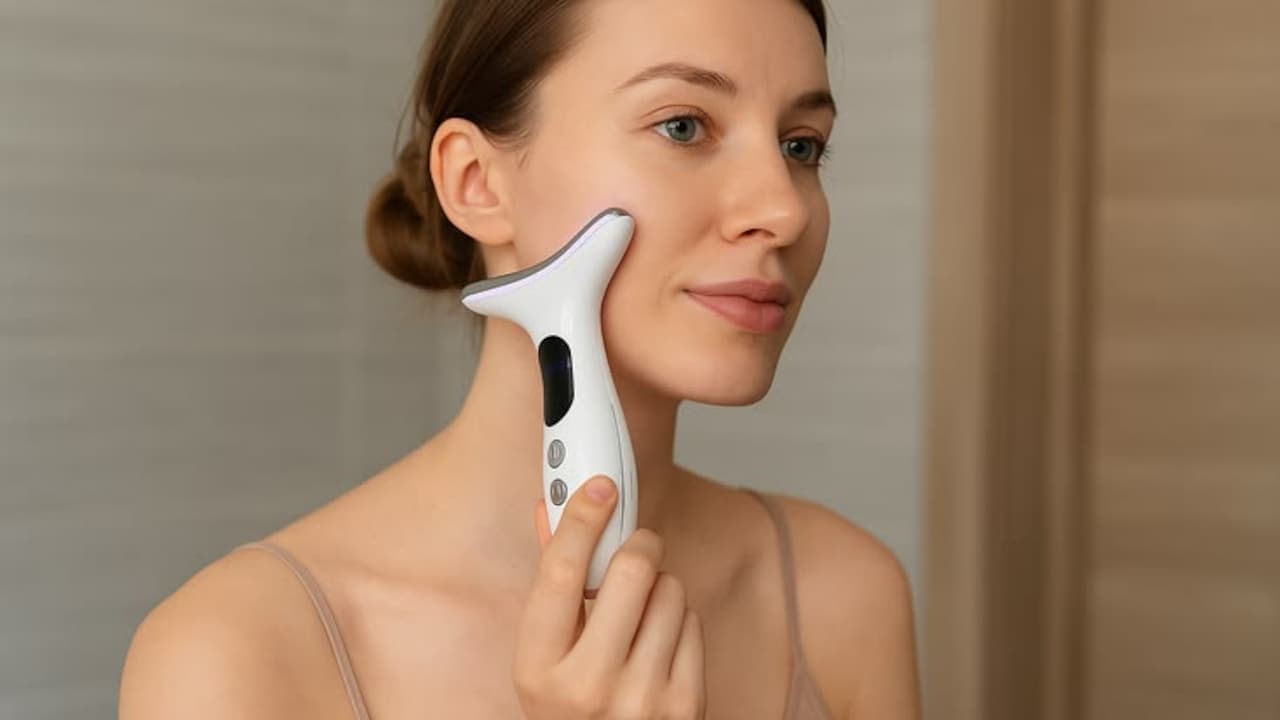
Why Your Epilator Breaks Hair And How To Fix It For Smoother Skin; Photo Credit: Pexels
4. Hold The Epilator At The Correct Angle
An epilator held at an awkward angle may skim over the surface rather than lifting and removing hair. Most models work best when held at approximately ninety degrees to the skin. The head should sit flat enough for the tweezers to make proper contact, without the device leaning too far forwards or backwards.
The correct angle can feel unfamiliar at first, especially around curved areas. Knees, underarms and ankles rarely offer the convenience of a flat practice board. Work slowly and adjust the wrist as the body's shape changes. Keeping the epilator head aligned with the skin improves contact and helps the tweezers catch hair closer to the root.
Avoid digging the device into the skin. Strong pressure does not create a deeper pull. It can flatten the hairs, reduce the tweezers' ability to grip them and increase redness. A light, steady touch works better.
Check the instruction manual for model-specific advice, as some heads pivot or require a slightly different position. Practising on an easier area, such as the lower leg, can help develop the right wrist angle before tackling trickier spots. Once the position feels natural, the device usually glides more evenly and snaps fewer hairs.
5. Move Slowly Against The Direction Of Growth
Speed may help during a rushed morning, but it rarely improves epilation. Moving the device too quickly gives the tweezers little time to grip each hair. They may catch strands loosely, pull at the surface and break them before the root releases.
Guide the epilator slowly against the direction of hair growth. On the lower legs, this often means moving upwards. However, hair does not always follow one neat pattern. Around the knees, thighs, underarms and bikini line, strands may grow sideways, diagonally or in small swirls. Run a hand over the skin to identify the direction of growth, then adjust the movement accordingly.
Use short, controlled strokes rather than sweeping rapidly across a large area. A pace of roughly two to three centimetres per second gives the tweezers more opportunity to catch and remove each strand. Repeatedly racing over the same patch may create heat and irritation without improving the result.
Slow epilation can feel tedious, particularly when a television serial reaches its dramatic peak in the next room. Still, careful movement usually saves time overall. Fewer hairs break, fewer patches need another pass, and the smoothness lasts longer than it would after a hurried session.
6. Stretch The Skin Gently
Loose or folded skin prevents the epilator head from making even contact. Hair can lie flat, escape the tweezers or get caught at an angle that encourages snapping. Stretching the skin creates a firmer surface and helps individual hairs stand upright.
Use one hand to pull the skin gently while guiding the epilator with the other. The skin should feel taut, not painfully stretched. This technique works especially well around the underarms, knees, bikini line and upper thighs. These areas contain curves and soft tissue that can move beneath the device.
Stretching also reduces the chance of the epilator pinching the skin. Anyone who has experienced that sharp little nip knows how quickly confidence can vanish. A stable surface allows the device to move smoothly and keeps the tweezers focused on hair rather than skin.
For underarms, raising the arm high and reaching behind the head can flatten the area. Around the knee, bend or straighten the leg depending on which position tightens the section being treated. Change position whenever the skin begins to bunch.
Good tension supports cleaner removal, but avoid pulling aggressively. Overstretching can increase sensitivity and make the session uncomfortable. Gentle control produces better results than brute force.
7. Use The Right Speed Setting
Many epilators offer more than one speed, yet the highest setting often becomes the automatic choice. Faster must mean better, right? Not always. High speed can work well on coarse, established hair, but it may snap fine or fragile strands before the follicle releases them.
Start with the lower setting, particularly on sensitive areas or when dealing with short, thin hair. A slower rotation gives the tweezers more time to grip each strand securely. It may also make the process feel less intense for beginners.
The higher setting can suit larger areas such as the lower legs, especially when the hair feels thick and strong. Test both speeds on small sections and compare the skin afterwards. Look for broken stubble, redness and missed patches rather than judging only by how quickly the visible hair disappears.
Some areas may need different settings during the same session. Legs might respond well to higher speed, while the underarms behave better at a gentler pace. There is no prize for finishing in record time.
A setting that balances grip and comfort will produce the smoothest result. Treat the speed control as a useful tool rather than a decorative switch. Small adjustments can turn an uneven session into a much cleaner one.
Why Your Epilator Breaks Hair And How To Fix It For Smoother Skin; Photo Credit: Pexels
8. Clean The Epilator Head Thoroughly
Hair fragments, dead skin and product residue can collect between the tweezers. Once the head becomes clogged, the mechanism may not open and close properly. Instead of gripping each strand firmly, it can pinch weakly and cause breakage.
Switch off and unplug the device before cleaning it. Remove the head if the model allows it, then use the supplied brush to clear trapped hair. Brush from several directions because fine strands often hide between the discs. Wash removable waterproof parts only when the instructions confirm that water is safe.
Allow every component to dry completely before reassembly. Moisture left inside the head can affect performance and hygiene. Avoid using sharp pins or metal tools to pull out debris, as they may bend the tweezers or damage the mechanism.
A quick clean after every session prevents heavy build-up. A deeper clean once in a while keeps the epilator running smoothly, particularly when it serves several body areas. Check for cracked attachments, misaligned discs or worn parts while cleaning.
A neglected epilator head resembles a mixer grinder packed with yesterday's masala: technically functional, but hardly at its best. Regular maintenance protects the motor, improves grip and helps the device remove hair rather than merely chopping it.
9. Replace Worn Or Damaged Parts
Epilator tweezers lose efficiency over time. Repeated use, accidental drops and poor storage can weaken alignment or damage the moving discs. A motor may still buzz confidently while the head struggles to grip hair. This creates the illusion that the device works normally, even though results keep getting rougher.
Inspect the epilator head under bright light. Look for bent tweezers, uneven gaps, cracks or sections that no longer rotate smoothly. Listen for unusual rattling, grinding or changes in speed. If cleaning does not improve performance, the head may need replacement.
Some brands sell replacement caps or epilation heads separately. Buying a compatible part often costs less than replacing the whole device. Use the exact model number when searching, as attachments that look similar may not fit correctly.
Battery health matters as well. A weak rechargeable battery can reduce power, causing the tweezers to slow down under pressure. Charge the device fully before use and notice whether the speed drops during the session. For corded models, check the cable and connection.
When the epilator has served faithfully for many years, and replacement parts remain unavailable, upgrading may make sense. No technique can fully compensate for worn hardware that no longer grips properly.
10. Follow A Consistent Epilation Routine
Irregular epilation often produces mixed hair lengths because each strand follows its own growth cycle. Some hairs may be ready for removal, while others sit too short for the tweezers to catch. Waiting too long can also leave a mixture of strong, long strands and fresh growth, increasing the chance of snapping.
A consistent routine gradually brings more hairs into a manageable length range. Many people find that epilating every two to four weeks works well, though growth speed varies. Small touch-up sessions between full treatments can catch new hairs before they become long and difficult to manage.
Avoid repeatedly epilating the same patch on consecutive days. The skin needs time to recover, and constant passes can cause redness, bumps or inflammation. When a few hairs remain, use clean tweezers or leave them until the next session rather than chasing perfection.
Note how the skin and hair respond after each treatment. A simple pattern may emerge: perhaps the legs perform best after three weeks, while the underarms need shorter intervals. Build the routine around those observations.
Consistency also improves technique. The correct angle, pressure and pace soon become familiar. Epilation may never feel as relaxing as a head massage, but it can become quicker, smoother and far less dramatic.
Products Related To This Article
1. BOMBAE Face & Eyebrow Epilator
2. BELENZO Mini Facial Hair Remover For Upper Lips, Chin & Cheeks
3. Womenhood Mini Face Shaver & Eyebrow Rechargeable Hair Remover Epilator
4. TRENDZIE SKIN CARE Painless Eyebrow Epilator
5. Braun Silk-epil 3-000 Epilator with 20 Tweezers & Massage Rollers
6. WINSTON Women Rechargeable 2-in-1 Body Epilator & Shaver with Smooth Glide Technology
7. Braun Silk Expert Pro 5 PL5147 IPL Permanent Laser Hair Removal Epilator
Hair snapping during epilation usually comes from a combination of timing, technique and maintenance rather than one serious fault. Hair that sits too short, skin coated with moisture or an epilator moved too quickly can all leave behind rough stubble. Even a perfectly good device may struggle when the head contains trapped debris or the skin has not been exfoliated.
Better results begin with simple preparation. Let the hair reach a workable length, cleanse the area and keep the surface dry. Hold the epilator correctly, move slowly against growth and stretch the skin where necessary. Match the speed setting to the hair type, clean the head after use and replace worn parts before they compromise performance.
Most importantly, allow time for practice. Epilation involves a small learning curve, particularly on curved or sensitive areas. Each session reveals what works best for different parts of the body. With a steady routine and a little patience, the device can stop behaving like an expensive electric razor and start doing its actual job: removing hair from the root and leaving skin smoother for longer.
(Disclaimer: This article may include references to or features of products and services made available through affiliate marketing campaigns. NDTV Convergence Limited (“NDTV”) strives to maintain editorial independence while participating in such campaigns. NDTV does not assume responsibility for the performance or claims of any featured products or services.)