Non-Stick Pan Myths Debunked: The Real Reasons Coatings Fail And How To Stop It
Non-stick pans don’t fail overnight. Everyday habits like high heat, metal utensils, and poor cleaning quietly destroy the coating. This is what really causes damage, and how to make your pan last much longer.
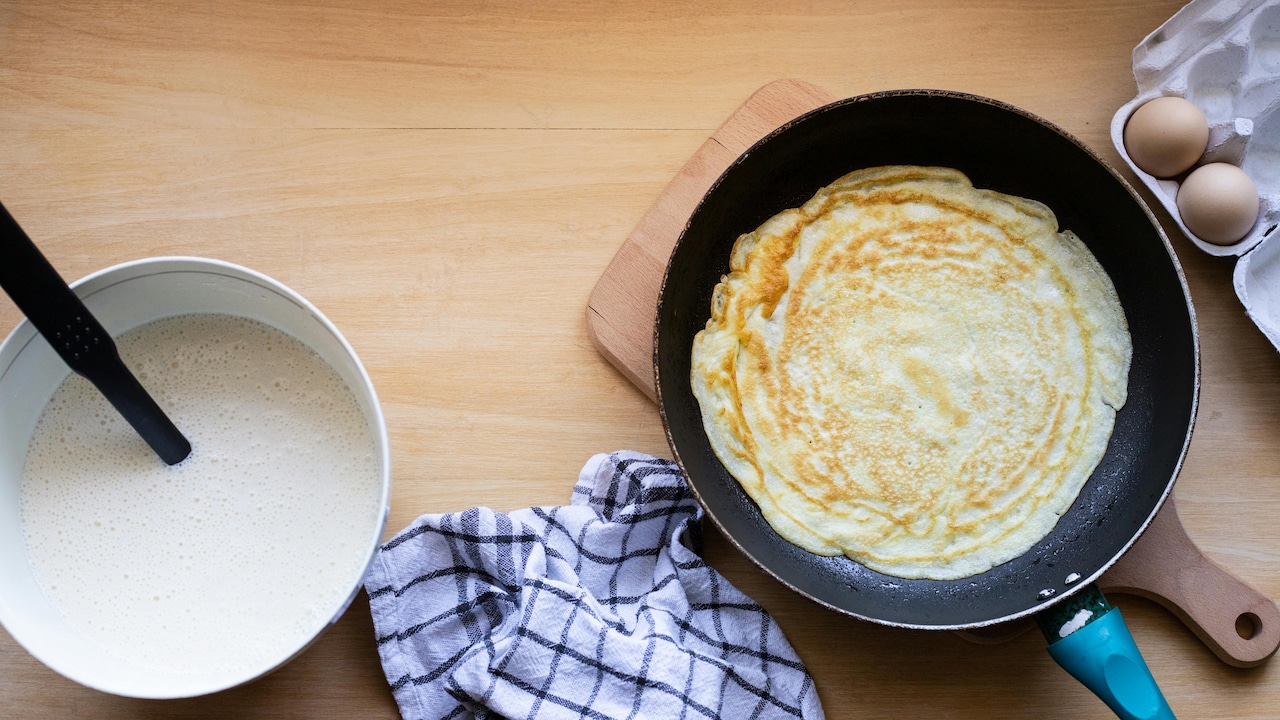
Non-Stick Pan Care Guide: Common Mistakes That Ruin The Coating And How To Avoid Them.
Few kitchen tools spark as much love and frustration as the non-stick pan. One day, it glides through dosas like a dream. Six months later, it clings to scrambled eggs as if holding a grudge. Many households spend anywhere between ₹800 and ₹3,000 on a decent pan, only to replace it far sooner than expected. The blame often lands on “poor quality” or “cheap coating”. Yet in many cases, everyday habits quietly shorten its life.
Non-stick cookware suits fast breakfasts, low-oil dinners, and quick stir-fries. It saves time, cuts down on scrubbing, and keeps meals lighter. However, it also demands a little respect. High flames, metal ladles, and rough cleaning can turn a smooth surface into a patchy battlefield.
Plenty of myths surround these pans. Some people believe soap destroys them. Others swear that oil “cures” them forever. A few assume that once food sticks, the pan has reached its destiny. None of these beliefs tells the full story. It is time to separate kitchen gossip from practical truth and understand why coatings fail and how to stop it.
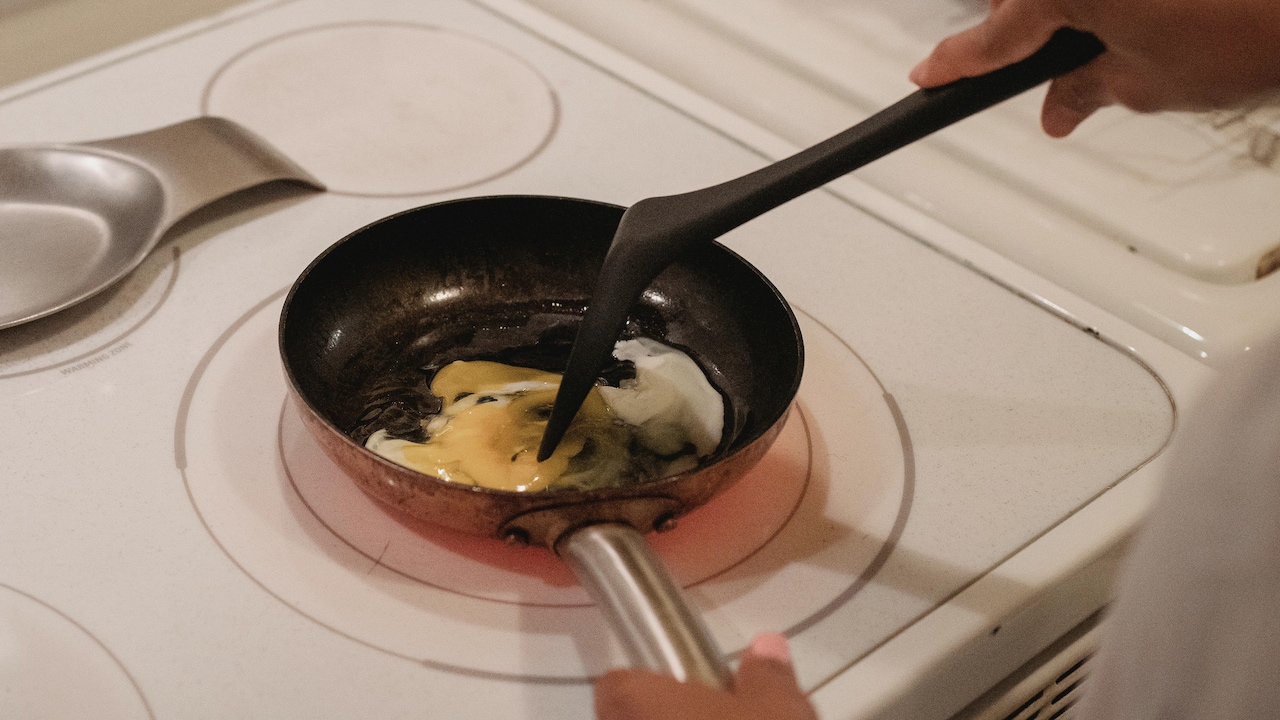
Why Non-Stick Pans Fail: Myths Debunked And Tips To Make Them Last Longer; Photo Credit: Pexels
Why Your Non-Stick Pan Fails Sooner Than It Should
Myth 1: Non-Stick Pans Are Indestructible
Many buyers treat non-stick pans as though they come with invisible armour. Advertisements show flawless surfaces and effortless cooking, which creates the illusion of toughness. In reality, non-stick coatings remain delicate by design. They rely on a thin, engineered layer that reduces friction. That layer cannot handle brute force.
Frequent scraping with metal spoons, stacking heavy kadais on top, or cutting parathas directly inside the pan slowly damages the surface. Tiny scratches may look harmless at first. Over time, those scratches expand. Food starts to cling to those rough spots, and heat distributes unevenly.
The key lies in mindful handling. Use wooden or silicone utensils. Avoid stacking without a soft cloth between pans. Lift food out instead of slicing inside the pan. These small changes protect the coating far more effectively than any expensive “extra durable” label. A non-stick pan serves well, but it rewards gentleness, not aggression.
Myth 2: High Heat Speeds Up Cooking And Causes No Harm
In many kitchens, the flame often runs at full blast. The logic seems simple: higher heat means faster cooking. Unfortunately, non-stick coatings dislike extreme temperatures. Excessive heat breaks down the surface and reduces its slick quality.
Many coatings perform best on low to medium heat. Yet cooks often place an empty pan on high flame while chopping onions or grinding masala. That empty pan heats rapidly and can cross safe temperature limits within minutes. Even if the surface does not visibly peel, its performance declines.
Cooking a dosa or omelette rarely requires roaring heat. Moderate flame distributes warmth evenly and protects the coating. Adding oil or ingredients soon after placing the pan on the stove also prevents overheating. A little patience with temperature control extends the life of the pan far more than any branded warranty.
Also Read: How To Pick A Non-Stick Pan Without The Fake Coating: Top 10 Tips And 8 Picks
Myth 3: Soap Ruins The Non-Stick Coating
An old belief claims that washing non-stick pans with soap strips away their coating. This myth often leads to greasy, half-cleaned cookware. In truth, mild dishwashing liquid does not damage a quality non-stick surface. Harsh scrubbing does.
Grease and food residue left behind after cooking can carbonise during the next use. That burnt layer sticks to the surface and gives the impression that the coating has failed. Proper cleaning prevents that cycle.
Use a soft sponge and gentle liquid soap. Avoid steel wool and abrasive scrubbers. Warm water helps loosen stubborn bits without force. After washing, dry the pan with a cloth instead of leaving it to dry for hours.
Cleanliness preserves performance. Soap acts as a friend, not an enemy, when used correctly. The real villain hides in rough handling and neglect.
Myth 4: More Oil Protects The Surface
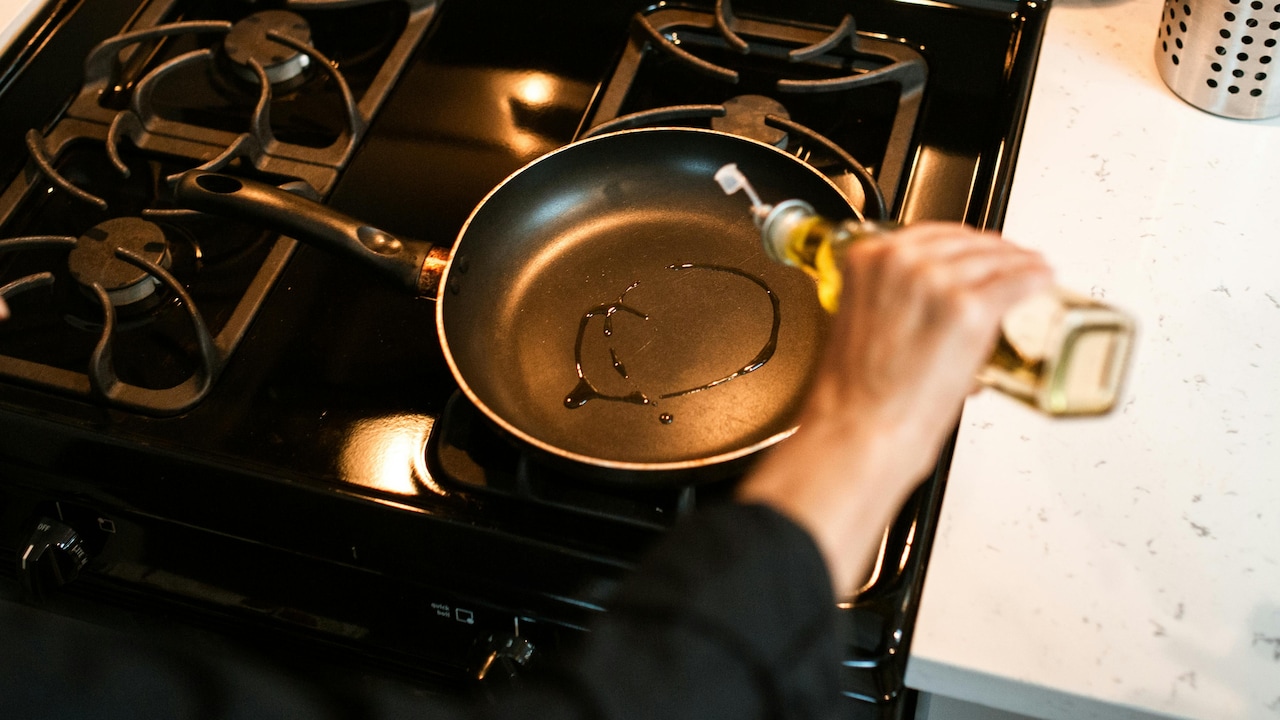
Some believe that pouring extra oil into a non-stick pan creates a protective shield. While a small amount of oil enhances flavour and heat distribution, excessive oil does not repair or protect damaged coating.
In fact, heavy oil use can leave a sticky film on the surface. Over time, that residue builds up and forms a dull layer. Food then starts to cling, and the pan appears worn out. Many mistake this residue for coating damage.
A teaspoon of oil often suffices for most dishes. Spread it evenly before adding ingredients. After cooking, wash off any oily film properly. The coating already contains its non-stick properties. It does not require oil as armour. Thoughtful cooking habits work far better than drowning the pan in fat.
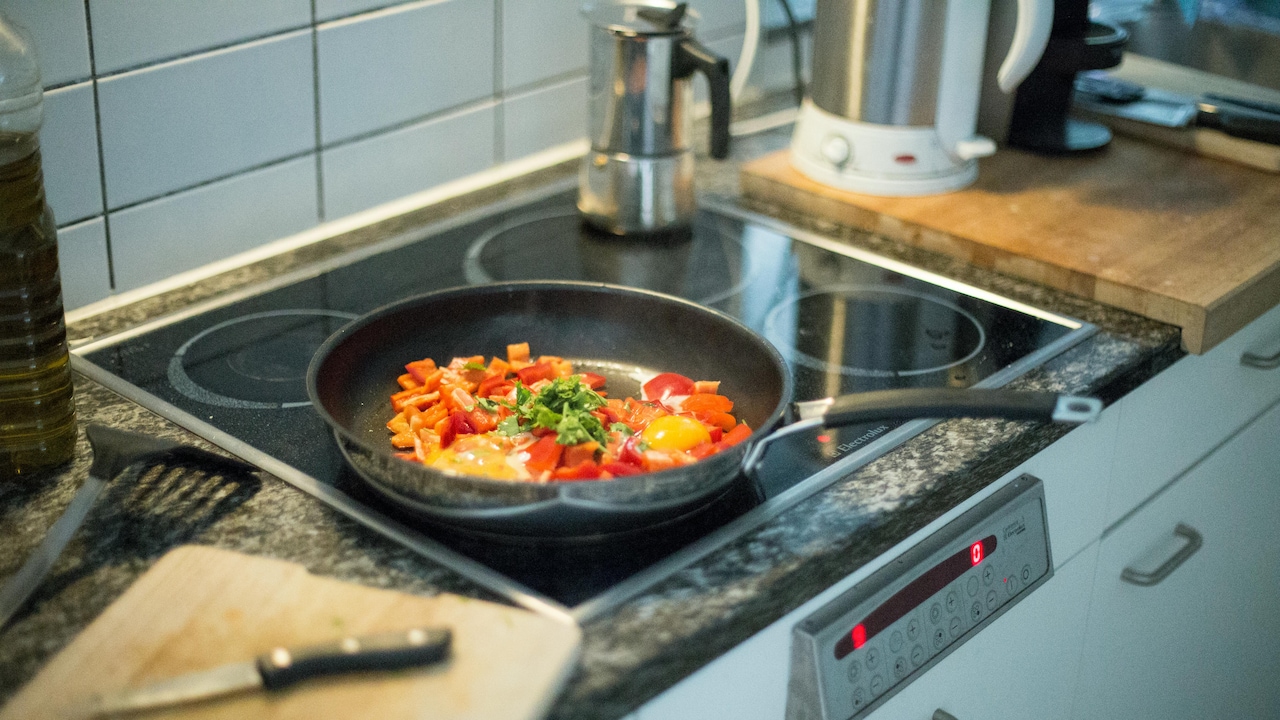
Why Non-Stick Pans Fail: Myths Debunked And Tips To Make Them Last Longer; Photo Credit: Pexels
Myth 5: Non-Stick Pans Do Not Need Seasoning Or Care
Although traditional cast iron requires seasoning, many assume non-stick pans require none. While they do not demand the same oil-baking ritual, they still benefit from basic care routines.
Before first use, washing the pan and lightly greasing it with a small amount of oil can help stabilise the surface. Occasional light oiling after cleaning also maintains smoothness, especially if the pan sees frequent use.
Avoid drastic temperature changes. Do not place a hot pan directly under cold water. Sudden shifts can warp the base and stress the coating. Let it cool naturally before washing.
Care does not mean complicated rituals. It means consistent respect. A few thoughtful steps protect both coating and structure, ensuring that the pan performs reliably day after day.
Myth 6: Scratches Mean Immediate Danger
A single scratch often sparks panic. Many assume that any visible mark renders the pan unsafe. Minor surface scratches do not automatically pose health risks, but they do signal wear.
Small scratches affect performance more than safety. Food may start sticking in those areas. However, deep gouges or peeling layers indicate that the coating has deteriorated significantly. At that stage, replacing the pan makes sense.
Prevention remains better than replacement. Avoid sharp utensils and rough stacking. Inspect the surface regularly. If food sticks persistently despite proper cleaning and moderate heat, the coating may have reached the end of its life.
A non-stick pan does not last forever. Yet it does not need to retire at the first sign of a tiny mark. Sensible judgment matters more than fear.
Myth 7: All Non-Stick Coatings Are The Same
Walk through any market, from a local utensil shop to a large home store, and shelves display countless non-stick options. Prices vary widely, and so does quality. Not all coatings share the same durability.
Some pans use multiple reinforced layers. Others rely on a thin, basic coating. Thickness, bonding quality, and base material influence performance. A heavier base distributes heat more evenly and reduces hot spots that stress the coating.
While a ₹900 pan may suit light, occasional use, frequent cooks may benefit from investing ₹2,000 or more in a sturdier option. Price alone does not guarantee quality, but extremely low cost often signals compromise.
Choosing wisely at the start saves frustration later. Examine weight, finish, and brand reputation. A well-made pan combined with good habits forms the strongest defence against early failure.
Why Non-Stick Pans Fail: Myths Debunked And Tips To Make Them Last Longer; Photo Credit: Pexels
Myth 8: Dishwashers Are Always Safe For Non-Stick
Many pans claim “dishwasher safe” on their packaging. While they may survive machine washing, repeated dishwasher cycles can shorten their lifespan. Strong detergents and high temperatures gradually dull the coating.
Hand washing offers greater control and gentleness. A soft sponge and mild soap remove grease effectively without harsh exposure. In busy households, a dishwasher may seem convenient, yet long-term durability may suffer.
If machine washing becomes necessary, avoid high-heat drying cycles. Use mild detergent settings. Even then, hand washing remains the safer option.
Convenience often tempts shortcuts. However, five extra minutes at the sink can add months to a pan's life. Simple care habits protect the coating better than any bold claim on a cardboard box.
Myth 9: Preheating An Empty Pan Is Harmless
Preheating helps with many cooking methods, but non-stick pans require caution. Heating an empty pan on medium or high flame raises the surface temperature quickly. Without oil or ingredients to absorb heat, the coating faces direct stress.
Many cooks switch on the stove and then turn to chopping vegetables. By the time onions hit the pan, it may already have overheated. Repeated exposure to such heat degrades the coating's structure.
Instead, prepare the ingredients first. Then place the pan on a low or medium flame and add oil soon after. This approach moderates temperature rise and protects the surface.
Small timing adjustments make a noticeable difference. Thoughtful sequencing in the kitchen preserves both flavour and cookware.
Myth 10: Once Food Sticks, The Pan Has Failed Forever
A single sticky episode often convinces people that the pan has died. However, sticking can result from residue build-up, excessive heat, or insufficient oil distribution rather than total coating failure.
If food begins to stick, try deep cleaning the pan gently with warm water and mild soap. Remove any invisible grease film. Next, cook on moderate heat and spread a thin layer of oil evenly.
If sticking persists despite these corrections, the coating may indeed have worn out. At that stage, replacement becomes practical. Yet many pans recover performance once users correct everyday habits.
Declaring defeat too soon leads to unnecessary expense. A little troubleshooting often restores the smooth glide that made the pan a favourite in the first place.
Products Related To This Article
1. Tefal Simply Chef 24 cm Fry Pan
2. Prestige Non-Stick Omega Deluxe Granite Fry Pan
3. Ember Cookware Arcilla Ceramic Frying Pan 24cm
4. Westinghouse Granite Series Non-Stick Frying Pan
5. Stahl Artisan Hybrid 2 L, 24 cm Triply Frying Pan with Lid
Non-stick pans do not betray their owners without reason. In most cases, everyday routines quietly chip away at performance. High flames, metal utensils, rushed cleaning, and careless storage all play a part.
Understanding how these coatings work shifts the narrative. They excel at low to medium-heat cooking. They appreciate soft utensils and gentle washing. They dislike overheating and rough treatment. None of these demands feels extreme or complicated.
Kitchen life moves fast. Breakfast rush, evening hunger, and festival feasts create pressure. Yet small mindful habits protect cookware and save money in the long run. Instead of replacing a ₹1,500 pan every few months, a little care can stretch its life comfortably.
Myths fade when practical knowledge steps in. Non-stick pans can remain reliable allies, not short-lived disappointments. Treat them with patience and respect, and they return the favour with effortless flips, easy cleaning, and countless satisfying meals.
(Disclaimer: This article may include references to or features of products and services made available through affiliate marketing campaigns. NDTV Convergence Limited (“NDTV”) strives to maintain editorial independence while participating in such campaigns. NDTV does not assume responsibility for the performance or claims of any featured products or services.)