Surge Protector vs Stabiliser: What Protects Better
Power cuts and voltage swings can damage costly appliances. But what works better, a surge protector or a stabiliser? This guide breaks down the differences to help households choose the right protection.
Surge Protector Vs Stabiliser: Which One Protects Home Appliances Better?
Electricity keeps modern homes humming. From early morning tea brewed in an electric kettle to late-night scrolling on a smartphone, power flows quietly in the background. Yet, behind that steady glow of LED lights, voltage often misbehaves. Sudden spikes during thunderstorms, dips during peak summer evenings, and erratic supply in certain neighbourhoods can quietly damage expensive appliances.
Many households face a familiar question while buying electronics: should extra money go towards a surge protector or a stabiliser? Salespeople often recommend both, sometimes without clarity. The confusion grows when someone hears a neighbour swear by a stabiliser for their ₹45,000 television, while another insists a ₹800 surge protector works just fine.
The difference lies in how each device handles electrical disturbances. One reacts to sudden spikes. The other manages ongoing voltage fluctuations. Both aim to protect appliances, yet they function very differently.
Understanding this distinction can prevent costly repairs and unnecessary spending. After all, replacing a refrigerator compressor or television motherboard rarely comes cheap. Choosing the right protection matters more than ever in homes packed with electronics.
Surge Protector vs Stabiliser: What Protects Better; Photo Credit: Pexels
Where Surge Protectors And Stabilisers Truly Differ
Understanding The Real Threat: Voltage Fluctuations
Before comparing devices, it helps to understand the enemy. Voltage rarely stays perfectly stable. In many cities and towns, supply can swing above or below the ideal 220–240 volts. During peak summer months, when air conditioners roar across entire neighbourhoods, voltage often dips. When power returns after a cut, it may surge unexpectedly.
These fluctuations strain internal circuits. Over time, even small irregularities reduce the lifespan of appliances. A refrigerator compressor forced to operate under low voltage heats up excessively. A television motherboard exposed to sudden spikes can burn out in seconds.
Short, sharp spikes differ from prolonged low voltage. Lightning strikes, faulty wiring or sudden grid changes can send a burst of high voltage through the line. That instant shock damages sensitive electronics instantly.
On the other hand, continuous over-voltage or under-voltage works more subtly. It does not always cause immediate failure, but it steadily weakens components.
Both situations demand protection. Yet, each requires a slightly different solution. That is where surge protectors and stabilisers step in, each designed with a specific mission.
What Exactly Does A Surge Protector Do?
A surge protector acts like a vigilant guard standing at the door. It waits for sudden voltage spikes and diverts excess electricity away from connected devices. Inside, it contains components such as metal oxide varistors that absorb extra voltage when it crosses a safe threshold.
Imagine lightning striking nearby or power returning after an outage. The voltage briefly shoots up. A surge protector instantly redirects that excess energy to the grounding wire. This action prevents the spike from reaching appliances like televisions, gaming consoles or routers.
However, a surge protector does not regulate voltage continuously. It does not increase low voltage or reduce slightly high voltage for extended periods. It reacts only when the voltage crosses a specific limit.
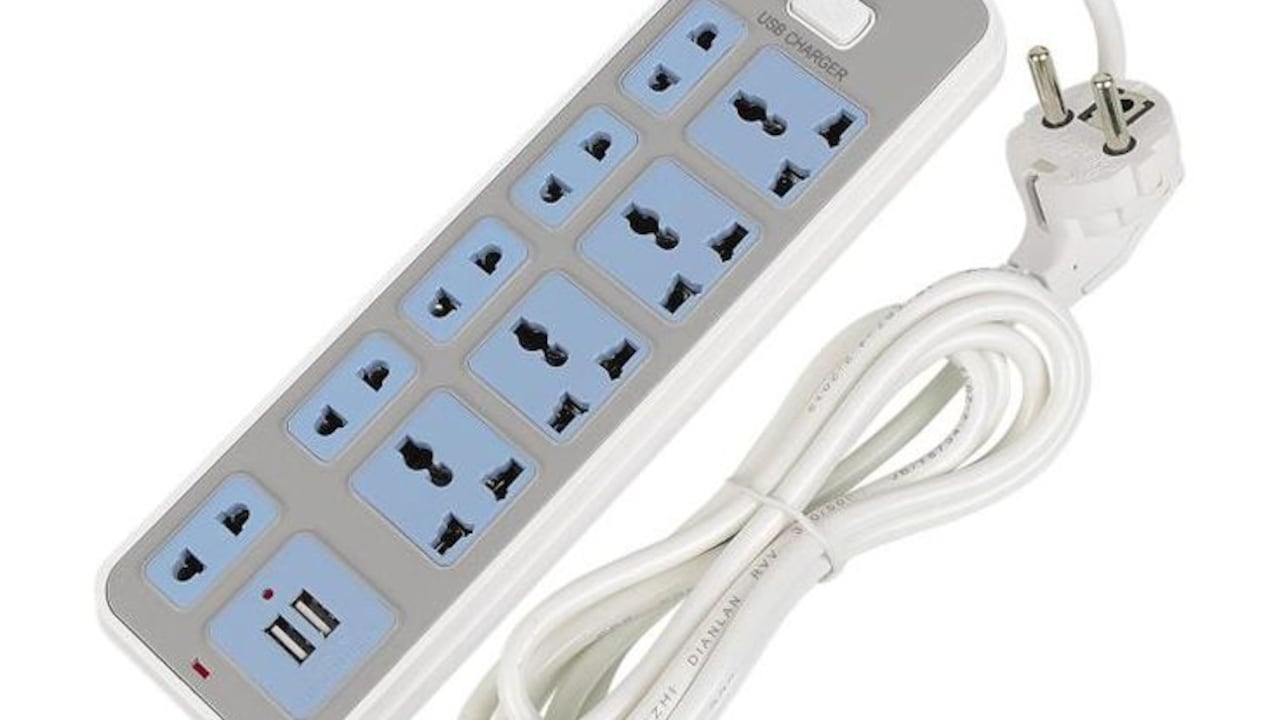
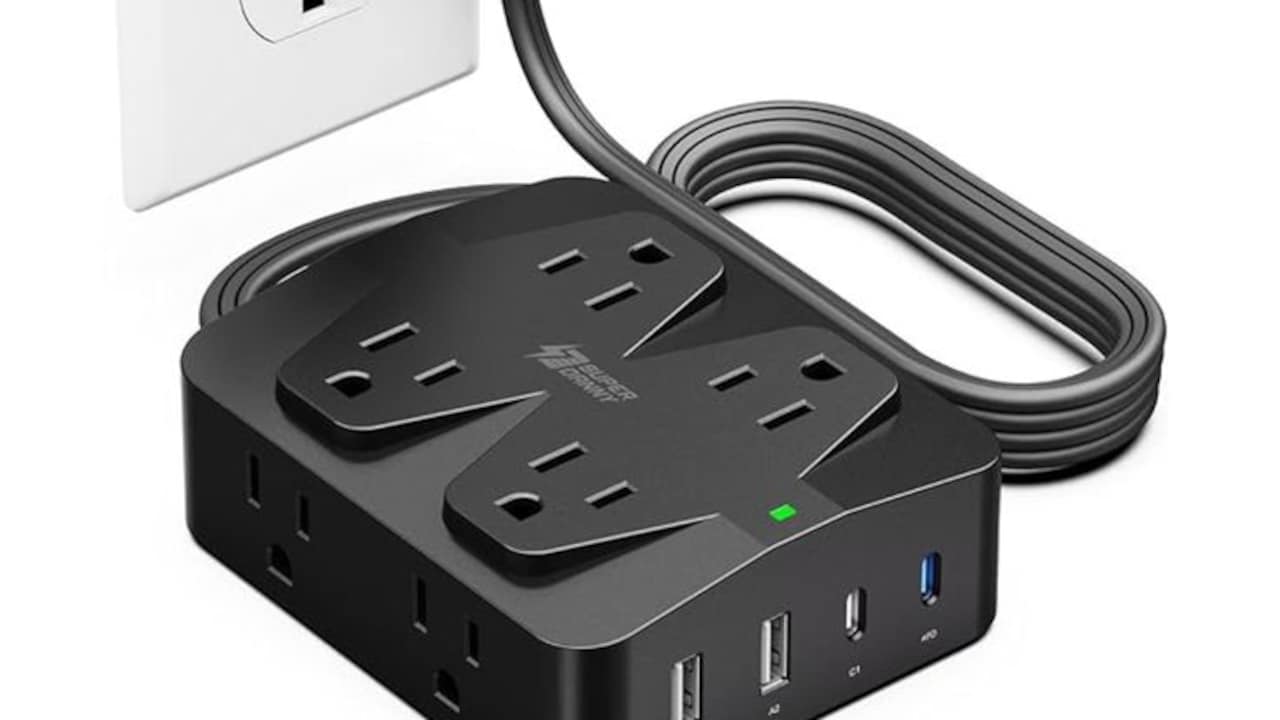
Many surge protectors resemble ordinary power strips. This similarity often misleads buyers. A simple extension board offers no spike protection. Only a certified surge protector provides that safeguard.
For smaller electronics costing ₹10,000 to ₹60,000, a quality surge protector often provides sufficient defence against sudden electrical shocks.
Surge Protector vs Stabiliser: What Protects Better; Photo Credit: Pexels
How Does A Stabiliser Work?
A stabiliser takes a more active role. Instead of waiting for spikes, it constantly monitors incoming voltage. When the voltage drops too low or rises too high, the stabiliser adjusts it to maintain a steady output.
Think of it as a traffic controller managing the flow of electricity. If the voltage dips during peak demand hours, the stabiliser boosts it. If the voltage climbs beyond safe levels, it reduces it before sending power to the appliance.
Stabilisers often use transformers and control circuits to maintain a consistent output. Modern models also include time-delay systems, which prevent appliances from restarting immediately after a power cut. This feature protects compressors in refrigerators and air conditioners.
Homes in areas with frequent fluctuations benefit greatly from stabilisers. Appliances such as refrigerators, air conditioners and washing machines rely on stable voltage for efficient operation.
Without regulation, these appliances struggle. Motors overheat. Performance drops. Energy consumption rises. A stabiliser ensures smooth, long-term operation, especially for appliances costing ₹25,000 and above.
Protection Scope: Sudden Spike Vs Continuous Fluctuation
The key difference lies in the type of threat each device addresses. A surge protector handles sudden, short-lived voltage spikes. A stabiliser manages ongoing fluctuations in supply.
Consider a scenario during the monsoon season. Lightning strikes somewhere nearby. Voltage spikes dramatically for a fraction of a second. A surge protector absorbs that excess energy instantly. Without it, a television motherboard could fail within moments.
Now imagine summer evenings when the voltage drops repeatedly due to heavy load on the grid. Lights flicker. Fans slow down. In such cases, a surge protector remains inactive because voltage does not cross its spike threshold. A stabiliser steps in and adjusts the voltage to safe levels.
In many regions, both issues occur regularly. Sudden spikes damage instantly, while continuous fluctuations cause gradual wear and tear.
Therefore, deciding which protects better depends on the local power conditions. One offers targeted defence against spikes. The other provides ongoing voltage regulation.
Understanding the nature of electricity supply in a specific area guides smarter purchasing decisions.
Appliance Sensitivity And Protection Needs
Not all appliances react the same way to voltage irregularities. A smartphone charger tolerates minor fluctuations without much trouble. A large refrigerator compressor, however, demands steady voltage.
Televisions, especially smart models priced around ₹40,000 or more, contain delicate circuit boards. Even small surges can damage them. Routers, gaming consoles and desktop computers also require spike protection.
Heavy appliances such as air conditioners and refrigerators face a greater risk from prolonged low voltage. Motors strain under insufficient power. This strain increases heat and shortens lifespan.
For high-value electronics, layered protection often makes sense. A stabiliser ensures a consistent voltage supply. A surge protector adds a second line of defence against sudden spikes.
Households often invest heavily in appliances yet overlook protection. Spending ₹2,000 to ₹3,000 on proper safeguards prevents repair bills that easily exceed ₹8,000 or ₹10,000.
Matching protection type to appliance sensitivity ensures better long-term value and peace of mind.
Surge Protector vs Stabiliser: What Protects Better; Photo Credit: Pexels
Cost Comparison And Budget Considerations
Cost often drives purchasing decisions. Surge protectors usually range between ₹600 and ₹2,500, depending on brand and capacity. They remain affordable and easy to install. Plug them into a wall socket, connect devices, and protection begins immediately.
Stabilisers cost more. Basic models for televisions start around ₹2,000. Heavy-duty stabilisers for air conditioners may range from ₹3,000 to ₹7,000. Servo stabilisers for entire homes cost significantly more.
However, cost should align with appliance value. Protecting a ₹50,000 air conditioner with an ₹800 device may not provide adequate safety. Similarly, buying a large stabiliser for a small table lamp makes little sense.
Many modern refrigerators and air conditioners claim to handle voltage fluctuations internally. Yet, extreme conditions still pose risks. Checking manufacturer recommendations helps avoid confusion.
A practical approach considers appliance price, local voltage behaviour and long-term reliability. Spending wisely upfront prevents recurring repair expenses.
Protection should feel like insurance, a modest investment today, major savings tomorrow.
Installation And Maintenance Differences
Surge protectors require minimal effort. Plug them in and connect devices. No technician needed. They suit renters and those who frequently rearrange setups.
However, surge protectors degrade over time. After absorbing multiple spikes, their internal components weaken. Many models include indicator lights to show protection status. Replacing them every few years ensures continued safety.
Stabilisers demand slightly more attention. Larger units require wall mounting and sometimes professional installation. They also consume a small amount of electricity during operation.
Maintenance involves ensuring proper ventilation and occasional servicing for servo models. Dust accumulation and loose wiring reduce efficiency.
Despite this, stabilisers often last longer when maintained properly. They actively regulate voltage, which places them under constant operational load.
Choosing between convenience and comprehensive regulation depends on individual priorities. Those seeking quick, portable solutions lean towards surge protectors. Households prioritising heavy-duty appliances often choose stabilisers.
Space, Design And Aesthetic Impact
Modern homes value clean design. Extra wires and bulky devices disrupt that tidy look.
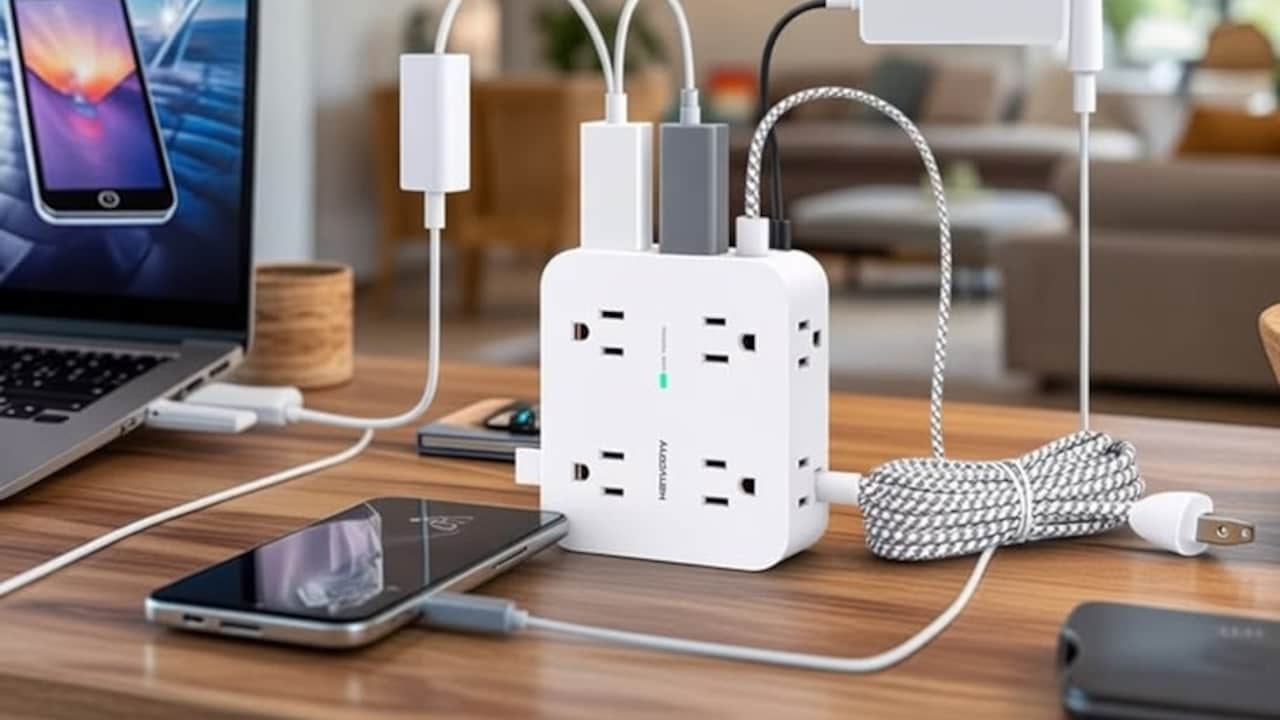
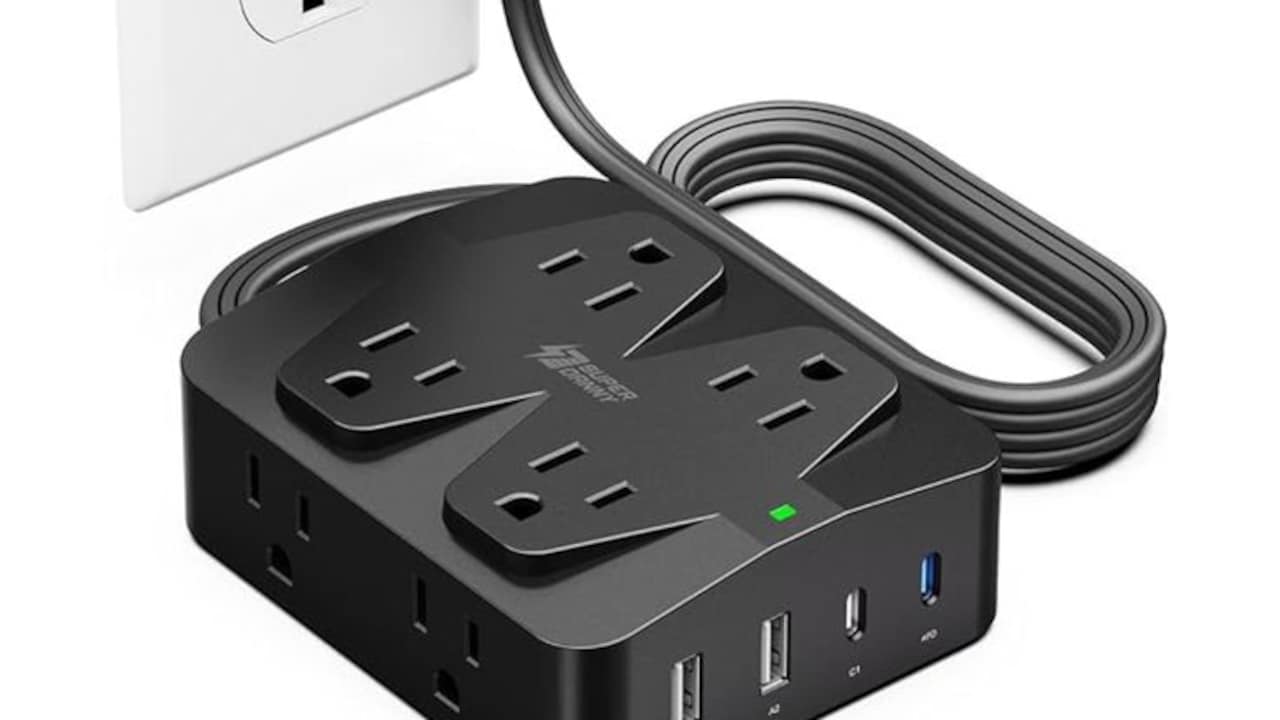
Surge protectors usually appear compact and discreet. Many feature slim designs that blend easily with entertainment units or office desks. Some models include USB ports, adding convenience without clutter.
Stabilisers, especially for air conditioners, are often mounted on walls. Though newer designs appear sleeker, they still occupy visible space. Floor-standing units take up even more room.
In smaller apartments, space considerations influence decisions. A surge protector hides behind a television cabinet effortlessly. A stabiliser demands deliberate placement.
However, practicality outweighs appearance when protecting expensive appliances. A slightly visible stabiliser feels less troubling than a malfunctioning refrigerator during peak summer.
Balancing aesthetics with functionality ensures homes remain both stylish and secure.
Safety Standards And Certification
Electrical safety should never rely on guesswork. Certified surge protectors comply with safety standards and provide clear joule ratings. Higher joule ratings indicate better capacity to absorb energy spikes.
Unbranded, low-cost power strips often claim protection without proper certification. Using such devices creates a false sense of security.
Stabilisers also vary in quality. Reliable models include overload protection, thermal sensors and automatic cut-off features. These additions prevent fire hazards and appliance damage.
Before purchase, checking safety markings and warranty coverage makes sense. Trusted manufacturers often offer longer warranties, reflecting confidence in their product durability.
Cutting corners on safety devices proves risky. Electrical faults can damage property and threaten lives. Investing in certified equipment ensures genuine protection rather than decorative hardware.
Careful selection transforms these devices from optional accessories into essential safety tools.
When To Use Both Together
In many households, the smartest solution involves combining both devices. A stabiliser regulates everyday fluctuations. A surge protector handles sudden spikes that bypass stabilisation limits.
For instance, a premium home theatre setup worth ₹1,20,000 benefits from layered protection. The stabiliser maintains a consistent voltage. The surge protector absorbs unexpected shocks.
Similarly, offices running multiple computers often use central stabilisers along with surge-protected power strips at each workstation.
This dual approach feels especially useful in areas where voltage instability and lightning storms occur frequently.
While using both increases initial cost, the added security proves worthwhile for high-value equipment.
Ultimately, the protection strategy should reflect local power conditions and appliance investment. Thoughtful planning prevents regret later.
Long-Term Reliability And Peace Of Mind
Appliances represent more than metal and wires. They support daily routines. A refrigerator preserves groceries. An air conditioner brings relief during sweltering afternoons. A television gathers families for cricket matches and weekend films.
Voltage instability disrupts that comfort. Repairs often require days of waiting and unexpected expenses.
A stabiliser quietly ensures steady performance over the years. A surge protector shields sensitive electronics from instant destruction.
Choosing wisely creates peace of mind. Instead of worrying about flickering lights or distant thunder, households rest assured that protective measures stand ready.
Electrical protection rarely attracts attention when working properly. Its value becomes clear only during crisis moments.
Investing in the right device transforms uncertainty into confidence, allowing homes to function smoothly without hidden electrical risks.
Products Related To This Article
1. Honeywell 6 Out Surge Protector with Master Switch
2. V-Guard Voltino Max Digi TV Stabilizer
3. GM 3060 Extension Board 10Amp Output 250 Volts with 2 Mtr Extension Cord & Surge Protector
4. Everest ELS 600-N Mini Ultra Stabilizer Upto 43 Inchs TV for LCD
5. Wipro 3 Way Multiplug Adaptor with 1 Universal Sockets
6. V-Guard VG 400 for 1.5 Ton A.C (170V to 270V) Original 3 Year onsite warranty
7. Hoteon Tower Extension Board with Surge Protection
So, surge protector vs stabiliser, which protects better? The honest answer depends on the type of electrical disturbance faced.
A surge protector defends against sudden voltage spikes. It suits televisions, computers, routers, and smaller electronics. A stabiliser regulates continuous voltage fluctuations, making it ideal for refrigerators, air conditioners, and washing machines.
Neither device replaces the other entirely. Each solves a different problem. In areas with frequent fluctuations and occasional spikes, using both provides the most comprehensive protection.
Electricity may remain unpredictable, but preparation need not be. Thoughtful investment in the right protective device ensures appliances last longer, perform better, and avoid costly breakdowns.
In homes where every appliance supports daily life, protection becomes less about gadgets and more about safeguarding comfort, convenience, and hard-earned savings.
(Disclaimer: This article may include references to or features of products and services made available through affiliate marketing campaigns. NDTV Convergence Limited (“NDTV”) strives to maintain editorial independence while participating in such campaigns. NDTV does not assume responsibility for the performance or claims of any featured products or services.)