Refrigerator Cooling Problems: Why Fridge Shelves Have Uneven Temperature
Uneven cooling in refrigerators can spoil food and increase energy use. This article explains why fridge shelves cool differently and highlights common causes like airflow issues, overloading, and poor storage habits.
Refrigerator Cooling Problems: What Causes Uneven Temperature Between Fridge Shelves.
The refrigerator works like a silent guardian in the kitchen. It hums away day and night, protecting groceries, leftovers, and weekend treats. Trouble starts when one shelf freezes vegetables while another struggles to keep curry fresh. Uneven temperature between fridge shelves often sneaks up unnoticed, until sour milk or wilted greens send a clear message.
Many households assume the appliance has reached the end of its life. In reality, small factors usually cause these cooling differences. Everyday habits, weather conditions, and simple design features all play a role. Understanding these causes brings relief and control. Food stays fresher, electricity bills feel lighter, and the fridge stops feeling temperamental.
This article explores the most common reasons behind uneven cooling. Each section focuses on one practical cause, explained with relatable kitchen moments and light humour. No technical jargon, no scare tactics. Just clear explanations that help the fridge work smarter, not harder.
Refrigerator Cooling Problems: Why Fridge Shelves Have Uneven Temperature
Photo Credit: Pexels
Understanding What Disrupts Temperature Balance Inside Your Refrigerator
1. Airflow Patterns Inside the Refrigerator
Cold air does not spread evenly by magic. It follows a path, guided by vents and fans. Most refrigerators release cold air near the top or back. That air sinks as it cools, which explains why some shelves feel colder than others. Blocked airflow disrupts this natural movement.
Large containers, stacked tiffin boxes, or bulky water bottles often block vents. Cold air then pools in one area while other shelves warm up. This situation mirrors a ceiling fan blocked by furniture. The room never cools properly.
Rearranging items improves airflow instantly. Leave small gaps between containers. Avoid pushing food right against the back wall. Let air circulate freely. This simple habit keeps temperatures balanced and food fresher. A well-organised fridge feels calmer too, especially during busy mornings.
2. Overloading the Fridge
A packed fridge feels comforting, especially after a big grocery run. Yet overloading creates cooling chaos. When shelves overflow, cold air struggles to move. Items closer to vents freeze while hidden corners warm up.
During festive seasons, this problem worsens. Extra sweets, gravies, and fruits crowd every inch. The fridge works harder, yet cools unevenly. Food safety suffers, and energy use rises quietly.
A practical rule helps here. Keep the fridge about three-quarters full. This balance allows cold air to circulate while stored items retain chill. Remove expired items regularly. Use smaller containers when possible. A little breathing space inside the fridge brings surprising cooling harmony and fewer food mishaps.
3. Faulty or Dirty Door Seals
The rubber gasket around the fridge door plays a quiet yet vital role. It seals cold air inside. When seals crack, loosen, or collect grime, cold air escapes. Warm air sneaks in, creating uneven temperatures across shelves.
This issue often shows up subtly. The fridge runs longer. Condensation appears. Some shelves feel warmer despite low settings. Dust, oil splashes, and food spills worsen the problem over time.
Cleaning the seals with warm water and mild soap restores grip. Checking for cracks helps catch trouble early. A simple paper test works well. Close the door on a strip of paper. If it slips out easily, the seal needs attention. Healthy seals keep cooling steady and kitchens stress-free.
4. Temperature Settings Gone Wrong
Many fridges suffer from well-meaning adjustments. Turning the dial colder during summer seems logical. Yet extreme settings often cause uneven cooling. Some shelves freeze while others lag behind.
Each refrigerator has a recommended range. Ignoring it disrupts internal balance. Food near cooling sources bears the brunt, while distant shelves struggle. This imbalance leads to icy lettuce and lukewarm desserts.
Set the fridge between three and five degrees Celsius. Allow several hours for changes to settle. Avoid frequent tweaking. Trust the appliance to do its job. Consistent settings create predictable cooling and protect groceries from sudden temperature swings.
5. Frequent Door Opening
The fridge door opens countless times a day. Morning chai, midnight snacks, quick peeks for inspiration. Each opening lets warm air rush in. Cold air escapes, especially from upper shelves.
Busy households feel this impact more. Children searching for treats or guests browsing drinks keep the door open longer than needed. Over time, shelves near the door warm up faster than those at the back.
Mindful habits help. Decide what to take before opening the door. Close it promptly. Teach children simple fridge manners. These small changes stabilise internal temperatures and reduce strain on the compressor. The fridge rewards this care with reliable cooling and quieter operation.
6. Uneven Shelf Placement
Shelf arrangement affects cooling more than expected. Adjustable shelves allow flexibility, yet poor placement disrupts airflow. Placing shelves too close restricts air movement. Large gaps create cold spots.
Heavy glass shelves also retain cold differently. Upper shelves often feel colder due to proximity to vents. Lower shelves warm faster if overcrowded.
Balance works best. Space shelves evenly. Use designated drawers for fruits and vegetables. Avoid stacking items too high. A thoughtfully arranged fridge cools evenly and feels easier to use. Finding ingredients becomes quicker, which adds a small joy to daily cooking routines.
7. Ageing Components and Wear
Like all appliances, refrigerators age. Fans slow down. Sensors lose accuracy. Cooling coils gather dust. These changes affect temperature distribution quietly.
An older fridge may cool well in one area while neglecting another. Strange noises or longer running times often accompany this issue. Ignoring early signs leads to spoiled food and higher electricity use.
Regular maintenance extends appliance life. Cleaning coils once or twice a year helps. Listening for unusual sounds alerts owners early. Sometimes, a simple repair restores balance. Treating the fridge with care keeps it dependable through changing seasons.
Refrigerator Cooling Problems: What Causes Uneven Temperature Between Fridge Shelves
Photo Credit: Pexels
8. External Heat and Kitchen Placement
The fridge reacts to its surroundings. Placement near ovens, windows, or direct sunlight forces it to work harder. Heat enters unevenly, affecting internal temperatures.
During summer afternoons, the side facing the window warms up faster. Shelves near that area struggle to stay cool. The compressor compensates, yet uneven cooling persists.
Placing the fridge in a shaded, well-ventilated spot improves performance. Leave space around the appliance for heat release. Avoid pushing it tight against walls. A cooler environment helps the fridge maintain consistent temperatures without extra effort.
9. Frost Build-Up in Freezer Compartments
Excess frost signals trouble. Ice build-up blocks vents that channel cold air to fridge shelves. Upper shelves often freeze while lower ones warm up.
This issue appears when doors remain open too long or seals weaken. Moist air enters and freezes. Over time, airflow suffers.
Defrosting regularly solves the problem. Manual defrost models need periodic attention. Frost-free models still benefit from occasional checks. Keeping freezer compartments tidy and closed ensures smooth air circulation. Clear vents mean balanced cooling and happier groceries.
10. Poor Food Storage Practices
How food sits inside the fridge matters. Hot food placed directly inside raises internal temperature. Covered items cool differently from open ones. Liquids retain cold longer than solids.
Placing warm leftovers on upper shelves affects nearby items. Strong-smelling foods left uncovered disrupt airflow and freshness. These habits create uneven cooling patterns.
Allow food to cool before refrigeration. Use lids and containers wisely. Store raw and cooked items separately. Simple discipline keeps temperatures stable and food safer. A well-managed fridge feels like a trusted kitchen partner rather than a daily gamble.
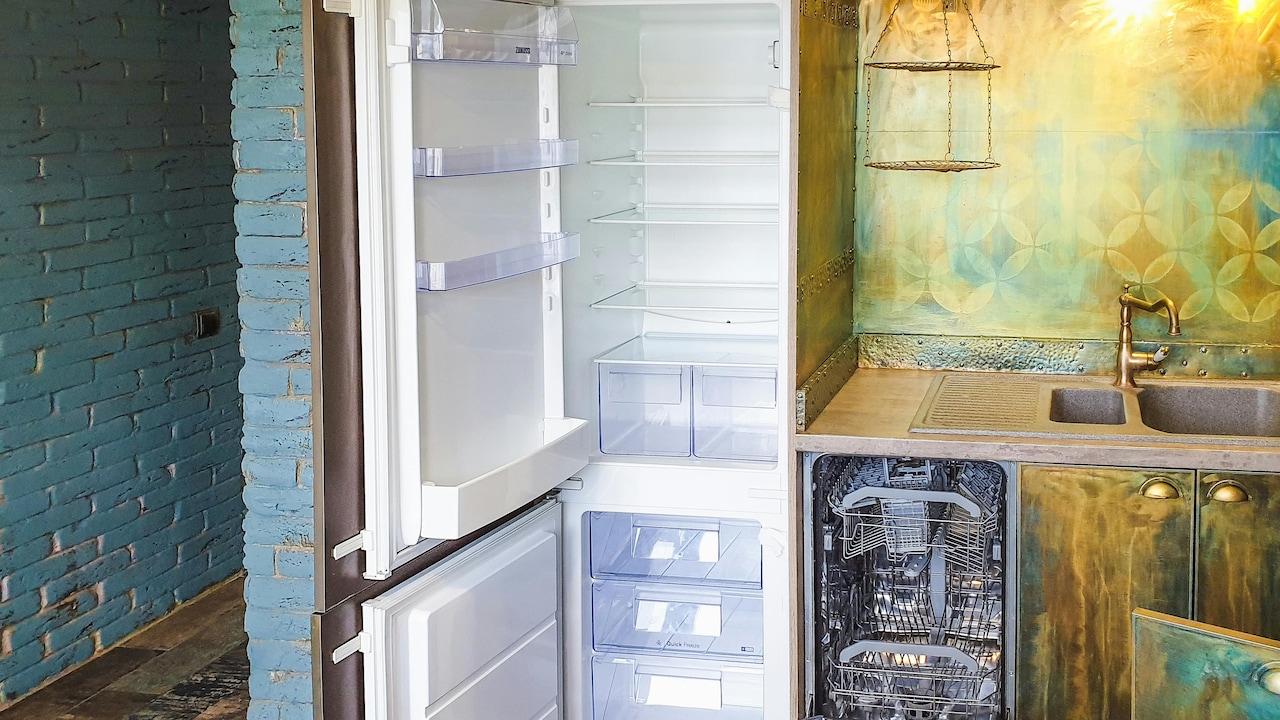
Refrigerator Cooling Problems: What Causes Uneven Temperature Between Fridge Shelves
Photo Credit: Pexels
Products Related To This Article
1. Godrej 180 L 4 Star | Turbo Cooling Technology
2. Haier 237L 3 Star Frost Free Bottom Mount Double Door Refrigerator
3. Samsung 236 L, 3 Star, Convertible, Digital Inverter with Display Frost Free Double Door Refrigerato
4. Whirlpool 215 L Frost Free Triple-Door Refrigerator
5. LG 242 L 3 Star Smart Inverter Frost-Free Double Door Refrigerator
Uneven temperature between refrigerator shelves frustrates many households, yet solutions often remain simple. Most issues stem from airflow disruption, daily habits, or minor maintenance gaps. Understanding these causes empowers better decisions and calmer kitchens.
A fridge works best when treated with care and awareness. Small changes, like better organisation or mindful door use, deliver noticeable results. Food stays fresh longer. Waste reduces. The appliance runs efficiently, even during the hottest months.
Next time milk freezes while vegetables wilt, pause before blaming the fridge. A closer look inside often reveals the answer. With a few thoughtful adjustments, even cooling returns, and the refrigerator resumes its quiet, dependable role in daily life.
(Disclaimer: This article may include references to or features of products and services made available through affiliate marketing campaigns. NDTV Convergence Limited (“NDTV”) strives to maintain editorial independence while participating in such campaigns. NDTV does not assume responsibility for the performance or claims of any featured products or services.)