Why Frost Builds Up in Frost-Free Refrigerators: Causes, Maintenance Tips And Best Care Practices
Frost in a frost-free refrigerator often signals everyday habits, moisture build-up, or poor maintenance. This article explains the real causes of frost and shares practical care tips to keep refrigerators efficient and ice-free. Here are 10 common reasons behind why your fridge gets the frost.

Frost Buildup in Frost-Free Refrigerator: Top Causes, Easy Fixes, and Maintenance Tips Explained.
A frost-free refrigerator feels like a small miracle in a busy kitchen. No chipping ice. No weekend defrost rituals. Just steady cooling and neatly stacked leftovers. Yet, every now and then, frost sneaks in. It clings to the back wall or gathers near vents. Confusion follows. Isn't this appliance meant to prevent that very problem? The answer lies in daily habits, climate conditions, and how the machine works behind the scenes. Frost does not appear overnight without reason. Warm air, moisture, and minor neglect often team up quietly.
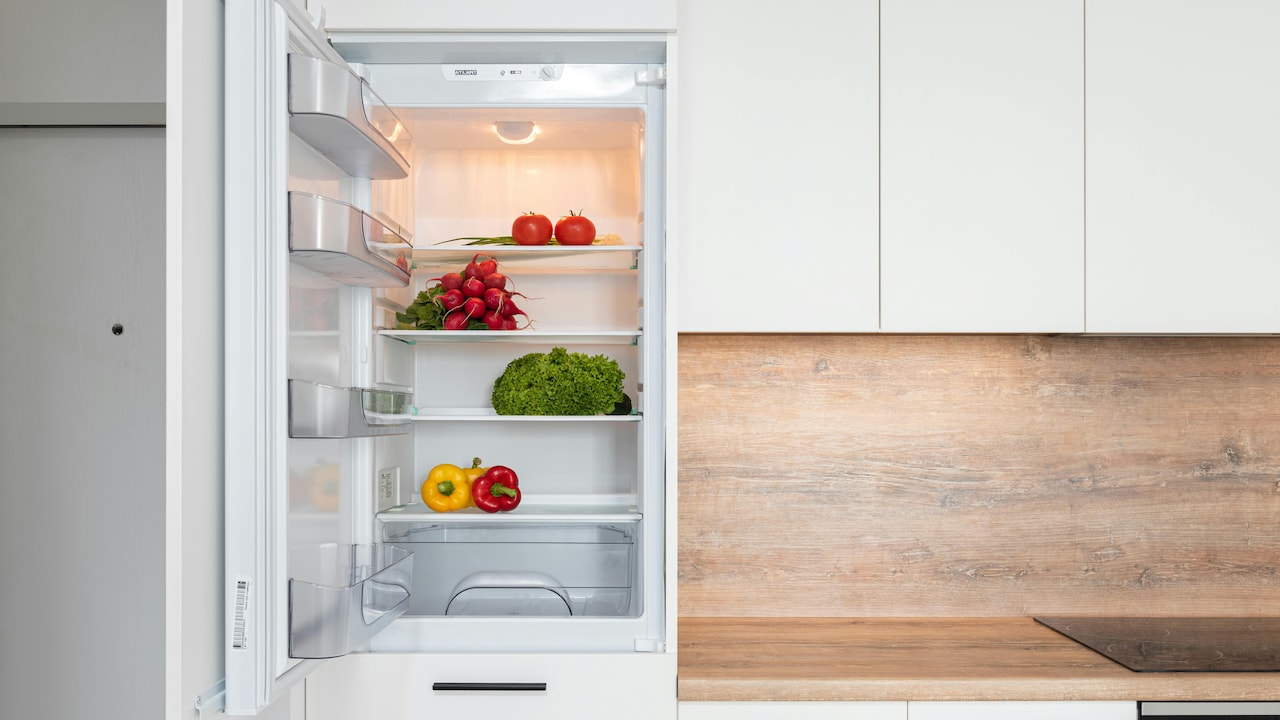
Explore common culprits behind your fridge getting frosty; Photo Credit: Pexels
Understanding these triggers saves food, electricity, and repair costs. More importantly, it brings peace of mind. A refrigerator should support daily life, not add another chore.
Also Read: Godrej Double Door Refrigerators Price List: Top 5 Models Compared By Size And Features
From Daily Habits To Hidden Faults: Why Frost Appears And How to Keep It Away
1. The Science Behind Frost-Free Technology
Frost-free refrigerators rely on airflow and automatic defrost cycles. Cold air circulates constantly through vents. Moisture from food and air gets carried away before it freezes. A heater switches on at intervals to melt any forming ice. The water then drains out quietly.
Trouble starts when this balance breaks. High humidity in the kitchen adds extra moisture. Frequent door opening invites warm air inside. The system works harder to compensate. When moisture enters faster than the defrost cycle can handle, frost appears.
Think of a crowded vegetable market during the monsoon. Even with fans running, dampness lingers. The same principle applies inside the fridge. Technology helps, yet it still depends on supportive conditions. Understanding this basic science helps spot issues early and avoid panic.
2. Overloading the Refrigerator
A refrigerator packed to the brim feels efficient. It seems practical during festival prep or monthly grocery runs. Yet, overloading blocks the airflow. Cold air struggles to move freely around shelves. Some areas become colder than intended. Moisture settles and freezes there.
On the flip side, an almost empty fridge also causes trouble. Cold air rushes around too quickly. The compressor cycles more often. Condensation forms easily. Balance matters.
A well-organised fridge resembles a neatly arranged pantry. Space allows air to circulate evenly. Items cool uniformly. Frost finds fewer corners to hide. Leaving small gaps between containers helps more than expected. This simple habit keeps cooling steady and frost at bay.
3. Frequent Door Opening and Warm Air Intrusion
Every door opening invites warm, humid air inside. In homes where chai breaks, snack raids, and curious kids are common, the door opens often. Each time, moisture sneaks in silently.
The refrigerator senses the temperature rise. It cools harder. Moisture condenses on cold surfaces. Over time, frost builds up, especially near vents and walls.
This does not mean avoiding the fridge. It means using it mindfully. Decide what to take before opening the door. Close it firmly. Avoid standing and thinking with the door ajar. These small pauses add up. Less warm air inside means less frost later. The fridge breathes easier, and so does the electricity bill.
4. Faulty Door Gaskets and Seals
The rubber gasket lining the door works like a watchman. It keeps warm air out and cold air in. With age, it loosens, cracks, or gathers grime. Even a tiny gap invites moisture constantly.
A simple test helps. Place a sheet of paper between the door and frame. Close the door. If the paper slips out easily, the seal needs attention.
Cleaning the gasket with mild soap often restores grip. If wear shows clearly, replacement becomes necessary. Ignoring this part invites continuous frost and strains the compressor. A small rubber strip plays a big role. Treating it well keeps the fridge efficient and frost-free.
5. Improper Temperature Settings
Many refrigerators run colder than needed. Lower settings feel safer, especially during summer. Yet, excessive cooling encourages frost. Moisture freezes quickly on surfaces.
Most homes do well with a medium setting. The fridge section should feel cool, not icy. The freezer should keep food firm, not buried under snow.
Seasonal adjustments help. Slightly higher settings during cooler months reduce frost risk. Trust the appliance design. Modern refrigerators maintain food safety without extreme cold. Balanced temperatures protect vegetables, save power, and prevent frost from overstaying its welcome.

Keeping your fridge on excessive cooling can encourage frost; Photo Credit: Unsplash
6. Blocked Air Vents and Drain Holes
Air vents distribute cold air evenly. Drain holes remove melted frost during defrost cycles. When food packets, ice trays, or crumbs block these paths, trouble follows.
Water from defrosting has nowhere to go. It refreezes. Frost thickens quietly. Often, this shows as ice sheets at the back panel.
Regular checks help. Keep vents clear. Wipe spills promptly. Once a month, inspect the drain hole. A gentle clean with warm water keeps it open. These quick routines prevent hidden frost and unpleasant odours. The fridge stays fresh inside and out.
7. Hot Food Stored Directly Inside
Placing hot leftovers straight into the fridge feels efficient. It saves time. Yet, steam from hot food adds significant moisture. That moisture condenses quickly and freezes.
Allow food to cool to room temperature before storage. Cover containers properly. This habit protects both food quality and fridge health.
Picture a steaming pot meeting icy air. Condensation forms instantly. Over time, this repeated action builds frost. A short cooling wait makes a big difference. Food stays fresh longer. Frost stays away. Patience pays off in the kitchen.
8. High Humidity and Kitchen Environment
Climate plays a strong role. Coastal areas and monsoon seasons bring high humidity. Kitchens without a ventilation trap moisture. The refrigerator absorbs this moisture with every door opening.
Using exhaust fans while cooking helps. Keeping the fridge away from stoves and direct sunlight reduces strain. Adequate spacing around the appliance allows heat to escape.
Sometimes, frost reflects the environment rather than the machine. Small adjustments in kitchen layout and ventilation support the fridge. A cooler, drier space keeps frost under control and improves overall efficiency.
9. Skipping Regular Maintenance
Frost-free does not mean maintenance-free. Dust on condenser coils reduces efficiency. The compressor runs longer. Moisture freezes more easily.
Cleaning coils every six months helps. Wiping shelves and walls monthly prevents residue buildup. Checking seals and vents avoids surprises.
These tasks take little time. They prevent costly repairs. A well-maintained fridge rewards with steady cooling and fewer issues. Maintenance feels like care, not work. The appliance responds with reliability and quiet performance.
10. When to Seek Professional Help
Sometimes, frost signals deeper issues. Faulty sensors, defrost heaters, or timers disrupt the cycle. Frost returns quickly despite good habits.
If thick ice forms repeatedly or cooling becomes uneven, professional inspection helps. Early attention prevents major damage. Delaying repairs often increases costs later.
Listening to unusual noises or noticing frequent compressor cycles also offers clues. Trust these signs. A timely service visit restores balance. The fridge returns to its frost-free promise, and daily life continues without disruption.
Products Related To This Article
1. Haier 240L 2 Star Frost Free Top Mount Double Door Refrigerator
2. Whirlpool 192 L 4 Star Vitamagic PRO Frost Free Direct-Cool Single Door Refrigerator
3. Samsung 236 L, 3 Star, Convertible, Digital Inverter with Display Frost Free Double Door Refrigerator
4. LG 242 L 3 Star Smart Inverter Frost-Free Double Door Refrigerator
5. Godrej 223 L 2 Star | AI Powered | 95%+ Food Surface Disinfection
Frost in a frost-free refrigerator feels like an unwelcome guest. Yet, it rarely arrives without invitation. Daily habits, environment, and small oversights often open the door. The good news lies in simple solutions. Mindful usage, regular cleaning, and balanced settings make a real difference.
A refrigerator works quietly every day. Giving it a little attention keeps it efficient and reliable. Frost fades away. Food stays fresh. The kitchen runs smoothly. Understanding these causes and care practices turns a confusing problem into an easy fix. A frost-free fridge then truly lives up to its name.
(Disclaimer: This article may include references to or features of products and services made available through affiliate marketing campaigns. NDTV Convergence Limited (“NDTV”) strives to maintain editorial independence while participating in such campaigns. NDTV does not assume responsibility for the performance or claims of any featured products or services.)