10 Reasons Food Burns Outside But Stays Undercooked Inside A Small OTG
Food burning outside while staying raw inside is a common small-OTG problem. Discover 10 practical causes, from high heat and poor rack placement to unsuitable cookware, and learn how to cook food evenly.
Small OTG Cooking Problems: 10 Causes Of Unevenly Cooked Food
A small oven toaster griller often looks simple enough. Place the tray inside, turn two or three knobs, and wait for something delicious to emerge. Unfortunately, the result does not always match the glossy photograph in the recipe. A cake may develop a dark crust while the centre still trembles. Paneer tikka may char at the edges but stay cold inside. Bread rolls may look perfectly browned until someone breaks one open and discovers sticky dough. At that moment, the OTG usually receives all the blame. Compact OTGs do have limitations. Their heating rods sit close to the food, the internal space warms quickly, and the temperature may fluctuate more than expected. However, most uneven cooking problems come from a combination of heat, placement, timing, and preparation. The good news is that these problems have practical solutions. A few small adjustments can make the difference between a smoky kitchen and a tray worth serving with pride.
Small OTG Cooking Problems: 10 Causes Of Unevenly Cooked Food; Photo Credit: Pexels
Why Food Cooks Unevenly In A Small OTG
1. The Temperature Is Set Too High
High heat may seem like a quick route to faster cooking, especially when everyone at home keeps asking whether the snacks are ready. In reality, excessive heat often causes the outside of food to cook much faster than the centre.
A small OTG has limited space between the heating rods and the tray. At high temperatures, the outer surface receives an intense blast of heat. The crust darkens, cheese bubbles and spices begin to char. Meanwhile, heat has not travelled far enough into the middle.
This problem commonly appears with thick cakes, stuffed bread, potatoes, chicken pieces and dense kebabs. Lowering the temperature by around 10°C to 20°C can help the heat move through the food more gradually. The cooking time may increase, but the result will usually improve.
Avoid treating every recipe temperature as an unquestionable rule. Recipes may have been tested in larger ovens with stronger insulation and better heat circulation. A compact OTG often needs a gentler setting. Slow, steady cooking may lack drama, but it saves dinner from becoming crisp outside and suspiciously raw inside.
Also Read: 10 OTG Oven Benefits: Budget-Friendly, Compact and Perfect For Baking, Grilling And More
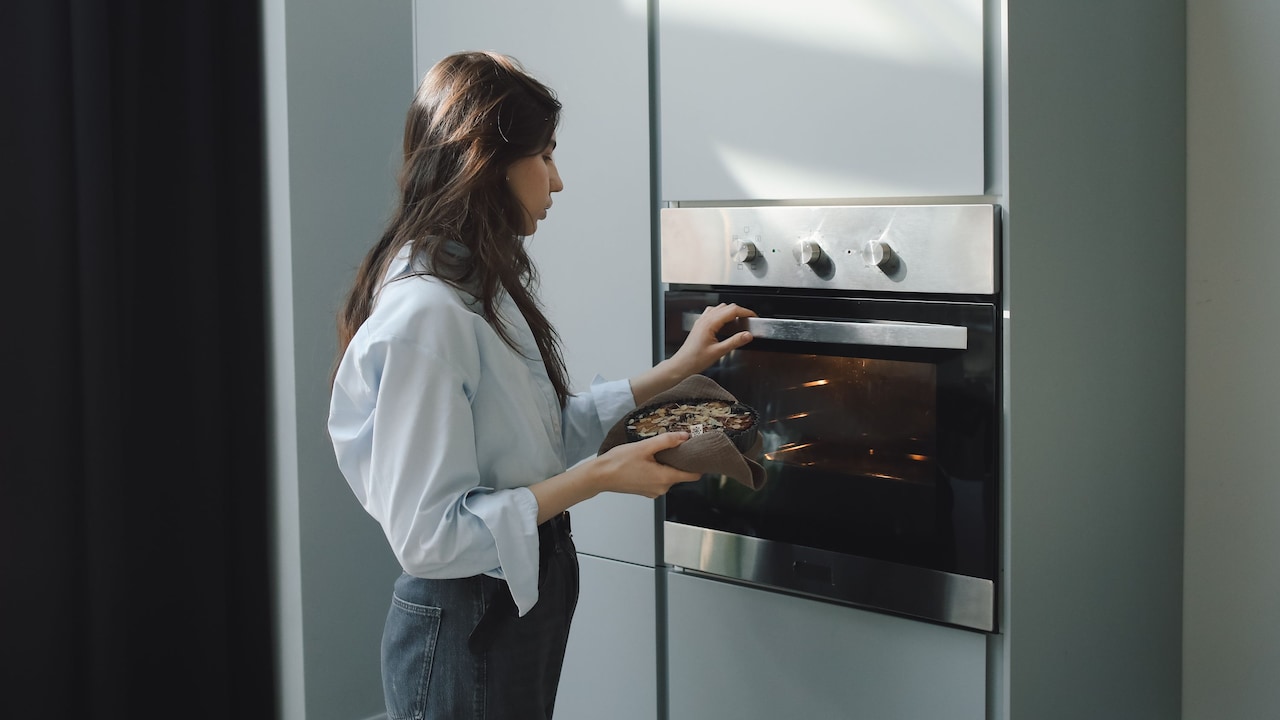
2. The OTG Was Not Preheated Properly
Preheating may feel like an unnecessary formality, particularly when hunger has already reached emergency levels. However, placing food inside a cold or partly heated OTG can disturb the entire cooking process.
During the first few minutes, the heating rods work aggressively to reach the selected temperature. Food placed inside during this stage receives irregular bursts of direct heat. The top or bottom may begin browning before the oven chamber becomes evenly warm.
Cakes suffer the most from poor preheating. The outer batter may set too early while the centre struggles to rise and cook. Biscuits may spread unevenly. Bread can form a crust before the inside develops properly.
Allow the OTG to preheat for at least 10 to 15 minutes, depending on its size and power. Some compact models heat quickly, but the indicator light alone may not tell the full story. Giving the oven a few extra minutes helps stabilise the internal temperature.
Preheating also makes cooking times more reliable. Without it, a recipe that promises golden results in 25 minutes may turn into a guessing game involving toothpicks, nervous glances and repeated door-opening.
Small OTG Cooking Problems: 10 Causes Of Unevenly Cooked Food; Photo Credit: Pexels
3. The Food Is Placed Too Close To The Heating Rods
In a small OTG, a few centimetres can completely change the result. Food placed too close to the upper or lower heating rods receives harsh direct heat, which can burn the surface before the centre cooks.
The top rack may look convenient for quick browning, but it can scorch cakes, pizzas and grilled sandwiches. The bottom rack can create similar trouble for biscuits, bread and food cooked in dark trays. The base may burn while the upper portion remains pale or soft.
The middle rack usually offers the most balanced position for baking and general cooking. It allows heat to reach the food from both directions without placing the surface dangerously close to either rod.
Rack position should also match the cooking method. Grilling may require the upper rack for a short final burst. Baking usually works better in the centre. Roasting thick food may need a lower-middle position to prevent premature browning on top.
Compact ovens leave little room for careless placement. Before switching on the OTG, check the distance between the food and the heating elements. That small pause can prevent a perfectly good dish from developing the personality of charcoal.
4. The Food Is Too Thick Or Unevenly Sized
Thickness plays a major role in how food cooks. A thin slice of paneer heats quickly, while a large block takes much longer. When pieces vary in size, the smaller ones burn before the larger ones cook through.
This issue often affects potato wedges, chicken pieces, cutlets, kebabs and stuffed vegetables. One piece may look ready while another remains firm or cold at the centre. The tray then becomes a confusing mix of burnt edges and unfinished food.
Try to cut ingredients into similar sizes and thicknesses. Flatten thick cutlets slightly. Slice potatoes evenly. Choose smaller chicken pieces for compact OTGs, as large portions need more time and gentler heat.
Dense food may also benefit from partial cooking before it enters the OTG. Potatoes can be parboiled. Cauliflower can be blanched. Thick fillings can be cooked in advance. This approach allows the oven to focus on browning, crisping and finishing rather than cooking the entire dish from scratch.
Uniform pieces do more than improve appearance. They also create predictable cooking times. Nobody enjoys serving a tray where one kebab crunches like a papad and the next one demands a return trip to the oven.
5. The Baking Tin Or Tray Is Unsuitable
Cookware affects heat more than many home cooks realise. Dark, thin and lightweight trays absorb heat quickly. They can burn the base and edges of food while the centre remains undercooked.
Glass and ceramic dishes behave differently. They heat slowly but retain heat for longer. Thick metal tins distribute heat more steadily, while flimsy tins may develop hot spots. A recipe tested in one type of pan may not behave the same way in another.
For cakes and breads, choose a sturdy, light-coloured aluminium tin where possible. Avoid using a pan that is too deep for the amount of batter. Deep batter takes longer to cook in the centre, which increases the risk of an overdone crust.
The size of the tin also matters. A small tin filled almost to the top creates a thick layer that cooks slowly. A slightly wider tin spreads the batter and allows heat to reach the centre more easily.
Do not place delicate bakes directly on the black enamel tray supplied with many OTGs unless the recipe requires it. That tray can become extremely hot. A suitable tin, placed on the wire rack, often gives a more balanced result.
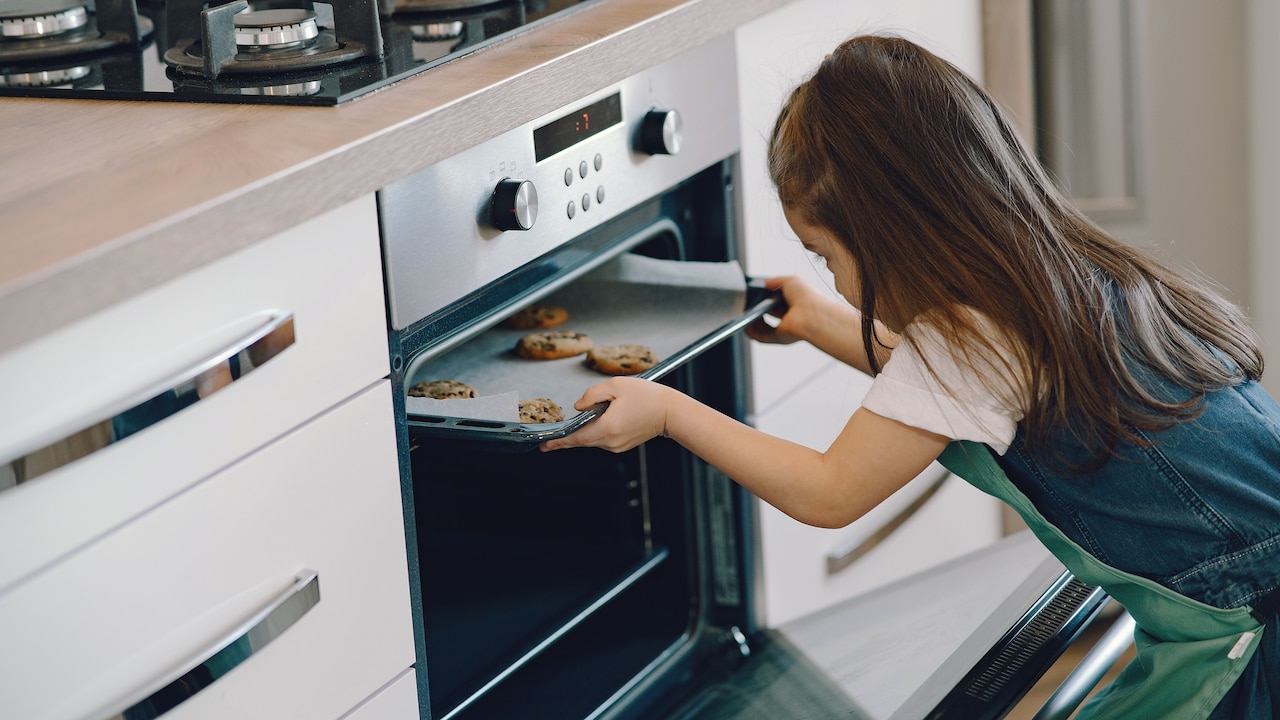
6. Too Much Food Is Packed Into The OTG
A crowded OTG may seem efficient, especially when preparing snacks for guests. However, packing the oven tightly blocks heat circulation and creates uneven cooking.
When trays, tins or food pieces sit too close together, hot air cannot move freely around them. The outer surfaces nearest the heating rods brown quickly, while the crowded centres remain pale, damp or undercooked.
This problem frequently appears with biscuits, kebabs, bread rolls and roasted vegetables. Pieces placed at the edge of the tray may burn, while those in the middle stay soft. Adding a second tray can make matters worse in a small oven because one tray blocks heat from reaching the other.
Leave visible space between pieces. Bake in batches when necessary. It may take longer, but each batch will cook more evenly. For biscuits and rolls, allow room for expansion as well as airflow.
Avoid filling the OTG simply because empty space looks wasteful. An oven is not a local train during rush hour. Everything does not need to squeeze in at once. Space allows heat to circulate, moisture to escape, and food to develop the texture the recipe promised.
Small OTG Cooking Problems: 10 Causes Of Unevenly Cooked Food; Photo Credit: Pexels
7. The Heating Rod Setting Is Incorrect
Many compact OTGs allow users to select the upper rod, lower rod or both rods. Choosing the wrong setting can cause one side of the food to burn while the centre and opposite side remain undercooked.
Using only the upper rod for baking may darken the top too quickly. Using only the lower rod can burn the base. For most cakes, breads, biscuits and roasted dishes, both rods provide more balanced heat.
Some recipes require changes during cooking. A pizza may need both rods at first and the upper rod briefly at the end for browning. A cake may cook with both rods but need protection on top if it colours too quickly.
The symbols on OTG knobs are not always obvious, so checking the instruction manual can prevent mistakes. A line at the top often represents the upper rod, while a line at the bottom represents the lower rod. Two lines usually mean both.
Do not use grill mode throughout the cooking process unless the recipe specifically calls for it. Grilling delivers intense heat to the surface. It works well for finishing cheese or charring kebabs, but it can leave thick food dramatically browned and disappointingly raw inside.
8. The OTG Temperature Is Not Accurate
The number on the temperature knob may not match the actual heat inside the OTG. Compact ovens often run hotter or cooler than their settings, especially after years of use.
An OTG set to 180°C might actually reach 200°C or more. That difference can burn the outside of cakes, biscuits and bread before the centre finishes cooking. Temperature fluctuations may also occur as the heating rods switch on and off.
An inexpensive oven thermometer can reveal what is really happening inside. Place it in the centre of the oven and compare its reading with the selected temperature. The result may explain several mysterious baking failures.
Once the variation becomes clear, adjust future settings. For example, if the oven runs 15°C hotter, select a lower temperature than the recipe recommends. Keep a simple note near the OTG, so nobody has to rediscover the same problem every weekend.
Temperature dials can also become inaccurate over time. Grease, loose controls and worn thermostats may affect performance. When food repeatedly burns despite careful adjustments, professional servicing may be necessary. Sometimes the recipe is innocent, the cook is innocent, and the thermostat is the real troublemaker.
9. The OTG Door Is Opened Too Often
Opening the OTG door may seem harmless, especially when the smell of baking cake begins floating through the kitchen. Yet every curious check releases hot air and causes the internal temperature to drop.
The heating rods then work harder to restore the lost heat. This creates repeated cycles of cooling and intense reheating. The outer surface may receive too much direct heat, while the centre cooks slowly and unevenly.
Cakes can sink when the door opens too early. Bread may lose heat needed for proper rising. Thick dishes may take much longer than expected, tempting the cook to raise the temperature and create even more browning.
Use the glass door and oven light to monitor progress whenever possible. Avoid opening the door during the first two-thirds of the recommended cooking time. Check only when the food appears close to ready.
When testing a cake, open the door gently and close it promptly. Do not leave it open while searching for a toothpick or calling someone to inspect the colour. Prepare the testing tool in advance. The OTG does not need an audience; it needs stable heat and a little privacy.
10. The Food Needs More Preparation Before Baking
Some ingredients contain too much moisture or remain too cold when they enter the OTG. This slows down internal cooking while the outside continues to brown.
Frozen snacks provide a common example. Their surfaces may crisp quickly, but the centres can remain cold. Thick marinades can also delay heat transfer, particularly when they contain yoghurt or large amounts of liquid.
Allow frozen or refrigerated food to rest briefly at room temperature when safe and appropriate. Drain excess marinade before placing food on the tray. Pat vegetables dry after washing. Too much surface moisture may create steam, while sugary or oily marinades can burn rapidly.
Cake ingredients also need sensible preparation. Very cold butter, milk or eggs can affect batter consistency and baking time. Overmixed batter may become dense, making it harder for heat to reach the centre. Similarly, an overloaded filling can leave stuffed bread or pastries soggy inside.
Preparation should match the OTG's limitations. A small oven performs best when ingredients are evenly sized, moderately moist and ready to cook. The oven can create colour and texture, but it cannot rescue a frozen centre hidden beneath a rapidly blackening crust.
Products Related To This Article
1. Wonderchef Oven Toaster Griller (OTG)
2. AGARO Marvel 48 Liters Oven Toaster Griller
3. Glen Multi-Function OTG for Kitchen 35 Litre, 2100W
4. Morphy Richards Digital OTG
5. Longway Royal OTG 25 Ltr Oven Toaster Griller with Heating Modes
6. INALSA Oven OTG (16 Liters) with Temperature Selection-1200W
7. Glen Multi Function OTG for Kitchen, 18 Litre, 1200W
Food that burns outside but stays undercooked inside is not an unavoidable feature of a small OTG. It usually signals an imbalance between temperature, time, placement and food thickness.
Lower heat often solves more problems than higher heat. Proper preheating creates a stable cooking environment. The middle rack reduces direct exposure to the heating rods. Suitable cookware, smaller batches and evenly sized ingredients also improve results.
It helps to treat recipe instructions as a starting point rather than a rigid command. Every OTG has its own habits. Some run hot, some heat unevenly and some seem to take personal offence at delicate cakes. Observing these patterns makes cooking more predictable.
A compact OTG may never behave exactly like a large built-in oven, but it can still produce excellent food. With patient adjustments and a little practice, burnt crusts and raw centres can become rare kitchen memories rather than regular dinner guests.
(Disclaimer: This article may include references to or features of products and services made available through affiliate marketing campaigns. NDTV Convergence Limited (“NDTV”) strives to maintain editorial independence while participating in such campaigns. NDTV does not assume responsibility for the performance or claims of any featured products or services.)