Why Your Steam Iron Spits Brown Water And How To Stop It From Staining Clothes
Brown water from a steam iron usually comes from mineral build-up, rust or burnt residue. Learn how to clean the iron safely and stop stubborn stains from ruining clothes.
Why Your Steam Iron Spits Brown Water And How To Stop It From Staining Clothes
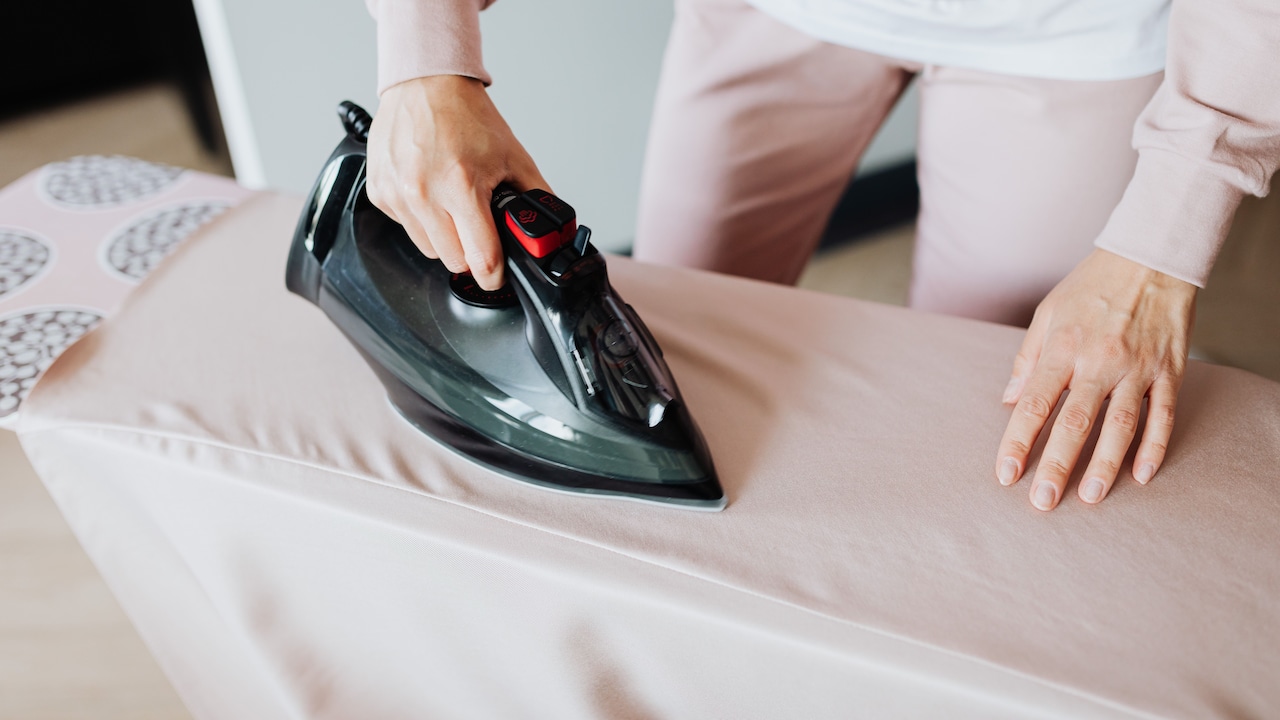
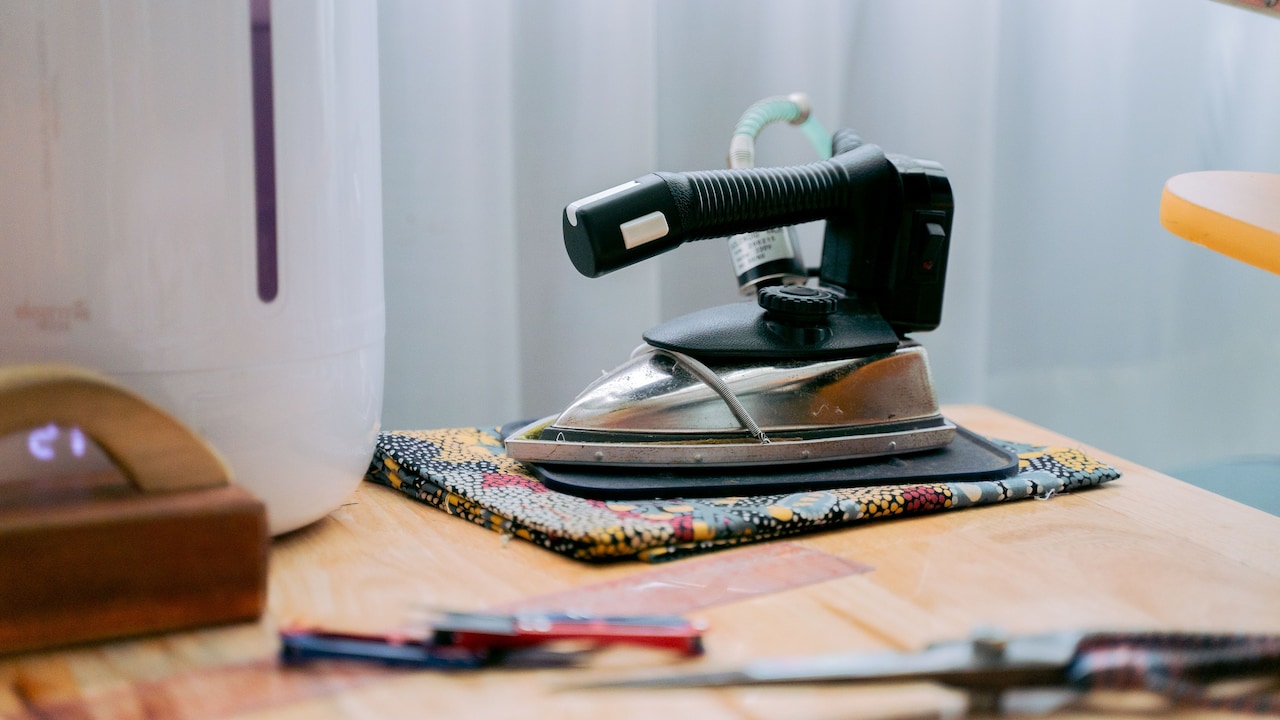
Few household betrayals feel as personal as a steam iron leaving a brown splatter across a freshly washed white kurta. One moment, the fabric looks neat enough for an office meeting or family function. The next, it carries a mysterious stain that resembles weak tea. Brown water from an iron rarely appears without warning. The appliance may have started hissing strangely, releasing tiny flakes or leaving faint marks near seams. These signs usually point to dirt and mineral deposits building up inside the water tank, steam vents or heating chamber.
Why Your Steam Iron Spits Brown Water And How To Stop It From Staining Clothes
Photo Credit: Pexels
The problem affects more than appearance. A dirty iron can smell unpleasant, damage delicate fabric and make ironing slower. It may also shorten the appliance's life.
Fortunately, most cases do not require a new iron or an expensive repair. A few sensible changes can restore clean steam and prevent future stains. The following sections explain why brown water appears, how to deal with it safely and how to keep the iron behaving like a helpful appliance rather than a moody kitchen pressure cooker.
What Causes Brown Water And How Can You Prevent It?
Hard Water Leaves Mineral Deposits Inside
Tap water often contains calcium, magnesium and other minerals. When the iron heats this water, steam escapes, but many minerals remain behind. Over time, they settle inside the tank and heating chamber as chalky scale.
At first, the deposits may look white or grey. As they mix with rust, fabric residue and heat-damaged particles, they can turn brown. Steam pressure then pushes this dirty mixture through the vents and onto clothes.
Homes that receive borewell water often face this problem more frequently. The water may look perfectly clear in a glass yet still contain enough dissolved minerals to coat the inside of an iron. A kettle with a crusty base offers a useful clue. If scale forms there, it can form inside the iron too.
Using filtered, demineralised or manufacturer-recommended water can slow the build-up. Distilled water may seem like the obvious solution, but some brands advise against using it alone because it can affect steam performance. Check the instruction manual before changing the water type. The right choice depends on the iron's design, not on household folklore.
Old Water Turns Stale And Dirty
Leaving water inside the iron after use may feel harmless, especially during a rushed morning. However, standing water can collect loosened minerals, dust and tiny particles from the tank. It may also develop an unpleasant smell when left for several days.
Each heating cycle stirs this mixture again. The dirty water eventually finds its way through the steam holes, often at the worst possible moment. A pale shirt usually seems to attract the first dramatic splash.
Emptying the tank after every ironing session can prevent much of this trouble. Allow the iron to cool, unplug it and pour out the remaining water over a sink. Gently shake the appliance to remove as much moisture as possible.
Store the iron upright with the tank open, when the design allows it. This helps trapped moisture evaporate and reduces the chance of internal corrosion. Avoid keeping a water-filled iron flat on a shelf. That position encourages leakage and keeps the internal parts damp.
Fresh water may not sound like an exciting maintenance secret, but it works. Much like yesterday's chai, water left sitting inside a warm appliance rarely improves with age.
Rust Can Form On Internal Metal Parts
Brown water sometimes signals rust inside the iron. Metal components may corrode when moisture remains trapped for long periods, particularly in older appliances or models with damaged internal coatings.
Rust particles mix with water and create orange, red or brown stains. These marks can look similar to masala splashes and may become difficult to remove once heat sets them into fabric.
Inspect the water tank under bright light. Visible reddish flakes, rough patches or discoloured seams may suggest corrosion. Also check the soleplate and steam vents for rusty edges. A cotton bud can help reveal residue around the holes, though the iron must remain unplugged and completely cool.
Light surface residue may disappear after proper descaling. Severe internal rust, however, often needs professional attention. Continuing to use a badly corroded iron risks repeated staining and electrical trouble.
Do not open the appliance at home unless qualified to handle electrical repairs. Steam irons combine water, heat and wiring, which makes casual experimentation risky. If brown water continues after several careful cleaning cycles, contact an authorised service centre. A repair costing a few hundred rupees may save several favourite outfits and prevent a larger fault.
Fabric Residue Burns Onto The Soleplate
Not every brown stain begins inside the water tank. Synthetic fabric, starch, detergent residue and printed designs can melt onto the hot soleplate. The next time steam flows, moisture loosens the burnt layer and carries it onto clothing.
A dark, sticky patch on the base provides the clearest sign. It may feel rough, smell burnt or catch against fabric. This often happens when the temperature sits too high for polyester, nylon or blended material.
Clean the soleplate only after unplugging the iron and allowing it to cool. Use a soft cloth with a cleaner approved by the manufacturer. For mild residue, a damp microfibre cloth may be enough. Avoid knives, steel scrubbers and harsh abrasive powders. They can scratch the protective coating and create more places for dirt to collect.
Pay attention to the steam vents as well. Residue around the holes can mix with clean water and still produce brown streaks. A soft cotton bud can remove loose grime without damaging the surface.
Before returning to a white garment, test the iron on an old cotton cloth. That humble scrap can absorb the final traces of dirt and spare an expensive shirt from becoming an unwilling cleaning rag.
Also Read: Top 5 Steam Irons Under ₹1,000, From Havells To Bajaj, That Actually Work Wonders
Too Much Starch Creates Sticky Build-Up
Spray starch can give cotton shirts, sarees and uniforms a wonderfully crisp finish. Used too generously, however, it can create a sticky layer on the soleplate. Heat darkens the starch, and steam later carries the burnt residue back onto fabric.
The problem often begins with repeated spraying directly beneath the iron. The soleplate moves over the damp starch before it has spread evenly, causing some of it to cook onto the metal.
Use a light, even mist and allow a few seconds for the starch to settle into the fabric. Iron from the reverse side when working with heavily starched clothing. This reduces direct contact between the product and the soleplate.
Homemade starch water can also leave residue if it contains lumps or sits for too long. Strain it properly and prepare only the amount needed. A thick mixture may promise wedding-day sharpness but can leave the iron looking as though it has cooked a snack.
After ironing starched garments, wipe the cooled soleplate with a soft damp cloth. Regular cleaning prevents small deposits from turning into stubborn brown patches. Moderate starch produces a polished finish; excessive starch creates extra laundry drama.
Why Your Steam Iron Spits Brown Water And How To Stop It From Staining Clothes
Photo Credit: Pexels
The Temperature Setting May Be Too Low
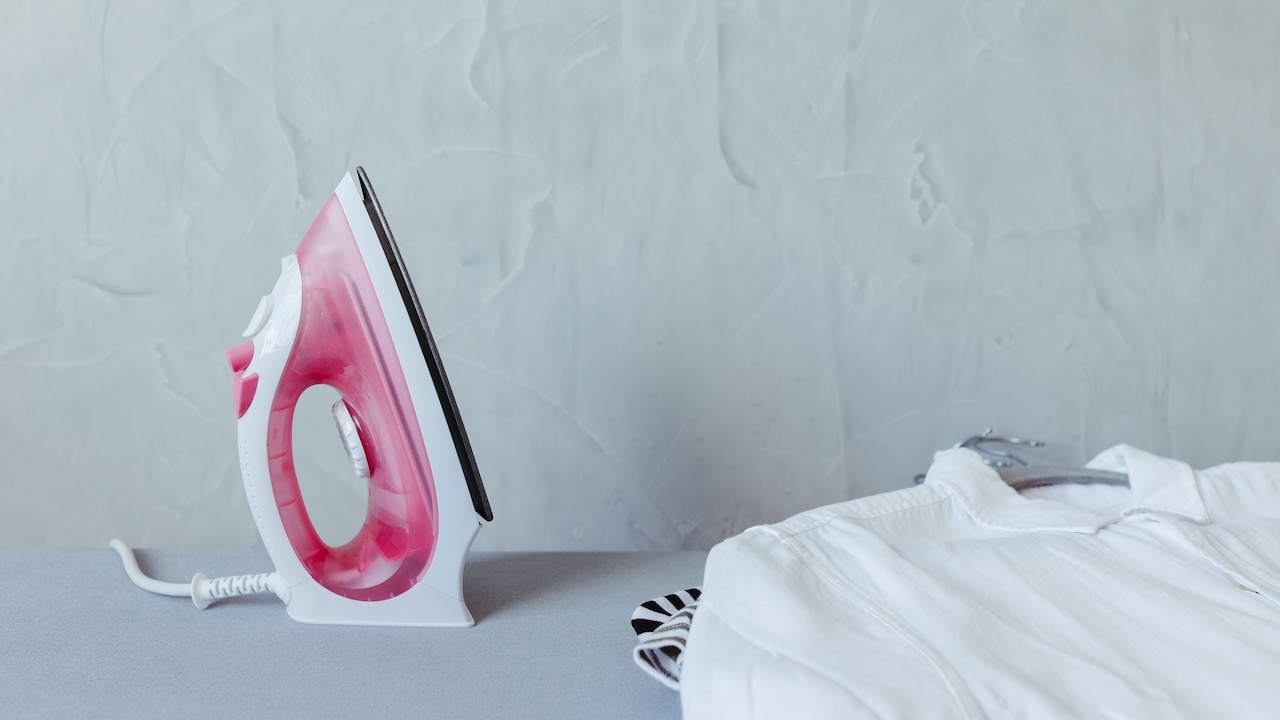
Steam irons need enough heat to turn water into vapour. When the temperature remains too low, water may not evaporate properly. Instead, it leaks or spits through the vents, carrying mineral deposits and residue with it.
This commonly happens when the steam function stays on while ironing delicate fabrics at a low setting. Materials such as nylon and certain synthetic blends require gentle heat, but the steam chamber may need a higher temperature to work correctly.
Check the temperature dial before pressing the steam button. Many irons include a steam symbol only within the medium or high heat range. Follow those markings rather than guessing.
Allow the iron to heat fully before use. An indicator light usually switches off or changes colour when the selected temperature has been reached. Starting too soon can produce a watery splutter instead of steady steam.
When moving from high heat to low heat, turn off the steam and wait for the soleplate to cool. Iron delicate clothes first, then move towards cotton and linen. This sequence saves time and reduces temperature confusion.
A steam iron behaves much like a dosa tawa: use it before it reaches the right heat, and the result becomes messy surprisingly quickly.
Overfilling The Tank Causes Leaks
Every steam iron has a maximum water line for a reason. Filling beyond that mark leaves too little space for the water to move and heat safely. As the appliance tilts during ironing, excess water can enter areas designed mainly for steam.
The result may appear as sudden droplets, sputtering sounds or brown streaks. If the tank already contains mineral residue, the leaked water looks even dirtier.
Fill the iron while it remains unplugged and cool. Place it upright on a stable surface and pour slowly. A small measuring cup with a narrow spout gives better control than holding the tank directly under a tap.
Stop at or slightly below the maximum line. More water does not create stronger steam. It only increases the chance of leakage and makes the iron heavier to handle.
Also avoid shaking the appliance aggressively when the tank is full. Gentle movement during normal ironing is fine, but sharp tilting can force water towards the steam outlets.
When tackling a large pile of clothes, refill the tank as needed instead of overfilling it at the beginning. Two sensible refills create far less trouble than one ambitious pour followed by a brown-water surprise.
Self-Cleaning Functions Need Regular Use
Many modern steam irons include a self-cleaning or calc-clean function. It flushes hot water and steam through the internal chamber, carrying loose scale and residue out through the vents.
The feature works best when used regularly, not only after the iron starts staining clothes. Depending on water quality and frequency of use, cleaning once every few weeks may help. Always follow the manufacturer's instructions because the method varies between models.
A typical cycle involves filling the tank, heating the iron, unplugging it and holding it over a sink while activating the cleaning control. Dirty water, steam and mineral flakes may rush out. The process can look alarming, but that is usually the trapped debris leaving the appliance.
Keep hands away from the soleplate and escaping steam. Hold the iron securely and avoid carrying out the process near children.
After the cycle, wipe the base and test the iron on an old cloth. One round may not remove years of build-up. Repeat only as the manual recommends.
A self-clean button is not decorative. Ignoring it for months is rather like owning a chimney-cleaning brush and waiting until the kitchen disappears behind smoke.
Vinegar Can Help But May Also Harm
Vinegar often appears in household cleaning advice because its acidity can dissolve mineral scale. However, pouring vinegar into a steam iron without checking the manual can damage seals, coatings and internal parts.
Some manufacturers permit a diluted vinegar solution. Others specifically warn against acids, descaling liquids and fragranced additives. Using the wrong substance may void the warranty or leave a sharp smell inside the tank.
Begin with the safest method: use the iron's built-in cleaning function and the water recommended by the brand. If the manual allows vinegar, follow the stated ratio exactly. Never assume that a stronger mixture cleans better.
Do not add baking soda, perfume, fabric conditioner or essential oils to the tank. These products can foam, clog the vents or burn inside the heating chamber. Scented steam may sound pleasant until a favourite top smells like heated floor cleaner.
For exterior cleaning, vinegar may work on certain uncoated surfaces, but it should never touch a hot soleplate. Apply any approved solution to a cloth rather than pouring it directly onto the appliance.
When the manual remains unavailable, search using the exact model number or contact the manufacturer. Guesswork costs more than patience.
Better Ironing Habits Prevent Future Stains
Prevention begins with a simple routine. Use suitable water, fill the tank only to the marked level and allow the iron to heat fully before releasing steam. Empty the tank after use and store the appliance upright.
Sort clothes by fabric type before starting. Begin with low-temperature materials and finish with cotton or linen. This avoids constant dial changes and reduces the chance of using steam at the wrong heat.
Check pockets and garment labels. Melted receipts, plastic tags and decorative prints can quickly dirty the soleplate. Iron embellished clothing from the reverse side and place a thin cotton cloth between the iron and delicate work.
Keep an old white handkerchief or cotton scrap near the ironing board. Test the steam on it whenever the iron has been stored for several days. Any brown droplets will land there instead of on formal wear.
Clean the soleplate regularly, even when it looks acceptable. Residue often begins as a faint film before turning dark and sticky.
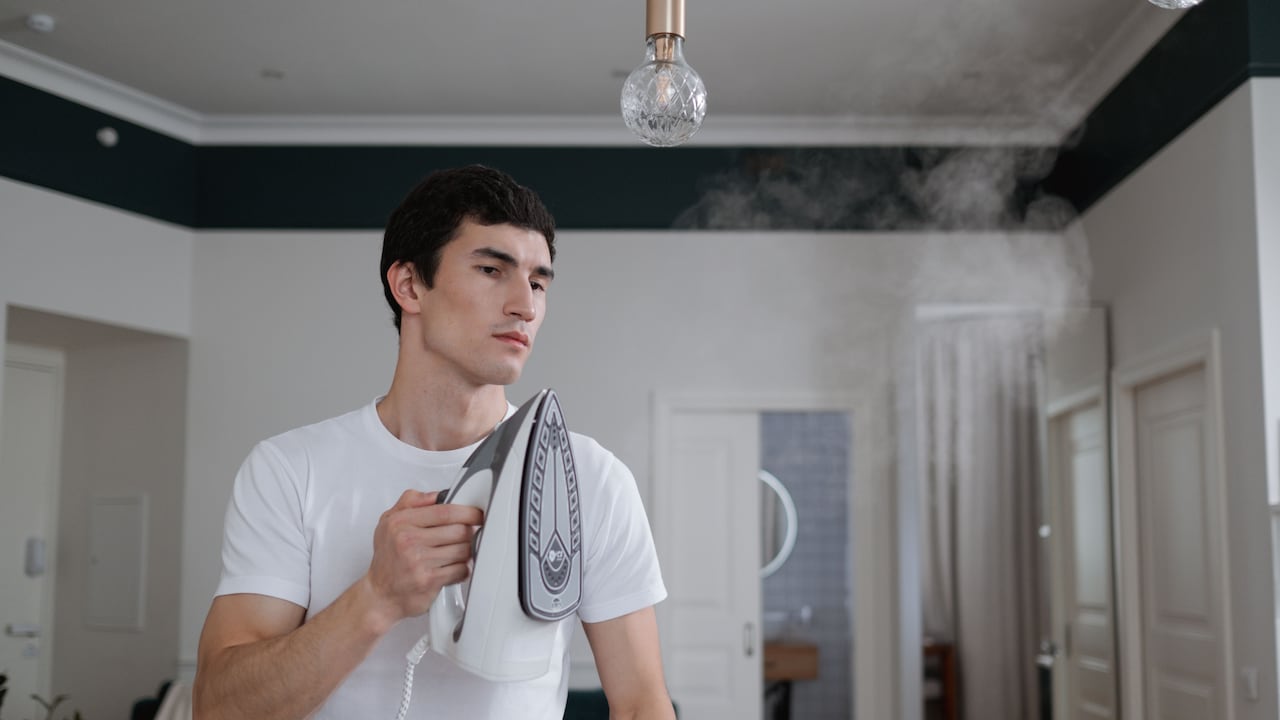
Most importantly, respond to early warning signs. Strange smells, uneven steam and tiny flakes deserve attention. Ten minutes of maintenance can prevent a frantic stain-removal session five minutes before leaving home.
Why Your Steam Iron Spits Brown Water And How To Stop It From Staining Clothes
Photo Credit: Pexels
Products Related To This Article
1. OWNAIR Steam Iron Handheld for Clothes
2. Philips Steam Iron GC1905/21
3. Russell Hobbs 2000 W Double‑Pole Garment Steamer
4. Usha 3713 1300Watt Steam Iron with Self Cleaning Function
5. GOODSCITY 3 in 1 Garment Steamer
6. PHILIPS Steam Iron Handheld for Clothes STH3000
7. Havells Glaze 1250 Watts Steam Iron with Self Cleaning Function
Brown water from a steam iron may look dramatic, but it usually comes from ordinary causes: hard-water scale, old moisture, rust, burnt starch, fabric residue or incorrect settings.
A clean tank, a smooth soleplate and sensible water habits solve many cases. Regular use of the self-cleaning function keeps mineral deposits under control, while proper temperature settings prevent water from leaking before it turns into steam.
Never test a suspicious iron directly on important clothing. Use an old cotton cloth first. That small precaution can protect school uniforms, office shirts, festive outfits and delicate sarees from permanent marks.
When cleaning no longer stops the brown water, the appliance may have internal corrosion or a damaged component. At that stage, professional servicing offers the safer option.
A steam iron should leave clothes crisp, not decorate them with rusty polka dots. Treat it to occasional cleaning, fresh water and careful storage, and it will return the favour every morning.
(Disclaimer: This article may include references to or features of products and services made available through affiliate marketing campaigns. NDTV Convergence Limited (“NDTV”) strives to maintain editorial independence while participating in such campaigns. NDTV does not assume responsibility for the performance or claims of any featured products or services.)