How Stable Pressure And Pump Quality Determine The Taste And Durability Of Budget Coffee Machines
Cheap coffee makers often promise rich brews but deliver watery disappointment. The real secret lies in pressure features, not flashy extras. This is what truly matters when choosing a budget coffee machine that brews properly.
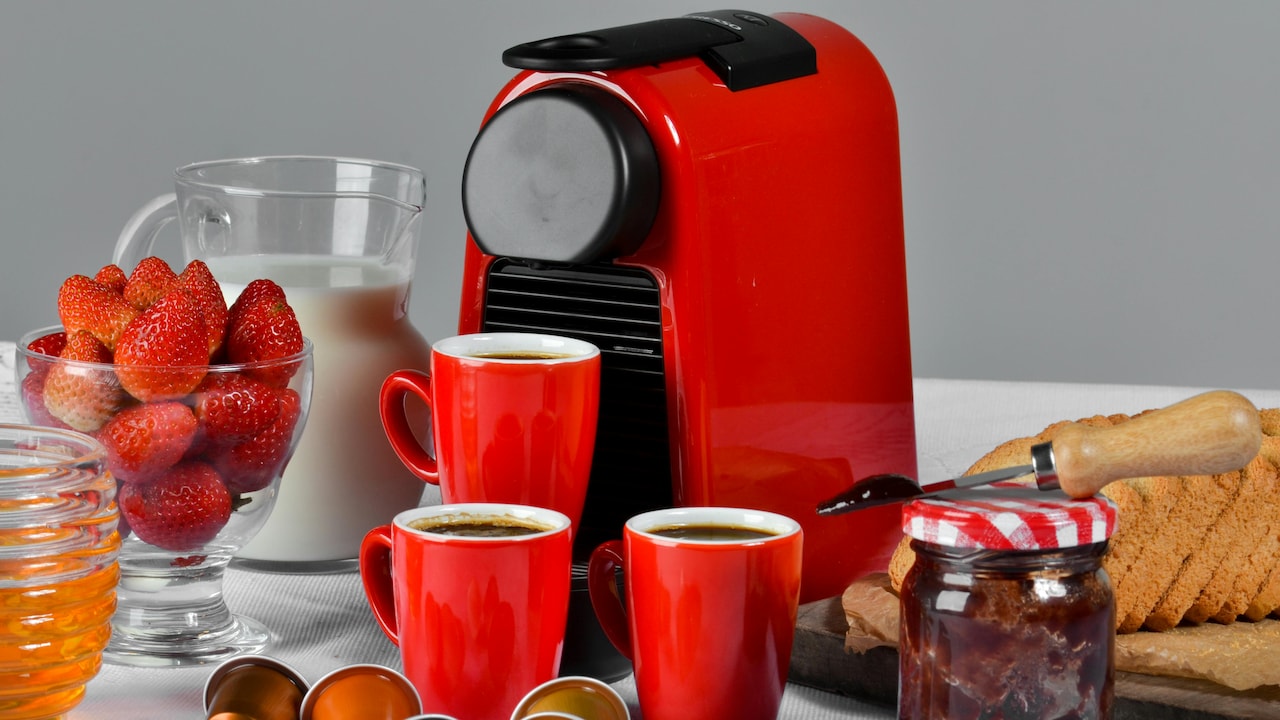
What features to consider before buying a coffee maker
Morning coffee carries a certain sacred energy. It is the quiet hero of rushed office commutes, chaotic family kitchens, and sleepy weekend newspapers. But few things disappoint faster than a machine that promises barista-quality coffee and delivers something closer to brown water. Cheap coffee makers often attract buyers because the pricing feels irresistible. A sleek machine for ₹3,500 may look like a steal compared to premium models priced above ₹20,000. Yet appearances can be deceptive. Beneath the shiny exterior, one crucial factor often determines whether coffee tastes full-bodied or frustratingly weak: pressure.
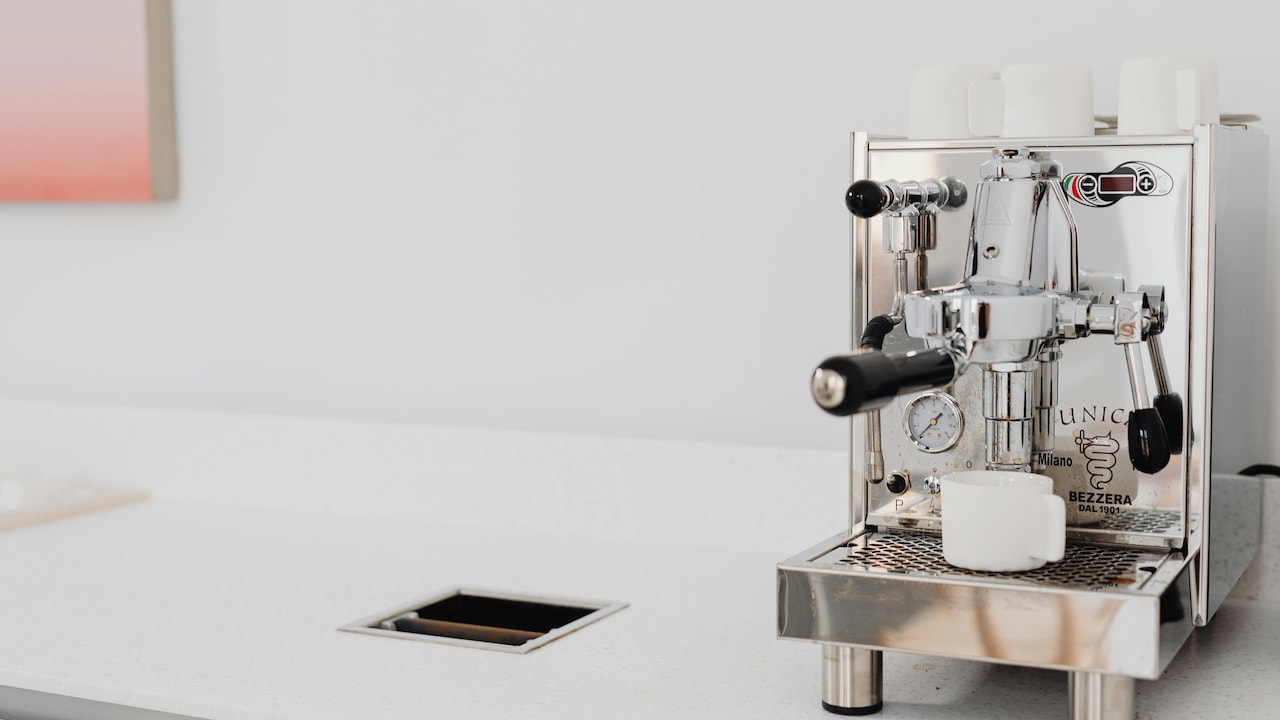
Key features in coffee makers that affect the way your brew tastes; Photo Credit: Pexels
Pressure drives the extraction process. Without enough force, hot water cannot properly pull oils, aromas, and flavours from coffee grounds. The result becomes flat, sour, or disappointingly thin. While marketing teams focus on flashy extras like milk frothers or digital displays, pressure-related features quietly hold the real power.
For coffee lovers trying to balance budgets with quality, understanding pressure systems can save money and improve every cup. Instead of chasing unnecessary luxury, focusing on the right brewing mechanics offers smarter choices. Great coffee should not require emptying savings, but it certainly demands more than the cheapest machine on the shelf.
Also Read: Best Coffee Makers From Agaro, Philips To Inalsa: A Buyers Guide To Great Brews
Key Pressure Features That Make Or Break Your Coffee
Why Bar Pressure Defines Brew Strength
Bar pressure sounds technical, but it simply refers to the force used to push water through coffee grounds. For espresso-style brewing, around 9 bars of effective pressure creates the sweet spot. Many budget machines advertise 15 or even 20 bars, but these numbers often serve more as marketing theatre than practical benefit.
Low-cost models frequently struggle to maintain consistent pressure during extraction. Instead of delivering steady force, they fluctuate wildly, leading to uneven brewing. This inconsistency strips away the bold crema, depth, and rich mouthfeel that define satisfying coffee.
A machine selling for ₹4,000 may boast impressive pressure figures on the box, yet internal components often fail to support those claims. Cheap pumps and poor temperature control sabotage performance. In daily use, this means weak coffee despite promising specifications.
Understanding genuine pressure stability matters far more than flashy bar numbers. Households seeking robust coffee should prioritise machines known for consistent extraction over inflated marketing claims. Reliable pressure creates stronger flavour, better aroma, and a brew that actually feels worth waking up for.
Pump Quality Separates Good Machines From Gimmicks
Pressure alone means little without a dependable pump. The pump functions as the heart of a coffee maker, generating and sustaining brewing force. Inexpensive machines often cut costs here, using lower-grade pumps that wear out quickly or deliver erratic performance.
This is where many budget appliances fail spectacularly. A coffee maker might look premium on the kitchen counter, but weak pump systems often produce underwhelming coffee from day one. Over time, this issue worsens, leaving users frustrated and eyeing expensive café visits again.
Machines with better pump systems usually cost slightly more upfront, perhaps around ₹7,000 instead of ₹4,000, but the difference in cup quality often justifies the investment. Richer espresso shots, fuller flavour, and improved durability make a substantial impact.
Rather than focusing solely on discounts, buyers benefit from examining pump reliability and user reviews. A modestly higher price can prevent endless mornings of watery disappointment. Sometimes, spending a little extra protects both taste buds and wallets.
Temperature And Pressure Work Hand In Hand
Pressure may dominate coffee conversations, but temperature plays an equally critical supporting role. Brewing requires water heated to an ideal range of approximately 90 to 96 degrees Celsius. If temperature falters, pressure alone cannot rescue flavour.
Cheap coffee makers often struggle with thermal consistency. Water may emerge too cool, resulting in sour or under-extracted coffee, or too hot, causing bitterness. Combined with unstable pressure, this creates cups that taste confused rather than balanced.
Reliable machines synchronise heat and pressure carefully. This coordination ensures water extracts the full range of oils, sugars, and aromatic compounds from coffee grounds. The result feels smoother, stronger, and far more satisfying.
In many homes, buyers become dazzled by machine aesthetics or touchscreen displays while ignoring brewing fundamentals. Yet no digital feature can compensate for poor extraction science. Choosing machines that balance stable pressure with accurate temperature often matters more than fancy add-ons, ensuring each cup delivers genuine richness rather than regret.
Pressurised Portafilters Can Help Beginners
Not every affordable machine spells disaster. Some budget-friendly coffee makers cleverly include pressurised portafilters, which can significantly improve brewing quality even with modest internal systems.
Pressurised portafilters artificially regulate pressure, helping compensate for inconsistent grind sizes or weaker pumps. For beginners or casual coffee drinkers, this feature often produces better crema and stronger flavour than expected from lower-priced equipment.
While coffee purists may prefer traditional non-pressurised systems for precision, pressurised designs offer practical advantages for everyday households. They simplify brewing and reduce the margin for user error, especially when using pre-ground supermarket coffee.
For someone upgrading from instant coffee or basic drip machines, this feature can make a remarkable difference without requiring a ₹15,000 investment. It may not rival professional café equipment, but it often delivers a richer, more enjoyable experience than standard low-cost machines lacking pressure support.
In practical terms, smart design can sometimes outperform raw price. That is welcome news for budget-conscious caffeine lovers.
Steam Pressure Matters For Milk-Based Drinks
For households that adore cappuccinos, lattes, or frothy masala-inspired coffee twists, steam pressure deserves serious attention. Weak steam wands often plague affordable coffee machines, producing limp foam rather than velvety milk.
Good steam pressure transforms milk texture, creating microfoam that enhances sweetness and mouthfeel. Without it, homemade café favourites lose much of their indulgent appeal. Sadly, many cheap machines prioritise brewing over steaming, leaving milk functions underpowered.
This shortcoming becomes painfully obvious when trying to craft café-style beverages at home. Instead of silky froth, users often face large bubbles or lukewarm milk that resembles failed science experiments.
A machine with reliable steam pressure can elevate coffee experiences dramatically, especially for families seeking versatility. Spending slightly more for stronger steam systems may save countless ₹300 café runs over time.
For milk drink enthusiasts, steam capability should never become an afterthought. It shapes daily enjoyment far more than decorative chrome finishes or oversized water tanks.
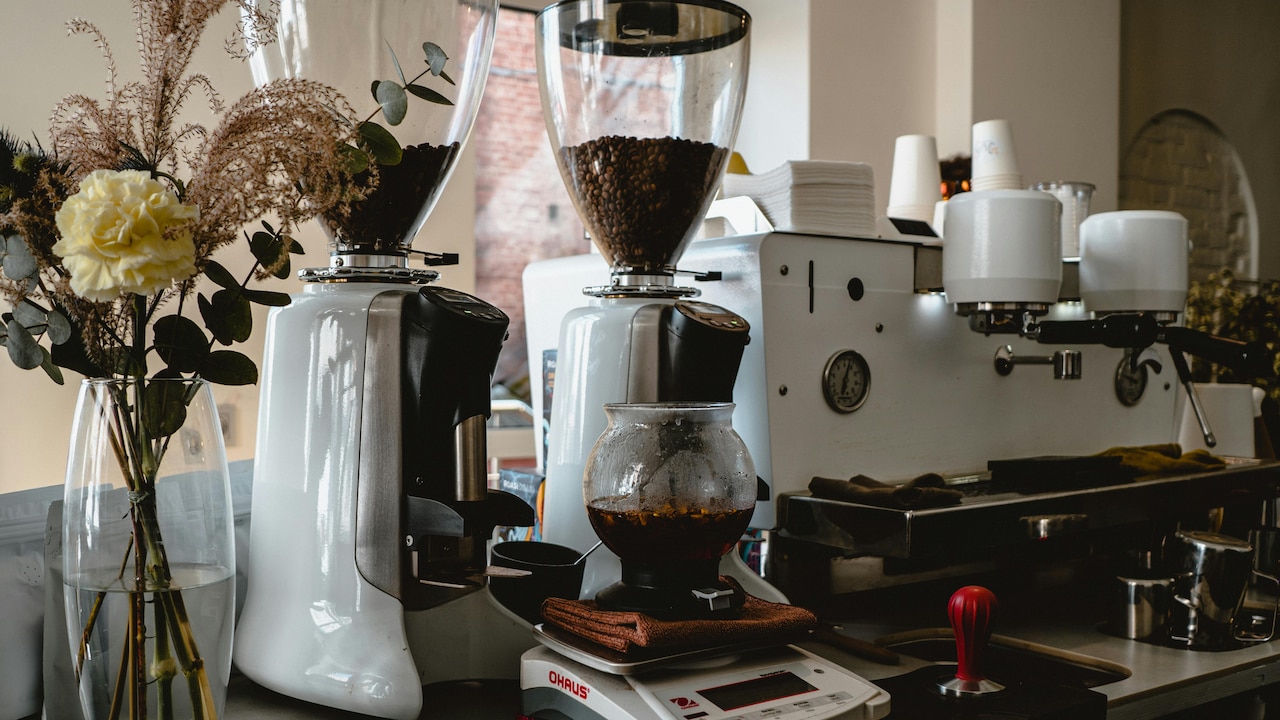
Look for coffee makers with stronger steam systems to create different drinks at home; Photo Credit: Pexels
Build Quality Protects Pressure Consistency
Internal pressure systems rely heavily on durable construction. Poor materials often lead to leaks, pressure drops, and declining performance. Plastic-heavy designs may reduce costs, but they frequently compromise long-term reliability.
Many budget coffee makers appear attractive during online sales, yet hidden shortcuts emerge after months of use. Seals weaken, pumps strain, and brewing quality deteriorates. Suddenly, the affordable purchase feels less like savings and more like recurring disappointment.
Machines with stainless steel components or stronger internal engineering tend to preserve pressure consistency more effectively. They often withstand regular use better, particularly in busy households where multiple cups fuel packed schedules.
While sturdier machines may command higher prices, durability protects value over time. Replacing a flimsy ₹4,500 machine every year can quickly exceed the cost of a better-built ₹9,000 option.
Strong construction does not merely influence aesthetics. It safeguards brewing performance, ensuring pressure remains reliable long after the novelty of purchase fades.
Pre-Infusion Features Enhance Extraction
Pre-infusion may sound fancy, but it serves an essential practical purpose. This process gently wets coffee grounds before full-pressure extraction begins, allowing for more even saturation.
Budget machines often skip pre-infusion entirely, which can result in channelled extraction where water rushes unevenly through grounds. This creates weak or inconsistent flavour profiles.
Machines featuring pre-infusion technology, even in affordable mid-range categories, often produce noticeably superior coffee. The process encourages balanced extraction, leading to richer taste and smoother finishes.
For those seeking stronger brews without bitterness, pre-infusion can quietly outperform many superficial upgrades. It represents one of those hidden features that genuinely influences cup quality.
In busy homes, where every morning begins with urgency, better extraction can feel like an underrated luxury. Coffee becomes less about caffeine survival and more about genuine enjoyment.
Grind Compatibility Affects Pressure Performance
Even excellent pressure systems struggle if coffee grind size does not match machine requirements. Cheap coffee makers frequently offer limited flexibility, working poorly with inconsistent pre-ground coffee.
Fine grinds can choke weak machines, while coarse grinds produce watery results. Machines with adaptable pressure systems or grind tolerance provide more reliable brewing outcomes.
For households relying on readily available grocery coffee rather than specialised fresh grinds, compatibility becomes particularly important. A forgiving machine helps bridge convenience and quality.
Ignoring this relationship often leads users to blame machines unfairly when grind mismatch causes weak coffee. Pressure and grind operate as partners, not separate elements.
Choosing machines with user-friendly pressure designs allows greater versatility, reducing brewing frustration. This proves especially useful for families balancing quality aspirations with practical daily routines.
Maintenance Preserves Brewing Strength
Even the best pressure system declines without proper maintenance. Mineral buildup, clogged valves, and neglected cleaning routines can sabotage extraction quality over time.
Affordable machines often require more vigilant upkeep because lower-cost components may prove more vulnerable to scaling and wear. Yet many users overlook maintenance entirely, blaming machines rather than neglected care.
Regular descaling, cleaning steam wands, and checking seals can significantly preserve pressure performance. These simple habits often extend machine lifespan while protecting coffee quality.
Skipping maintenance transforms even decent machines into weak performers. Like any hardworking kitchen companion, coffee makers reward care with consistency.
For households mindful of expenses, proper upkeep offers one of the smartest ways to maximise investment. A well-maintained ₹7,000 machine can outperform a neglected ₹20,000 one surprisingly quickly.
Marketing Hype Often Distracts From Real Features
Shiny buttons, colourful displays, and celebrity endorsements frequently dominate coffee machine advertising. Yet these extras rarely improve brewing quality.
Pressure consistency, pump strength, temperature control, and build durability matter far more than aesthetic gimmicks. Unfortunately, many buyers fall for style over substance, lured by promotional buzz.
A machine may look sophisticated enough to belong in a luxury café, but if pressure systems disappoint, appearances become meaningless. Strong coffee depends on engineering, not glamour.
Savvy shoppers benefit from researching functional features rather than impulse-buying flashy bargains during festive sales. Honest performance nearly always beats exaggerated promises.
Great coffee should comfort, energise, and occasionally rescue dreadful Monday mornings. It should not become a daily reminder of poor purchasing decisions.
Products Related To This Article
1. De'Longhi Dedica Style Espresso Machine with Milk Frother
2. AGARO Royal 4 Big Cups Drip Coffee Maker, 600 Ml Borosilicate Glass Carafe Jar
3. Borosil Brew Pro Drip Coffee Machine with Borosilicate Glass
4. Wonderchef French Press Coffee & Tea Maker 350 ml|Borosilicate Glass Carafe
5. Morphy Richards Europa Drip Espresso Coffee Machine
6. Wonderchef Regenta Espresso Coffee Machine, 19-bar
7. DeLonghi La Specialista Touch Professional Coffee Machine with Cold Brew
Cheap coffee makers do not automatically guarantee weak coffee, but many fail because they compromise where it matters most: pressure systems. Genuine brewing strength depends on stable bar pressure, reliable pumps, consistent temperature, durable construction, and thoughtful features like pre-infusion or quality steam output.
For households seeking better coffee without extravagant spending, smarter feature selection matters far more than chasing the lowest price or flashiest design. A machine that respects extraction fundamentals can deliver deeply satisfying cups while keeping budgets intact.
Ultimately, coffee deserves more than hollow promises and watery shortcuts. By focusing on pressure-related essentials, buyers can brew stronger, richer coffee every morning and enjoy a far better return on every rupee spent.
(Disclaimer: This article may include references to or features of products and services made available through affiliate marketing campaigns. NDTV Convergence Limited (“NDTV”) strives to maintain editorial independence while participating in such campaigns. NDTV does not assume responsibility for the performance or claims of any featured products or services.)