Washing Machine Features That Actually Matter More Than Fancy Wash Modes
Skip the fancy wash modes. The real value lies in drum size, motor quality, water use, spin speed, fabric care, noise control and service support features that make daily laundry easier, cheaper and gentler on clothes.
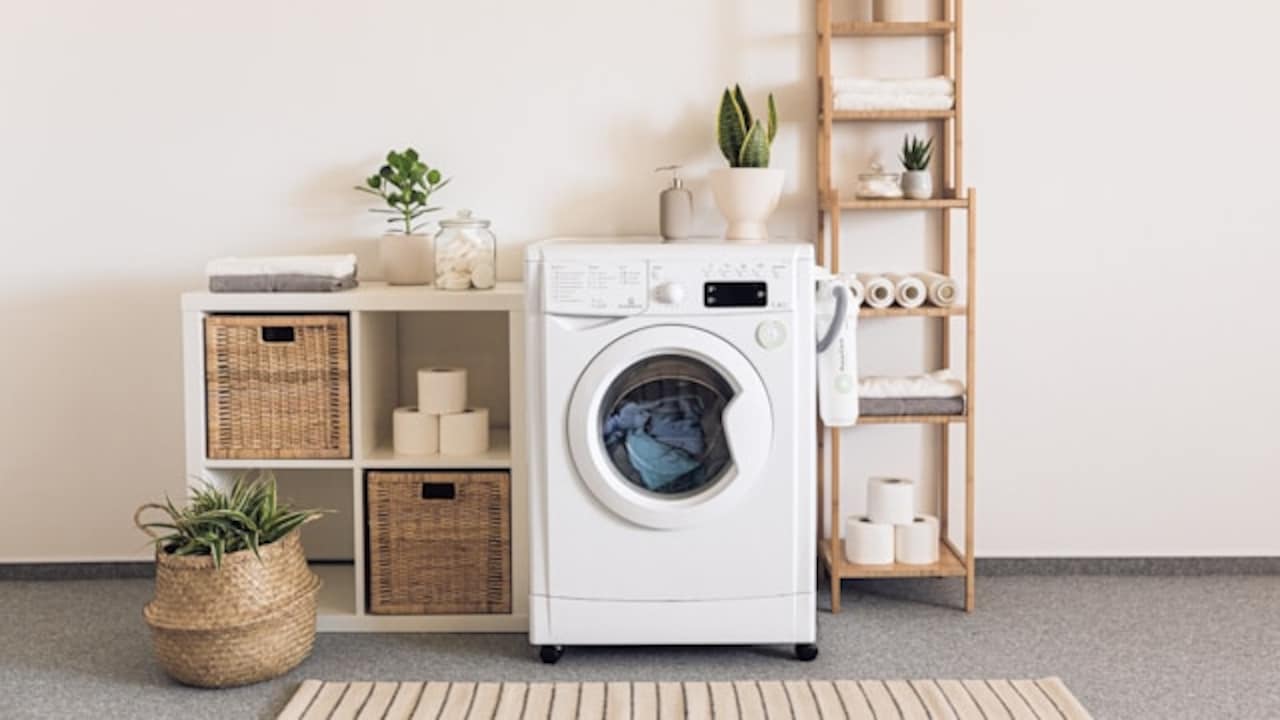
How to choose a washing machine based on features that actually matter
A washing machine has one main job: take dirty clothes in and return them fresh, clean, and wearable. Simple enough. Yet shopping for one can feel like reading a menu at a restaurant where every dish has ten adjectives. Brands talk about bubble technology, smart sensors, special drums, silent motors, turbo cycles, and wash programmes for every possible fabric mood. The truth sits somewhere between marketing poetry and daily reality. Most households use the same two or three wash settings again and again. Cotton, quick wash, delicate, rinse and spin. That is usually the grand tour. The rest of the buttons often collect dust along with the warranty card.
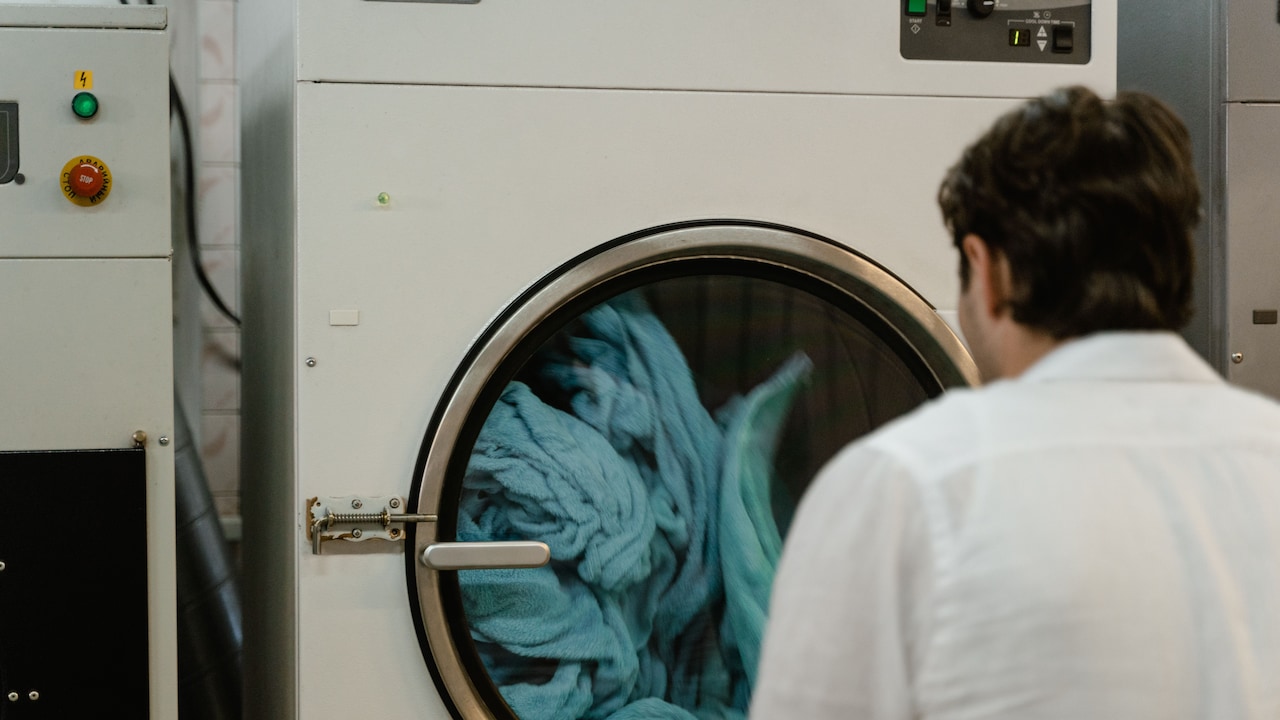
Explore the key washing machine features that actually matter while shopping for one; Photo Credit: Pexels
What matters more is how the machine behaves on a regular Tuesday morning when uniforms need washing, water pressure drops, the maid is on leave, and someone has left a tissue in a trouser pocket. The best features do not shout. They quietly reduce effort, save money, protect fabrics, and stop laundry from becoming a family argument.
Also Read: Front Load vs Top Load Washing Machines: Pros, Cons And How To Pick The Right One For Your Home
Features That Truly Make Laundry Easier
Drum Size That Matches Your Home
Capacity sounds boring until the laundry basket starts looking like Mount Everest. A washing machine that is too small forces extra loads, wastes time, and pushes up electricity and water use. One that is too large may cost more upfront and run half-empty most days, which makes little sense for a small household.
For a couple or one person, a 6 kg to 6.5 kg machine usually works well. A family of three or four often needs 7 kg to 8 kg. Bigger families, homes with children, or anyone washing bedsheets, towels, curtains, and winter wear regularly should look at 8.5 kg and above. Capacity should match real laundry habits, not showroom excitement.
Think beyond clothes. Double bedsheets, blankets, bath towels, and school uniforms all demand space. A cramped drum does not clean properly because clothes need room to move. Overloading also strains the motor and leaves detergent marks. A sensible drum size makes laundry smoother, protects the machine, and saves the weekly drama of running “just one more load”.
Strong Motor With Reliable Performance
The motor sits at the heart of the washing machine, though it rarely gets the attention it deserves. Fancy wash modes may look impressive on the panel, but a weak motor can turn every load into a tired performance. Clothes need steady movement, proper spinning, and enough power to handle heavy fabrics like jeans, towels, bedsheets, and school bags that somehow end up in the wash.
Inverter motors deserve serious attention. They adjust power based on the load, which helps reduce noise, energy use, and wear. Many also last longer because they use fewer moving parts. A direct drive motor can also help, as it connects directly to the drum and cuts down vibration.
A good motor matters even more where laundry piles up fast. Think cricket uniforms, office shirts, gym clothes, kitchen towels, and the mysterious stack that appears after guests leave. A reliable motor handles this without sounding like a mixer grinder fighting for its life. It may not sound glamorous, but it makes the machine dependable for years.
Energy Efficiency That Saves Every Month
A washing machine does not need to wear a superhero cape to save money. It simply needs to use electricity wisely. Energy efficiency matters because laundry happens again and again. A difference that looks small on one wash can become noticeable over a year, especially in homes where the machine runs almost daily.
Star ratings help, but they should not be the only deciding factor. Look for machines that manage load sensing, efficient motors, and shorter effective cycles. Inverter technology often helps because the motor does not run at full power all the time. Front-load machines usually use less water and often clean well with lower energy use, though they cost more upfront.
Many buyers focus only on the purchase price. That feels practical at the shop, but monthly bills tell the bigger story. Paying ₹3,000 or ₹5,000 extra for a more efficient model may make sense if it cuts running costs and lasts longer. A washing machine should not behave like a hidden electricity thief tucked neatly near the bathroom.
Water Usage And Low-Pressure Handling
Water supply can turn laundry plans upside down. Some homes get strong water pressure. Others deal with slow taps, tank timing, borewell issues, or those mornings when everyone in the building seems to use water at once. A washing machine that handles low water pressure well can save plenty of frustration.
Front-load machines generally use less water than top-load machines. That makes them attractive in areas where water bills, tankers, or supply limits matter. However, top-load machines often feel easier to use and may suit homes where bending becomes uncomfortable. The better choice depends on space, habits, and water availability.
Automatic load sensing also helps. The machine measures the load and uses the right amount of water instead of filling the drum blindly. That saves water and improves wash quality. Some models also allow manual water level selection, which gives more control.
A machine should rinse detergent properly even with moderate pressure. Poor rinsing leaves clothes stiff, itchy, and dull. Clean clothes should smell fresh, not like a detergent advertisement gone wrong.
Wash Quality In Daily Conditions
A washing machine should clean real clothes, not just perfect lab samples. Daily laundry includes sweat, dust, food stains, oil marks, collar grime, turmeric spots, mud, and the occasional chutney disaster. Wash quality matters far more than having twenty wash modes with names nobody remembers after purchase.
Good wash quality comes from drum movement, water flow, detergent mixing, soak options, and rinse performance. Some machines create better fabric movement, helping detergent reach dirt more effectively. Others offer built-in heaters, which can improve cleaning for towels, bedsheets, baby clothes, and greasy stains. Hot water also helps during illness in the family, when hygiene feels more important than usual.
A soak feature deserves more love than it gets. Many stubborn stains loosen when clothes sit in detergent water before the main wash. This simple feature often works better than a fancy mode with a dramatic name.
The true test is not whether a machine has a “stain expert” button. The test is whether shirt collars, socks, pillow covers, and kitchen cloths come out properly clean without a second wash.
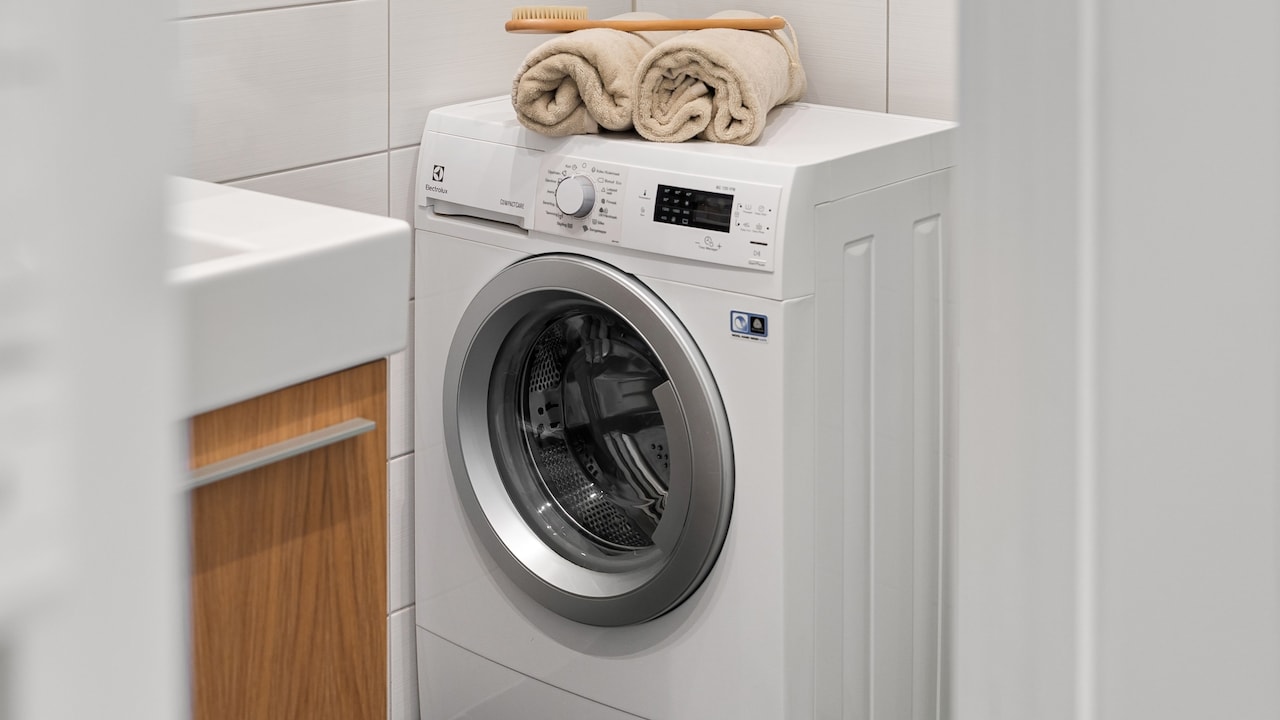
Ensure that the washing machine can clean thoroughly in everyday conditions; Photo Credit: Pexels
Spin Speed And Drying Help
Spin speed decides how much water the machine removes before clothes go on the drying stand. In humid weather, during the monsoon, or inside flats with limited balcony space, this feature becomes a quiet blessing. A good spin cycle can cut drying time and stop clothes from smelling damp.
Spin speed gets measured in RPM, or revolutions per minute. A higher RPM removes more water, but it may also crease clothes more or feel rough on delicate fabrics. Around 1000 RPM to 1200 RPM suits many homes well. For heavy towels and jeans, higher spin helps. For delicate kurtas, soft T-shirts, or embroidered clothes, a gentler spin works better.
Look for adjustable spin speed rather than only chasing the highest number. Control matters. Clothes differ, and so do drying needs. A school uniform needed by morning deserves a stronger spin. A festive outfit with delicate work needs kindness.
In many homes, a washing machine does not just wash. It helps manage drying space, weather mood swings, and the race against office time.
Built-In Heater For Better Cleaning
A built-in heater may not sound exciting, but it can make a clear difference. Hot water helps dissolve detergent, loosen oil, remove sweat smells, and improve hygiene. It also helps wash towels, bedsheets, socks, gym wear, and clothes used during fever or seasonal infections.
This does not mean every load needs hot water. Daily clothes often wash well in normal water, especially with good detergent and the right cycle. But having temperature control gives useful flexibility. A warm wash can refresh dull whites, remove body odour, and handle greasy kitchen cloths better than cold water.
Many homes still depend on bucket soaking with hot water for stained clothes. A machine with a heater reduces that extra step. It also keeps water temperature consistent, unlike adding a mug of hot water and hoping for magic.
The key feature to check is adjustable temperature, not just one hot wash setting. Different fabrics need different care. Cotton towels enjoy warmth. Delicate synthetics may not. A built-in heater gives cleaning power when needed without turning every wash into a fabric punishment.
Fabric Care And Drum Design
Clothes cost money, and some carry memories too. A favourite kurta, a crisp office shirt, a child's first school uniform, or a soft bedsheet bought during a festive sale deserves gentle handling. That is why drum design matters.
A good drum moves clothes without rubbing them harshly. Smooth patterns, rounded edges, and well-designed paddles reduce fabric damage. Some machines use special drum textures to protect garments while still creating enough movement for cleaning. This matters for cotton, rayon, silk blends, sportswear, and delicate daily wear.
Gentle wash options also help. Not every fabric needs a full-strength beating. A useful delicate cycle, adjustable spin, and proper water level do more for clothes than ten decorative modes.
Fabric care also includes detergent handling. Too much detergent, poor rinsing, or rough spinning can fade colours and weaken fibres. The right machine helps prevent that. It should clean without making clothes look tired after a few months.
A washing machine should not treat every garment like a floor mat. Good fabric care keeps wardrobes fresher, brighter, and worth the money spent.
Noise And Vibration Control
A noisy washing machine can disturb the whole home. It starts with a mild hum, then becomes a drum performance loud enough to compete with pressure cooker whistles, ceiling fans, and neighbourhood traffic. In flats, noise and vibration matter even more because walls, floors, and neighbours join the story.
Good vibration control comes from motor design, drum balance, suspension, and machine build quality. Inverter and direct drive motors often run more quietly. A stable body also helps, especially during high-speed spinning. Some machines detect imbalance and adjust the load before spinning too fast.
Noise levels become important for families that wash clothes at night or early morning. Many people run the machine after office hours, when electricity use, water timing, or household routine allows it. A quieter model makes that easier.
Installation also matters. Even the best machine shakes if it stands unevenly. Proper levelling can reduce noise dramatically. Still, a well-built machine gives better results from the start. Peaceful laundry may not sound like a luxury until the spin cycle starts during an online meeting.
Service Network And Spare Parts
A washing machine is not a one-season gadget. It should run for years. That makes service support one of the most important features, even though it never appears in glossy ads. Before buying, check whether the brand has reliable service in your city or town. A machine with amazing features becomes a headache if repairs take weeks.
Spare parts matter too. Common parts such as inlet valves, drain pumps, belts, hoses, door locks, filters, and control boards should not cost a small fortune or vanish from the market after a few years. A slightly less fancy model from a brand with strong service may serve better than a feature-heavy machine with weak support.
Warranty terms also need attention. Motor warranty often sounds long, but it may not cover labour, plastic parts, electronics, or visit charges. Reading the details prevents surprises later.
Homes depend heavily on washing machines now. When one stops working, laundry piles up with stunning speed. Good service support keeps that pile from turning into a family emergency.
Smart Features That Truly Help
Smart features can help, but only when they solve real problems. A machine that connects to an app may sound modern, but nobody needs a phone notification just to learn that clothes are wet. Useful smart features include error alerts, cycle reminders, energy monitoring, auto-restart after power cuts, and basic troubleshooting guidance.
Auto-restart deserves special praise. Power cuts can interrupt wash cycles, especially in many neighbourhoods during summer or heavy rain. A machine that resumes from where it stopped saves water, detergent, and patience. Memory backup also helps when voltage fluctuation causes sudden pauses.
Delay start can also suit busy homes. Clothes can finish washing close to the time someone returns home, instead of sitting damp in the drum for hours. Some machines also offer child lock, which helps when curious little fingers treat buttons like a video game.
The best smart features reduce effort. The worst ones merely decorate the brochure. Before paying extra, ask whether the feature will help every week or only impress guests once. Practical intelligence beats showroom sparkle.
Products Related To This Article
1. Whirlpool 8 Kg 5 Star Inverter Supreme Care Front Load Fully Automatic Washing Machine with In-Built Heater
2. VW 7.5 kg 5 Star Aqua Spin Semi Automatic Top Load Washing Machine
3. Haier 6 kg 5 Star Oceanus Wave Drum Washing Machine Fully Automatic Top Load
4. Bosch 8 kg 5 Star Front Load Fully-Automatic Washing Machine
5. Samsung 7 kg, 5 Star, Eco Bubble Technology
6. Midea 7.5kg 5-Star Top Load
7. LG 7 Kg 5 Star Smart Inverter Technology Fully Automatic Top Load Washing Machine
Fancy wash modes look tempting because they promise an easier life. Yet most homes do not need a washing machine that behaves like a spaceship control panel. They need one that washes well, saves water, uses electricity sensibly, protects clothes, runs quietly, handles power cuts, and receives proper service when something goes wrong.
The features that matter most often sound plain: drum size, motor quality, energy efficiency, water handling, spin speed, heater, fabric care, noise control, service support, and genuinely useful smart functions. These features decide whether laundry feels manageable or maddening.
A good washing machine should fit into daily life without demanding too much attention. It should handle sweaty uniforms, office wear, bedsheets, towels, festive clothes, and monsoon laundry with steady confidence. Fancy modes may add charm, but practical features bring real comfort.
The smartest buy is not the machine with the longest list of programmes. It is the one that quietly earns its space at home, wash after wash, without turning laundry day into a soap opera.
(Disclaimer: This article may include references to or features of products and services made available through affiliate marketing campaigns. NDTV Convergence Limited (“NDTV”) strives to maintain editorial independence while participating in such campaigns. NDTV does not assume responsibility for the performance or claims of any featured products or services.)