Steam Mop Vs Regular Mop: Which One Makes Sense For Everyday Cleaning In Indian Homes?
Steam mop or regular mop? Here’s a practical comparison to help everyday homes choose the better option for cleaner floors, lower effort and smarter daily cleaning.

Steam Mop Vs Regular Mop: Which One Makes Sense For Everyday Indian Homes?
Every home has its own floor story. Some floors see school shoes racing in at 4 pm, some handle oil splutters from tadka, and some quietly collect dust five minutes after sweeping. The mop sits at the centre of this daily battle. For decades, the regular mop has done the job with a bucket, water and a bit of elbow grease. Now steam mops have entered the conversation with a sleek promise: hot vapour, less scrubbing and fewer cleaning liquids. Still, a shiny appliance does not automatically beat a humble mop. The best option depends on how your home runs. A compact flat may need quick daily cleaning. A large joint-family home may need something sturdier. A pet-friendly house may demand extra hygiene. A marble floor may need extra caution. So, before buying another cleaning tool that may end up behind the washing machine, it helps to compare both like sensible adults over chai.

Steam Mop Vs Regular Mop: Which One Makes Sense For Everyday Indian Homes?
Photo Credit: Pexels
Steam Mop Vs Regular Mop: Key Differences That Matter At Home
1. How Everyday Floors Actually Get Dirty
Floors in busy homes rarely face just one kind of mess. Fine dust sneaks in through windows, balconies and door gaps. Cooking oil travels farther than expected, especially in open kitchens. Bathroom slippers leave wet trails. Children drop food with the confidence of tiny emperors. During the rains, even the cleanest entrance mat gives up.
A regular mop handles visible dirt well. It spreads water across the floor, lifts dust and gives that familiar “freshly cleaned” look. But sticky patches need pressure, repeated rinsing and sometimes a second round. A steam mop works differently. It loosens grime with heat and can make dried spills easier to lift. That helps in kitchens, dining areas and corners where regular wiping feels like a wrestling match.
Still, steam does not replace sweeping. Loose dust, hair and crumbs need removal first. Otherwise, both mops only push mess around. The winner here depends on the dirt. For light dust, a regular mop works fine. For sticky, stubborn spots, steam feels more satisfying.
2. The Comfort Factor During Daily Cleaning
Nobody wants floor cleaning to feel like leg day at the gym. A regular mop needs a bucket, repeated dipping, wringing and bending, unless the set has a good spin mechanism. Traditional cloth mops can strain the back and wrists, especially in larger homes. For elderly family members or anyone with knee trouble, that routine can feel tiring.
A steam mop feels lighter in the process, even if the machine itself has some weight. Fill the tank, plug it in, wait for heat and glide it across the floor. There is no heavy bucket to drag from room to room. The cleaning pad collects dirt, and the steam does much of the loosening. That can make daily maintenance feel easier.
However, steam mops need access to plug points. The cord can annoy users in homes with furniture-packed rooms. Regular mops move freely from balcony to bedroom without asking for electricity. For comfort, steam wins on reduced bending and wringing. Regular mops win on simple movement and zero setup fuss.
3. Hygiene Without Turning The Home Into A Hospital
Clean floors do not need to smell like a clinic. Many households use strong phenyl or perfumed cleaners because fragrance feels like proof of hygiene. Yet heavy chemical use can bother babies, pets, older people or anyone sensitive to strong smells. This is where steam mops earn attention.
Steam uses heat to loosen dirt and reduce germs on sealed surfaces. It can freshen floors without pouring half a cap of cleaner into every bucket. That makes it appealing for bedrooms, play areas and homes where toddlers treat the floor like a dining table. It also reduces the sticky residue that some floor cleaners leave behind.
A regular mop can also maintain hygiene when used properly. Fresh water, clean mop heads and regular washing matter more than fancy fragrance. The problem begins when dirty water keeps moving across rooms or the mop head stays damp for hours. Then it becomes less of a cleaning tool and more of a travelling gossip aunty for germs.
For hygiene with less chemical use, steam has an edge. For basic cleanliness, a well-maintained regular mop still performs respectably.
4. Floor Type Can Change The Answer
Not every floor loves steam. That point deserves attention before anyone gets carried away by appliance excitement. Steam mops suit many sealed tile floors, including ceramic and vitrified tiles. These surfaces handle moisture and heat better, so steam cleaning often feels safe and effective.
Marble, natural stone, wooden flooring and laminate need more caution. Heat and moisture can affect finishes, polish or sealing over time. Even when a manufacturer says a floor can handle steam, the safer approach involves checking care instructions and testing a small corner first. A regular mop also needs care on delicate floors. Too much water can dull polish, seep into joints or leave stains.
In many homes, flooring changes from room to room. The kitchen may have tiles, the living room may have marble, and one bedroom may have laminate. A steam mop may work beautifully in one area and feel risky in another. A regular mop offers more control over water quantity and pressure. For mixed flooring, the old-school mop becomes more flexible, while steam works best where surfaces clearly support it.

Steam Mop Vs Regular Mop: Which One Makes Sense For Everyday Indian Homes?
Photo Credit: Pexels
5. Cost: The First Shock And The Slow Savings
The regular mop wins the price argument before the debate even begins. A bucket-and-mop set costs far less than a steam mop. Replacement cloths also stay affordable, and repairs rarely enter the picture. If something breaks, most neighbourhood stores offer a quick replacement. That simplicity has real value.
A steam mop costs more at the start. The price can feel high, especially for a household that already owns working cleaning tools. It may also need replacement pads, occasional descaling and careful storage. Electricity use adds a small running cost, though not usually enough to cause panic at the monthly bill.
The savings come from reduced use of floor cleaners, less physical effort and better handling of stubborn grime. For a home that buys many cleaning liquids or struggles with frequent sticky messes, steam can justify its place. For a small home with light dust and simple tiles, a regular mop may make more sense. The smarter question is not “Which is cheaper?” but “Which will actually get used every day?”
6. Time Matters More Than People Admit
Many cleaning debates ignore the one thing everyone secretly cares about: time. A regular mop can start instantly. Fill the bucket, add cleaner, mop the floor and move on. No waiting, no manual reading, no attachment drama. For quick morning cleaning before office, school or breakfast chaos, that speed matters.
A steam mop needs preparation. The tank needs water, the machine needs heating, and the pad needs fitting. After cleaning, the pad needs washing and drying. None of this feels difficult, but it adds steps. For people who like gadgets and routine, this feels manageable. For people who want the fastest possible cleanup, it may feel like extra homework.
Where steam saves time is during sticky cleaning. Dried dal near the dining table, tea stains near the sofa or greasy kitchen spots may need less scrubbing. Regular mops often need repeated passes. So, the regular mop starts faster, while the steam mop can finish tougher jobs with less effort. Daily dust favours the regular mop. Sticky reality gives steam a chance to shine.
7. Water Use And The Monsoon Problem
Water use matters, especially in apartments where storage, drainage and drying time all become part of the cleaning story. Regular mopping can use more water, particularly when the bucket turns muddy after one room and needs changing. Some people also believe that more water means better cleaning. Floors then stay wet longer, and someone inevitably walks across them five seconds later.
Steam mops use less water because they turn a small amount into vapour. Floors also tend to dry faster when used correctly. That can help during the rainy season, when humidity already makes everything feel slightly damp. Faster drying also reduces the chance of slippery floors, a serious concern in homes with children or older family members.
However, steam is not magic. Too much steaming in one spot can leave moisture behind. A regular mop, when squeezed properly, can also clean with modest water. The difference lies in habits. Careless regular mopping floods the floor. Careless steam cleaning overheats one patch. Sensible use makes both safer, but steam often helps people use less water without thinking too much.
Also Read: 5 OTG Ovens Suitable For Baking Small Batches Of Cakes, Cookies And Everyday Snack
8. Storage, Maintenance And Real-Life Laziness
Every cleaning tool must survive real-life laziness. A regular mop can stand in a corner, hang behind a door or live in the balcony with the bucket. It forgives rough handling. Wash the head, dry it well and replace it when it starts looking tragic. That is about it.
A steam mop asks for more respect. It needs dry storage, clean water, proper cord handling and pad washing after use. In areas with hard water, the appliance may need descaling to prevent mineral build-up. The pads need drying, or they start smelling like forgotten laundry. None of this feels impossible, but it does need discipline.
For households where appliances receive careful treatment, a steam mop can last well. For homes where every gadget slowly disappears under a pile of reusable bags, the regular mop may prove more practical. The best cleaning tool is not the fanciest one. It is the one that fits naturally into the household rhythm. A steam mop rewards consistency. A regular mop tolerates chaos with a brave face.
9. Safety Around Children, Pets And Elders
Safety often decides what works in a home. Regular mops create wet floors, and wet floors invite slips. Anyone who has shouted “Don't walk here!” after mopping knows the struggle. Spin mops reduce excess water, but rushed cleaning still leaves slick patches.
Steam mops reduce drying time, which helps. They also avoid strong-smelling cleaners, which can suit pets and small children. Yet steam itself needs care. The mop head gets hot, and curious toddlers or pets should not come close during use. The appliance also has a cord, which can turn into a trip hazard in crowded rooms.
A regular mop has fewer electrical risks and no heat, so it feels safer in that sense. But the bucket can spill, and cleaning liquids need careful storage away from children. Both tools demand common sense. Steam suits homes where adults can clean without interruption. Regular mops suit homes where cleaning happens amid constant movement. Neither deserves blind trust. Safe habits matter more than the tool.
10. Which One Suits Your Home Better
The regular mop makes sense for most everyday homes because it is affordable, flexible and easy to replace. It works on many floor types, needs no electricity and handles quick daily cleaning without ceremony. For small flats, rental homes, mixed flooring or tight budgets, it remains the dependable choice. It may not look glamorous, but it gets the work done.
A steam mop makes sense for homes with sealed tile flooring, frequent sticky messes, pets, toddlers or a strong desire to reduce chemical cleaners. It suits people who enjoy neat routines and do not mind maintaining an appliance. It can make kitchen cleaning easier and give floors a fresher feel without drowning them in scented liquids.
The ideal answer may even involve both. Use a regular mop for daily dust and fast cleaning. Bring out the steam mop for weekly deep cleaning, kitchen grime or post-party floor recovery. After all, homes do not follow showroom rules. They follow breakfast spills, muddy slippers, festival cooking and surprise guests. The best mop is the one that keeps up without adding drama.
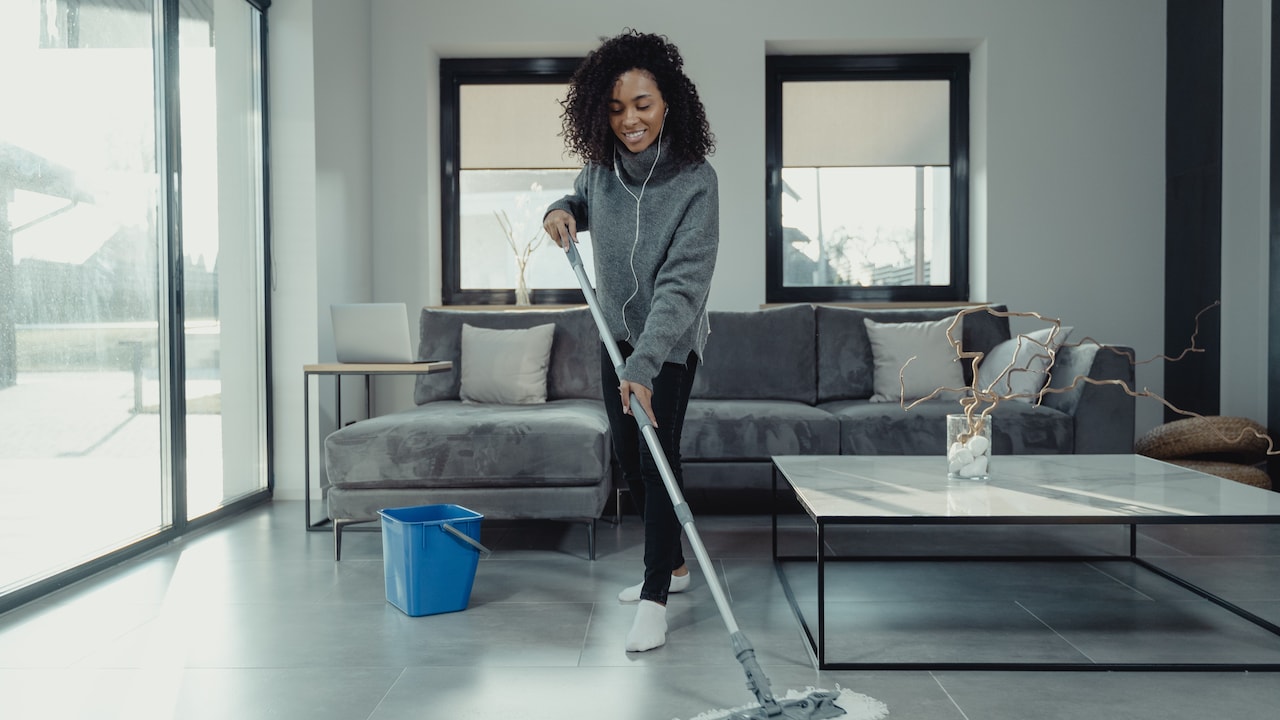
Steam Mop Vs Regular Mop: Which One Makes Sense For Everyday Indian Homes?
Photo Credit: Pexels
Products Related To This Article
1. Shark Steam & Scrub S8201IN Steam Mop
2. Spotzero by Milton Prime Stainless Steel Wringer Spin Mop with Big Wheel
3. AGARO Delite Spray Mop for Dry and Wet Floor Cleaning with Washable Microfiber Pad
4. Nexlev 10-in-1 Foldable Steam Cleaner & Mop| 2 Steam Modes
5. Mop Heavy Quality Floor with Bucket
6. Domestica Steamo 10-In-1 Steam Cleaner For Home Cleaning With 2 Steam Modes
7. Scotch-Brite Twin Bucket Spin Mop with Easy Wring & Rinse System
The steam mop versus regular mop debate does not need a dramatic winner. The regular mop offers low cost, flexibility and old-fashioned reliability. The steam mop offers convenience, better handling of sticky dirt and lower dependence on chemical cleaners. One suits quick daily cleaning. The other shines when floors need extra care.
For many households, the regular mop still makes the most practical sense. It is easy, familiar and forgiving. But a steam mop can become a smart upgrade when the flooring supports it and the cleaning routine needs a hygiene boost. Before buying, think about floor type, storage space, budget, plug points and who does the cleaning most often.
A clean home should not demand heroic effort. Whether the mop comes with a bucket or a power cord, the real goal stays beautifully simple: floors that feel fresh enough for bare feet, playtime, chai breaks and everyday life.
(Disclaimer: This article may include references to or features of products and services made available through affiliate marketing campaigns. NDTV Convergence Limited (“NDTV”) strives to maintain editorial independence while participating in such campaigns. NDTV does not assume responsibility for the performance or claims of any featured products or services.)