Why Your Washing Machine Leaves Clothes Smelly: Top 10 Tips To Avoid This
Smelly clothes after washing? The problem may be your machine, not your detergent. Discover 10 simple habits to keep laundry fresh, clean and free from stubborn odours.
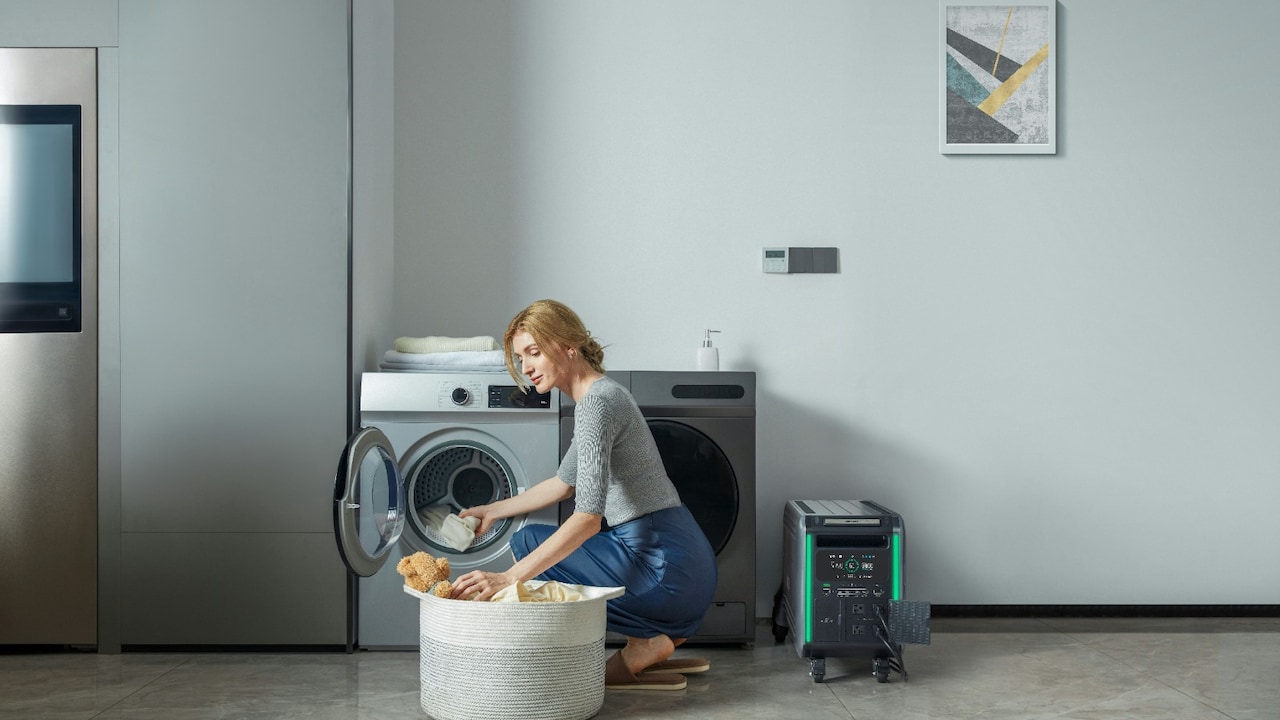
Why Your Washing Machine Leaves Clothes Smelly: Top 10 Tips To Avoid This
Nothing feels quite as disappointing as pulling out “clean” clothes that don't smell clean at all. That faint musty odour can linger on shirts, towels, and even bedsheets, making all the effort of washing seem wasted. Many assume the issue lies in cheap detergent powder or poor-quality water, but the real problem often sits right inside the washing machine.
Modern machines promise convenience, yet they also demand proper care. Without regular attention, they can become breeding grounds for bacteria, mould, and residue. Add humid weather, hard water, and overloaded drums to the mix, and the problem multiplies quickly.
The good news? Fixing this doesn't require expensive repairs or fancy products. A few thoughtful habits and small changes can transform laundry results completely. The following tips break down the most common reasons behind smelly clothes and offer simple solutions that fit seamlessly into everyday routines.
Why Your Washing Machine Leaves Clothes Smelly: Top 10 Tips To Avoid This; Photo Credit: Pexels
Overloading The Machine Creates The Perfect Mess
Stuffing the washing machine to the brim may seem efficient, especially during busy weekdays. Fewer loads mean saved time and electricity bills, right? Unfortunately, an overloaded drum prevents clothes from moving freely. Without proper movement, detergent fails to spread evenly, and dirt remains trapped in fabrics.
Clothes need space to tumble, rub, and rinse properly. When packed too tightly, water circulation drops. This creates pockets where grime and sweat linger, leading to that unpleasant smell once the cycle ends.
A common scene unfolds during festive seasons or after vacations, when laundry piles up, and the machine becomes a battlefield. The temptation to push “just one more shirt” into the drum often backfires.
Leaving a little room, about a hand's width at the top, ensures better cleaning. Clothes come out fresher, and the machine works more efficiently. It might mean running an extra load, but that small effort saves from rewashing clothes again, which costs both time and money in the long run.
Using Too Much Detergent Does More Harm Than Good
More detergent does not equal cleaner clothes. In fact, excess detergent leaves behind a sticky residue inside the drum and on fabrics. Over time, this residue becomes a magnet for bacteria and mould, which leads to unpleasant odours.
High-efficiency machines especially require smaller amounts of detergent. Yet, many continue pouring generous quantities, assuming it boosts cleaning power. Instead, it creates a film that traps dirt rather than removing it.
This issue becomes more noticeable in areas with hard water. Detergent struggles to dissolve fully, leaving behind soap scum. The result? Clothes that look clean but smell off.
Measuring detergent carefully makes a significant difference. Following the instructions on the packet helps avoid unnecessary buildup. Switching occasionally to liquid detergent can also reduce residue, as it dissolves more easily.
A balanced approach keeps both the machine and clothes in better condition. Less really does mean more when it comes to detergent.
Also Read: Discover These 5 Washing Machines At ₹20,000
Ignoring The Washing Machine's Own Hygiene
A washing machine may clean clothes, but it also needs cleaning. Over time, detergent residue, lint, and dirt collect inside hidden corners, especially in the drum, pipes, and filters. This buildup creates the perfect environment for bacteria to thrive.
Many households forget this simple maintenance step. The machine keeps running, so everything seems fine. Yet, a faint smell begins to develop, slowly transferring to clothes.
Running an empty hot cycle once a month can work wonders. Adding a cup of white vinegar or a specialised cleaner helps break down residue. The difference often becomes noticeable immediately; clothes smell fresher, and the machine feels cleaner.
Neglecting this step is like washing dishes in a dirty sink. No matter how much effort goes into cleaning, the results remain compromised.
Regular care ensures the machine continues to do its job effectively, without turning into the source of the problem.
Leaving Wet Clothes Sitting Too Long
Life gets busy. A quick wash starts, and then a phone call, traffic, or an unexpected errand delays things. By the time clothes come out, they have sat in the drum for hours.
This delay creates the perfect conditions for mildew. Warm, damp environments encourage bacterial growth, which leads to that unmistakable musty smell.
Even a couple of hours can make a difference, especially during humid weather. Towels and heavier fabrics are particularly prone to this issue.
The solution is simple: remove clothes as soon as the cycle ends. If that's not possible, running a quick rinse cycle before drying can help refresh them.
Creating a routine around laundry timing can prevent this entirely. It might seem like a small habit, but it plays a big role in keeping clothes smelling truly clean.

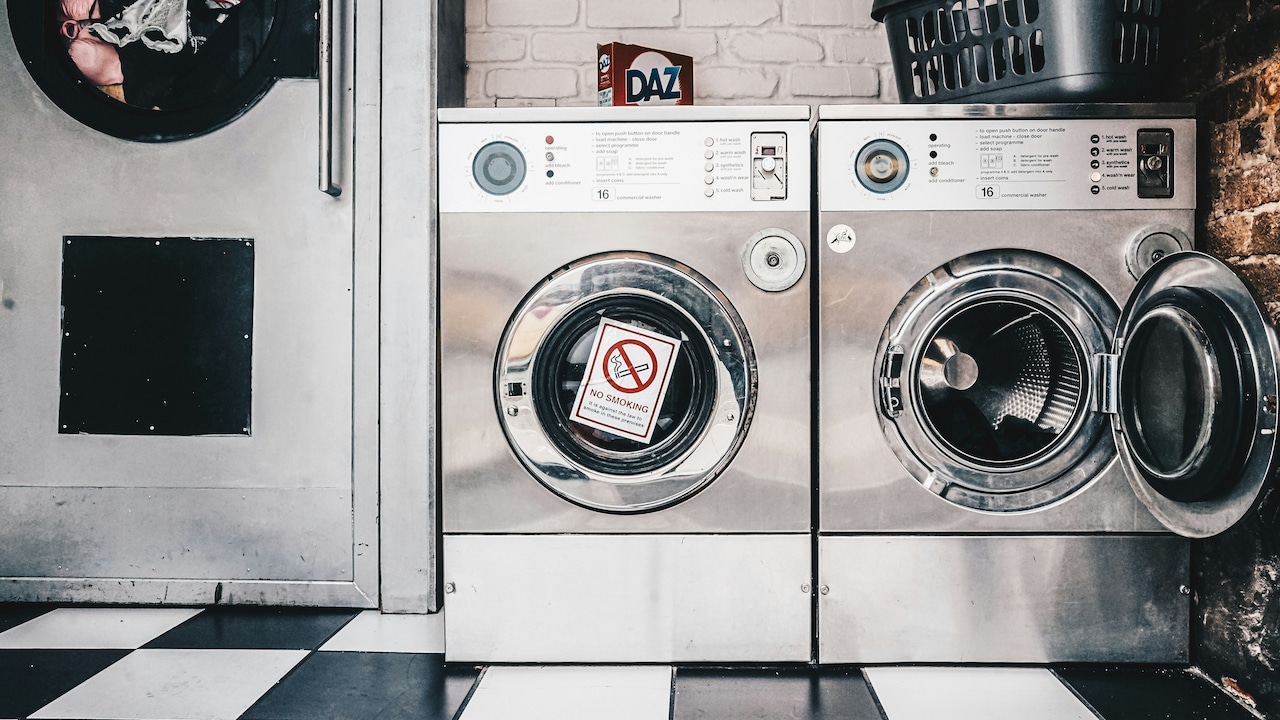
Why Your Washing Machine Leaves Clothes Smelly: Top 10 Tips To Avoid This; Photo Credit: Pexels
Not Drying Clothes Properly
Drying plays just as important a role as washing. Even perfectly washed clothes can develop a bad smell if they don't dry properly.
In many homes, clothes are dry indoors or in shaded areas due to limited space. While convenient, poor air circulation slows down drying and traps moisture in fabrics. This leads to that familiar damp smell.
Sunlight acts as a natural disinfectant. Whenever possible, drying clothes under direct sunlight helps eliminate bacteria and keeps fabrics fresh. The crisp scent of sun-dried clothes often feels unmatched.
During monsoon months, this becomes more challenging. Using fans, well-ventilated spaces, or even indoor drying racks placed near windows can help speed up the process.
Ensuring clothes dry completely before folding or storing them makes a noticeable difference. Half-dried garments may seem fine initially, but quickly develop unpleasant odours later.
Using Cold Water For Everything
Cold water saves energy and protects delicate fabrics, but relying on it for every wash can cause issues. Grease, sweat, and detergent residue don't dissolve as effectively in cold water.
Over time, this leads to a buildup inside both the machine and the clothes. The result is a subtle but persistent smell that doesn't go away easily.
Hot water cycles, used occasionally, help break down oils and bacteria more effectively. Bedding, towels, and heavily used clothes benefit greatly from warmer washes.
This doesn't mean switching entirely to hot water. A balanced approach works best, cold water for everyday clothes and hot water for deeper cleaning.
Think of it as giving the washing machine a reset every now and then. It keeps everything running smoothly and prevents hidden buildup from turning into a bigger problem.
Neglecting The Rubber Gasket And Detergent Drawer
Front-load machines often hide dirt in places that aren't immediately visible. The rubber gasket around the door and the detergent drawer collect water, lint, and residue over time.
These areas remain damp long after the wash cycle ends, making them ideal spots for mould growth. A glance may not reveal much, but a closer look often tells a different story.
Cleaning these parts regularly can prevent odours from spreading. Wiping the gasket with a dry cloth and occasionally washing the detergent drawer keeps things in check.
It's a small task that takes only a few minutes but makes a big difference. Ignoring these hidden areas often leads to recurring odor issues, despite how well clothes are washed.
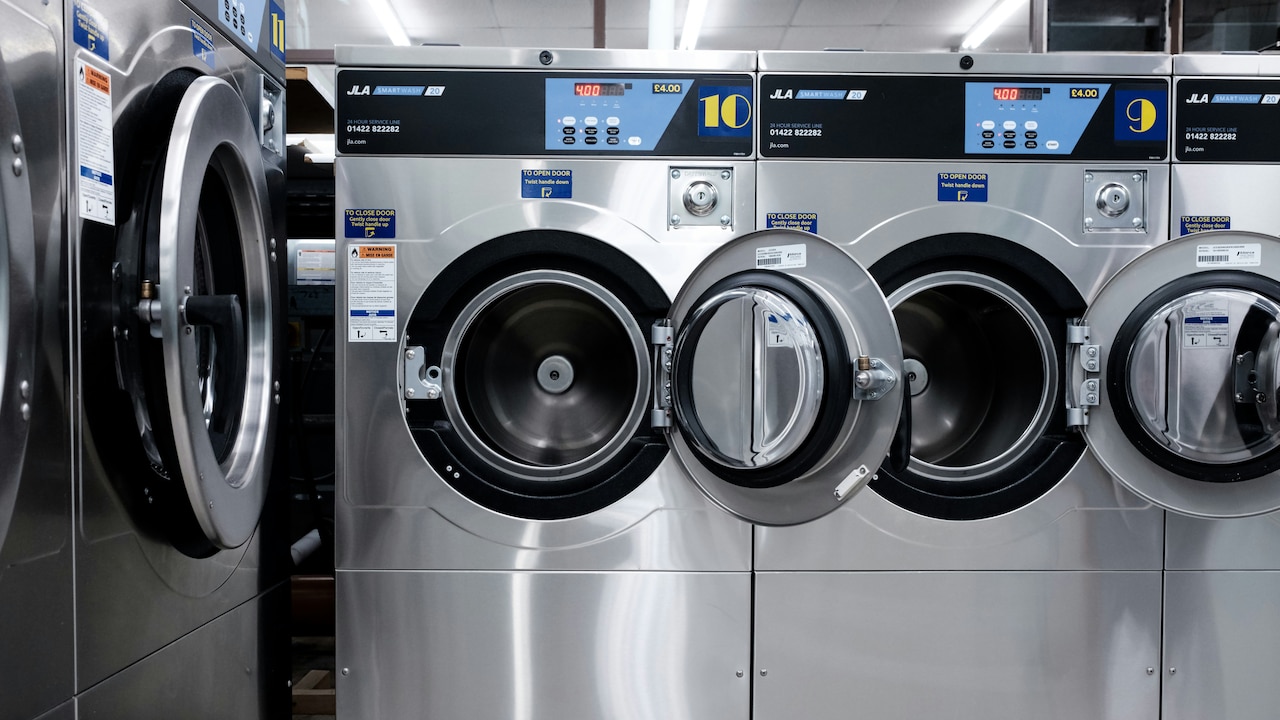
Why Your Washing Machine Leaves Clothes Smelly: Top 10 Tips To Avoid This; Photo Credit: Pexels
A clean machine from the inside ensures fresher results every time.
Using Low-Quality Or Wrong Detergent
Not all detergents work the same way. Some leave behind residue, while others struggle to clean effectively, especially in hard water conditions.
Choosing a detergent that suits the type of machine and water quality matters more than many realise. Cheaper options may save a few rupees initially, but often lead to repeated washing and lingering smells.
Liquid detergents tend to dissolve better, while powder detergents can sometimes leave traces behind if not used properly.
Experimenting with different options can help find what works best. Once the right match is found, the difference becomes quite noticeable: cleaner clothes, better fragrance, and fewer wash cycles.
Investing in a good detergent doesn't have to be expensive. It simply needs to be effective for the specific needs of the household.
Hard Water Leaves Behind Hidden Residue
Hard water is a silent troublemaker. It contains minerals like calcium and magnesium, which interfere with detergent performance. Instead of cleaning effectively, the detergent forms a residue that sticks to clothes and the machine.
This residue traps dirt and bacteria, leading to unpleasant smells over time. Clothes may feel stiff or look slightly dull as well.
Installing a water softener or using water conditioners can help tackle this issue. Even adding a small amount of baking soda during washes can improve results.
Many people don't realise the role water quality plays in laundry. Yet, addressing this one factor can significantly improve how clothes smell and feel after every wash.
It's a subtle change with a noticeable impact.
Keeping The Machine Closed All The Time
After a wash, many shut the machine door immediately. While it may seem neat, it traps moisture inside, creating the perfect environment for mould and bacteria.
Leaving the door slightly open allows air to circulate and dries out the interior. This simple habit prevents odours from developing in the first place.
The same applies to the detergent drawer. Keeping it ajar helps reduce moisture buildup.
It's a small change that doesn't require any effort or cost. Yet, it plays a crucial role in maintaining a fresh-smelling machine.
Sometimes, the simplest habits make the biggest difference.
Products Related To This Article
1. Bosch 8 kg, 5 Star, AI Active Water+, Anti-Tangle
2. Midea 9.5 Kg 5 Star Toughened Glass Semi Automatic Top Load Washing Machine Black White
3. VW 7.5 kg 5 Star Aqua Spin Semi Automatic Top Load Washing Machine
4. Whirlpool 7 kg Magic Clean 5 Star Fully Automatic Top Load Washing Machine Grey
5. LG 7 Kg 5 Star Smart Inverter Technology Fully Automatic Top Load Washing Machine
Smelly clothes after washing can feel frustrating, but the solution often lies in small, everyday habits. From avoiding overload to ensuring proper drying, each step contributes to better results.
A washing machine works best when treated with care. Regular cleaning, mindful detergent use, and attention to detail can transform the entire laundry experience.
Fresh-smelling clothes don't require expensive products or complicated routines. They simply need a bit of consistency and awareness.
With these tips in place, laundry days can feel less like a chore and more like a satisfying ritual, one where every shirt, towel, and bedsheet smells exactly as it should: clean, crisp, and ready to use.
(Disclaimer: This article may include references to or features of products and services made available through affiliate marketing campaigns. NDTV Convergence Limited (“NDTV”) strives to maintain editorial independence while participating in such campaigns. NDTV does not assume responsibility for the performance or claims of any featured products or services.)