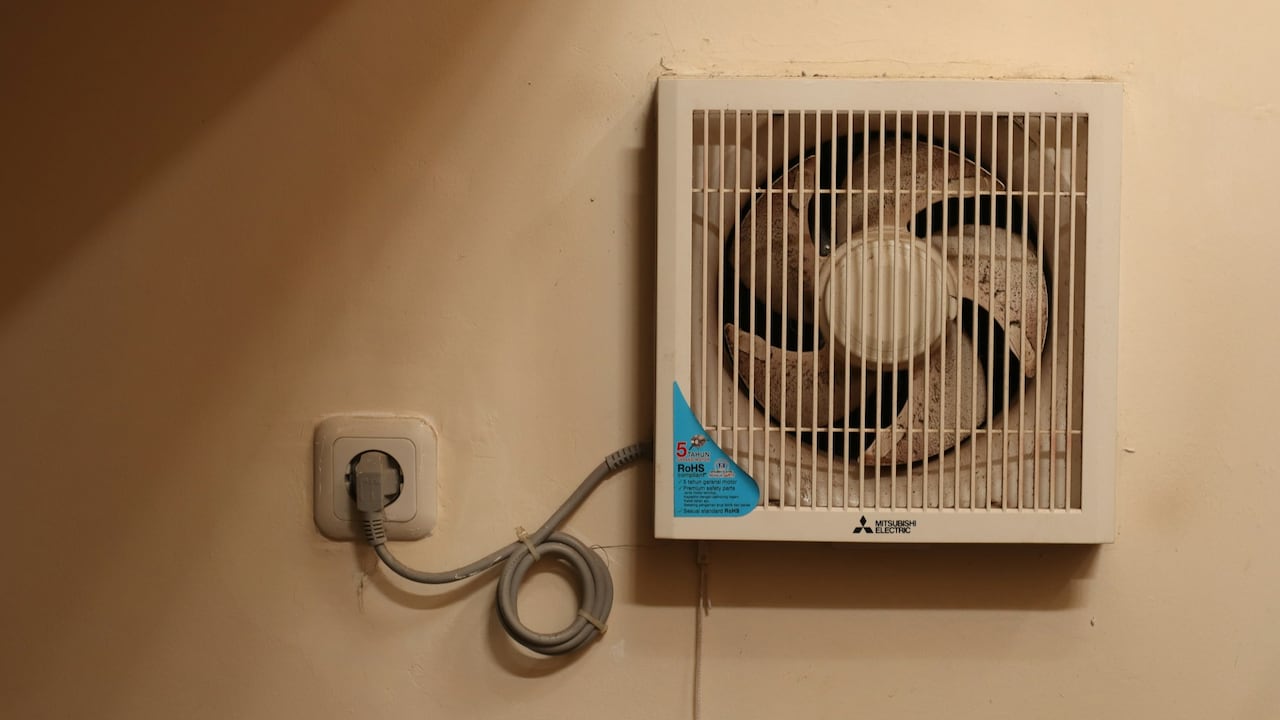
Room Still Hot After AC? Split ACs With Better Air Throw That Cool Faster
Room still warm despite the AC running? The issue may be poor air throw. Discover how split ACs with stronger airflow cool faster, reach every corner and make summer far more comfortable.
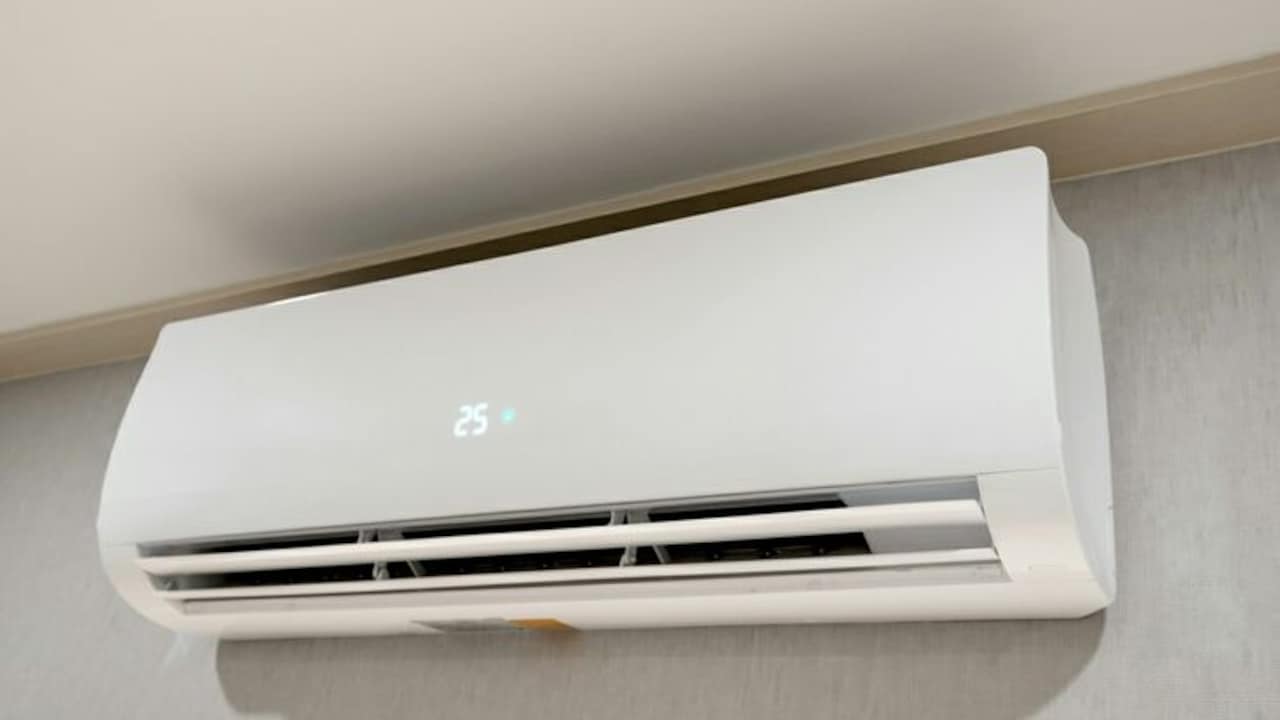
Room Still Hot After AC? Split ACs With Better Air Throw That Cool Faster
Summer has a way of testing patience. The fan whirs, the AC runs, and yet the room refuses to cool down evenly. One corner feels like a hill station morning, while the other could rival a roadside tea stall at noon. It's a familiar story in many homes. The instinct is to blame tonnage or even the electricity supply, but the real culprit often hides in plain sight: poor air throw.
Air throw refers to how far and how effectively cooled air travels across the room. A split AC with weak airflow might cool the area directly in front of it but leave the rest of the space untouched. On the other hand, a model with strong air circulation distributes cool air quickly and evenly, making the entire room comfortable in minutes.
Choosing the right AC today isn't just about capacity or brand. It's about how intelligently it moves air. And with temperatures climbing every year, that detail matters more than ever.
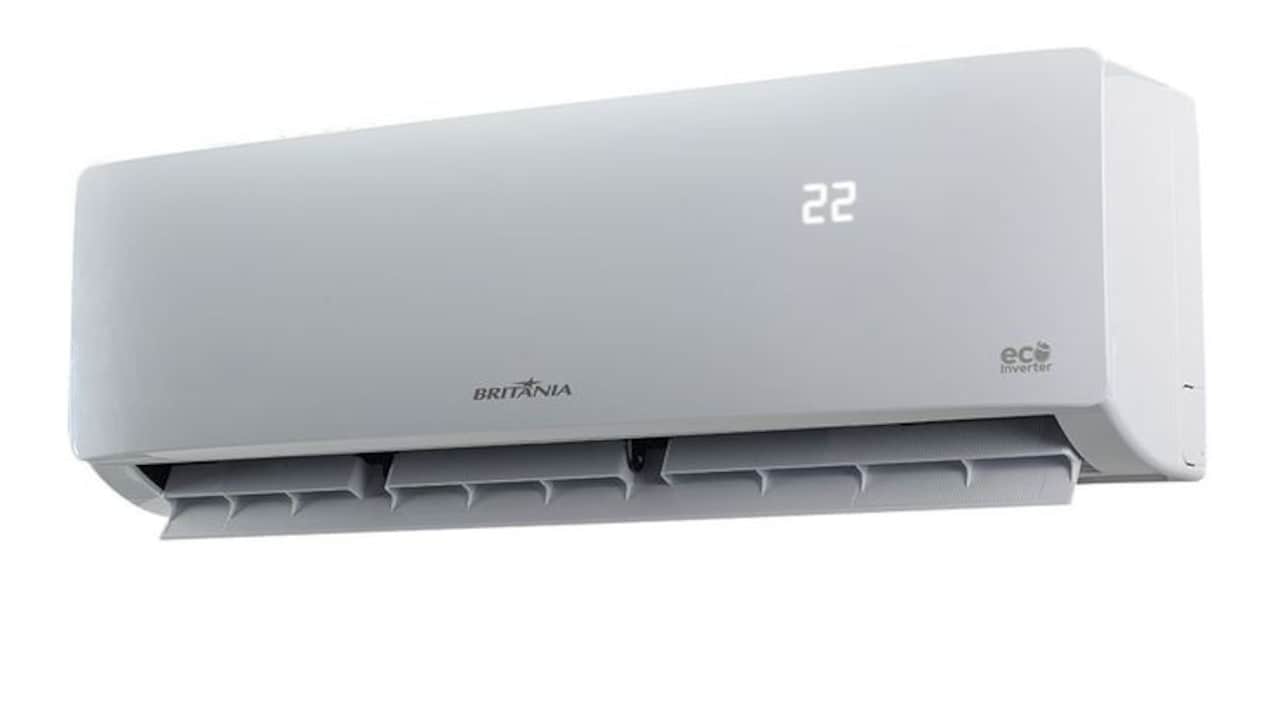
Room Still Hot After AC? Split ACs With Better Air Throw That Cool Faster; Photo Credit: Pexels
What Makes Some Split ACs Cool Rooms Quicker Than Others
Why Air Throw Matters More Than Tonnage
Many buyers fixate on tonnage, assuming a higher number guarantees faster cooling. Yet, a powerful AC without proper air throw behaves like a loudspeaker playing music only in one corner of the room. The cooling remains uneven, leaving pockets of discomfort.
Air throw ensures that conditioned air travels across the entire space. It pushes cool air towards distant walls and corners, reducing temperature differences within the room. Without this, even a 1.5-ton AC can feel underwhelming.
Think of a living room during a family gathering. Everyone sits in different spots, chatting and sipping chilled drinks. If the AC only cools the sofa area directly below it, the rest of the room stays warm. A good air throw eliminates this imbalance.
Modern split ACs now focus on wider louvres, better fan design, and stronger airflow. These features ensure that cooling isn't confined to a single direction. Instead, it wraps around the room, creating a consistent and pleasant environment.
The Role Of Wide Angle louvres
Wide-angle louvres have quietly become one of the most useful features in split ACs. These adjustable flaps control the direction of airflow, and when designed well, they spread cool air across a broader area.
Traditional ACs often direct air in a narrow stream. While this might feel strong initially, it fails to reach distant corners. Wide-angle louvres, however, move air horizontally and vertically, covering more ground in less time.
Picture a bedroom on a humid night. Without proper airflow, one side of the bed feels comfortable while the other remains sticky. Wide-angle louvres solve this by distributing air evenly across the entire space.
Some advanced models even offer auto-swing modes, where the louvres move continuously. This prevents cold spots and ensures consistent cooling. It also reduces the need to manually adjust airflow every time the room layout changes.
In essence, louvres act like the steering wheel of your AC's airflow. The better they are, the smoother and more effective the cooling experience becomes.
Also Read: Best Window AC Deals for summer Under 40,000
High Airflow Fans Make A Big Difference
At the heart of a strong air throw lies the fan inside the indoor unit. A high-performance fan can push larger volumes of air at greater distances, making the cooling process quicker and more efficient.
Older models often relied on basic fan designs that lacked power. As a result, cool air struggled to travel far from the unit. Newer split ACs, however, use advanced fan blades and motors to maximise airflow.
The difference becomes obvious during peak summer afternoons. A room with a high airflow AC cools down in minutes, while others take much longer. This not only improves comfort but also reduces electricity consumption, as the AC doesn't need to run at full power for extended periods.
Noise levels also matter. Modern fans manage to deliver strong airflow without sounding like a mini jet engine. This balance between power and quiet operation adds to the overall comfort.
In simple terms, a better fan doesn't just move air, it transforms how quickly a room feels livable again.
Turbo Cooling Modes And Their Impact
Turbo cooling has become a popular feature, especially in regions where temperatures soar past 40°C. This mode allows the AC to operate at maximum capacity for a short period, delivering rapid cooling.
However, turbo mode works best when combined with strong air throw. Without proper airflow, even the most powerful cooling burst remains localised. With good air circulation, the entire room benefits almost instantly.
Imagine returning home after a long commute in peak heat. The room feels like an oven. Switching on turbo mode in a well-designed AC can bring noticeable relief within minutes. The air reaches every corner, making the space comfortable quickly.
Of course, turbo mode isn't meant for continuous use. It consumes more electricity and works best as a quick cooling boost. Once the desired temperature is reached, the AC can shift back to normal operation.
When paired with efficient air throw, turbo cooling becomes less of a gimmick and more of a genuinely useful feature.
Room Still Hot After AC? Split ACs With Better Air Throw That Cool Faster; Photo Credit: Pexels
Room Size And Layout Still Matter
Even the best air throw cannot compensate for a mismatch between AC capacity and room size. A small unit in a large room will struggle, regardless of how well it distributes air.
Room layout also plays a crucial role. Furniture placement, ceiling height, and even curtains can affect airflow. A large wardrobe blocking the AC can disrupt air circulation, creating uneven cooling.
Open layouts, common in modern homes, present their own challenges. Cool air tends to escape into adjoining spaces, reducing efficiency. In such cases, choosing an AC with a strong air throw becomes even more important.
Ceiling fans can complement the AC by helping circulate cool air further. Running the fan at a low speed often improves overall comfort without interfering with the AC's performance.
Ultimately, while technology has improved significantly, basic factors like room size and layout still influence how well an AC performs.
Inverter Technology And Consistent Cooling
Inverter ACs have changed the way cooling works. Instead of switching on and off repeatedly, they adjust the compressor speed based on the room's temperature.
This continuous operation pairs beautifully with good air throw. The AC maintains a steady flow of cool air, preventing sudden temperature fluctuations.
Traditional ACs often create cycles of overcooling followed by warming. This not only feels uncomfortable but also wastes energy. Inverter models, combined with efficient airflow, keep the room consistently pleasant.
Electricity bills also benefit. By avoiding constant start-stop cycles, inverter ACs consume less power over time. For households concerned about rising electricity costs, this makes a noticeable difference.
The real charm lies in the experience. The room feels evenly cool, without sudden chills or warm patches. It's a subtle improvement, but once experienced, it's hard to go back.
Smart Features That Enhance Airflow
Modern split ACs now come equipped with smart features that go beyond basic cooling. Sensors, app controls, and intelligent modes all contribute to better airflow management.
Some models detect where people are in the room and direct airflow accordingly. Others adjust fan speed and louvre position automatically based on temperature changes.
Mobile apps allow users to control airflow settings remotely. This means the room can be cooled even before stepping inside. On a sweltering day, this small convenience feels like a luxury.
Voice control has also entered the scene. Adjusting settings without reaching for the remote adds a touch of ease to daily life.
While these features may seem fancy, they serve a practical purpose. They optimise how air moves within the room, ensuring comfort with minimal effort.
Room Still Hot After AC? Split ACs With Better Air Throw That Cool Faster; Photo Credit: Pexels
Energy Efficiency And Faster Cooling
A common concern with powerful airflow is energy consumption. Surprisingly, better air throw can actually improve efficiency.
When cool air spreads quickly and evenly, the AC reaches the desired temperature faster. This reduces the time the compressor needs to run at high power.
Energy ratings play a role here. A higher star rating combined with good airflow ensures both performance and savings. Over time, this can translate into noticeable reductions in electricity bills, especially during peak summer months.
Consider the long-term perspective. Spending a bit more upfront on an efficient AC can save thousands of rupees over its lifespan. With electricity costs steadily rising, this becomes an important factor.
In short, faster cooling doesn't always mean higher consumption. With the right design, it can actually work in your favour.
Maintenance Plays A Quiet But Crucial Role
Even the best AC loses efficiency without proper maintenance. Dust accumulation in filters and coils can block airflow, reducing air throw significantly.
Regular cleaning ensures that the AC performs at its best. Filters should be washed every few weeks, especially during heavy usage. Professional servicing once or twice a year helps maintain overall efficiency.
Neglecting maintenance often leads to uneven cooling, higher electricity bills, and reduced lifespan of the unit. The AC may still run, but it won't deliver the comfort it once did.
A well-maintained AC, on the other hand, continues to provide strong airflow and consistent cooling. It's a simple habit that makes a noticeable difference.
In many ways, maintenance is the unsung hero of effective cooling. It keeps everything running smoothly, without demanding much attention.
Choosing The Right Split AC For Your Needs
With so many options available, selecting the right AC can feel overwhelming. Yet, focusing on air throw simplifies the decision.
Look for models with wide-angle louvres, high airflow rates, and efficient fan designs. Consider inverter technology for consistent performance and energy savings.
Budget matters too. A good split AC typically ranges between ₹30,000 and ₹60,000, depending on features and capacity. While it's tempting to opt for the cheapest option, investing in better airflow often proves worthwhile.
Brand reputation, after-sales service, and warranty also play important roles. A reliable service network ensures peace of mind, especially during peak summer months.
Ultimately, the goal is simple: a room that cools quickly and evenly. With the right choice, that goal becomes easily achievable.
Products Related To This Article
1. Lloyd 0.8 Ton 3 Star Inverter Split AC
2. Carrier 1.5 Ton 5 Star, New Star rated, Flexicool Inverter Split AC
3. SHARP 1.5 Ton 5 Star Inverter Split AC
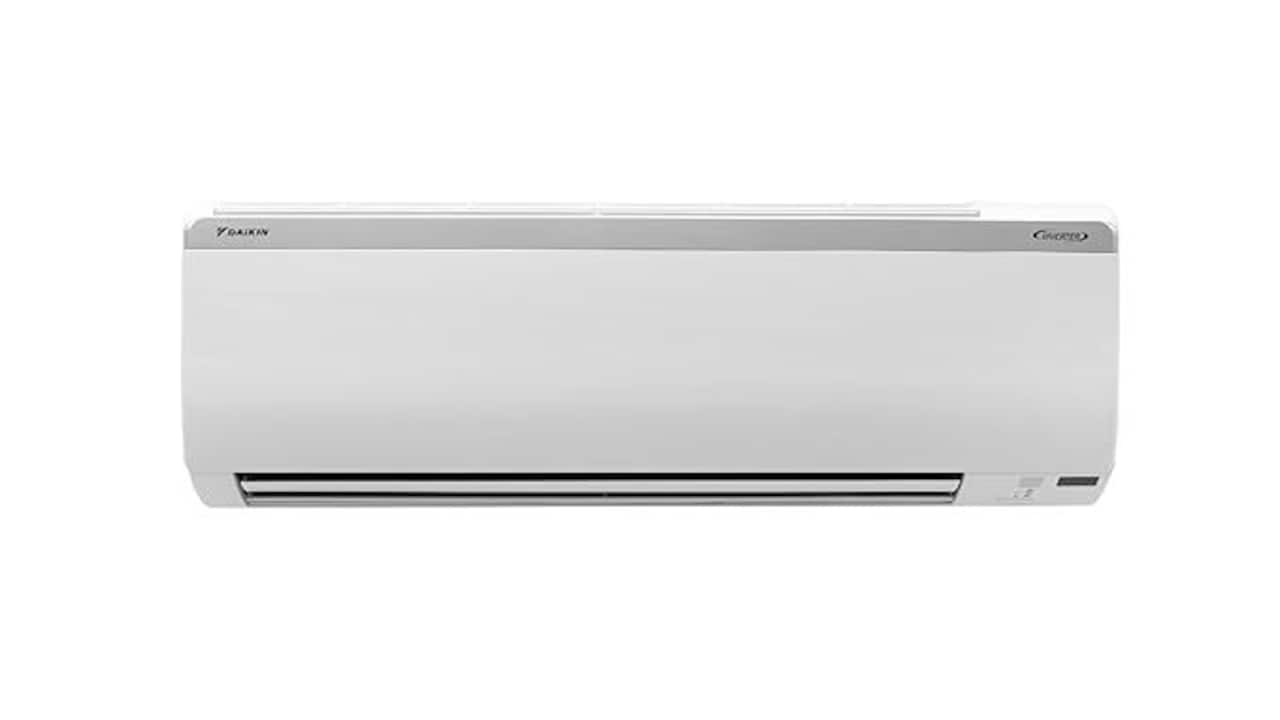
4. Daikin 0.8 Ton 3 Star, Fixed Speed Split AC
5. Panasonic 1.5 Ton 5 Star, New Star rated, Premium WiFi Inverter Smart Split AC
A hot room, despite a running AC, can feel like a small betrayal. Yet, the solution often lies not in increasing power but in improving airflow. Split ACs with better air throw redefine cooling by ensuring every corner of the room feels comfortable.
From wide-angle louvres to high-performance fans and smart features, modern ACs have evolved significantly. They are no longer just cool; they distribute comfort intelligently.
As temperatures continue to rise, choosing the right AC becomes more than a convenience. It becomes essential. And when the air flows just right, even the harshest summer day feels a little more bearable.
(Disclaimer: This article may include references to or features of products and services made available through affiliate marketing campaigns. NDTV Convergence Limited (“NDTV”) strives to maintain editorial independence while participating in such campaigns. NDTV does not assume responsibility for the performance or claims of any featured products or services.)