What Are MERV Air Filters: Top 7 Picks That Can Help Homes Feel Less Dusty And How To Use Them
Dusty rooms and allergy flare-ups often start with poor filtration. Here are seven MERV air filters that can help improve indoor air quality and reduce airborne particles at home.
What Are MERV Air Filters: Top 7 Picks That Can Help Homes Feel Less Dusty And How To Use Them
A surprising trend has emerged in many households over the past few years. While people often blame open windows, construction work or changing weather for dusty rooms, experts increasingly point to indoor air circulation as a major factor. Modern homes trap more air than older properties, which means dust, pollen, pet dander and microscopic particles can linger for longer periods. That's where MERV air filters enter the conversation. Short for Minimum Efficiency Reporting Value, MERV ratings indicate how effectively a filter captures airborne particles. Higher ratings generally catch smaller contaminants, though the right choice depends on the HVAC system and household needs.
7 MERV Air Filters To Help Reduce Dust, Allergens And Airborne Particles
Photo Credit: Amazon
For families dealing with allergies, pet hair or constant dust build-up, upgrading a standard filter can be one of the simplest home improvements available. The right filter won't eliminate dust entirely, but it can help reduce the particles circulating through vents and rooms. Here are seven noteworthy options and a practical guide on how to use them effectively.
Also Read: Why Bottom-Freezer Refrigerators Are Becoming Popular With Home Cooks
What Is A MERV Air Filter?
MERV stands for Minimum Efficiency Reporting Value, a scale used to measure how well an air filter captures airborne particles. Ratings typically range from 1 to 16 for residential use. Lower-rated filters focus on larger debris, while higher-rated filters trap smaller particles such as pollen, smoke, pet dander and certain bacteria.
Most households find MERV 8 to MERV 13 filters suitable. MERV 11 and MERV 13 options often strike a useful balance between airflow and filtration, making them popular choices for homes that experience persistent dust or allergy concerns.
Top 7 MERV Air Filters For Cleaner Indoor Air
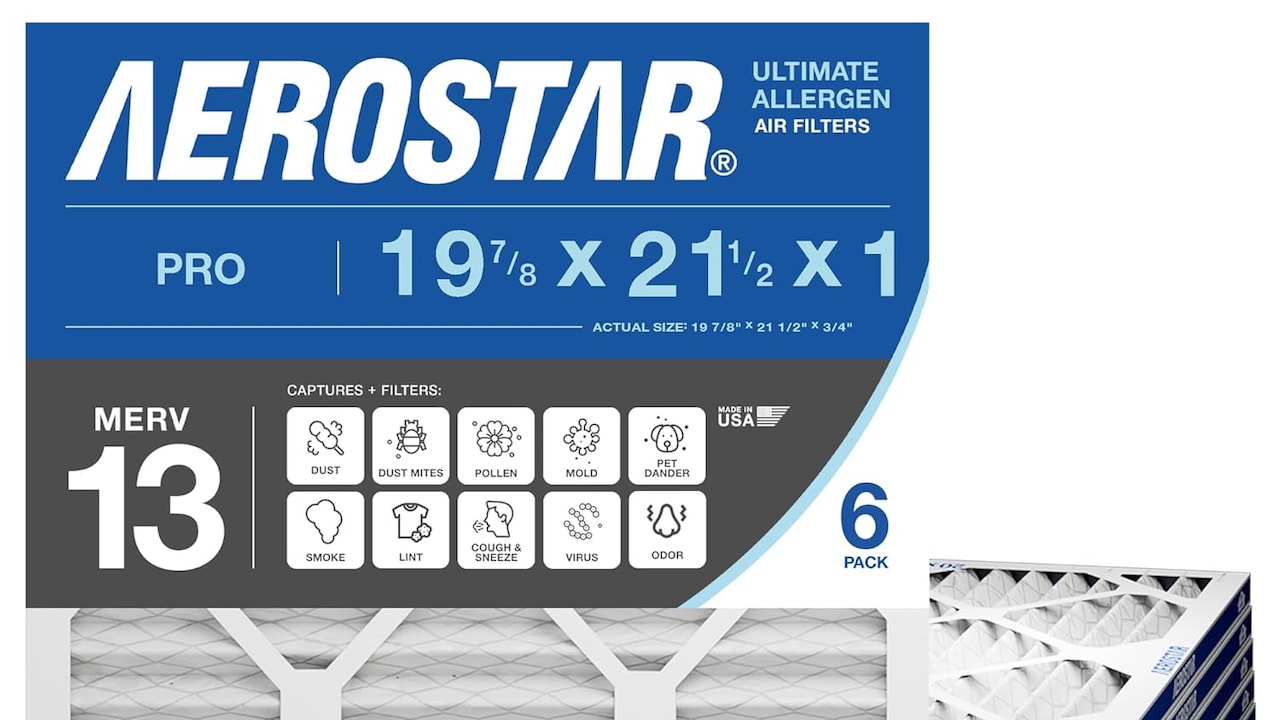
1. Aerostar MERV 13 Air Filter
This pleated filter uses electrostatically charged synthetic fibres that attract and capture airborne particles before they circulate through the home. It can trap dust, pollen, smoke and pet dander while maintaining steady airflow. The durable frame and moisture-resistant backing help it remain effective for up to three months, making it a dependable choice for busy households.
2. FilterBuy MERV 13 Pleated Air Filter
Designed for air conditioners, furnaces and heat pumps, this filter features MERV 13 synthetic media that targets dust, allergens and microscopic particles. The electrostatically charged construction and dense pleat design increase particle capture without placing excessive strain on HVAC systems. Its sturdy frame also helps resist warping in changing temperatures.
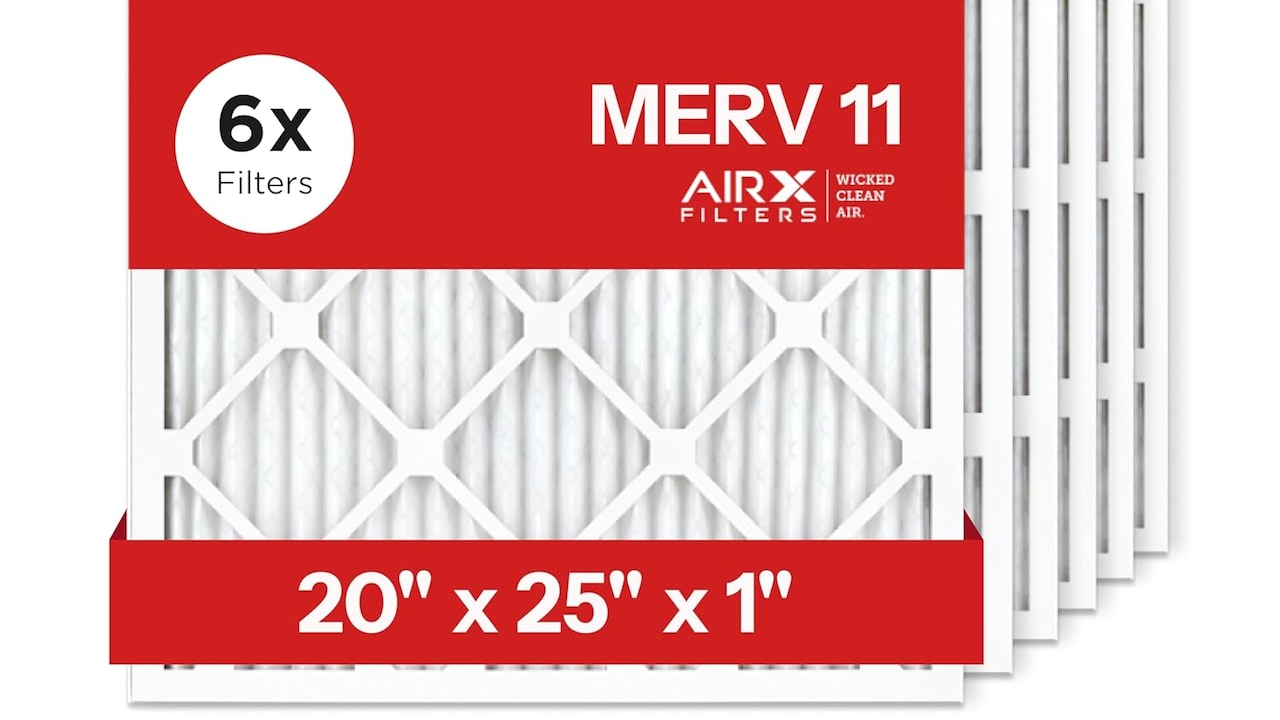
3. AIRx Filters MERV 11 Furnace Filter
This MERV 11 filter offers strong filtration for households seeking cleaner indoor air without moving to a higher resistance filter. Its synthetic gradient media captures particles between 1 and 10 microns, including dust and pollen. The rigid construction and moisture-resistant frame enhance durability while supporting consistent HVAC performance.
4. Nordic Pure MERV 13 Pleated Filter
Nordic Pure's MERV 13 filter targets a wide range of airborne contaminants, including pollen, pet dander, dust mites, mould spores and smoke particles. The filter suits homes where allergy management remains a priority. Its pleated synthetic material helps maintain effective filtration while supporting regular airflow throughout the system.
5. Filtrete Healthy Living Ultimate Allergen Reduction Filter
Known for its advanced filtration technology, this filter focuses on capturing ultrafine particles while maintaining excellent airflow. The MERV 13 rating makes it suitable for households dealing with allergens, dust and lint. Independent recognition for its balance between filtration and system efficiency has strengthened its reputation among homeowners.
6. TRIGHTFILTERS Dust Defence Air Filter
Not every household needs a high-MERV filter. This MERV 8 model focuses on balancing airflow and everyday dust control. The increased pleat count improves filtration performance, while the lightweight but durable structure supports easy installation. It captures common household contaminants and helps protect HVAC equipment from excessive dust accumulation.
7. True Blue Allergen Air Filter
Built for families concerned about allergens and pet-related particles, this MERV 11 filter uses electrostatic media to attract airborne contaminants. It can reduce dust, pollen, smoke and pet dander while supporting cleaner indoor air. The filter's compatibility with many HVAC systems adds to its everyday practicality.
How To Use MERV Air Filters Correctly
Even the best air filter won't deliver strong results if installed incorrectly. First, check the filter size recommended by the HVAC manufacturer. Installing the wrong size can allow dust to bypass the filter entirely.
Next, follow the airflow arrow printed on the frame. The arrow should point towards the HVAC unit and away from the air return vent.
Regular replacement also matters. Most MERV 11 and MERV 13 filters work effectively for around 90 days, though homes with pets, renovation work or heavy dust may require more frequent changes.
It's also worth checking the filter monthly. A heavily clogged filter restricts airflow and forces the HVAC system to work harder, which may affect efficiency over time.
A cleaner home often starts with cleaner air. MERV air filters help reduce dust, pollen, pet dander and other airborne particles that circulate through living spaces every day. Whether choosing a MERV 8, MERV 11 or MERV 13 model, selecting the correct filter size and replacing it regularly can make a noticeable difference to comfort, indoor air quality and overall HVAC performance. Shop now on Amazon
(Disclaimer: This article may include references to or features of products and services made available through affiliate marketing campaigns. NDTV Convergence Limited (“NDTV”) strives to maintain editorial independence while participating in such campaigns. NDTV does not assume responsibility for the performance or claims of any featured products or services.)