What Is The Difference Between A Straightener And A Hair Iron
Understand the difference between a straightener and a hair iron, which includes their features, uses, and which styling tool is best for your hair type.
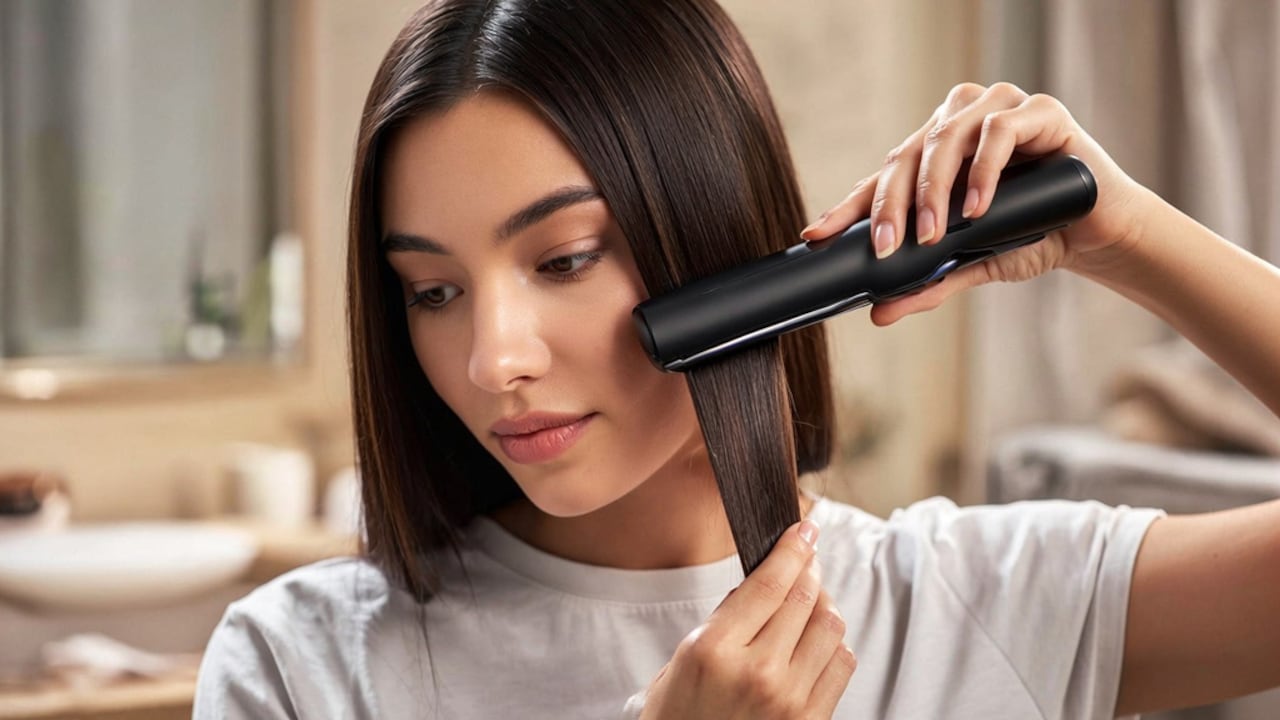
How to make the right choice between hair straightener and hair iron
Styling tools are a staple in many beauty routines and can help you get sleek, smooth, or styled hair from the comfort of your own home, as straighteners and hair irons are the most common and, in some cases, are used interchangeably, creating confusion among consumers. Many people have wondered whether straighteners and hair irons are two distinct products or simply different names for the same tool. Knowing the different types will help you choose the right tool for the hair you have, the style you want and how much you want to spend.
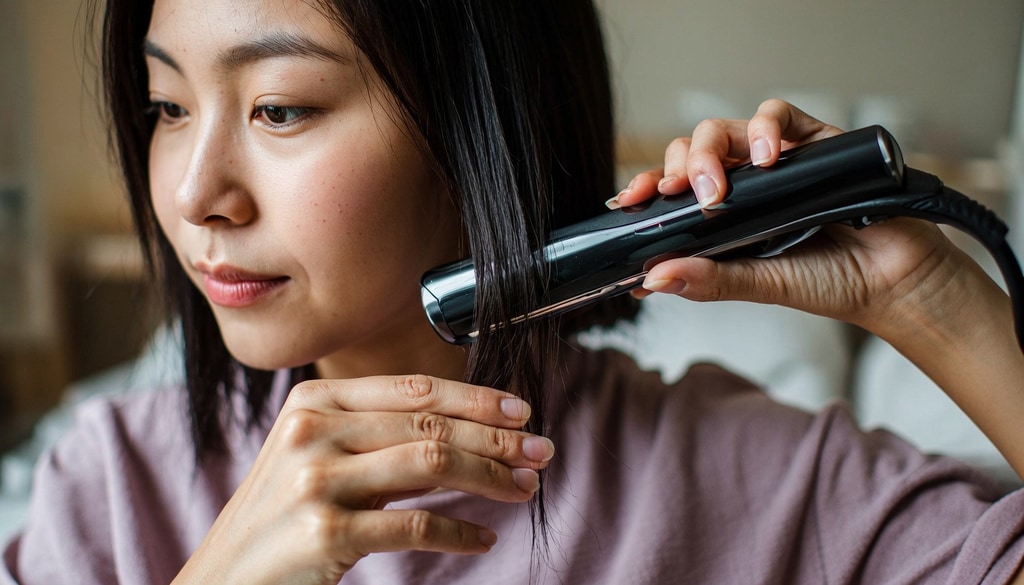
Discover how straighteners and hair irons differ in features, uses, and hair type compatibility.
Photo Credit: iStock
When you know how each tool works, you will not end up buying devices you never even used. You will achieve better results with your hair while minimising damage.
Also Read: Top 5 Hair Stylers Every College Student Should Own Under ₹3,000
Understanding The Difference Between A Straightener And A Hair Iron
The terms "hair straightener" and "hair iron" can sometimes be used interchangeably, but they may not refer to the same styling product. There are slight differences depending on the product and how it's used, but many brands use both names for a straightening iron that moulds the hair into shape during everyday use.
Each option can help you develop your routine, making it much easier to achieve a style that suits you.
A Hair Straightener Is Designed Mainly For Straight Hair
The basic function of a hair straightening device is to smooth and straighten hair using a pair of heated plates, which can help minimise frizz, tame flyaways, and provide a sleek look for everyday use; many of the currently available straighteners also have variable temperature settings that can be adjusted based on different hair types.
A Hair Iron May Offer More Styling Options
Flat irons that straighten, curl, wave or flip hair are commonly known as hair irons. The rounded edges and floating plates make these more versatile and easier to use for different styles.
Plate Design Can Be Different
Straighteners that are meant only to facilitate straightening your hair could have wider plates, which will be useful in shifting the larger portions of hair rapidly. Some blow dryers with multiple hairstyles have smaller or round plates, which are more suited to dealing with hair curls and bends.
Temperature Control Plays An Important Role
There are many stylish tools that come with extra desirable features, such as adjustable heat settings that can be used by customers based on their hair texture as well as thickness levels. This way, unnecessary heat exposure is reduced.
Hair Type Influences The Best Choice
Those who have thick, long hair may like the larger plates, as it will speed up their styling process, while those who love to bend, curl and make waves with their curls find a versatile flat iron useful.
Understanding How Both Styling Tools Work
Together with the stainless steel plates, they heat in both straighteners and irons, breaking and restoring hydrogen bonds in the hair strands to fix the hair temporarily in a new shape. After the process, the hair will stay in this shape until watered.
Most up-to-date styling devices include ceramic, titanium or tourmaline plates that distribute the heat evenly and minimise friction. Additional attributes like floating plates, Ionic technology and digital temperature control enhance styling performance and minimise heat damage; while they have the same core concept, they have distinct differences when it comes to their design and features that affect the usability of the tool.
Practical Tips For Choosing The Right Styling Tool
Step 1: Consider Your Hair Type
Generally, finer hair will need lower heat settings to style, while thicker hair or coarser hair might need the higher settings to create a pleasing style.
Step 2: Decide How You Style Your Hair
A straightener may be adequate enough if you use it most of the time with straight hair, and a flat iron that has multiple settings could be more practical for creating curls, waves, and different styles.
Step 3: Look For Adjustable Heat Settings
Temperature control seems to give some ability to control the styling, which limits excess heat exposure.
Step 4: Check Plate Material Before Buying
Ceramic plates heat evenly, titanium warms up in no time, and tourmaline decreases frizz due to the negative ions it creates.
Benefits Of Choosing The Right Hair Styling Tool
Selecting a suitable styling tool helps to create the right hairstyle along with healthy hair. Using a tool specifically designed for your hair type makes it easier to distribute heat evenly, reducing the need for repeated passes on the same section of hair.
These modern straighteners and hair irons also speed up the process of styling and make it more convenient. Adjustable temperatures, sophisticated plate design and ergonomic features allow professional salon results without the need to expose yourself to unnecessary heat at home. Choosing the right tool likewise makes styling choices more versatile, enabling different styles to be achieved more surely and with ease.
Common Mistakes To Avoid
Mistake 1: Using Excessive Heat On Every Hair Type
It is a widely held belief that there is a direct link between colder and drier weather and its harmful impact on plants. There is a common assumption that hotter weather means better results. Too much heat, however, can cause dryness, more breakage, and even strip the hair, which will be fine and chemically treated, including the hair's cuticles.
Mistake 2: Styling Hair Without Heat Protection
One of the most frequent make-up errors is missing a heat protectant. Hair protection products can help minimise direct exposure to heat and enhance the overall style of the hair.
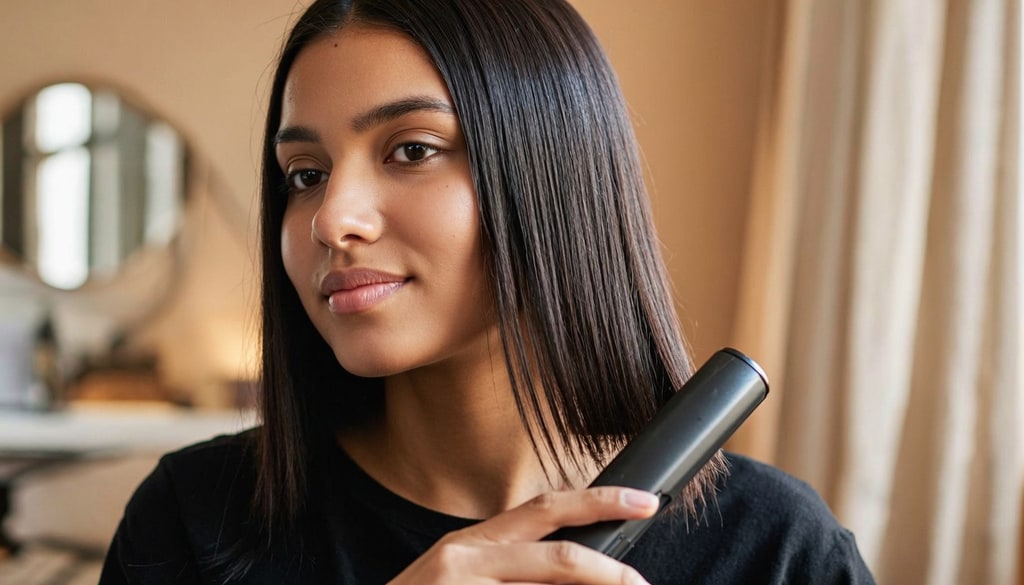
Choose the best styling tool by understanding the features of straighteners and hair irons.
Photo Credit: iStock
Some Hair Styling Tools You May Like
VEGA PROFESSIONAL Pro-Shine Titanium Hair Straightener
Philips India's No. 1 Hair Styling Brand: Selfie Hair Straightener
LOVHIDE Professional Hair Straightener
Havells HS4121 Wide Plate Hair Straightener
PAHNIK Hair Curler Machine for Women Curling Iron
UrbanYog MakeMeeBold Automatic Hair Curling Iron
WINSTON 4 in 1 Hair Styling Blow Brush Pink Iron
Milantia Smellrose Hair Iron
Frequently Asked Questions (FAQs)
1. Is a hair straightener the same as a flat iron?
Yes, in most cases, and the terms are often used interchangeably, although some brands use "hair iron" for more versatile styling tools.
2. Can a hair straightener be used to create curls?
Yes, many hair straighteners with rounded edges can help to make loose curls and waves with the right styling technique.
3. Which plate material is best for everyday use?
Ceramic plates are a beneficial choice, as they spread the heat evenly and are suitable for most hair types.
4. Does a higher temperature straighten hair faster?
While too much heat can get hair into shape faster, it can also cause heat damage; the lowest effective temperature is usually recommended.
5. How often is it safe to use a hair straightener?
The frequency of safe hair straightener use depends on the type and condition of your hair, so it is important to minimise damage by using a heat protectant and avoiding excessive heat during regular styling.
(Disclaimer: This article may include references to or features of products and services made available through affiliate marketing campaigns. NDTV Convergence Limited (“NDTV”) strives to maintain editorial independence while participating in such campaigns. NDTV does not assume responsibility for the performance or claims of any featured products or services.)