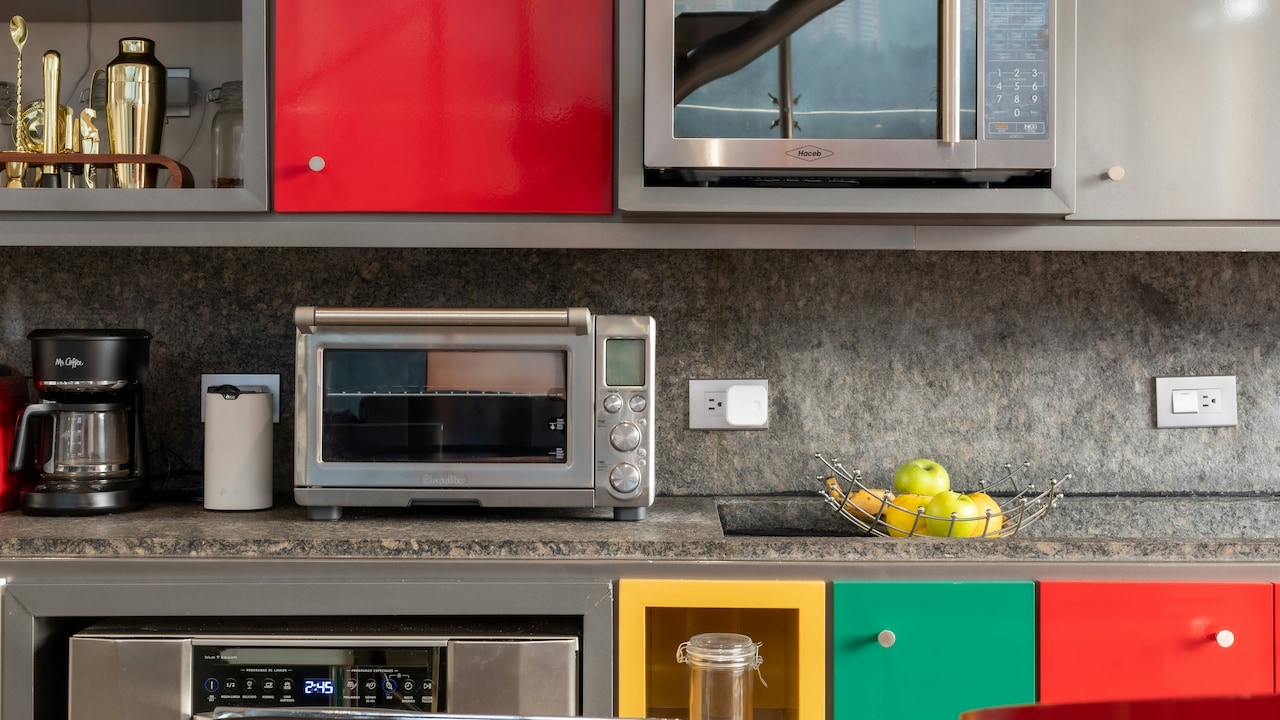
Air Fryer vs OTG vs Microwave: Which One Actually Replaces Deep Frying?
Air fryer, OTG, or microwave, which truly replaces deep frying? Discover which appliance delivers the best crunch, taste, and value while cutting down oil without sacrificing your favourite snacks.
Air Fryer vs OTG vs Microwave: Which One Actually Replaces Deep Frying?
Few things match the joy of biting into a hot, crispy snack on a rainy evening. The aroma of freshly fried bhajiyas drifting from the kitchen often feels like comfort itself. Yet, rising awareness about health, oil consumption, and electricity bills has nudged many households towards smarter cooking alternatives.
Enter the air fryer, OTG (Oven Toaster Grill), and microwave. Each promises convenience, efficiency, and a healthier approach to cooking. But can any of them genuinely replicate deep frying, or do they simply offer a compromise?
Air Fryer vs OTG vs Microwave: Which One Actually Replaces Deep Frying?
Photo Credit: Pexels
The answer lies not in marketing claims but in how these appliances perform in everyday kitchens. From texture and taste to cost and versatility, the comparison reveals surprising insights. Some appliances excel at crispiness, while others shine in convenience or versatility. Choosing the right one depends less on hype and more on what truly matters during daily cooking routines.
Key Comparisons That Define The Better Alternative To Deep Frying
Understanding What Makes Deep Frying So Irresistible
Deep frying owes its magic to one key factor: immersion in hot oil. This creates an immediate seal on the food's surface, locking in moisture while producing that unmistakable crunch. The result is a texture that feels indulgent and satisfying.
Traditional favourites like puris or medu vadas rely on this rapid cooking process. The oil ensures even heat distribution, something that proves difficult for most modern appliances to replicate fully.
However, deep frying also brings excess oil absorption, strong kitchen odours, and rising grocery costs. A litre of cooking oil now easily costs ₹150–₹200, making frequent frying less appealing for budget-conscious households.
Modern appliances attempt to mimic this crispness using hot air or radiant heat. The question remains: can air circulation or baking truly recreate the same effect as oil immersion? The answer varies depending on the appliance and the type of food being cooked.
Air Fryer: The Rising Favourite In Modern Kitchens
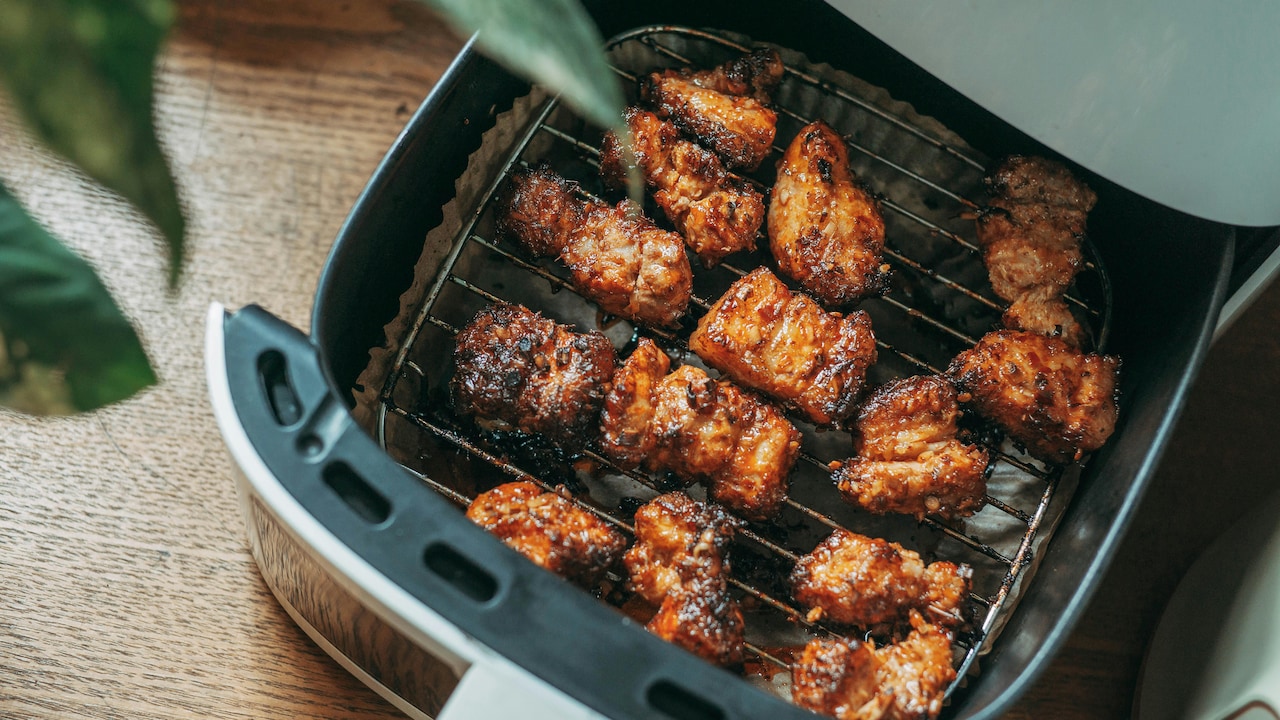
The air fryer has quickly become a kitchen star, especially among those seeking healthier alternatives. It works by circulating hot air at high speed, creating a crisp outer layer with minimal oil.
For frozen snacks like fries, nuggets, or spring rolls, the results come impressively close to deep frying. A light brush of oil often enhances the texture, making it satisfyingly crunchy without feeling greasy.
Its compact design suits small kitchens, and cooking times remain relatively quick. A batch of fries, for instance, takes around 15–20 minutes, consuming far less oil than traditional frying.
However, the air fryer does have limitations. Foods that rely heavily on batter, such as pakoras, do not always turn out well. The batter may drip or fail to crisp evenly, leading to mixed results.
Still, for everyday snacking and reheating leftovers, the air fryer strikes a strong balance between health and taste. It may not fully replace deep frying, but it certainly comes close for many popular items.
OTG: The Traditional All-Rounder With A Crisp Edge
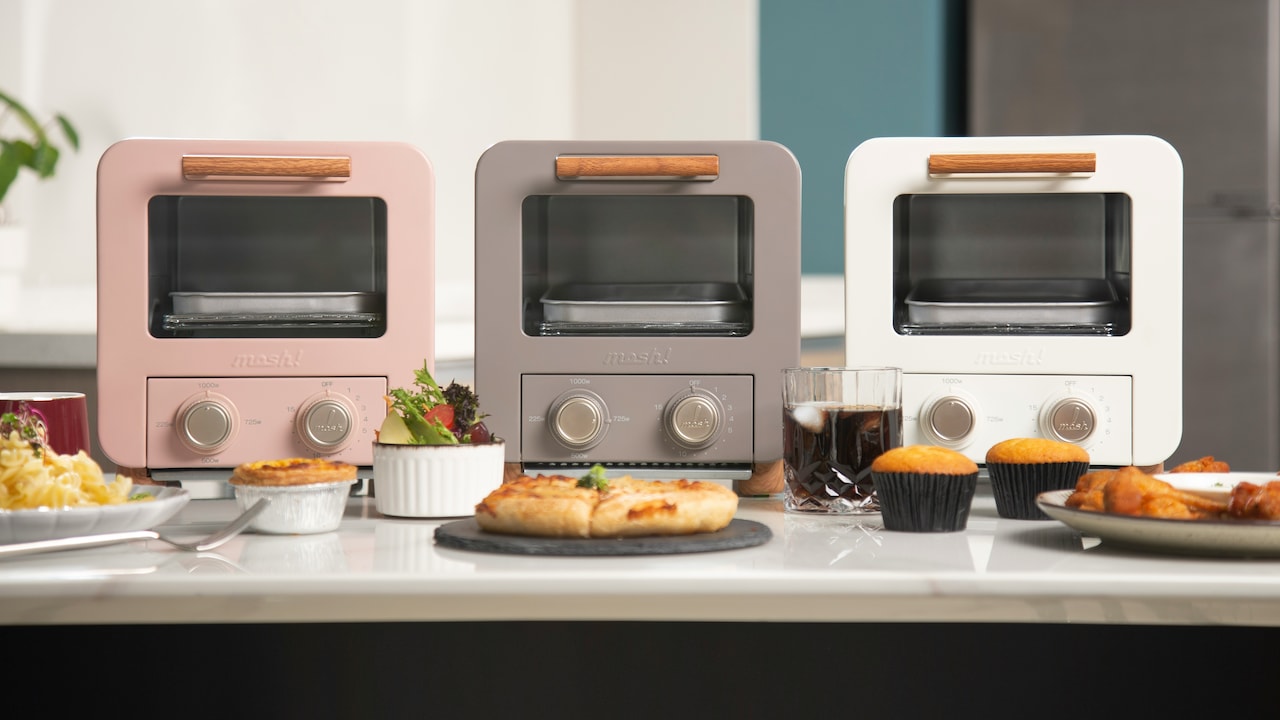
The OTG has long been a trusted companion in many kitchens. Unlike the air fryer, it uses heating rods to cook food through radiant heat. This allows for baking, grilling, and toasting, making it a versatile appliance.
When it comes to replicating deep frying, the OTG performs well with certain foods. Cutlets, paneer tikka, and even samosas can achieve a crisp outer layer when brushed with oil and baked at high temperatures.
One major advantage lies in capacity. An OTG can handle larger batches, making it ideal for families or gatherings. Preparing snacks for guests becomes far more convenient compared to using a small air fryer basket.
However, the cooking time tends to be longer. Preheating alone may take 10–15 minutes, and achieving the desired crispness often requires patience.
The OTG delivers a baked crisp rather than a fried one. While satisfying, it lacks the deep, rich crunch that oil provides. Still, its versatility and reliability make it a strong contender for those who enjoy experimenting with recipes.
Microwave: Convenience Over Crispness
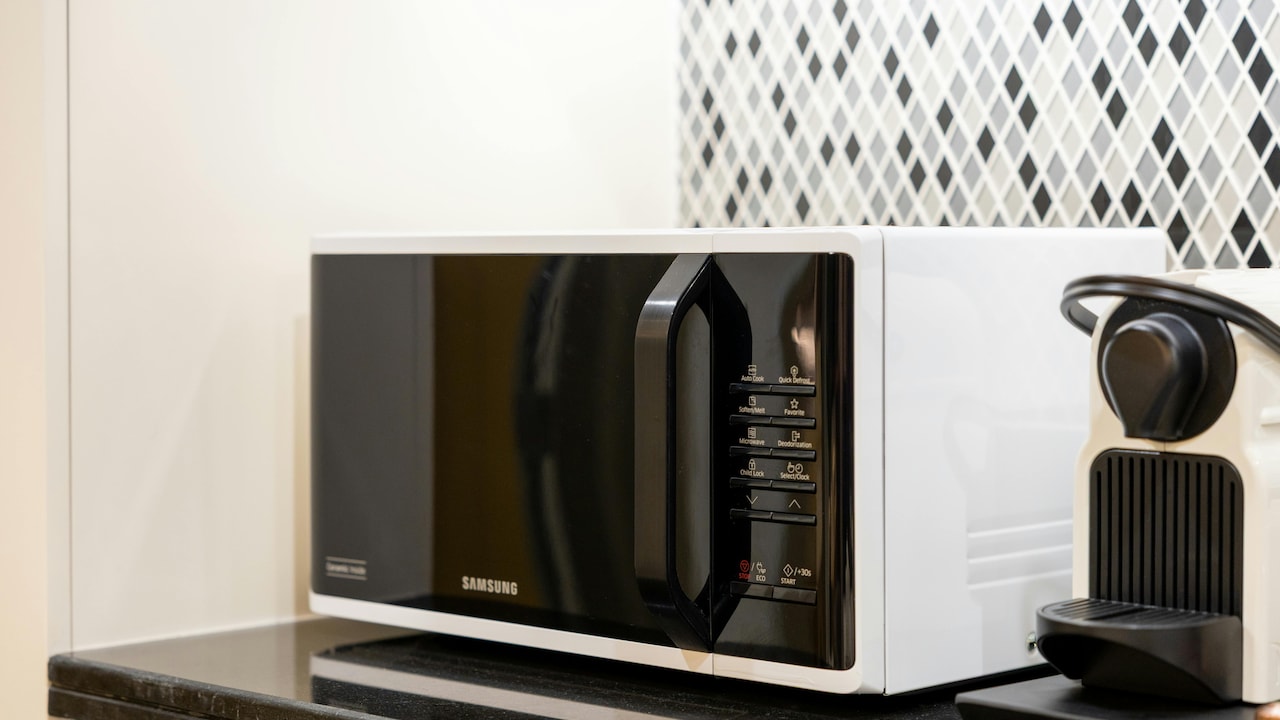
The microwave stands as the ultimate symbol of convenience. From reheating leftovers to preparing quick meals, it saves time and effort. However, when it comes to replacing deep frying, expectations need adjustment.
Standard microwave cooking relies on radiation to heat food internally. This often results in soft textures rather than crispy surfaces. Even with grill or convection modes, achieving a true fried-like crunch proves challenging.
That said, newer convection microwaves perform better than basic models. They can bake and grill, offering some level of crispness for dishes like pizza or baked snacks. Yet, the results still fall short compared to air fryers or OTGs.
Microwaves excel in speed and ease but struggle with texture. A reheated samosa may turn warm quickly, but it rarely regains its original crispness.
For households prioritising convenience, the microwave remains indispensable. However, it cannot realistically replace deep frying when crispiness takes centre stage.
Also Read: Stop Using Your Air Fryer Just For Fries: 5 Everyday Meals You Should Try Today
Taste Test: Which One Gets Closest To Fried Food?
Taste often settles debates faster than technical comparisons. When the same batch of fries or cutlets gets prepared across all three appliances, differences become clear.
Air fryers typically deliver the closest resemblance to deep frying. The outer layer crisps up well, and the inside remains soft. The flavour, while slightly lighter, still satisfies cravings.
OTGs produce a more baked texture. The crispness feels subtle rather than bold, but the flavour can improve with seasoning or oil brushing.
Microwaves lag behind in this aspect. Even with convection settings, the texture lacks that satisfying crunch. The food may taste good, but it does not feel indulgent in the same way.
Ultimately, the air fryer wins this round. It captures the essence of fried food without fully replicating it. For many households, that compromise feels more than acceptable.
Health Factor: Cutting Oil Without Cutting Joy
One of the biggest reasons behind the shift towards modern appliances lies in health concerns. Deep frying can significantly increase calorie intake due to oil absorption.
Air fryers reduce oil usage dramatically, sometimes requiring just a teaspoon. This makes snacks lighter and easier to digest. For those managing weight or cholesterol levels, this difference matters greatly.
OTGs also support healthier cooking, though they may need slightly more oil than air fryers to achieve crispness. Still, the reduction remains substantial compared to deep frying.
Microwaves naturally use little to no oil but fail to deliver the desired texture.
Balancing health and satisfaction often leads to the air fryer emerging as the preferred choice. It offers a middle ground where indulgence meets practicality.
Cost And Running Expenses In Daily Use
Kitchen appliances often come with both upfront and ongoing costs. Air fryers typically range between ₹3,000 and ₹10,000, depending on size and brand. OTGs may cost slightly more for larger capacities, while microwaves vary widely based on features.
Electricity consumption also plays a role. Air fryers tend to be energy-efficient due to shorter cooking times. OTGs, with longer preheating and cooking durations, may consume more power.
Microwaves usually remain economical for quick tasks but may not justify their cost for frying alternatives alone.
Oil savings also add up over time. Reducing frequent deep frying can save a noticeable amount on grocery bills.
Considering both initial and running costs, the air fryer offers strong value for money, especially for those who enjoy regular snacks without excessive oil use.
Air Fryer vs OTG vs Microwave: Which One Actually Replaces Deep Frying?
Photo Credit: Pexels
Ease Of Use And Everyday Practicality
Busy mornings and hectic evenings demand appliances that simplify cooking. Air fryers shine in this regard with simple controls and quick cleanup. Most baskets come with non-stick coatings, making washing relatively easy.
OTGs require more effort. Managing temperature settings, trays, and cleaning baked residue can feel time-consuming.
Microwaves, on the other hand, remain incredibly user-friendly. A few button presses can heat food within minutes, making them ideal for daily convenience.
For replacing deep frying, ease of use becomes crucial. The air fryer strikes a balance between simplicity and performance, making it a popular choice for everyday cooking.
Versatility Beyond Frying
While the focus remains on frying alternatives, versatility adds significant value. Air fryers can grill, roast, and even bake simple items like cakes or muffins.
OTGs excel in this area, offering a full range of cooking options. From baking bread to grilling kebabs, they serve as a complete oven solution.
Microwaves lead in convenience-based versatility. Reheating, defrosting, and quick cooking tasks make them indispensable in modern kitchens.
Choosing the right appliance often depends on overall usage rather than just frying capabilities. Those who enjoy baking may prefer an OTG, while snack lovers may lean towards an air fryer.
Final Verdict: Which One Truly Replaces Deep Frying?
After weighing all factors, one conclusion stands out clearly. No appliance perfectly replaces deep frying. The unique texture and flavour created by hot oil remain unmatched.
However, the air fryer comes closest. It offers a satisfying crunch, reduced oil usage, and convenient operation. For most households, it provides a practical and healthier alternative to traditional frying.
The OTG follows as a versatile option, ideal for those who enjoy baking alongside occasional crispy snacks. The microwave, while essential, does not compete in this specific area.

Air Fryer vs OTG vs Microwave: Which One Actually Replaces Deep Frying?
Photo Credit: Pexels
Products Related To This Article
1. Nutricook 5L Air Fryer Slim (2025) with 100% Toxin-Free Ceramic Coating
2. AGARO Marvel 48 Liters Oven Toaster Griller
3. PHILIPS Air Fryer HD9200/90
4. COSORI Air Fryer 5 QT (4.7 Litre) Black
5. Cadlec MultiChef Multi-Function OTG for Kitchen
6. Wonderchef Oven Toaster Griller (OTG) - 60 litres
7. Milton Rapid Digital Air Fryer 4.2L
The journey from deep frying to modern cooking appliances reflects changing lifestyles and priorities. Health, convenience, and cost now influence kitchen decisions as much as taste.
Air fryers, OTGs, and microwaves each bring unique strengths to the table. Yet, when the goal centres on replacing deep frying, the air fryer emerges as the most reliable companion. It may not recreate every nuance of traditional frying, but it delivers enough crunch and flavour to keep cravings satisfied.
Choosing the right appliance ultimately depends on individual cooking habits. Some may value versatility, while others prioritise quick snacks or healthier meals.
One thing remains certain: the kitchen continues to evolve, blending tradition with innovation. And while the charm of deep-fried treats will never fade completely, smarter alternatives now make it easier to enjoy them without the extra guilt.
(Disclaimer: This article may include references to or features of products and services made available through affiliate marketing campaigns. NDTV Convergence Limited (“NDTV”) strives to maintain editorial independence while participating in such campaigns. NDTV does not assume responsibility for the performance or claims of any featured products or services.)