Why New Kettles Smell Like Plastic And Simple Ways To Get Rid Of The Odour
A brand-new kettle should promise quick cups of chai, not a strange plastic smell. This common issue usually comes from manufacturing residues or heated materials. Fortunately, a few simple kitchen tricks can remove the odour quickly.
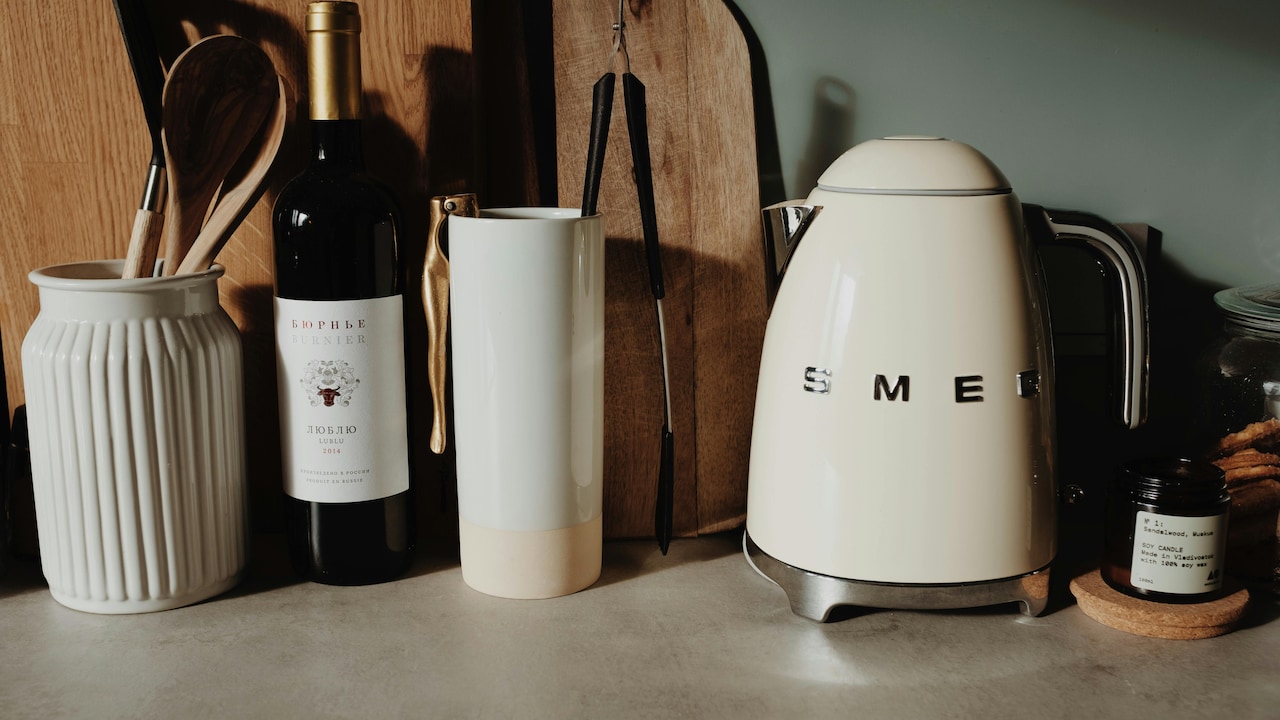
Why New Kettles Smell Unpleasantly of Plastic And What You Can Do About It.
Few small kitchen purchases promise as much comfort as a new electric kettle. Switch it on, wait a minute, and boiling water stands ready for chai, instant noodles, coffee, or even a late-night bowl of oats. Yet many households encounter a rather unpleasant surprise during the first few uses. The water smells faintly of plastic, sometimes strong enough to make the entire kitchen notice.
That smell can raise concerns. Some assume the appliance might be faulty. Others suspect cheap materials. A few people even stop using the kettle altogether, pushing it to the back of the cupboard beside forgotten juicers and sandwich makers.
In reality, the issue rarely signals a defective product. New kettles often carry residual odours from manufacturing, packaging, or heated plastic parts. The smell feels strong simply because boiling water amplifies aromas quickly.
Understanding the reasons behind the smell removes unnecessary worry. Even better, simple household tricks help eliminate the odour within a few uses. The following sections explore why that plastic scent appears and how everyday kitchen ingredients such as vinegar, lemon, or baking soda help restore freshness.
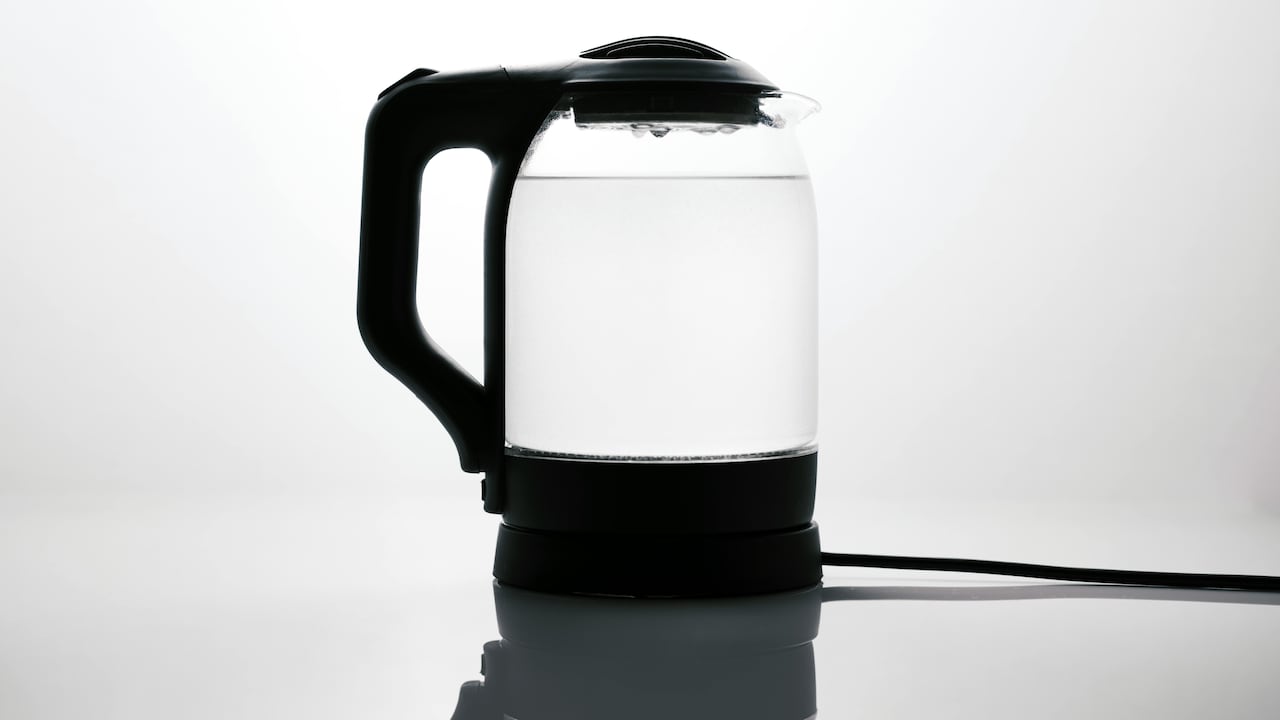
Why New Kettles Smell Unpleasantly of Plastic And What You Can Do About It
Photo Credit: Pexels
Why That New Kettle Smells Odd And Simple Ways To Fix It
Manufacturing Residues Often Cause The First Odour
Fresh appliances rarely leave the factory completely neutral in scent. During manufacturing, kettles pass through moulding machines, conveyor belts, and protective packaging stages. These steps introduce tiny residues that remain inside the appliance when it reaches the kitchen counter.
Plastic moulding creates the outer body and sometimes the inner lid or handle components. When molten plastic cools, it may release faint chemical aromas. These smells normally disappear after a few heating cycles, but the first boil intensifies them.
Factories also apply protective coatings or oils to prevent damage during shipping. These substances serve a useful purpose. They stop scratches, prevent corrosion, and protect the heating element during transport across long distances. Yet heat activates these coatings and releases a temporary smell.
The good news lies in the temporary nature of these residues. A few cycles of boiling and discarding water usually clear them away. Many households unknowingly fix the issue simply by making several rounds of chai for family members.
Patience often solves the problem faster than panic. The kettle simply adjusts to its new home and sheds its factory scent in the process.
Plastic Components React To Heat During Early Use
Electric kettles combine metal heating elements with plastic parts such as lids, handles, or outer shells. Even models with stainless steel interiors still rely on plastic in certain sections. When heat reaches these components for the first time, the materials release faint odours.
This reaction resembles the smell from a new car interior or a freshly opened lunchbox. The scent does not necessarily signal danger. Instead, it reflects the warming of synthetic materials that have never experienced high temperatures before.
The process usually settles after a few boiling cycles. Once the plastic stabilises under repeated heat exposure, the smell fades. Many users notice that the second or third use already feels much better than the first.
Quality kettles often undergo safety testing before sale. Manufacturers design the materials to tolerate boiling temperatures safely. However, the first few uses still activate those typical “new appliance” aromas.
Think of it as the kettle's version of breaking in new shoes. At first, everything feels slightly odd. Soon, the appliance settles into daily use without drawing attention to itself.
Packaging Materials Leave Lingering Smells
The journey from factory to kitchen involves boxes, plastic wraps, foam protectors, and adhesive tapes. These materials protect the kettle from damage but often trap odours inside the appliance.
During shipping, the kettle stays sealed in its packaging for weeks or even months. Without air circulation, chemical scents from plastic or cardboard accumulate inside the kettle's interior. The moment boiling water enters the chamber, heat releases those trapped aromas.
Many people unknowingly make the problem worse by skipping a simple first step. They unwrap the kettle and immediately fill it with water. Without rinsing or airing it out, the appliance retains the packaging smell.
Allowing the kettle to sit open on the kitchen counter for a few hours helps tremendously. Fresh air removes lingering packaging odours. A quick rinse with warm water also washes away any dust from cardboard or protective foam.
This small pause before the first use often reduces the plastic smell dramatically. The kettle simply needs a chance to breathe after its long journey.
Mineral Coatings Or Factory Testing Water May Contribute
Some kettles undergo quality testing before leaving the factory floor. Manufacturers sometimes run water through the heating element to ensure proper function. Though the water drains afterwards, tiny traces can remain.
When that residual moisture evaporates during the first boil, it may create an unusual smell. The scent mixes with manufacturing residues and amplifies the overall odour.
Mineral traces from testing water can also leave a faint coating inside the kettle. When heated, these minerals sometimes produce a slightly metallic or plastic-like smell. It feels unpleasant but rarely signals anything harmful.
Running several cycles of fresh water usually removes these traces quickly. Some households prefer to add a splash of vinegar during the first boil to dissolve mineral residues faster.
Once the interior receives a thorough rinse and a few heating cycles, the kettle behaves normally. That strange smell becomes a brief memory rather than a permanent annoyance.
Hard Water Sometimes Intensifies The Smell
Water quality plays a surprisingly large role in kettle odours. In areas with hard water, mineral content remains quite high. Calcium and magnesium deposits build up quickly inside kettles, especially during the early days of use.
When minerals interact with heated plastic components, the smell can become stronger. The kettle itself may not cause the problem at all. The local water supply simply exaggerates the scent.
Many households notice white chalky deposits inside kettles after repeated use. These deposits, called limescale, alter the taste and smell of boiled water.
Using filtered water often improves the situation. Basic water filters remove some of the minerals responsible for scale and unpleasant odours. Even a simple household filter jug can make a noticeable difference.
Regular descaling also helps maintain freshness. A clean kettle heats water faster and produces fewer unwanted smells. Over time, proper maintenance keeps both tea and coffee tasting exactly as expected.
Vinegar Boiling Removes Persistent Plastic Smells
One of the simplest solutions sits quietly in most kitchens: vinegar. This common ingredient works wonders when dealing with stubborn odours inside appliances.
A mixture of equal parts water and vinegar creates an effective cleaning solution. Fill the kettle halfway with this mixture and bring it to a boil. The steam and mild acidity help dissolve residues that cause unpleasant smells.
After boiling, allow the mixture to sit inside the kettle for about twenty minutes. This waiting period lets the vinegar break down remaining deposits or manufacturing traces.
Once finished, discard the liquid and rinse the kettle thoroughly with fresh water. Running one or two plain boiling cycles afterwards ensures no vinegar taste remains.
Many households discover that this simple trick removes the plastic smell almost instantly. The kettle becomes ready for its real purpose: delivering steaming cups of chai without strange aromas.
Lemon Water Freshens The Interior Naturally
For households that dislike the sharp scent of vinegar, lemons offer a refreshing alternative. Lemon juice contains natural acids that break down odours and mineral residues inside kettles.
Squeeze one fresh lemon into a kettle filled halfway with water. Boil the mixture and allow it to sit for fifteen minutes. The citrus oils leave behind a pleasant freshness rather than a harsh chemical smell.
Lemon peels can also help. Adding a few peels during boiling releases natural oils that absorb lingering odours. The kitchen even gains a mild citrus fragrance during the process.
After the lemon treatment, rinse the kettle and boil plain water once more. This step clears away any remaining flavour.
Many households appreciate this method because it uses a familiar ingredient already present in most kitchens. It feels simple, natural, and surprisingly effective at removing stubborn smells.
Baking Soda Neutralises Odours Effectively
Baking soda enjoys a well-earned reputation as a household odour neutraliser. Its mild alkaline properties absorb smells rather than masking them.
Adding one tablespoon of baking soda to a kettle filled with water creates a gentle cleaning solution. Boil the mixture and allow it to sit for fifteen to twenty minutes. The soda works quietly to neutralise lingering plastic scents.
Afterwards, discard the solution and rinse thoroughly. Running another plain boiling cycle removes any remaining traces.
This method proves especially useful when the smell persists after several normal uses. Baking soda penetrates areas that plain water cannot clean effectively.
Many people keep a small box of baking soda for cooking purposes. That same box often becomes a surprisingly powerful tool for restoring freshness to kitchen appliances.
Multiple Boiling Cycles Help The Kettle Settle
Sometimes the simplest solution works best. Running several cycles of plain boiling water often removes the smell without any additional ingredients.
Each boiling cycle flushes out residues from manufacturing, packaging, or early heating reactions. By the third or fourth cycle, most kettles lose the plastic scent completely.
Discard the water after each cycle rather than using it for beverages. This step ensures any dissolved residues leave the appliance instead of reaching the cup.
Some households perform this process while preparing other kitchen tasks. The kettle quietly cleans itself while vegetables get chopped or breakfast cooks on the stove.
Within a short time, the kettle settles into normal operation. The unpleasant smell fades, replaced by the familiar comfort of freshly boiled water ready for tea.
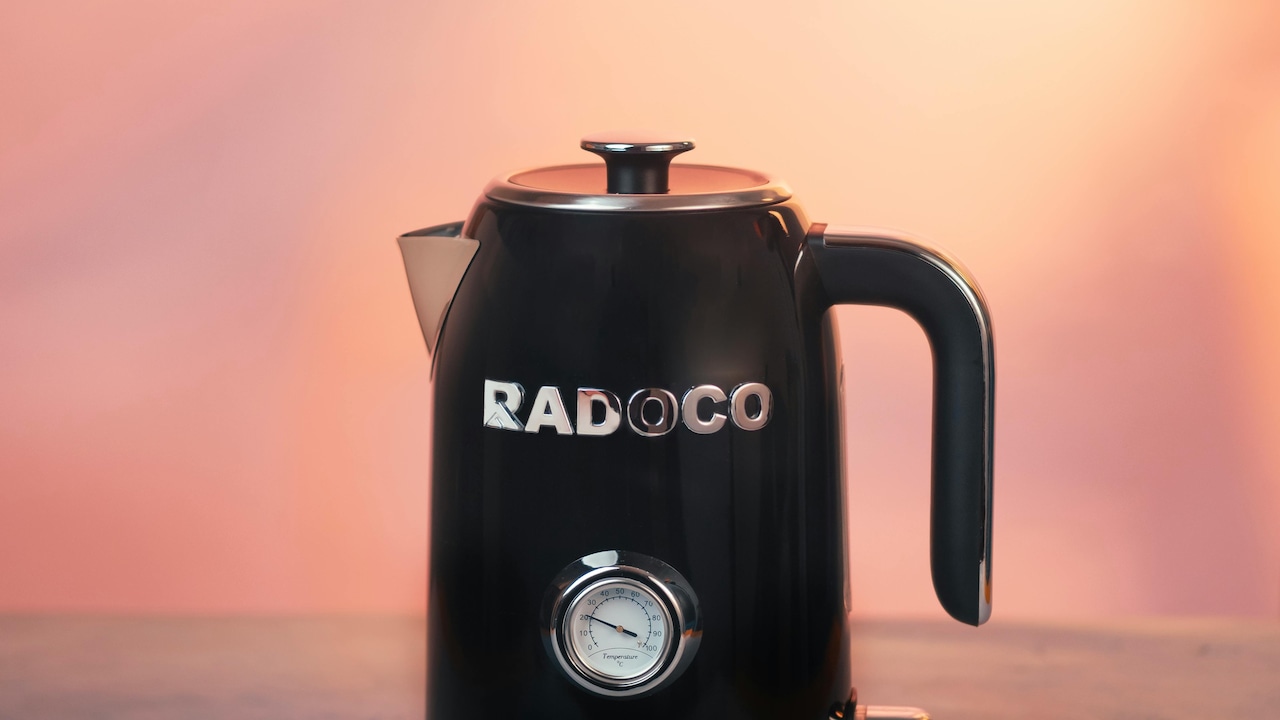
Why New Kettles Smell Unpleasantly of Plastic And What You Can Do About It
Photo Credit: Pexels
Choosing Quality Kettles Prevents Future Issues
Not all kettles behave the same way. Higher-quality models often use better materials and stricter manufacturing standards. These appliances usually produce fewer odours during the first few uses.
Stainless steel interiors generally perform better than fully plastic chambers. They resist odours and handle heat more consistently. Though they may cost slightly more, the difference often proves worthwhile.
A reliable kettle does not require a massive investment. Many well-made models fall comfortably within the ₹1,500 to ₹3,000 range. Spending slightly more upfront can prevent future frustration.
Checking product reviews also helps identify reliable models. Other buyers often mention whether a kettle produces strong smells during early use.
A little research before purchase saves time later. The kettle becomes a dependable kitchen companion rather than a source of unnecessary worry.
Products Related To This Article
1. RENESMEE Travel Folding Electric Kettle, Fast Boiling
2. Travel Foldable Electric Kettle, Collapsible Electric Kettle Food Grade Silicone Small Pot Boiling water
3. SKADIOO Electric Hot Water Kettle (600-Watt) Portable kettle for Travel
4. InstaCuppa Stainless Steel 3-In-1 1.2Liter Multi Cook Kettle With Steamer
5. The Better Home Fumato 600Ml Digital Foldable Kettle- I Food Grade Silicone
That unpleasant plastic smell from a new kettle can feel disappointing, especially when anticipation builds around the first cup of chai. Fortunately, the issue rarely signals a serious problem. Most of the time, the smell simply reflects manufacturing residues, packaging odours, or heated plastic adjusting to its first few uses.
Simple remedies remove the smell quickly. Vinegar, lemon water, baking soda, or even repeated boiling cycles help clear away lingering residues. Within a short time, the kettle begins to behave exactly as expected.
Understanding the cause prevents unnecessary alarm. Instead of abandoning a brand-new appliance, a few easy steps restore freshness and confidence.
Soon enough, the kettle returns to its rightful role: quietly heating water for comforting cups of tea, late-night coffee, and those small kitchen moments that make everyday life feel a little warmer.
(Disclaimer: This article may include references to or features of products and services made available through affiliate marketing campaigns. NDTV Convergence Limited (“NDTV”) strives to maintain editorial independence while participating in such campaigns. NDTV does not assume responsibility for the performance or claims of any featured products or services.)