Why Vacuum Filters Need Cleaning More Often Than Most People Expect
A vacuum can lose suction long before its dust bin looks full. Dirty filters often sit behind weak airflow, extra noise and poor cleaning. Here’s why filters clog faster than expected and why regular cleaning matters.
Why Vacuum Filters Need Cleaning More Often Than Most People Expect
Vacuum cleaners have a satisfying way of making a room feel instantly more put together. Crumbs disappear from under the dining table, mysterious fluff vanishes from bedroom corners, and that fine layer of dust on the rug finally has somewhere else to go. Yet there's one part of the machine that receives far less attention than the dust container: the filter. It's easy to assume that filters only need attention every few months. After all, the dust bin gets emptied regularly, so what else could possibly be clogging up? Quite a lot, as it turns out. A vacuum filter deals with particles that are often too small to notice. Fine dust, fabric fibres, hair fragments, pollen and powdery debris gradually settle inside its folds. Even when the bin looks reasonably clean, airflow through the filter may already have dropped. That matters because a vacuum depends heavily on unrestricted airflow. Once a filter becomes clogged, the machine may sound louder, feel hotter and pick up less dirt despite working harder. Cleaning frequency also depends on your home, flooring, pets and everyday cleaning habits. A house where someone vacuums twice a week will put very different demands on a filter compared with a home where the vacuum appears once every fortnight. So, why do filters seem to get dirty much sooner than expected? These ten everyday reasons explain what's happening inside the machine.
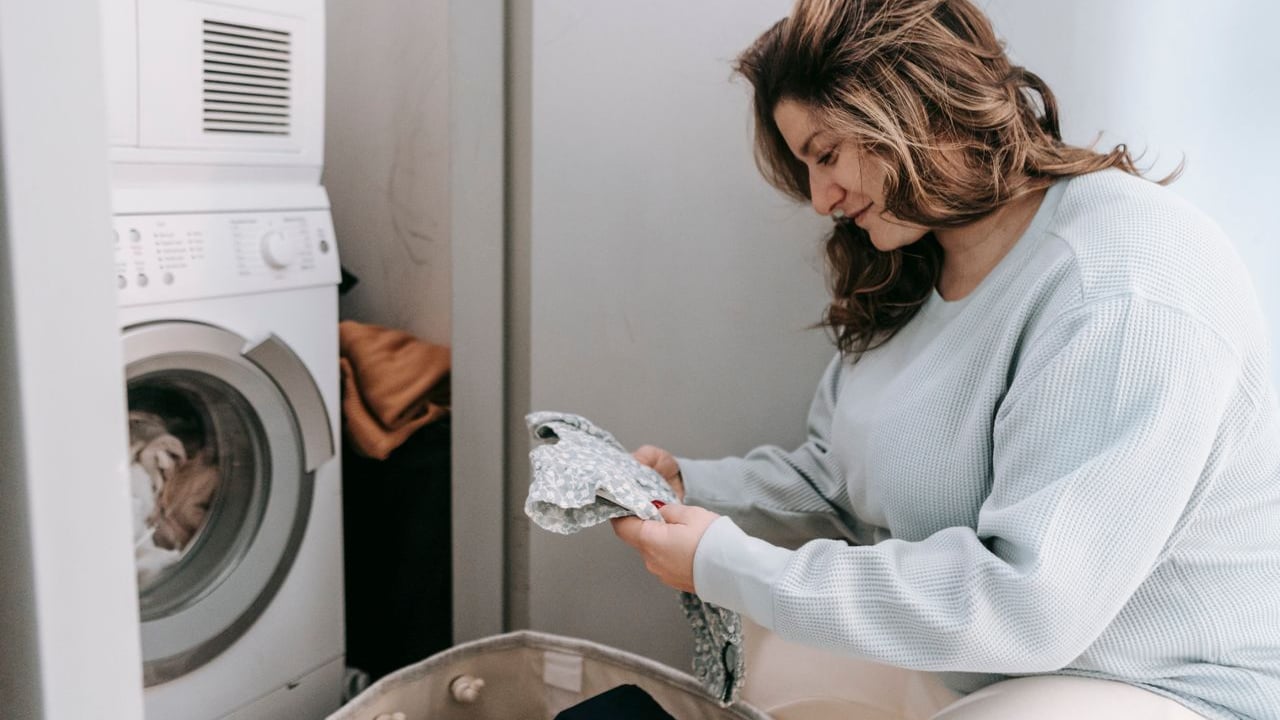
Why Vacuum Filters Need Cleaning More Often Than Most People Expect; Photo Credit: Pexels
Why Vacuum Filters Clog Faster Than You Think
1. Fine Dust Reaches The Filter Before You Notice It
Large crumbs and visible fluff make vacuuming feel productive because you can watch them collect inside the bin. Fine dust behaves differently. Much of it travels through the vacuum as tiny particles before eventually meeting the filter.
This makes filter build-up surprisingly easy to underestimate.
Dust from floors can contain soil carried indoors on footwear, microscopic fabric fibres, skin flakes and particles released while sweeping or moving furniture. In homes near busy roads or construction activity, even more fine material may enter through windows and balconies.
A dust container can therefore look only half full while its filter has already collected a stubborn grey coating.
Fine particles also lodge between filter pleats rather than sitting loosely on the surface. That gradually reduces the space available for air to pass through.
If suction seems weaker even though there's plenty of room left in the bin, the filter deserves a look. Emptying the container alone may not restore performance.
Think of the bin as the visible storage area and the filter as the less glamorous security guard behind it. The guard often gets overwhelmed first.
2. Hair And Fabric Fibres Create A Hidden Layer
Hair is one of the most obvious things a vacuum collects, yet the hair wrapped around the brush roll tells only part of the story.
Tiny fibres from clothes, bedding, curtains, sofas and carpets also enter the machine every time you vacuum. These lightweight strands can cling to filter surfaces and create a soft layer that traps even more dust.
Over time, this mixture behaves almost like felt.
Homes with rugs, upholstered furniture and plenty of cushions may produce more fibre debris than rooms dominated by hard flooring. Frequent laundry drying indoors can contribute too, particularly around bedrooms and utility areas.
Pet hair adds another challenge. Even if larger strands remain in the bin, smaller fragments and dander may travel further through the airflow system.
Because fibre build-up develops gradually, suction loss may feel equally gradual. You might simply start going over the same patch of floor twice without realising the vacuum has changed.
Regular filter inspection catches this problem before cleaning becomes noticeably frustrating.
A vacuum shouldn't need repeated encouragement to collect the same biscuit crumb. Sometimes that stubborn crumb is simply announcing that the filter needs attention.
3. Everyday Cooking Produces More Airborne Particles Than Expected
Vacuum filters don't only deal with dirt carried in from outdoors. The kitchen can quietly contribute plenty of material too.
Cooking releases tiny particles into the surrounding air, particularly during frying, tempering spices or preparing food with flour and powdered ingredients. Some eventually settle on floors and nearby surfaces, where the vacuum picks them up.
Fine flour deserves particular attention. Spill even a small amount while making rotis or baking and it can spread much further than the obvious white patch suggests. Powdery particles may travel deep into a vacuum filter and quickly restrict airflow.
The same problem can occur with cornflour, icing sugar, spice powders and similar fine substances.
Greasy airborne residue creates another complication. Once it settles, dry dust can stick to it more easily. The resulting debris may cling stubbornly to the filter instead of falling away during a quick tap over the bin.
This doesn't mean the vacuum needs servicing every time dinner gets ambitious. It does mean homes where cooking happens frequently may need filter checks sooner than the manufacturer's maximum interval suggests.
Cleaning habits should respond to actual household conditions rather than the calendar alone.
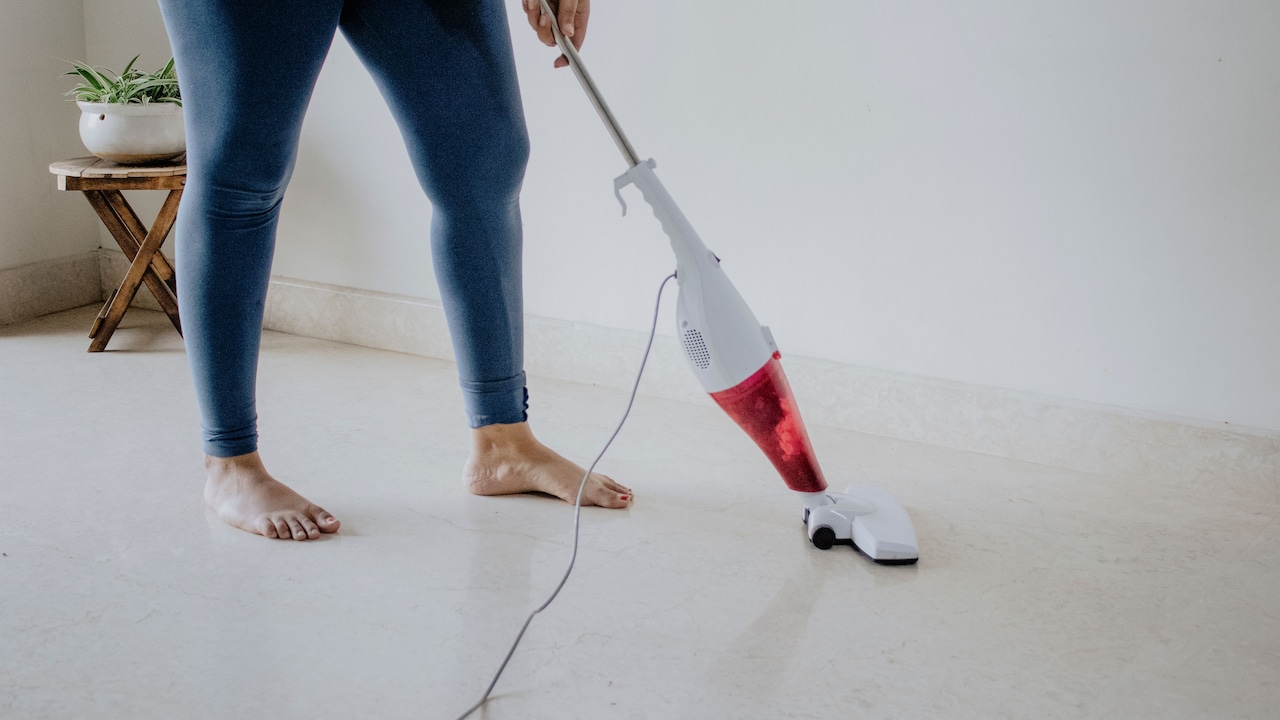
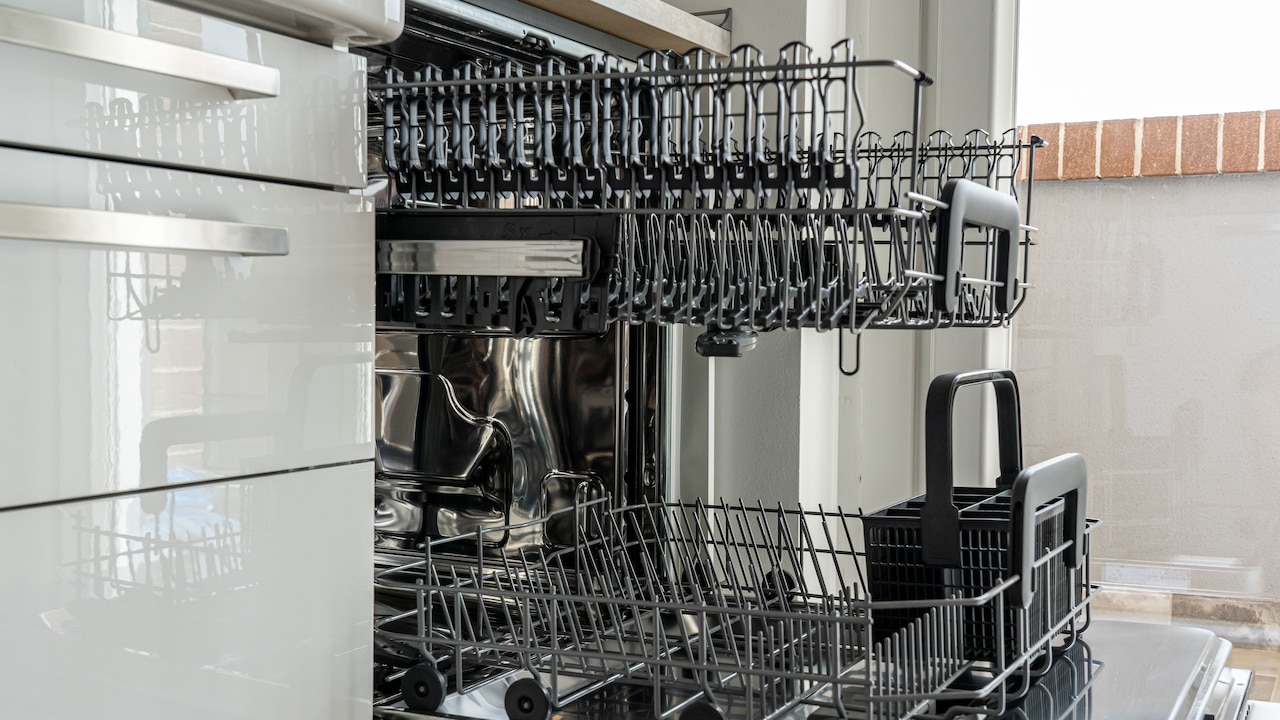
Why Vacuum Filters Need Cleaning More Often Than Most People Expect; Photo Credit: Pexels
4. Vacuuming Rugs Sends More Debris Through The Machine
A rug may look perfectly respectable while hiding an impressive amount of material between its fibres.
Unlike smooth flooring, rugs and carpets can hold dust deep below the visible surface. Foot traffic gradually pushes grit, hair and tiny particles down into the pile. A powerful vacuum pulls much of that material back out.
That's good news for the rug but demanding work for the filter.
One thorough cleaning session on several rugs can send more fine dust through a vacuum than multiple quick passes over tiles or wooden flooring. Older rugs may also shed fibres that contribute to filter build-up.
High-pile styles can create an additional challenge because the vacuum needs strong airflow to lift debris effectively. Once the filter starts clogging, performance on these surfaces may deteriorate noticeably.
If your vacuum cleans hard floors well but suddenly struggles with rugs, don't immediately blame the motor or brush head. Inspect the filter first.
Homes with several carpets or fabric floor coverings generally benefit from more frequent filter checks. The vacuum is doing exactly what it should: extracting hidden material.
Unfortunately, all that hidden dirt eventually has to pass through somewhere.
5. Pet Homes Put Filters Under Extra Pressure
Living with a pet means discovering fur in locations that seem physically impossible. Sofa? Expected. Carpet? Naturally. Freshly washed clothing inside a closed cupboard? Somehow, yes.
Vacuum filters experience the same battle.
Dogs and cats shed more than visible hair. Their presence also adds dander, tiny skin particles and fine debris carried indoors on paws and coats. Much of this material eventually ends up on floors, bedding and upholstery.
Vacuuming removes it, but the filter then has to separate those smaller particles from the outgoing air.
That workload becomes particularly noticeable during heavy shedding periods. A vacuum that usually goes several weeks without needing filter attention might require cleaning much sooner.
Pet beds can also produce a concentrated burst of debris. Vacuuming them sends hair, dust and fabric fibres through the system at once.
Owners sometimes respond to weaker suction by emptying the bin more frequently. That helps, but a filter covered in fine pet debris can continue restricting airflow even with a completely empty container.
In pet-friendly homes, checking the filter should become as routine as removing hair from the brush roll. Both affect how efficiently the machine performs.
6. An Almost-Full Dust Bin Can Dirty The Filter Faster
Vacuum manufacturers usually mark a maximum fill line for a reason.
Continuing to vacuum once dirt reaches or passes that level can interfere with the way air and debris circulate inside the machine. Instead of separating efficiently inside the container, more material may travel towards the filter.
That makes the filter work harder.
It's tempting to squeeze in one more room before emptying the bin, especially when cleaning is already underway. Unfortunately, those extra few minutes can sometimes contribute to quicker filter clogging.
Small cordless vacuums face this issue particularly often because their containers fill quickly. A bedroom, living room and sofa session may produce enough debris to reach the recommended limit before the housework feels anywhere near finished.
Checking the bin during longer cleaning sessions can help.
Emptying it before it becomes tightly packed also prevents hair and dust from compressing into a dense lump. Once debris becomes compacted, airflow may struggle to move around it.
The vacuum's container isn't a suitcase before a holiday. Stuffing in just one more thing rarely improves matters.
Keeping some breathing room inside the bin helps the entire airflow system, including the filter, work more efficiently.
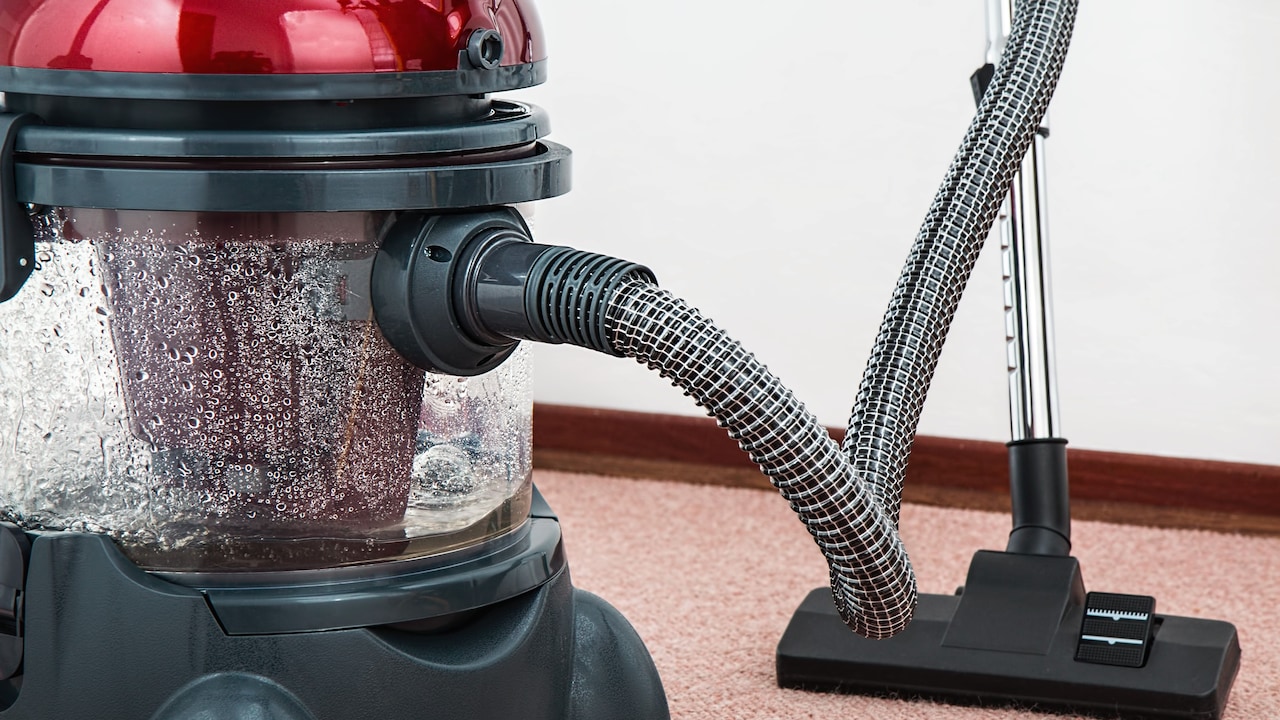
Why Vacuum Filters Need Cleaning More Often Than Most People Expect; Photo Credit: Pexels
7. Humidity Can Make Dust Stick More Stubbornly
Dust is considerably easier to remove when it remains dry and loose.
During humid weather, particles can absorb small amounts of moisture from the air. Instead of behaving like light powder, they may become slightly tacky and cling more firmly to filter material.
This can make a filter appear dirtier sooner and complicate cleaning.
Humidity may also affect debris picked up near balconies, bathrooms, kitchens or recently mopped floors. Vacuuming surfaces before they have dried completely can introduce additional moisture into a machine designed primarily for dry debris.
That's worth avoiding unless the appliance specifically supports wet cleaning.
Never reinstall a washable filter while it still feels damp either. Moisture trapped inside the vacuum can encourage unpleasant smells and may cause fine dust to stick rapidly once cleaning resumes.
Allowing filters to dry thoroughly matters just as much as washing them properly.
During muggy weather, drying can take longer than expected. A filter that feels dry on the outside may still retain moisture deep between its folds.
Following the manufacturer's drying guidance remains the safest approach.
A little patience here saves the peculiar experience of turning on the vacuum and wondering why yesterday's freshly cleaned filter already smells like a forgotten damp towel.
8. Cleaning Powdery Messes Can Clog A Filter Quickly
Some messes simply don't belong in a regular vacuum.
Very fine substances such as plaster dust, fireplace ash, large quantities of flour or construction debris can overwhelm household filters. Their tiny particles may pass through normal separation systems and pack themselves tightly into filter material.
A filter can clog dramatically after a single cleaning session.
This often happens during small home repairs. Drilling a few holes, sanding a wall or shifting furniture after renovation work leaves behind powder that looks harmless enough. Reaching for the regular vacuum seems convenient.
Yet construction dust can be much finer than ordinary household dirt.
The same caution applies after broken plant pots, DIY projects or anything that produces dense clouds of powder. Depending on the material involved, sweeping carefully or using equipment designed for workshop debris may make more sense.
Always check the vacuum manufacturer's guidance before collecting unusual substances.
If suction drops suddenly after cleaning an especially dusty area, examine the filter rather than assuming something has gone mechanically wrong.
The timing provides an important clue. Filters usually clog gradually, but extremely fine debris can turn the process into something closer to an express service.
9. Reusable Filters Still Have Limits
A washable filter sounds wonderfully low-maintenance. Rinse it, dry it and put it back. Job done.
Not quite forever, though.
Reusable filters can gradually lose efficiency as dirt becomes embedded deep within the material. Repeated washing may remove most surface debris while leaving some particles trapped between fibres or pleats.
The filter itself can also change with age.
Frequent cleaning, handling and exposure to dust may eventually affect its shape or structure. Pleats can become distorted, seals may deteriorate and foam sections can lose their original resilience.
At that point, washing may no longer restore airflow properly.
This is why maintenance instructions often distinguish between cleaning and replacement. A washable component still needs replacing eventually if the manufacturer specifies it.
Pay attention to performance after cleaning. If a completely dry, freshly washed filter goes back into the vacuum but suction remains noticeably weaker, something else may be restricting airflow. The filter could also have reached the end of its useful life.
Reusable doesn't mean indestructible.
Treating filters as permanent parts can slowly reduce vacuum performance while making the motor work harder than necessary.
10. Most People Judge Filters By Appearance Alone
Perhaps the biggest reason filters go too long without cleaning is simple: they don't always look particularly dirty.
A filter doesn't need to resemble a dusty doormat before airflow suffers.
Fine particles can collect inside the material where they aren't immediately visible. A quick glance at the outer surface may therefore suggest everything is fine even when suction has started dropping.
Performance offers useful clues.
A vacuum that sounds different, runs hotter than usual, leaves debris behind or needs repeated passes may be struggling with restricted airflow. Of course, blockages in hoses and brush heads can cause similar symptoms, so the whole airflow path deserves inspection.
Cleaning frequency shouldn't rely entirely on a fixed monthly schedule either.
Someone vacuuming a small flat once a week won't put the same strain on a filter as a household with rugs, children, pets and near-daily cleaning. The correct interval depends on use.
The appliance manual provides the best starting point, but observation matters too.
Once you recognise how the vacuum behaves with a clean filter, changes become easier to notice. That little piece of material hidden inside the machine suddenly stops feeling insignificant.
Products Related To This Article
1. SEZNIK Vacuum Cleaner for Home Use
2. AGARO Regal 800 Watts Handheld Vacuum Cleaner
3. INALSA Wet and Dry Vacuum Cleaner for Home
4. PHILIPS PowerPro FC9352/01-Compact Bagless Vacuum Cleaner for Home
5. Eureka Forbes Quick Clean DX Vacuum Cleaner with 1200 Watts
6. BLACK+DECKER BDWDS12-IN Corded WET & DRY Vacuum Cleaner For Home
7. KARCHER Wd 3 V Wet & Dry Vacuum Cleaner, 23 kPa Suction Power
Vacuum filters work quietly, so they're easy to forget until suction begins to suffer. Fine dust, hair, rugs, pets, cooking residue and humid conditions can all make them clog sooner than expected.
Regular checks can keep airflow stronger and cleaning sessions less frustrating. Follow the manufacturer's instructions for washing, drying and replacement, and pay attention to changes in performance rather than waiting for the filter to look filthy. A few minutes of maintenance can spare you from dragging the vacuum repeatedly across the same stubborn patch of floor.
(Disclaimer: This article may include references to or features of products and services made available through affiliate marketing campaigns. NDTV Convergence Limited (“NDTV”) strives to maintain editorial independence while participating in such campaigns. NDTV does not assume responsibility for the performance or claims of any featured products or services.)