Why Your Electric Kettle Develops White Deposits And How To Prevent It
White deposits in an electric kettle are usually limescale from hard water. Learn why they form, how they affect taste and heating, and simple ways to prevent build-up with vinegar, lemon, filtered water, and better kettle habits.
Why Your Electric Kettle Develops White Deposits And How To Prevent It
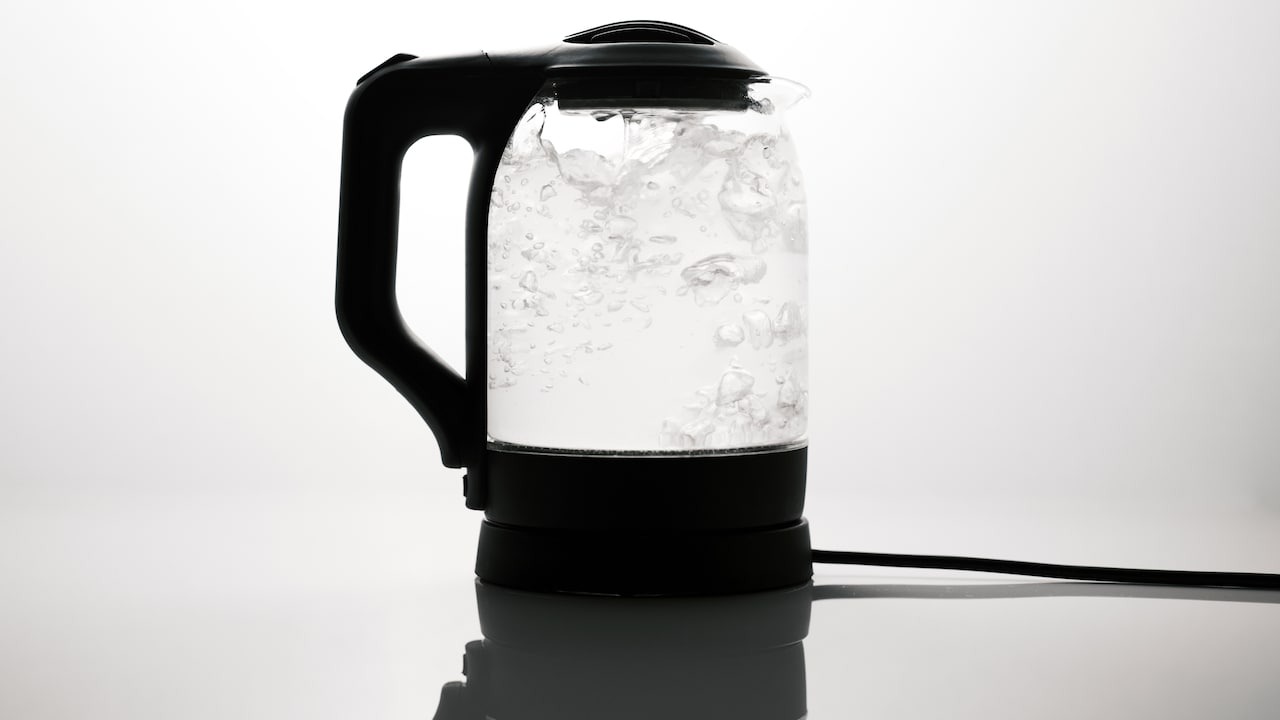
An electric kettle has quietly become one of the most hardworking appliances in modern kitchens. It boils water before the gas stove has even woken up, helps with tea during busy mornings, and saves the day when guests arrive without warning. Yet, after a few weeks of use, many people lift the lid and spot an unpleasant white crust at the bottom. At first glance, it can look like leftover soap, spoiled water, or even mould. Thankfully, it is rarely anything so alarming. Those white deposits are usually limescale, a crusty residue left behind when water rich in minerals keeps boiling inside the kettle.
Why Your Electric Kettle Develops White Deposits And How To Prevent It
Photo Credit: Pexels
The issue becomes more noticeable in places where tap water contains calcium and magnesium. Each boil leaves behind a tiny trace. Over time, the kettle starts wearing what looks like a pale, stubborn sweater. It may not ruin the appliance immediately, but it can affect taste, heating speed, and hygiene.
Here is why it happens, why it matters, and how to keep that kettle shining without turning cleaning into a weekend project.
What Causes White Deposits In Your Electric Kettle?
Hard Water Leaves Its Calling Card
The main reason behind white deposits in an electric kettle is hard water. This water contains dissolved minerals, mainly calcium and magnesium. These minerals are not visible when the water flows from the tap, which makes the white build-up feel mysterious later. But once the kettle starts boiling, the story changes.
As water heats, some minerals separate and settle on the metal surface. After the water turns into steam or gets poured out, the minerals stay behind. One boil leaves almost nothing noticeable. Ten boils leave a faint film. A month of daily tea rounds can create a chalky layer that looks as if the kettle has been dusted with talcum powder.
Homes that depend on borewell water often see this faster. Even municipal water can cause it in certain areas. The kettle is not faulty, and the water is not necessarily unsafe. It simply carries minerals that behave badly when heated. Think of limescale as the kettle's way of keeping receipts for every cup ever boiled.
Boiling Makes Minerals Settle Faster
Water may look calm inside a kettle, but boiling creates a busy little chemistry show. When the temperature rises, dissolved minerals lose their comfortable place in the water. Calcium compounds, especially calcium carbonate, begin to separate and cling to the heating plate or inner walls.
This is why the deposits appear mostly at the bottom of the kettle. That area gets the hottest and faces the most direct heat. If the kettle has a concealed heating element, the white layer spreads over the base. If the kettle has an exposed coil, the scale may wrap around it like unwanted decoration.
Repeated boiling makes the issue worse. Many people reboil leftover water several times during the day. It feels harmless and saves a few seconds, but each reboil increases mineral concentration. Less water remains, while the same minerals stay behind. Eventually, the kettle becomes a small mineral museum. Fresh water for each boil may sound like a fussy habit, but it helps reduce build-up over time.
White Deposits Are Usually Not Dangerous
The sight of white flakes floating in hot water can make anyone pause before pouring tea. The first instinct may be to throw away the water and blame the kettle. In most cases, though, limescale is not harmful in small amounts. It comes from minerals already present in the water.
That said, “not dangerous” does not mean “pleasant”. Nobody wants chalky bits drifting in elaichi chai or settling at the bottom of a coffee mug. Limescale can alter the taste of hot drinks and make water feel slightly flat or gritty. It also gives the kettle an uncared-for look, even in an otherwise spotless kitchen.
The bigger concern lies in long-term appliance health. A thick mineral layer can affect heating performance and may shorten the kettle's life. So while the white crust is not a kitchen emergency, it deserves attention. Treat it like dust on a ceiling fan before summer. Ignore it too long, and the whole household starts complaining.
Your Tea May Taste Different
A kettle with heavy deposits can quietly change the flavour of drinks. Tea, coffee, and even plain hot water may develop a dull or slightly mineral taste. This happens because tiny flakes of scale can loosen during boiling and mix with the water. Even when no flakes are visible, the mineral-coated surface can affect freshness.
For people who take their tea seriously, this matters. A strong morning chai needs clean, lively water. Green tea becomes especially unforgiving because it has a delicate taste. Coffee can also taste less bright when the water carries extra mineral residue.
There is also the matter of smell. A neglected kettle may develop a stale odour, especially if water sits inside it for hours. Add humid weather and a busy kitchen, and the kettle can start smelling less like comfort and more like a forgotten steel tumbler near the sink.
Regular descaling keeps the taste clean. It does not require expensive products. A basic kitchen ingredient can often restore the kettle better than a fancy cleaner with a ₹399 price tag.
Also Read: Brew, Pour, Impress: Explore Stylish Ceramic Kettle Sets For Tea-Time
Limescale Can Slow Down Heating
White deposits do not just sit there looking unattractive. They act like a barrier between the heating element and the water. This means the kettle needs more time and energy to boil the same amount of water. At first, the difference may feel tiny. Over months, it becomes more noticeable.
A kettle that once boiled water quickly may begin to sound louder and take longer. The base may heat unevenly. In some cases, the appliance may switch off too soon because the heating sensor gets confused by the scale layer. That can be annoying when half-boiled water ruins the rhythm of a busy morning.
Electricity use may also creep up. One slow kettle will not destroy the monthly bill, but no one enjoys paying extra for a cup of tea. In households where the kettle works several times a day, clean interiors help performance. A descaled kettle heats faster, sounds better, and feels less tired. Much like people, appliances also perform better when they are not carrying unnecessary baggage.
Vinegar Works Like A Kitchen Superhero
White vinegar is one of the simplest ways to remove kettle deposits. It contains acetic acid, which helps dissolve mineral build-up. The process is easy and budget-friendly, which explains why so many households trust it.
Fill the kettle halfway with equal parts water and white vinegar. Boil the mixture, switch off the kettle, and let it sit for about twenty minutes. If the scale is thick, give it a little more time. After that, pour the liquid away and rinse the kettle several times with clean water. Boil fresh water once or twice and discard it before making tea.
The smell of vinegar can feel sharp, so good rinsing matters. Nobody wants their masala chai to carry the spirit of pickle brine. For mild scale, a shorter soak may work. For stubborn crust, repeat the process rather than scraping aggressively.
Avoid using metal scrubbers inside the kettle. They can scratch the surface and make future deposits cling more easily. Let vinegar do the hard work while the kettle enjoys its spa treatment.
Why Your Electric Kettle Develops White Deposits And How To Prevent It
Photo Credit: Pexels
Lemon Is The Gentler Fix
For anyone who dislikes vinegar's smell, lemon offers a fresher option. Citric acid in lemon juice can break down mineral deposits and leave the kettle smelling pleasant. It works especially well for light to moderate build-up.
Squeeze one or two lemons into the kettle and add water. Some people also drop the squeezed lemon halves inside for extra freshness. Boil the mixture, let it rest for around twenty minutes, then pour it out. Rinse well and boil plain water once before using the kettle again.
Lemon may take a little longer than vinegar on stubborn scale, but it feels gentler and more kitchen-friendly. The fragrance also beats vinegar by a comfortable margin. It turns kettle cleaning into something closer to nimbu paani preparation, minus the sugar and salt.
Citric acid powder can also help, and a small packet often costs very little at local shops or online. Use it carefully, rinse thoroughly, and avoid adding too much. More acid does not always mean better cleaning. Sometimes it only means more rinsing and more regret.
Filtered Water Reduces Build-Up
Prevention begins with the water going into the kettle. If hard water causes scale, reducing minerals can slow the problem. Using filtered or RO water can make a visible difference, especially in areas where tap water leaves stains on taps, buckets, and bathroom tiles.
This does not mean every home must buy a new purifier just for the kettle. Many families already use filtered drinking water. Filling the kettle from that source can reduce deposits over time. Even simple carbon filters may help with taste, though they may not remove all hardness. RO systems usually reduce mineral content more strongly, but they require maintenance and water-quality checks.
Using filtered water also improves the flavour of tea and coffee. The difference becomes obvious when comparing two cups side by side. One tastes cleaner, while the other may carry a faint mineral heaviness.
Still, filtration is not a magic shield. Some build-up may happen anyway. The goal is not perfection. The goal is fewer white patches, better taste, and fewer Saturday mornings spent peering into the kettle with suspicion.
Empty The Kettle After Use
Many people boil water, pour what they need, and leave the rest inside. It feels practical. The kettle is covered, the water looks clean, and someone may need hot water again soon. Unfortunately, standing water encourages mineral deposits to settle more firmly.
As the leftover water cools, minerals continue to cling to the base and sides. When the same water gets boiled again, the concentration increases further. This habit slowly turns a small film into a stubborn crust.
Emptying the kettle after use is one of the easiest preventive steps. Once the water has been poured, leave the lid open for a short while so the inside can dry. A dry kettle collects less scale than a damp one. This also helps prevent stale smells.
The habit takes only a few seconds. It is like wiping the kitchen counter after making chai. Nobody throws a party for doing it, but the whole kitchen feels better because of it. Small routines often save the most effort later.
Clean It Before The Scale Gets Stubborn
The best time to clean a kettle is before the deposits look dramatic. A faint white film is easy to remove. A thick, crusty layer needs more soaking and patience. Regular cleaning prevents the problem from becoming a wrestling match between human willpower and calcium carbonate.
For homes that use the kettle daily, descaling once every two to four weeks works well. In hard-water areas, weekly cleaning may be better. The schedule does not need to be strict. The kettle itself gives signs. Slower boiling, floating white flakes, dull taste, or visible patches all mean cleaning day has arrived.
A soft sponge can handle light marks after descaling. For narrow corners, a bottle brush works better. Always unplug the kettle before cleaning, and never dip the outside or base in water. Electric appliances deserve respect.
Regular care also extends the kettle's life. A decent electric kettle may cost anywhere from ₹800 to ₹3,000, depending on the brand and features. Keeping it clean protects that money and saves another trip to the appliance store.
Avoid Harsh Shortcuts
When white deposits refuse to leave, harsh cleaning ideas can feel tempting. Steel wool, knives, strong bathroom cleaners, and random chemical mixes may look effective, but they can damage the kettle or make it unsafe for boiling drinking water.
Bathroom cleaners belong in bathrooms, not in appliances used for tea. Strong chemicals may leave residues that are hard to rinse. Sharp tools can scratch the metal, damage coatings, and create tiny grooves where scale gathers faster next time. Even baking soda, though useful for odours, does not dissolve limescale as effectively as acidic cleaners.
Another common mistake is overfilling the kettle with vinegar or lemon water and letting it boil over. That creates a sticky, smelly mess and may damage the electrical parts. Keep the liquid below the maximum line and watch the first cleaning boil.
Safe cleaning is simple cleaning. Use mild acids like vinegar, lemon juice, or citric acid. Rinse well. Dry the kettle. No drama, no chemical experiments, and no kitchen scene that ends with everyone asking, “What happened here?”
Why Your Electric Kettle Develops White Deposits And How To Prevent It
Photo Credit: Pexels
Products Related To This Article
1. Havells Aqua Plus Electric Kettle 1.2 Litre, 1250 Watt
2. Pigeon Kessel Multipurpose Kettle (12173) 1.2 litres with Stainless Steel Body
3. Milton Rapid Electric Kettle 1.8L
4. Pigeon Tesla Electric Kettle 1.5 L
5. InstaCuppa 3-in-1 Multi Cook Kettle with Steamer
6. Hafele Dome Plus 2200W, 240V Electric Stainless Steel Kettle with Spout Cover with Analogue Temperature Display
7. Westinghouse 1.7L 2200W Retro Series Electric Kettle
White deposits in an electric kettle are common, especially where water carries plenty of minerals. They may look unpleasant, but they usually come from limescale rather than anything dangerous. The real trouble appears when the build-up affects taste, slows heating, and makes the kettle work harder than necessary.
The solution does not require fancy gadgets or costly cleaners. Vinegar, lemon, citric acid, filtered water, and simple daily habits can keep the kettle fresh. Empty it after use, avoid repeated reboiling, and clean it before the white layer turns stubborn. These small steps protect both the appliance and the flavour of every hot drink.
A clean kettle makes mornings smoother. The water boils faster, tea tastes brighter, and the kitchen feels just a little more cared for. In a home where the day often begins with a steaming cup, that small shine inside the kettle is worth keeping.
(Disclaimer: This article may include references to or features of products and services made available through affiliate marketing campaigns. NDTV Convergence Limited (“NDTV”) strives to maintain editorial independence while participating in such campaigns. NDTV does not assume responsibility for the performance or claims of any featured products or services.)