Steering Wheel Covers: Comfort Upgrade Or Safety Risk?
Steering wheel covers promise better grip and comfort, but do they compromise control? This article explores whether they are a smart upgrade or a hidden safety risk.
Steering Wheel Covers: Comfort Upgrade Or Safety Risk?
Step into any car accessories shop and one item stands out in colourful rows, steering wheel covers. From sleek leather finishes to plush, furry textures, they promise comfort, style, and even a better grip. For many drivers, especially those navigating crowded streets, long commutes, or weekend getaways, such a small upgrade feels worthwhile. Yet, beneath the appeal lies a question often brushed aside. Does adding a layer to something as crucial as the steering wheel affect control? After all, the steering wheel connects driver and machine. Any change, however minor, deserves attention.
The conversation around steering wheel covers swings between convenience and caution. Some swear by the improved grip, especially during humid afternoons when palms turn slippery. Others warn about loose fits and reduced sensitivity. Like many automotive choices, the truth sits somewhere in between.
This article dives into the pros, cons, and practical realities of steering wheel covers, helping drivers decide whether this accessory enhances comfort or quietly compromises safety.
Steering Wheel Covers: Comfort Upgrade Or Safety Risk?; Photo Credit: Pexels
Understanding The Real Impact Of Steering Wheel Covers
The Comfort Factor Behind Steering Wheel Covers
A long drive through traffic can test patience and comfort alike. Steering wheel covers often step in as a simple solution to improve the driving feel. Many factory-fitted wheels come with hard plastic surfaces that feel uncomfortable after extended use. A soft cover, especially one made of leather or memory foam, offers cushioning that reduces strain on the palms.
During summer, the steering wheel can heat up to uncomfortable levels when parked under the sun. A cover acts as a buffer, preventing that sharp, unpleasant heat when the engine starts. In cooler months, it adds warmth, making early morning drives less harsh.
Comfort also extends to the grip. Sweaty palms during humid weather can make handling slightly uneasy. A textured cover improves friction, allowing a more confident hold on the wheel. This small improvement can make daily commutes smoother and less tiring.
However, comfort varies with quality. A well-fitted cover enhances the experience, while a cheap one can feel bulky or uneven. The key lies in selecting materials that balance softness with control.
Grip And Control: Does It Improve Driving?
A steering wheel cover often promises improved grip, and in many cases, it delivers. Textured surfaces like perforated leather or rubberised designs create friction between the hand and the wheel. This becomes especially helpful during long drives or in stop-and-go traffic where constant steering adjustments are required.
Drivers who spend hours behind the wheel, such as cab operators or delivery professionals, often appreciate this added control. It reduces the effort needed to maintain a steady grip and can even minimise hand fatigue over time. In rainy conditions, when moisture affects handling, a good cover can provide better stability.
Yet, grip improvement depends heavily on fit. A loose cover can slip slightly during turns, creating a delayed response. Even a minor shift can disrupt control in critical moments, such as sudden braking or sharp manoeuvres.
Thickness also plays a role. A bulky cover may reduce sensitivity, making it harder to feel subtle movements of the wheel. This can affect precision, particularly at higher speeds.
In essence, while a well-designed cover can enhance grip, a poorly chosen one can do the opposite, turning a benefit into a risk.
Also Read: Car Accessories Under ₹1,500: Smart Upgrades That Boost Comfort Without Busting Your Budget
Material Matters: Leather, Fabric Or Synthetic?
The choice of material defines both comfort and safety. Leather covers remain a popular choice due to their durability and premium feel. They offer a firm grip and tend to age well, developing a character over time. However, genuine leather options often come at a higher price, sometimes ranging between ₹800 and ₹2,500.
Fabric covers, including cotton or plush variants, provide softness and comfort. They feel gentle on the hands and work well in moderate climates. However, they can absorb sweat and dust, requiring frequent cleaning. Over time, they may lose their texture and grip.
Synthetic materials, such as PU leather or rubber blends, strike a balance between cost and performance. They are widely available, often priced between ₹300 and ₹1,000, and offer decent durability. Many modern designs mimic the feel of real leather while remaining affordable.
The downside of cheaper synthetics lies in their finish. Some may feel slippery or wear out quickly. Additionally, low-quality materials can emit unpleasant odours, especially during hot weather.
Ultimately, the right material depends on usage patterns, climate, and budget. Investing in quality often ensures both comfort and longevity.

Steering Wheel Covers: Comfort Upgrade Or Safety Risk?; Photo Credit: Pexels
Installation Issues And Fit Concerns
A steering wheel cover may look simple, but installing it correctly requires attention. Many covers claim a universal fit, yet steering wheel sizes vary slightly across vehicles. A cover that is too tight can be difficult to install, while one that is too loose can compromise safety.
Proper installation ensures the cover sits snugly without any movement. A well-fitted cover feels almost like a natural extension of the wheel. However, poorly installed covers may shift during driving, especially when turning sharply.
Drivers often overlook this aspect, focusing more on design than fit. A quick purchase from a roadside stall may seem convenient, but without checking compatibility, it can lead to discomfort or even risk.
Professional installation services, usually available at accessory shops for a small fee, ensure a secure fit. Spending an extra ₹50 or ₹100 can make a significant difference in performance.
Fit also affects aesthetics. A loose cover may wrinkle or appear uneven, reducing the overall look of the interior. A snug fit, on the other hand, enhances both style and functionality.
Impact On Steering Sensitivity
Steering sensitivity plays a crucial role in driving precision. Adding a cover introduces an extra layer between the driver and the wheel, which can slightly alter this sensitivity.
For some, this change feels negligible. In fact, a slightly thicker grip can make handling more comfortable. However, for drivers who prefer a direct connection with the vehicle, this added layer may feel distracting.
The effect becomes more noticeable at higher speeds or during quick manoeuvres. Subtle feedback from the steering wheel helps in making accurate adjustments. A thick or padded cover can dampen this feedback, making the wheel feel less responsive.
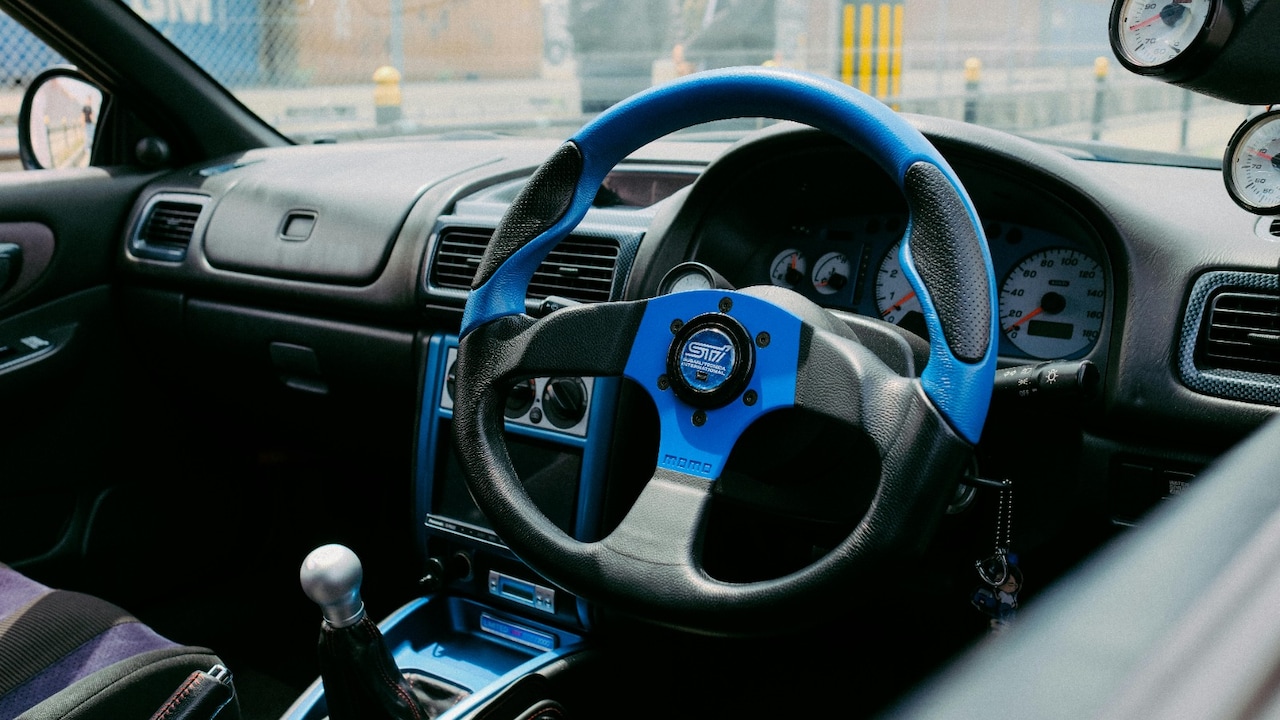
Sports driving enthusiasts often avoid covers for this reason. They prefer the original steering wheel to maintain maximum control and responsiveness.
That said, for daily city driving, the difference may not be significant. The key lies in choosing a cover that does not excessively increase thickness or reduce tactile feedback.
Safety Concerns: Myth Or Reality?
The debate around steering wheel covers often centres on safety. Critics argue that covers can slip, reduce control, or interfere with steering response. While these concerns hold some truth, they largely depend on quality and installation.
A well-fitted cover made from good materials rarely poses a problem. It stays in place and provides a consistent grip. Issues arise when covers are loose, poorly stitched, or made from inferior materials.
In emergencies, such as sudden braking or swerving, even a slight slip can affect reaction time. This makes it essential to ensure the cover does not move independently of the wheel.
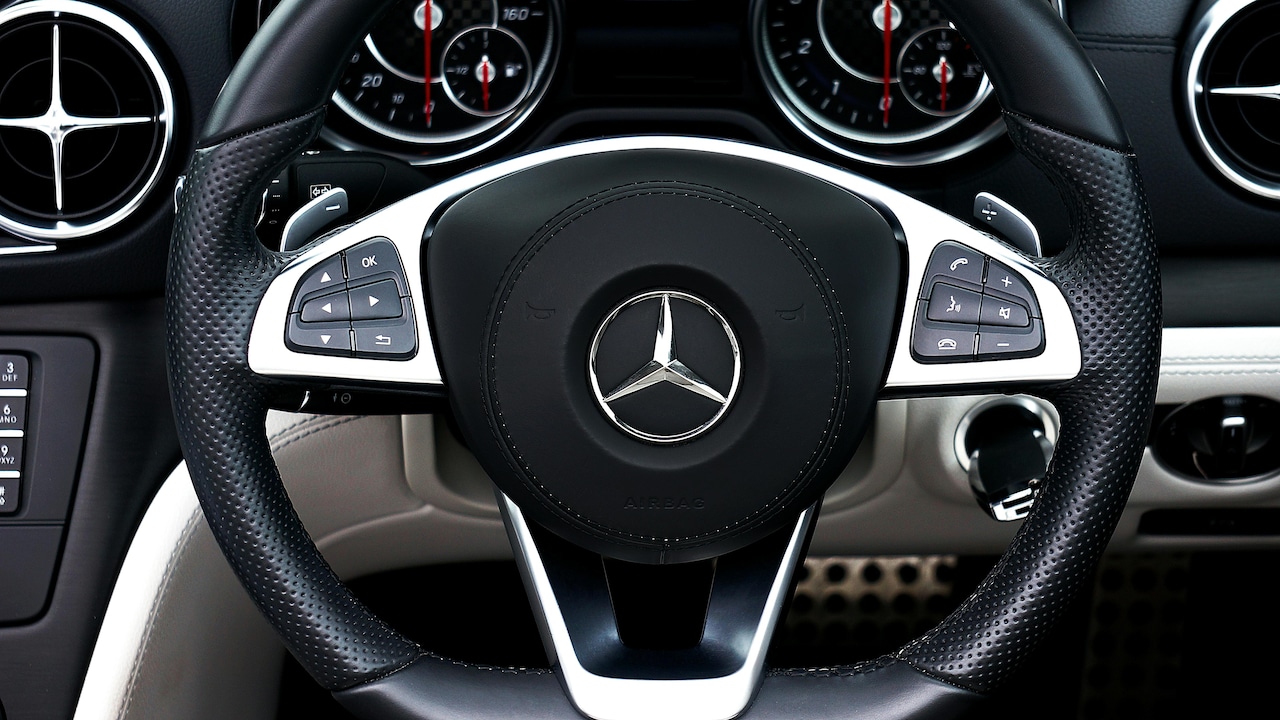
Another concern involves airbag deployment. Modern steering wheels house airbags at the centre, and while covers do not directly interfere, improper installation around the edges could potentially affect deployment zones.
Safety is not compromised by the concept of a cover itself but by careless selection and installation. Choosing wisely turns this accessory into a safe addition rather than a risky one.
Steering Wheel Covers: Comfort Upgrade Or Safety Risk?; Photo Credit: Pexels
Style Statement Or Practical Accessory?
For many, steering wheel covers are as much about style as they are about function. They offer a quick way to personalise the car's interior without spending a fortune. From bold colours to elegant stitching, options cater to every taste.
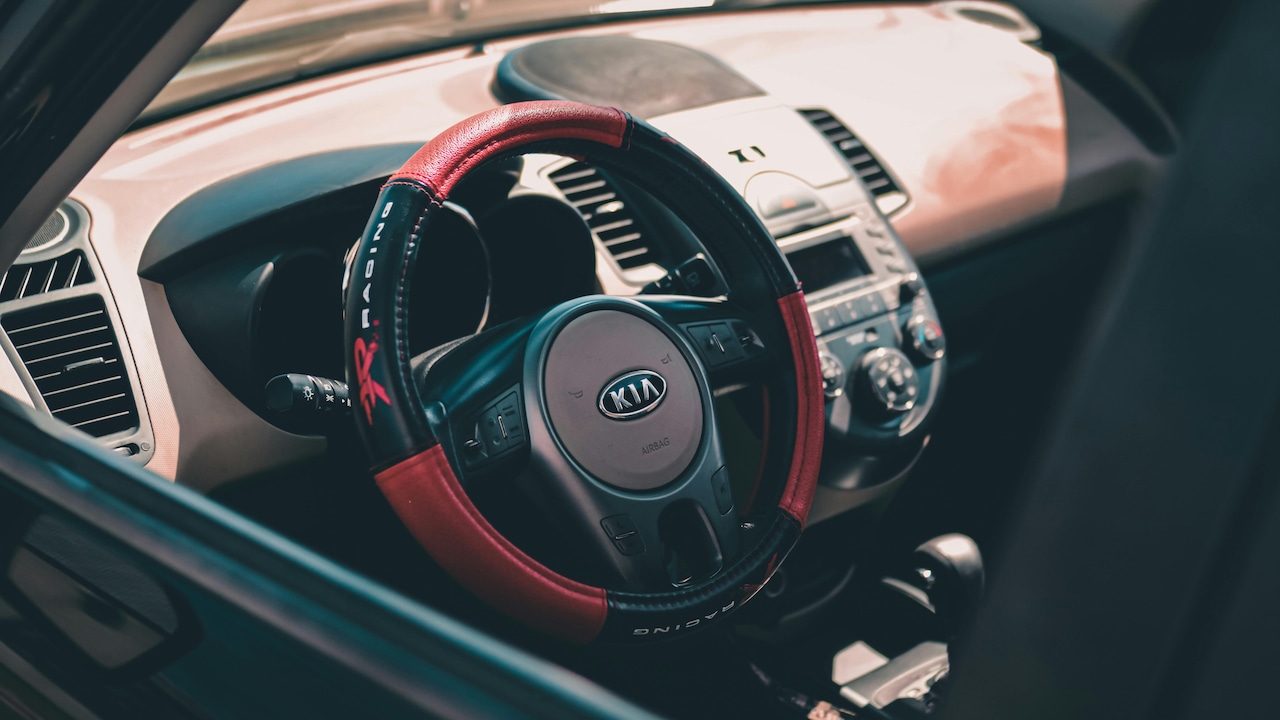
A black leather cover with red stitching can give a sporty vibe, while a beige or tan option adds a touch of sophistication. Some even opt for quirky designs, reflecting personality and mood.
However, style should not overshadow practicality. A visually appealing cover that compromises grip or comfort defeats its purpose. Balancing aesthetics with functionality ensures the best outcome.
Interior upgrades often begin with small changes, and a steering wheel cover remains one of the most accessible options. It allows drivers to refresh the cabin without investing heavily in modifications.
In the end, the ideal cover blends seamlessly with the car's design while enhancing the driving experience.
Maintenance And Longevity
Like any accessory, steering wheel covers require care. Dust, sweat, and constant friction can wear them out over time. Regular cleaning helps maintain both hygiene and appearance.
Leather covers benefit from occasional conditioning to prevent cracks and dryness. Fabric covers may need washing to remove accumulated dirt. Synthetic materials usually require simple wiping with a damp cloth.
Longevity depends on usage and quality. A high-quality cover can last several years, while cheaper ones may need replacement within months. Exposure to sunlight and heat can accelerate wear, especially in warmer climates.
Replacing a worn-out cover is not just about aesthetics. A damaged or loose cover can affect grip and safety. Periodic checks ensure it remains in good condition.
Investing in a durable cover may seem expensive initially, but it often proves more economical in the long run.
Cost Versus Value: Is It Worth It?
Steering wheel covers fall within an affordable range, making them accessible to most drivers. With prices starting as low as ₹200 and going up to ₹3,000 or more, options cater to every budget.
The value lies in what the driver seeks. For someone prioritising comfort during long commutes, even a mid-range cover can make a noticeable difference. For others focused on aesthetics, it offers an easy way to enhance the interior.
However, cutting costs too much can backfire. Extremely cheap covers may lack durability and proper fit, leading to frequent replacements or safety concerns.
A balanced approach works best. Spending a reasonable amount on a quality product ensures better performance and longevity. It also reduces the likelihood of issues related to grip or installation.
Ultimately, the decision depends on individual needs, but a thoughtful purchase often delivers good value.
When To Avoid Steering Wheel Covers
Despite their advantages, steering wheel covers are not suitable for every situation. Drivers who prioritise maximum steering feedback, such as enthusiasts or those driving performance vehicles, may prefer the original wheel.
New cars with premium steering materials often do not require additional covers. Adding one may reduce the feel and design appeal already provided by the manufacturer.
Covers should also be avoided if a proper fit cannot be ensured. A loose cover poses more risk than benefit. Similarly, if the material feels slippery or uncomfortable, it is better to skip it altogether.
In some cases, frequent removal and reinstallation can weaken the cover's structure, making it less reliable over time.
Choosing not to use a cover can be as valid as choosing one. The key lies in understanding personal driving habits and preferences.
Products Related To This Article
1. Amazon Basics Leather Steering Wheel Cover (Medium – 38 cm)
2. Auto Oprema (Award Winner at INDIA'S Rising Star 2024)
3. Soft X Premium Faux Leather Car Steering Wheel Cover
4. JVCV® 2 Pcs Universal Fit High Gloss Carbon Fiber Texture Segmented Car Steering Wheel Cover Hard Car Wheel Grip Non Slip Cover Protector
5. szttswamp Leather Car Steering Wheel Cover
Steering wheel covers occupy a curious space in the world of car accessories. They promise comfort, style, and improved grip, and often deliver on these fronts when chosen wisely. Yet, they also carry potential risks if quality and fit are ignored.
The decision ultimately comes down to balance. A well-made, properly fitted cover enhances the driving experience without compromising safety. On the other hand, a poorly chosen one can do more harm than good.
For daily drivers navigating busy roads and long commutes, a good cover can make journeys more comfortable and enjoyable. For those who value precision and direct feedback, sticking to the original wheel may feel more reassuring.
In the end, this small accessory reflects a larger truth about driving choices. Thoughtful decisions, even for the simplest upgrades, make all the difference between convenience and compromise.
(Disclaimer: This article may include references to or features of products and services made available through affiliate marketing campaigns. NDTV Convergence Limited (“NDTV”) strives to maintain editorial independence while participating in such campaigns. NDTV does not assume responsibility for the performance or claims of any featured products or services.)