Top 10 Tips To Remove Helmet Odour That Won't Go Away Even After Cleaning
Persistent helmet odour often returns even after cleaning. Discover simple, effective ways to eliminate smell at the source and keep your helmet fresh for every ride.

Top 10 Tips To Remove Helmet Odour That Won't Go Away Even After Cleaning
There's a certain joy in gearing up for a ride. The engine hums, the road calls, and the helmet sits snugly in place. Yet, somewhere between daily commutes and long rides, a familiar problem emerges. That unmistakable smell. It lingers even after washing, clinging to the padding like an unwelcome guest.
Helmet odour is more than just a nuisance. It reflects trapped sweat, bacteria, humidity, and sometimes neglect that sneaks into busy routines. Many assume a quick wash or spray will solve it, but the issue often runs deeper.
Understanding the root causes and adopting smarter habits can make all the difference. The good news is that simple, consistent changes can restore freshness without expensive solutions. The following tips blend practicality with everyday wisdom, making them easy to follow and surprisingly effective.
Top 10 Tips To Remove Helmet Odour That Won't Go Away Even After Cleaning; Photo Credit: Pexels
Practical Ways To Eliminate Stubborn Helmet Odour For Good
Understand Why The Odour Persists
Helmet odour rarely comes from dirt alone. It develops when sweat mixes with bacteria and stays trapped inside the padding. Warm weather and daily use accelerate this process, especially during long rides or traffic-heavy commutes.
Even after cleaning, moisture can remain hidden in the inner layers. This creates the perfect environment for bacteria to thrive again. That's why the smell returns so quickly, often stronger than before.
A deeper understanding helps shift the approach. Instead of focusing only on cleaning, attention needs to move towards drying, airflow, and prevention. Many riders overlook this, assuming the job ends once the helmet looks clean.
Think of it like damp clothes left in a corner. No matter how well they were washed, they develop a smell if not dried properly. Helmets behave in much the same way, only with less visibility.
Recognising this pattern is the first step towards a lasting solution.
Drying Matters More Than Washing
Washing removes surface grime, but drying determines whether the smell stays gone. Many helmets end up being used before they fully dry, especially during monsoon or humid days. This habit quietly invites odour back in.
Natural sunlight works wonders, but direct harsh exposure can damage materials. A shaded, airy spot offers the perfect balance. Placing the helmet upside down helps trapped moisture escape more effectively.
Some riders invest in quick fixes like wiping the interior, but that barely scratches the surface. Deep moisture hides in foam layers and stitching, requiring time and airflow to disappear completely.
A small investment, such as a ₹500 portable fan or a simple stand, can improve drying significantly. It might feel unnecessary at first, but the difference becomes clear after a few uses.
Patience during drying often proves more valuable than effort during washing.
Also Read: Does Your Helmet Stink? Try This 5 Step Cleaning Process For Fresher Rides And Longer Gear Life
Use Baking Soda As A Natural Deodoriser
Baking soda often sits quietly on kitchen shelves, yet it works brilliantly against odour. It neutralises smells instead of masking them, making it ideal for helmet interiors.
Sprinkling a small amount inside the helmet and leaving it overnight can absorb unwanted moisture and odour. The next day, a gentle shake or vacuum removes the residue, leaving behind a noticeably fresher feel.
This method feels almost too simple, but its effectiveness surprises many. Unlike chemical sprays, it doesn't introduce artificial fragrances that mix oddly with sweat.
It also works well for riders who prefer low-cost solutions. A ₹50 packet lasts weeks, offering consistent results without effort.
There's something satisfying about using such a humble ingredient to tackle a stubborn problem. It feels practical, almost like discovering a shortcut that should have been obvious all along.
Keep A Helmet Liner Or Bandana
Sweat forms the core of helmet odour. Reducing direct contact between the scalp and the padding can significantly slow down the problem. Helmet liners or even a simple cotton bandana act as a barrier.
These liners absorb sweat before it reaches the helmet's inner layers. They are easy to wash, quick to dry, and far more manageable than cleaning the helmet repeatedly.
On busy mornings, slipping on a liner takes seconds but saves hours of effort later. It also adds comfort during long rides, especially in peak summer heat.
Cotton options remain popular because they breathe well and feel soft against the skin. Affordable choices start around ₹150, making them accessible without much thought.
It's a small habit, but one that transforms the entire experience. The helmet stays fresher, and rides feel more comfortable, even on the hottest days.
Top 10 Tips To Remove Helmet Odour That Won't Go Away Even After Cleaning; Photo Credit: Pexels
Avoid Storing Helmets In Closed Spaces
Where a helmet rests after a ride matters more than expected. Storing it in enclosed spaces like cupboards or bike boxes traps moisture and prevents airflow.
The result is predictable. A stale smell builds up quietly, growing stronger each day. Even a freshly cleaned helmet can develop odour within hours if stored poorly.
Open spaces allow air circulation, which keeps the interior dry and fresh. A simple hook near a window or a well-ventilated corner works wonders.
Some riders hesitate to leave helmets outside due to dust concerns. Covering them with a breathable cloth solves this without restricting airflow.
It's about balance. Fresh air combats odour far better than confinement ever could.
Changing storage habits often delivers quicker results than repeated cleaning attempts.
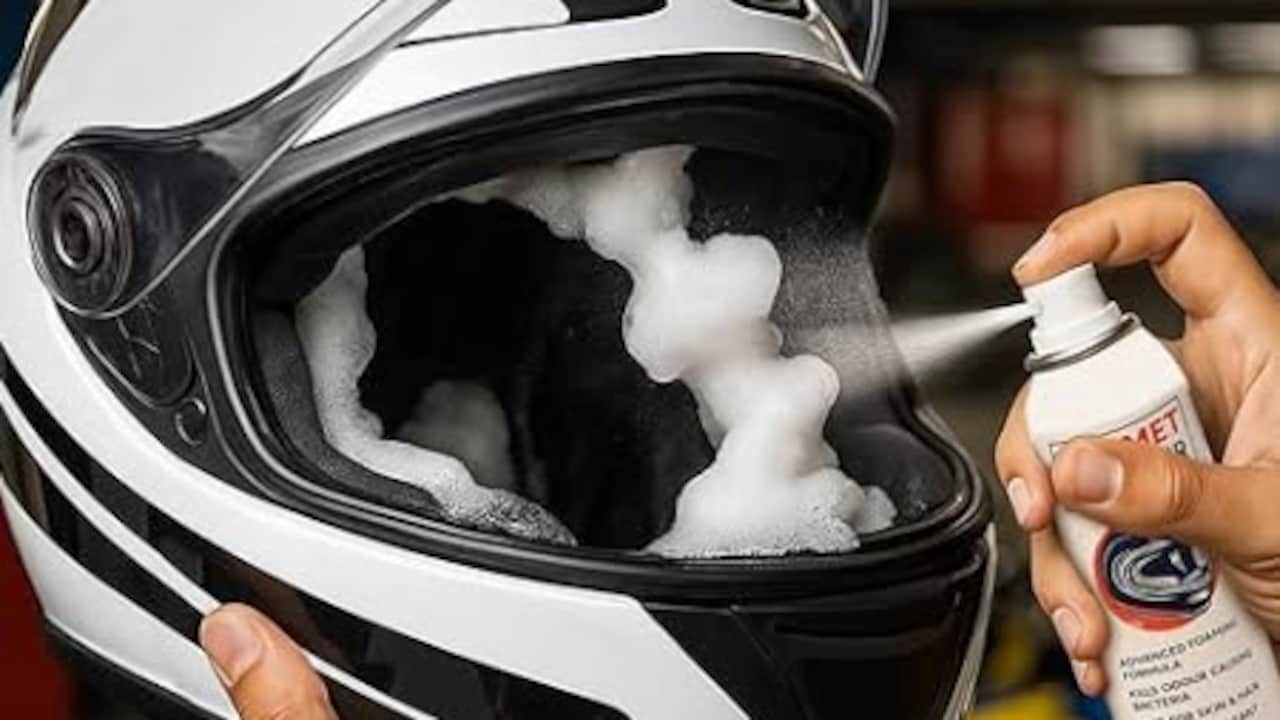
Use Mild Antibacterial Sprays Carefully
Antibacterial sprays offer a quick fix, but they need careful use. Strong chemicals can damage helmet padding or cause skin irritation over time.
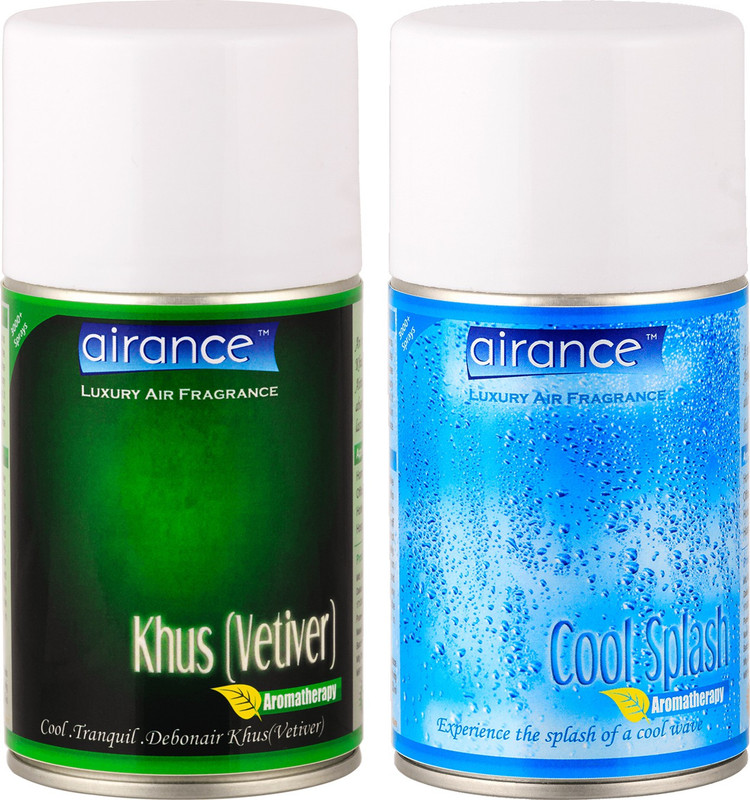
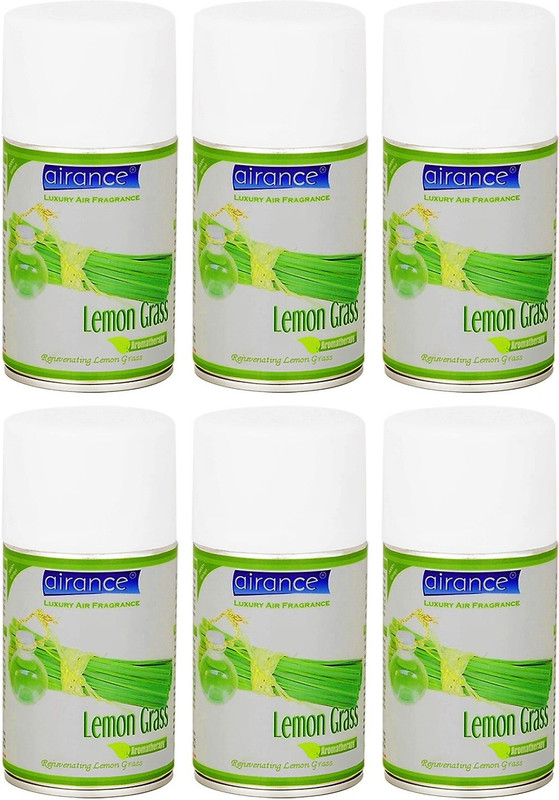
Choosing mild, fabric-safe sprays ensures safety without compromising effectiveness. A light mist after rides helps control bacterial growth before it turns into odour.
Overuse, however, can create a different problem. Artificial scents may mix with sweat, leading to an even more unpleasant smell. Moderation becomes key.
Sprays work best as a preventive measure rather than a cure. Applying them regularly keeps odour at bay instead of trying to eliminate it later.
Affordable options starting around ₹200 provide decent results when used wisely.
Think of sprays as support, not the main solution. They complement good habits rather than replace them.
Wash Inner Padding Properly
Many helmets come with removable inner padding, yet not everyone takes advantage of it. Proper cleaning of these parts can make a noticeable difference.
Using mild shampoo or a gentle detergent prevents damage while removing accumulated sweat and grime. Harsh cleaners might strip material quality and shorten the helmet's lifespan.
Rinsing thoroughly ensures no residue remains, as leftover soap can cause discomfort during use. Once washed, the padding should dry completely before reassembly.
This process might feel tedious, but it only needs occasional attention. Once every few weeks keeps things under control for regular riders.
A clean interior not only smells better but also feels more comfortable against the skin.
It's one of those tasks that feels like effort initially but becomes routine over time, much like washing riding gloves or jackets.
Top 10 Tips To Remove Helmet Odour That Won't Go Away Even After Cleaning; Photo Credit: Pexels
Let Fresh Air Do Its Job
Fresh air remains one of the simplest yet most overlooked solutions. Leaving the helmet in an airy space after each ride allows moisture to evaporate naturally.
Even short periods of ventilation can reduce odour buildup significantly. It doesn't require special tools or products, just a bit of consistency.
Busy schedules often push this step aside. Helmets get tossed onto a shelf or stuffed into a corner without thought. Over time, this neglect builds up into stubborn smells.
Creating a small habit, such as airing the helmet for ten minutes after every ride, changes the outcome dramatically.
There's something almost effortless about this approach. No extra cost, no complex routine, just a small adjustment that delivers reliable results.
Sometimes, the simplest fixes turn out to be the most effective.
Replace Worn-Out Padding When Needed
No amount of cleaning can revive padding that has reached its limit. Over time, materials lose their ability to absorb moisture effectively, leading to persistent odour.
Recognising when to replace padding saves unnecessary effort. If the smell returns immediately after cleaning, worn-out foam might be the culprit.
Many brands offer replacement kits, often priced between ₹800 and ₹1500. While it might seem like an added expense, it extends the helmet's usability significantly.
Fresh padding feels different. It restores comfort, improves hygiene, and eliminates lingering smells almost instantly.
Ignoring this step often leads to frustration, as repeated cleaning fails to deliver results.
Sometimes, the solution isn't about fixing but replacing what no longer works.
Build A Consistent Care Routine
Consistency ties everything together. Occasional cleaning won't solve a problem that builds daily. A simple routine ensures odour never gets the chance to settle in.
Small habits, like airing the helmet, using liners, and occasional deep cleaning, create a long-term impact. None of these steps feels overwhelming on its own, but together they transform the experience.
It's similar to maintaining a bike. Regular care prevents bigger issues later. The same principle applies here.
Over time, the routine becomes second nature. The helmet stays fresh, rides feel more enjoyable, and the dreaded smell fades into memory.
Consistency doesn't demand perfection. It simply asks for a small, steady effort.
Products Related To This Article
1. ShineXPro Helmet Cleaner & Microfiber Cloth
2. Vista Auto Care Helmet Kleen 125 ml
3. Motul Helmet Care Kit -Helmet Visor & Interior Cleaner Spray with Bactericide Sanitizer
4. Castrol All-in-One Helmet Cleaner – Anti-Odour & Anti-Bacterial foaming Spray
5. Antson Helmet Cleaner Spray 250 ML
Helmet odour might seem like a minor inconvenience, but it affects comfort, confidence, and the overall riding experience. Tackling it doesn't require expensive solutions or complicated routines. It calls for awareness, consistency, and a few smart adjustments.
From proper drying to simple tools like baking soda and liners, each step contributes to a fresher, more enjoyable ride. The key lies in prevention rather than repeated correction.
A helmet should feel like a reliable companion, not something to endure. With the right approach, that stubborn smell becomes a thing of the past, leaving only the road ahead to focus on.
(Disclaimer: This article may include references to or features of products and services made available through affiliate marketing campaigns. NDTV Convergence Limited (“NDTV”) strives to maintain editorial independence while participating in such campaigns. NDTV does not assume responsibility for the performance or claims of any featured products or services.)