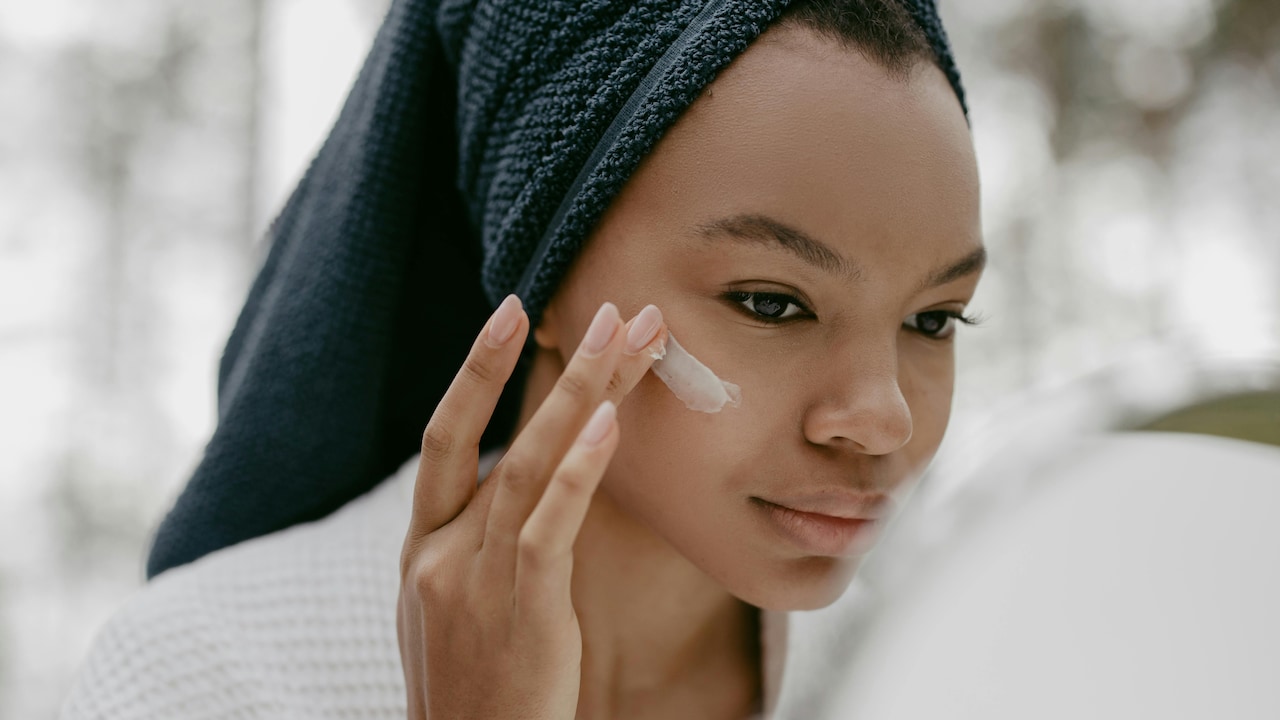
Why Your Hydrating Lipsticks Still Crack: Top Causes And Essential Tips For Smooth Lips
Hydrating lipstick still cracking? The issue isn’t just the formula. From lip prep to daily habits, discover the real reasons behind dry, flaky lips and simple fixes for a smooth, flawless finish.
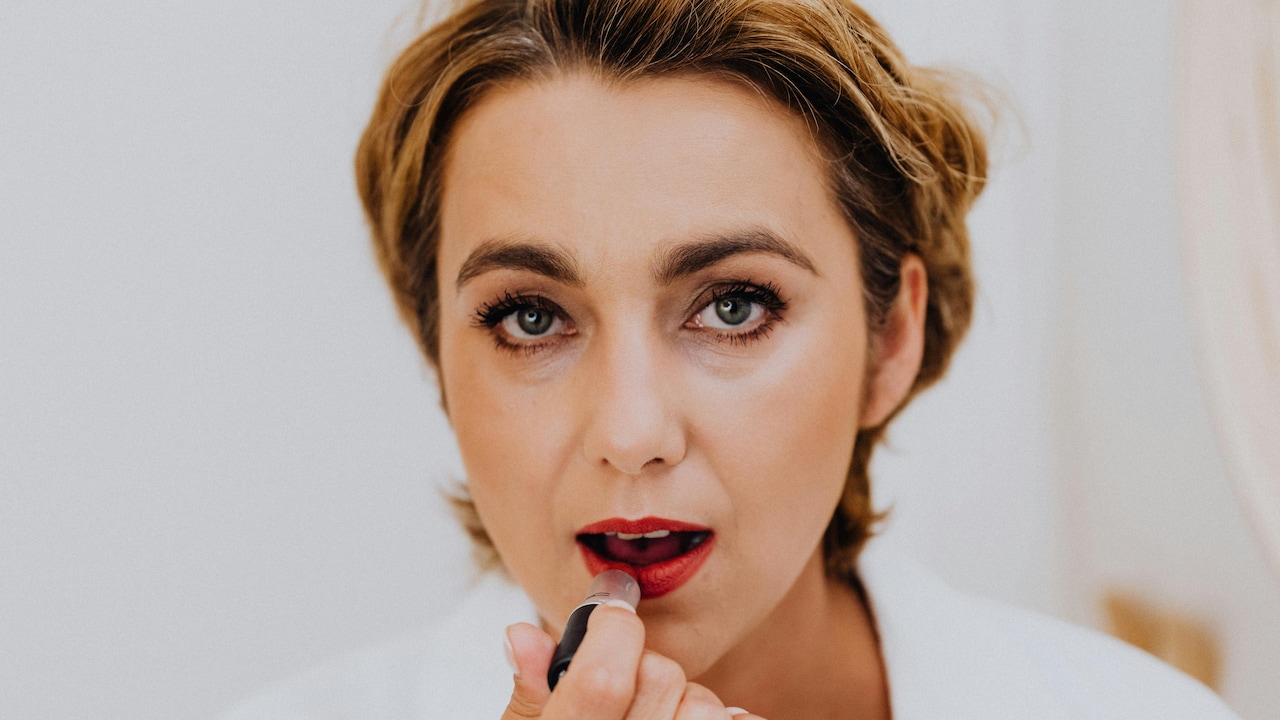
Here Are 10 Reasons Your Hydrating Lipstick Cracks And Simple Tips For Soft, Smooth Lips.
A swipe of lipstick can lift an entire mood. A bold red before a meeting, a muted nude for brunch, or a soft pink for a casual day out, lipsticks do more than add colour; they add confidence. So when a product labelled “hydrating” starts cracking, flaking, or clinging to dry patches, it feels like a betrayal.
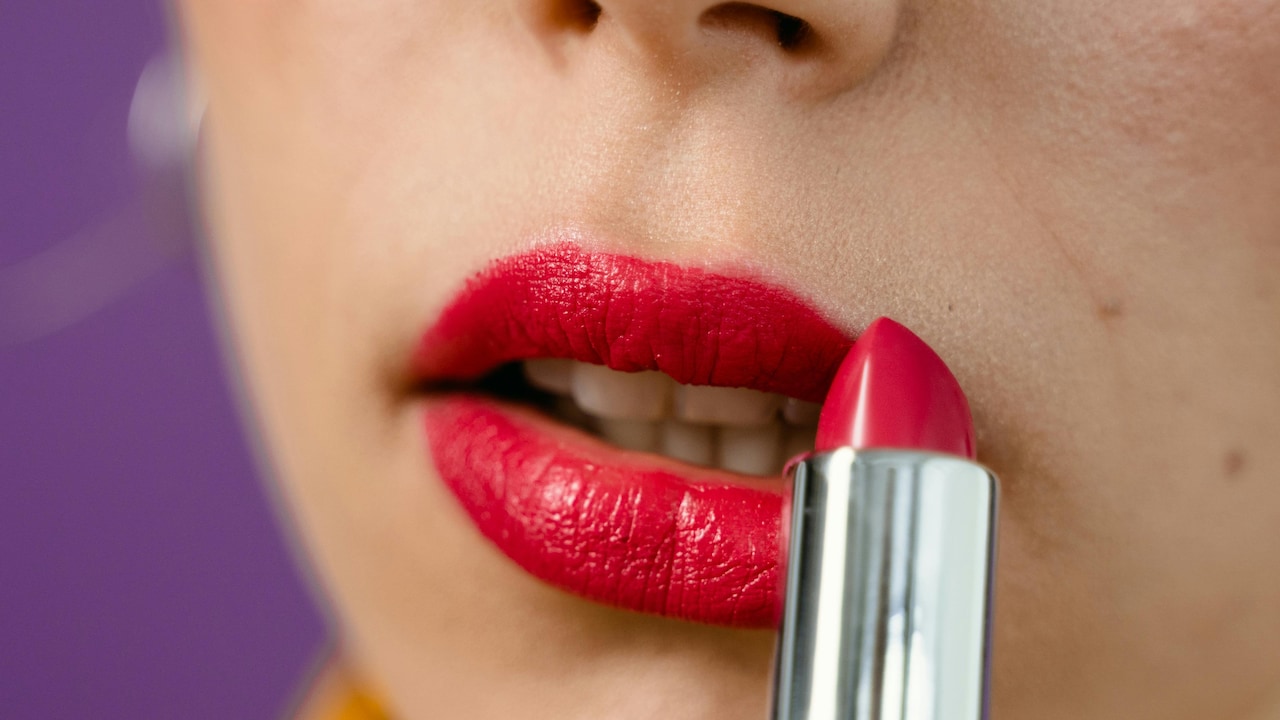
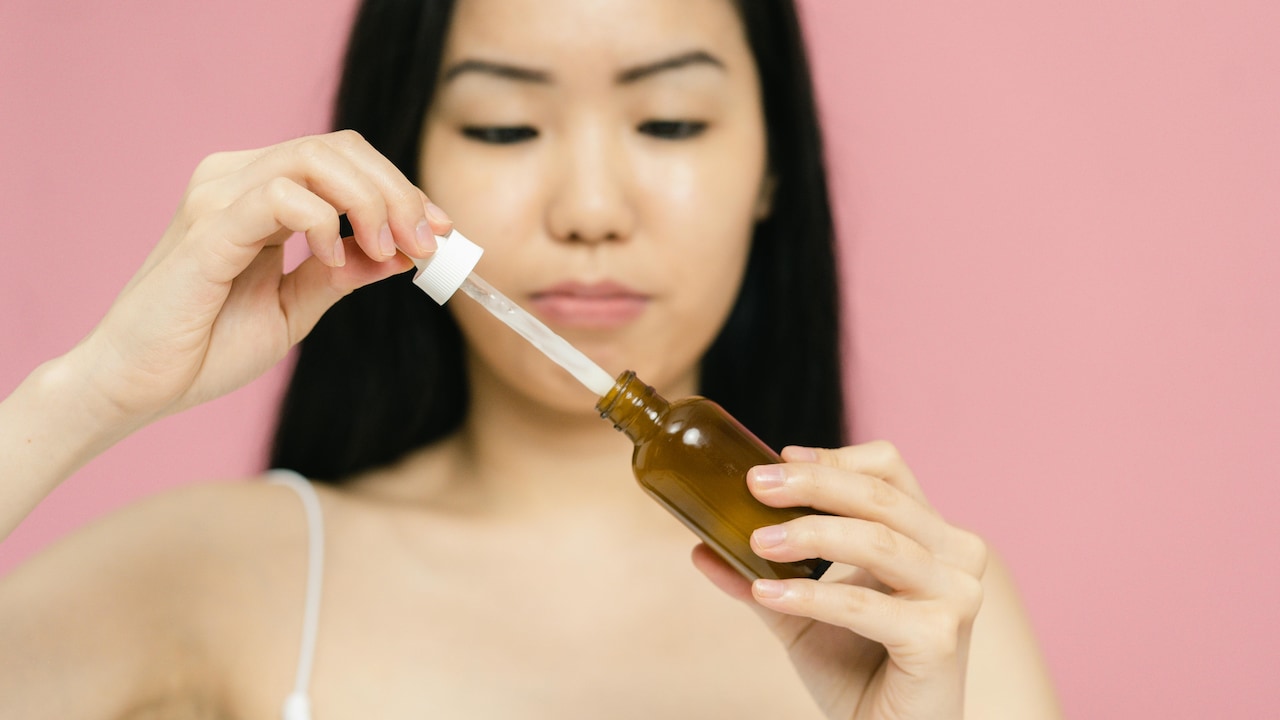
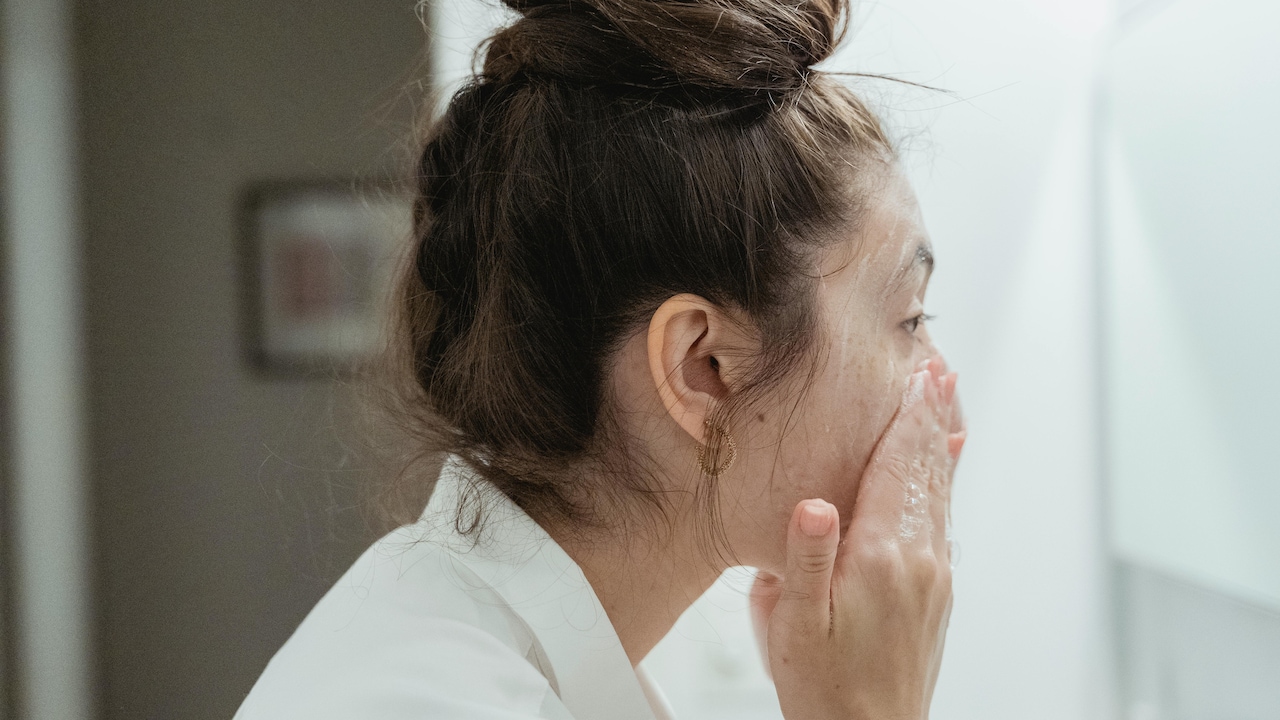
Why do hydrating lipsticks still crack; Photo Credit: Pexels
The irony is hard to miss. A formula designed to moisturise ends up highlighting every fine line. Many blame the brand or assume the shade simply doesn't suit them. But the truth often lies deeper. Lip health depends on several small, often ignored habits. Climate, diet, product layering, and even daily routines all play a role.
Understanding why this happens can save both money and frustration. More importantly, it can transform the way lips look and feel, not just under lipstick, but all day long. Let's unpack the most common causes and the practical fixes that actually work.
Also Read: Top 5 Lipstick Shades That Were Approved By Indian Brides
What's Really Causing The Cracks: And How To Fix Them For Good
Skipping Lip Prep Before Application
Many rush straight into applying lipstick, especially during busy mornings. It feels efficient, but it's also the fastest route to cracked colour. Lips, unlike other parts of the skin, lack oil glands. They need external care to stay smooth.
Applying lipstick on unprepared lips is like painting on a rough wall. Even the most luxurious formula will settle unevenly. Dry patches grab more pigment, while smoother areas remain lighter, creating an unbalanced finish.
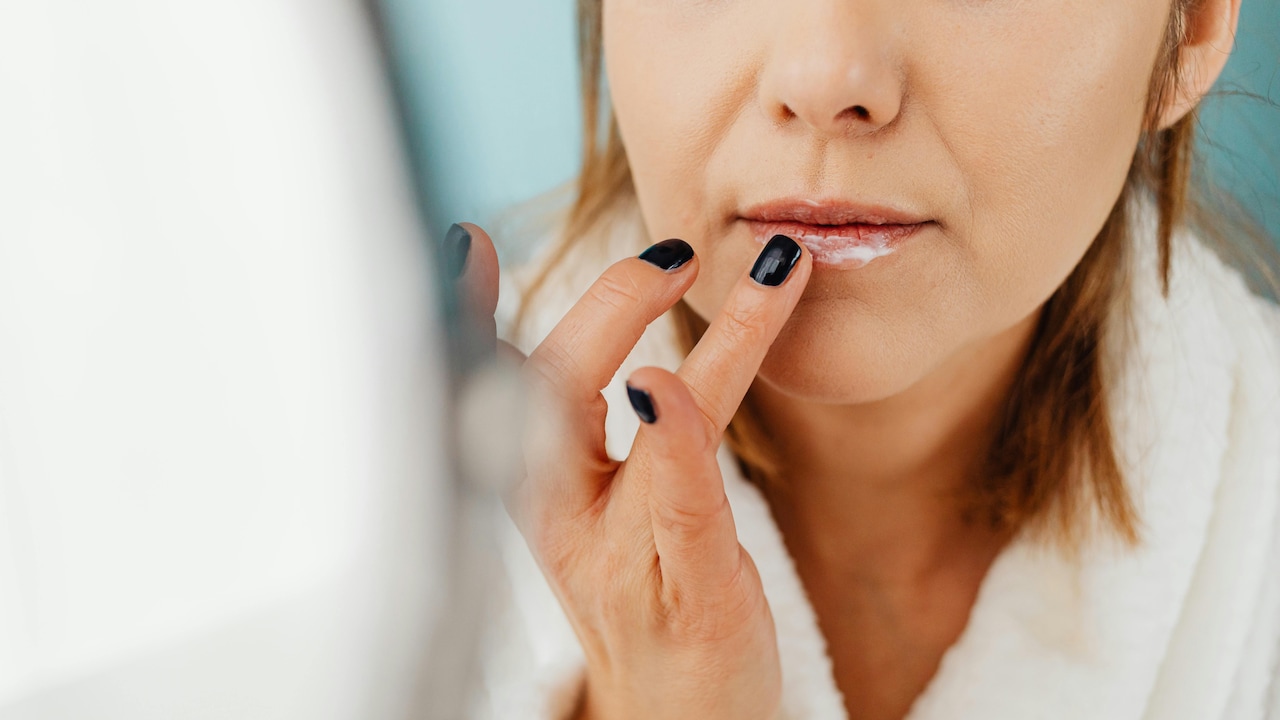
A simple prep routine can change everything. A gentle scrub, something as easy as sugar mixed with a drop of honey, removes dead skin. Follow it with a light balm and allow it to absorb before applying lipstick. This step doesn't take more than two minutes but makes a visible difference.
Think of it as setting a base, much like a primer for the face. Skipping it often explains why even premium lipsticks worth ₹1,500 or more fail to perform as expected.
Choosing The Wrong “Hydrating” Formula
Not all hydrating lipsticks deliver true moisture. Marketing labels can be misleading. Some formulas contain oils or emollients that feel smooth initially but evaporate quickly, leaving lips drier than before.
Certain matte-hydrating hybrids are particularly tricky. They promise comfort with a matte finish, but often compromise on lasting hydration. After a few hours, they begin to cling to fine lines.
Checking ingredients can help. Look for nourishing components like shea butter, vitamin E, or hyaluronic acid. Avoid formulas heavy in alcohol or artificial fragrance, as these can dry out lips over time.
Testing texture matters too. A lipstick that glides in-store effortlessly might not perform the same after hours of wear. Observing how it behaves throughout the day gives a clearer picture.
Sometimes, the issue isn't the lips; it's simply a product that doesn't suit them.
Dehydration And Its Silent Impact
Lips often reveal what the rest of the body hides. When hydration levels drop, lips are among the first to show it. They become tight, flaky, and prone to cracking, no matter how moisturising the lipstick claims to be.
Long workdays, endless cups of chai, and air-conditioned spaces can quietly reduce water intake. By the time dryness appears on the lips, the body has already been signalling dehydration.
Drinking enough water sounds basic, yet it remains one of the most overlooked solutions. Warm weather and spicy meals further increase the need for hydration.
Adding water-rich foods, like cucumbers, oranges, and watermelon, can help maintain balance. Lips respond quickly when hydration improves. They look fuller, smoother, and hold lipstick better.
A lipstick cannot compensate for internal dryness. It can only enhance what's already there.
Overuse Of Matte And Long-Wear Products
Matte lipsticks have a certain charm. They look polished, last longer, and rarely smudge. However, frequent use can take a toll on lip health.
Long-wear formulas often prioritise durability over comfort. They tend to absorb moisture from the lips to stay intact. Over time, this leads to dryness and flaking.
Wearing matte lipsticks occasionally works fine, but using them daily without care creates a cycle of dryness. Lips become dependent on constant reapplication or heavy balms.
Switching between finishes can help. Satin or cream formulas offer a balance between longevity and comfort. Even layering a hydrating balm underneath a matte lipstick can reduce its drying effect.
Lip trends come and go, but healthy lips always remain in style.
Ignoring Weather And Environmental Factors
Weather plays a bigger role than most realise. Hot, dry winds or constant exposure to air conditioning can strip moisture from lips quickly.
During winter, lips tend to crack more due to low humidity. In summer, heat and sun exposure cause dehydration. Pollution adds another layer of stress, leaving lips dull and rough.
Using lip products with SPF can protect against sun damage. A simple balm with SPF 15 or higher can prevent long-term dryness and pigmentation.
Reapplying balm throughout the day, especially after meals, keeps lips protected. Carrying a small lip care product in the bag becomes less of a habit and more of a necessity.
Lips face the environment directly. Protecting them ensures lipstick sits better and lasts longer.
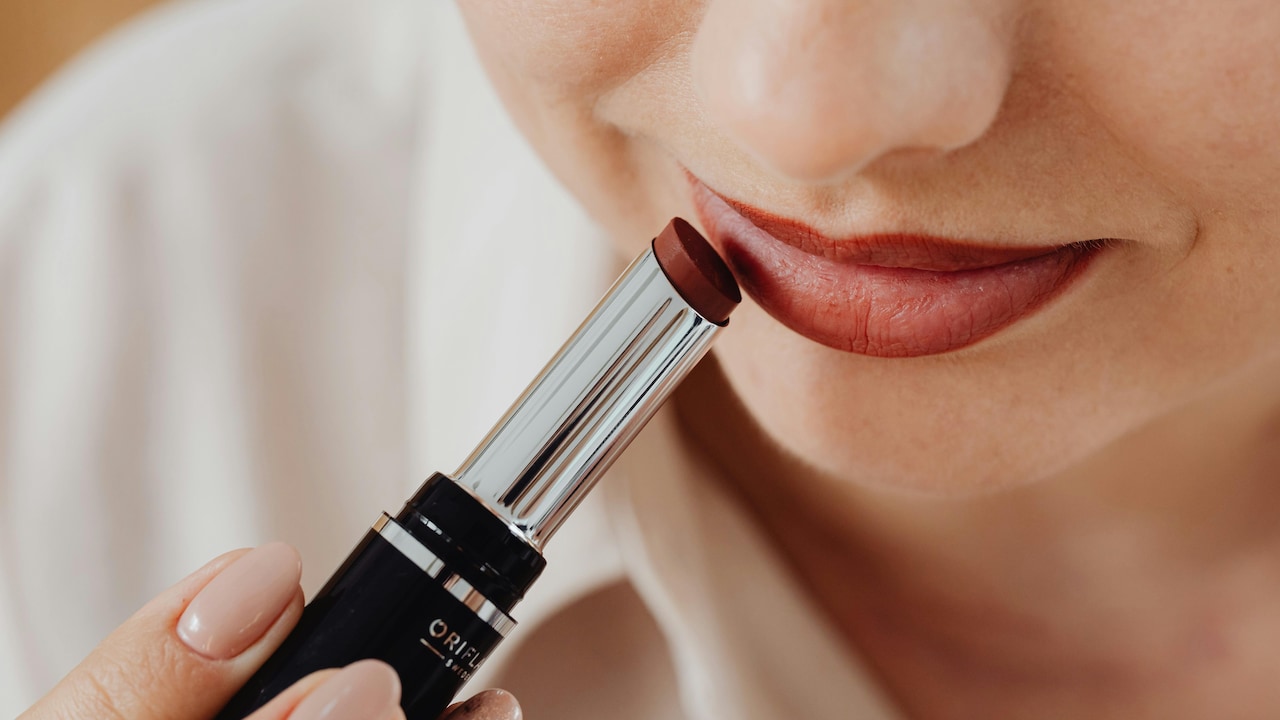
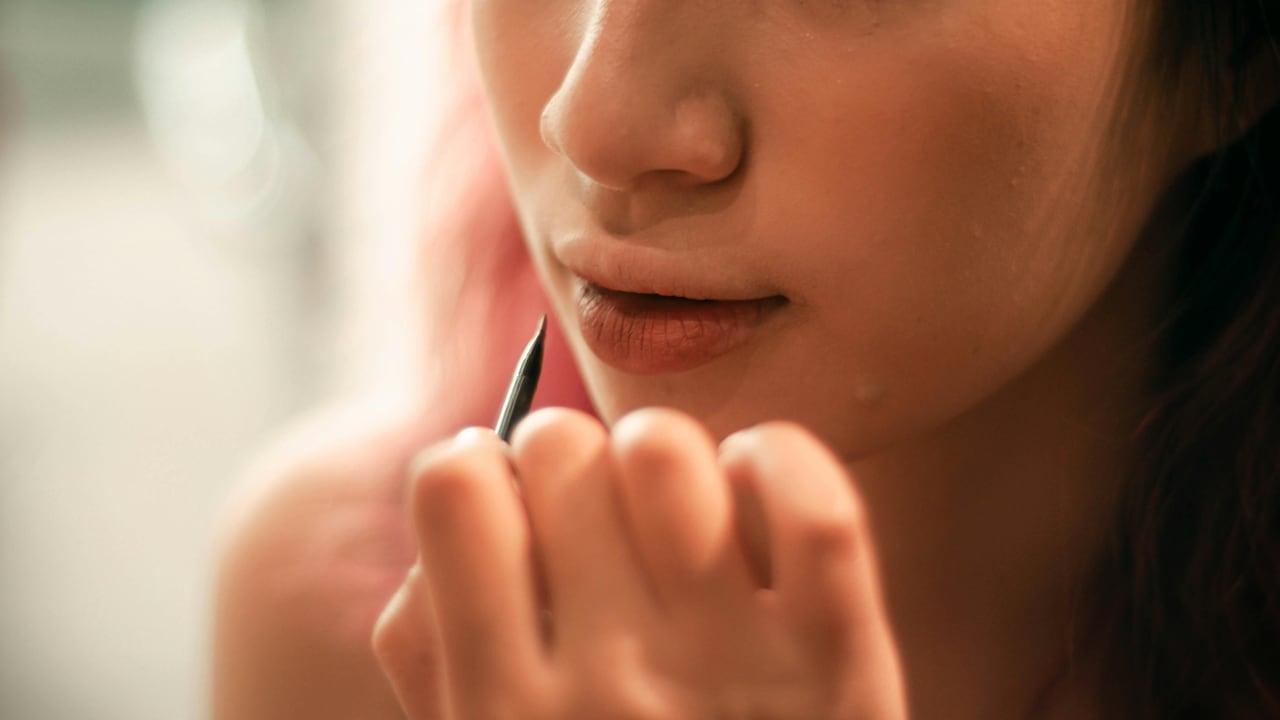
Changes in weather can also make your hydrating lipsticks crack easily; Photo Credit: Pexels
Applying Too Many Layers
Layering products might seem like a good idea: balm, primer, lipstick, gloss. But too many layers can backfire.
Excess product creates buildup. Instead of smoothing the lips, it causes lipstick to slide, crease, or crack. Heavy layering also prevents proper absorption of nourishing ingredients.
A balanced approach works best. Start with a light balm, blot off the excess, and then apply lipstick. If needed, add a touch of gloss only to the centre.
Less truly becomes more when it comes to lip products. A clean, well-prepped base allows the lipstick to perform as intended.
Overcomplicating the routine often leads to disappointing results.
Neglecting Night-Time Lip Care
Night-time routines often focus on skincare, while lips get overlooked. Yet, this is when repair happens most effectively.
Sleeping with dry or product-coated lips prevents proper healing. Residual lipstick can clog and dry the lips further.
A simple habit can change this. Remove lipstick gently before bed. Apply a nourishing lip mask or thick balm. Ingredients like lanolin or natural oils work well overnight.
By morning, lips feel softer and smoother. This makes daytime lipstick application easier and more even.
Consistent care at night reduces the need for quick fixes during the day.
Using Expired Or Low-Quality Products
Lipsticks don't last forever. Over time, their texture changes. Oils separate, and pigments become uneven. Using expired products can lead to dryness and irritation.
Low-quality lipsticks may contain harsh ingredients that damage the lips with regular use. They might look appealing due to price, but they often cost more in terms of lip health.
Checking expiry dates and noticing changes in smell or texture helps avoid these issues.
Investing in good-quality products doesn't always mean spending excessively. Even mid-range options around ₹500–₹800 can offer better formulations than cheaper alternatives.
Healthy lips reflect the quality of products used on them.
Habitual Lip Licking And Biting
This habit often goes unnoticed. Lip licking provides temporary relief from dryness, but saliva evaporates quickly, leaving lips even drier.
Biting or picking at flaky skin worsens the problem. It creates uneven surfaces, making lipstick application patchy and uncomfortable.
Breaking this habit takes awareness. Keeping a lip balm handy helps replace the urge to lick or bite.
Over time, lips heal and regain their natural texture. Lipstick begins to glide instead of dragging.
Small habits often create the biggest impact.
Not Matching Lipstick To Lip Condition
Every day is different. Some days, lips feel soft and smooth. On others, they feel dry or sensitive. Using the same lipstick regardless of condition can lead to cracking.
On drier days, switching to a tinted balm or gloss works better than forcing a matte lipstick. On well-hydrated days, experimenting with bold finishes becomes easier.
Listening to what the lips need ensures better results. It's less about sticking to a favourite product and more about adapting.
Make-up works best when it complements, not fights, the skin.
Products Related To This Article
1. Be!Myn PillowCrush 12 Hrs Long Lasting Matte Lipstick 4 g
2. Lakme 9to5 Hya Matte Hydrating Smudgeproof Lipstick Lasts 14Hr 3.6g
3. Pilgrim Matte Me Up Long Lasting Liquid Lipstick
4. Maybelline New York Satins 8Hr Serum Lipstick
5. Hilary Rhoda Happy Dream Hydrating Lip Tint With Hyaluronic Acid
Cracked lipstick isn't always about the lipstick itself. It's often a reflection of daily habits, environmental factors, and small oversights. From skipping prep to ignoring hydration, each factor plays a role in how lips look and feel.
The good news is that most of these issues are easy to fix. A little attention, a few mindful changes, and the right products can transform the experience entirely.
Soft, smooth lips don't require complicated routines. They need consistency, care, and a touch of patience. Once the basics fall into place, even the simplest lipstick can look effortlessly flawless.
And perhaps that's the real secret: great lipstick starts long before the first swipe.
(Disclaimer: This article may include references to or features of products and services made available through affiliate marketing campaigns. NDTV Convergence Limited (“NDTV”) strives to maintain editorial independence while participating in such campaigns. NDTV does not assume responsibility for the performance or claims of any featured products or services.)