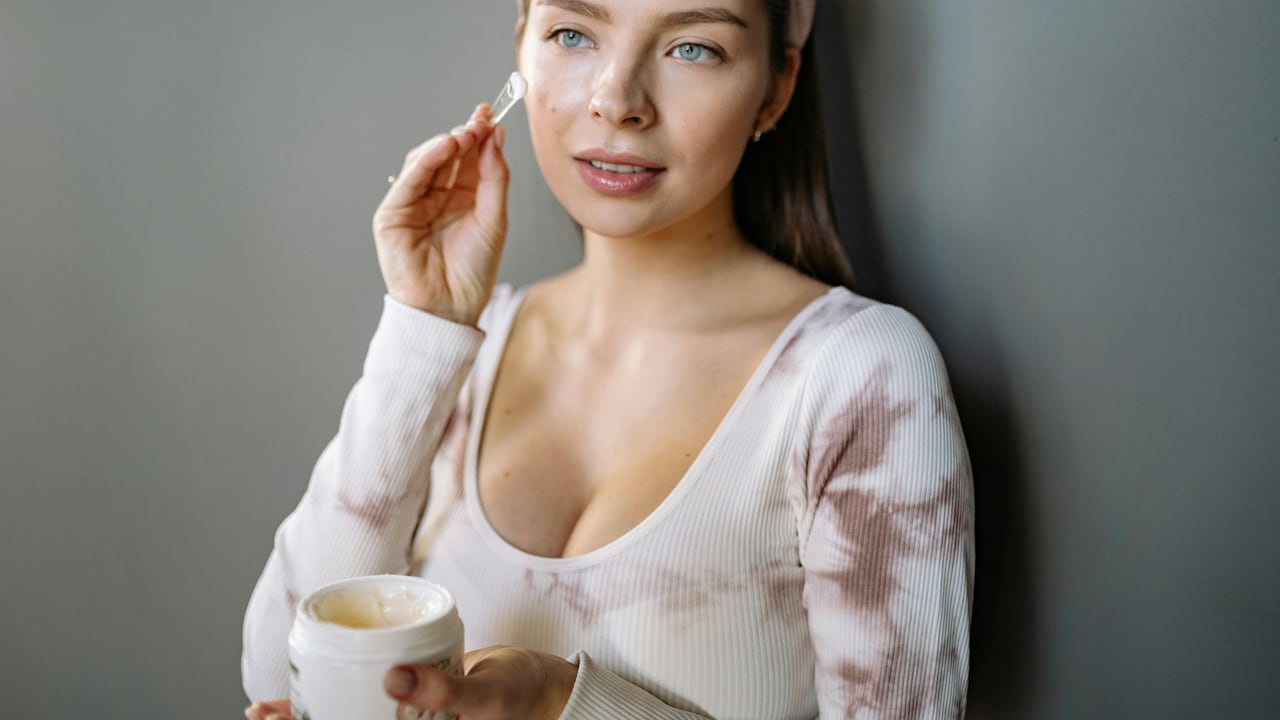
Are Expensive Face Serums Always Better? Ingredient Myths Explained
Expensive face serums promise glowing skin, but price doesn’t always equal performance. Discover the truth behind popular ingredient myths and learn what actually matters when choosing a serum.
Are Expensive Face Serums Really Better? Skincare Ingredient Myths Explained.
Walk into any beauty store or scroll through skincare reels, and one pattern quickly appears: face serums often carry eye-watering price tags. A tiny glass bottle labelled with words like “luxury”, “clinical”, or “advanced formula” can easily cost ₹2,000, ₹5,000, or even ₹12,000. The message seems obvious. Expensive means effective.
Yet the skincare world rarely follows such simple logic.
Many high-priced serums rely on the same ingredients found in affordable formulas. In some cases, the cheaper option may even offer a stronger concentration of active ingredients. Marketing, packaging, and brand prestige often influence price far more than performance.
At the same time, certain myths about ingredients continue to circulate. Some people believe only luxury products contain effective actives. Others assume natural ingredients always outperform lab-made compounds. Social media trends add another layer of confusion, turning skincare routines into complicated chemistry experiments.
Understanding what actually sits inside a serum bottle makes all the difference. Ingredients, formulation quality, stability, and skin compatibility matter far more than glossy packaging or celebrity endorsements.
The truth is both reassuring and slightly surprising. A well-formulated ₹700 serum may outperform a ₹7,000 one if the ingredients work better for the skin.
The goal of this discussion is not to dismiss luxury skincare entirely. Some premium formulas genuinely deliver excellent results. However, the real power lies in recognising ingredient myths and learning what truly benefits the skin.
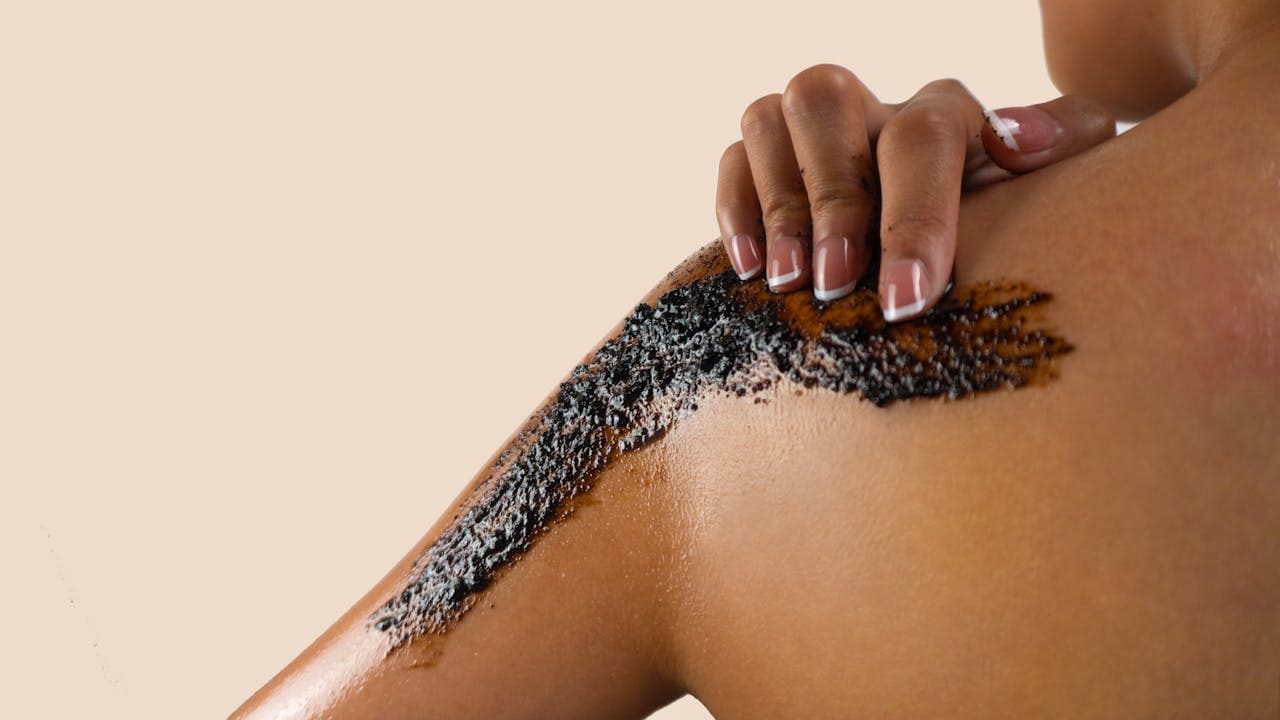
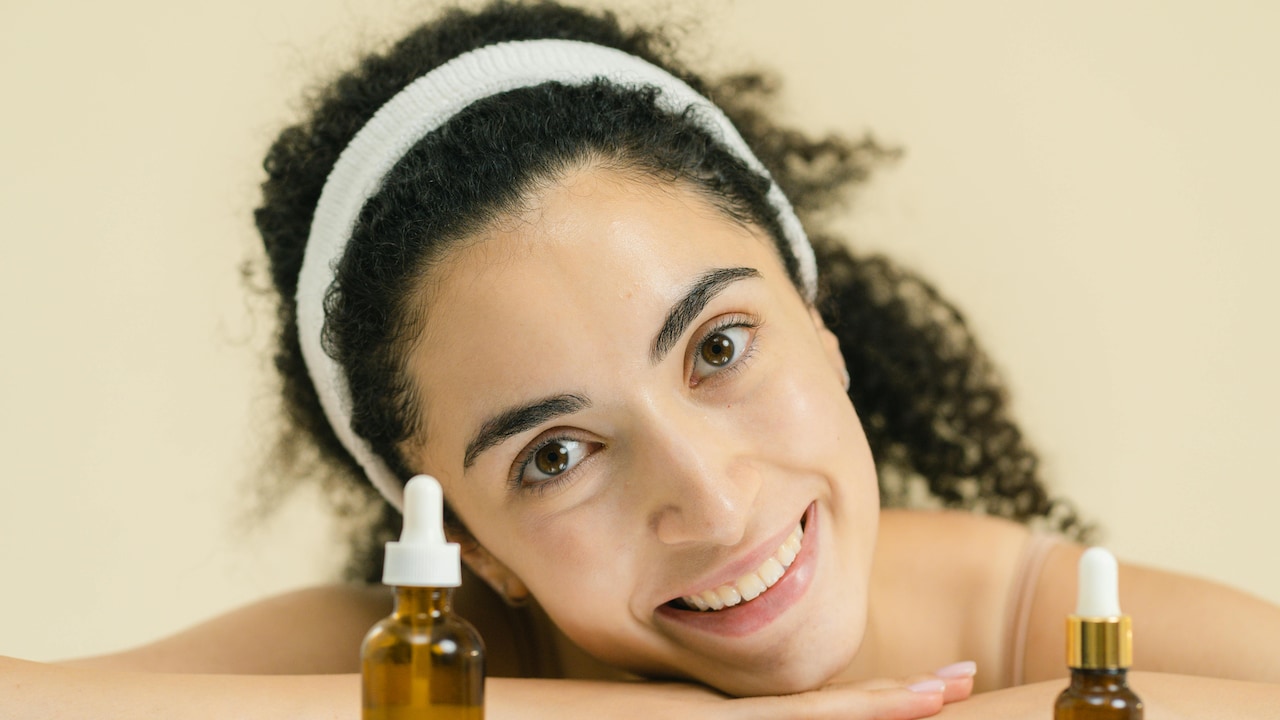
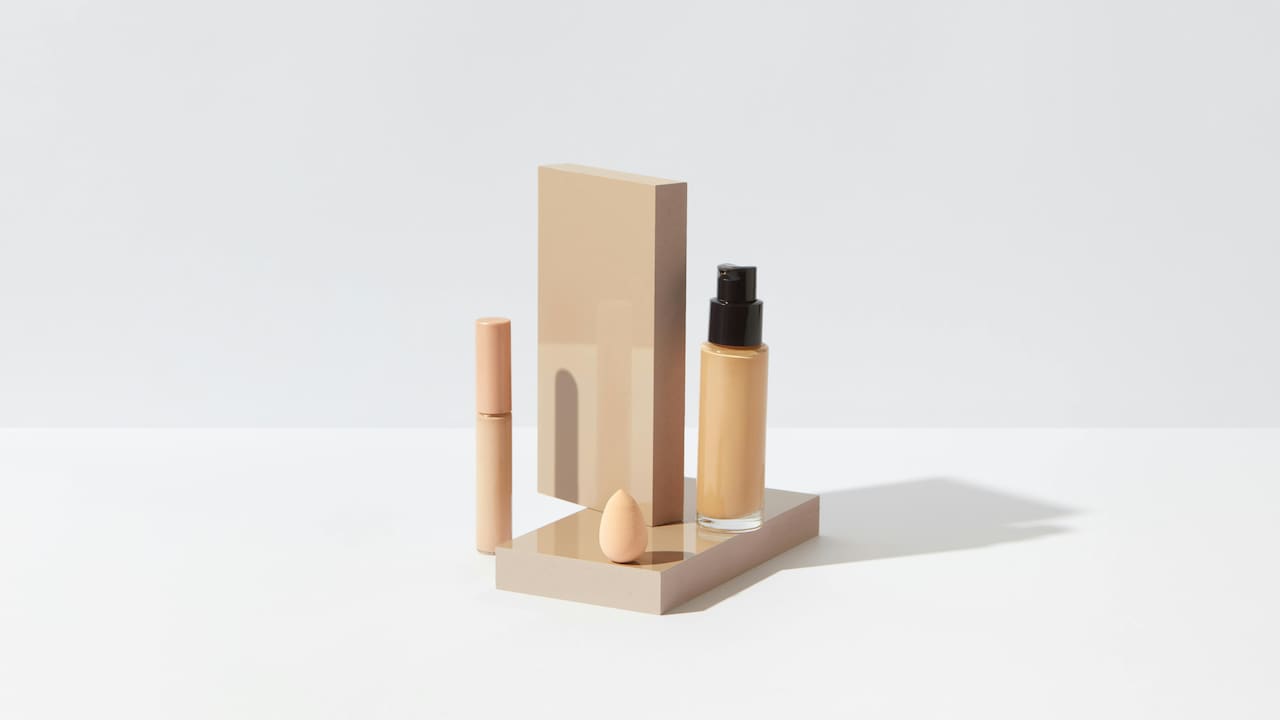
Expensive vs Affordable Face Serums: The Truth About Skincare Ingredients; Photo Credit: Pexels
Understanding The Truth Behind Popular Serum Ingredients
Price Does Not Equal Potency
A higher price often creates the illusion of superior effectiveness. Beauty counters thrive on this belief. Elegant packaging, premium branding, and scientific jargon easily convince shoppers that a serum costing ₹8,000 must outperform one priced at ₹800.
Reality tells a more complex story.
Most skincare ingredients remain widely available across brands. Niacinamide, hyaluronic acid, vitamin C, and peptides appear in products across every price range. Manufacturers purchase these ingredients from cosmetic laboratories that supply both luxury and budget brands.
A bottle priced at ₹6,000 does not necessarily contain a rare ingredient. Often, the price reflects brand image, marketing campaigns, retail margins, and packaging costs. That sleek glass bottle with a gold-plated dropper adds significantly to the final price.
Affordable brands often skip extravagant packaging and celebrity promotions. Instead, they focus on simple formulations and straightforward presentation.
Consider a common example. A niacinamide serum priced at ₹650 may contain the same 10 percent concentration as a luxury brand charging ₹4,500. Skin responds to the ingredient itself, not the prestige attached to the label.
Understanding this distinction allows smarter skincare decisions. Paying more does not automatically bring better skin.
Natural Ingredients Are Not Always Better
The word “natural” carries enormous appeal. Labels highlighting botanical extracts, herbal blends, or plant-based oils often attract shoppers searching for gentle skincare. Many assume natural ingredients guarantee safety and effectiveness.
Unfortunately, nature does not always equal skin-friendly.
Certain plant extracts can irritate sensitive skin more than laboratory-developed ingredients. Essential oils such as lavender, citrus, or peppermint smell pleasant but frequently trigger redness or sensitivity when used in high concentrations.
Laboratory-formulated ingredients often undergo rigorous testing for stability, purity, and consistency. Dermatologists frequently recommend compounds like niacinamide, retinol, and azelaic acid precisely because research supports their effectiveness.
Meanwhile, some natural ingredients remain difficult to stabilise. Vitamin C extracted from fruits, for instance, oxidises quickly when exposed to air and light. Without proper stabilisation, the ingredient loses potency before reaching the skin.
A thoughtfully formulated serum may combine both natural extracts and scientifically developed actives. The balance between the two determines effectiveness.
Blind trust in the word “natural” can lead to disappointment. Smart skincare relies on evidence, formulation quality, and compatibility with individual skin types rather than romantic notions about ingredients growing in gardens.
Also Read: Glow Smarter This Summer With India's Best Skincare Heroes
Vitamin C Strength Does Not Always Mean Better Results
Vitamin C serums enjoy enormous popularity thanks to their brightening and antioxidant benefits. Many brands advertise high concentrations such as 20 percent or even 25 percent, suggesting that stronger equals better.
Skin rarely agrees with that assumption.
Vitamin C, particularly in its pure form known as L-ascorbic acid, works effectively at concentrations between 10 and 15 percent for most people. Higher strengths often increase irritation without delivering dramatically improved results.
A 20 percent serum may sound impressive on paper, yet sensitive skin often responds with redness, tingling, or dryness. When irritation occurs, people abandon the product before experiencing any benefits.
Stability also matters greatly. Vitamin C breaks down quickly when exposed to air, heat, and sunlight. Some expensive serums lose potency within weeks despite their high price tags.
Well-formulated products use stabilising ingredients like ferulic acid and vitamin E to protect vitamin C. Packaging in dark bottles also slows oxidation.
A stable 10 percent serum stored properly may outperform a poorly formulated 20 percent one costing three times more. Ingredient concentration tells only part of the story.
Effective skincare depends on balance rather than extremes.
Hyaluronic Acid Is Not A Moisture Miracle On Its Own
Advertisements often portray hyaluronic acid as a hydration superhero capable of transforming dry skin overnight. The ingredient indeed attracts water molecules and helps the skin appear plump and smooth.
Yet hyaluronic acid cannot work alone.
This ingredient functions as a humectant, meaning it draws moisture from the surrounding environment. In humid weather, it pulls moisture from the air into the skin. During dry conditions, however, it may draw moisture from deeper layers of skin instead.
Without a moisturiser to seal hydration, the skin may actually feel drier over time.
Many expensive serums highlight hyaluronic acid as their star ingredient while ignoring the need for supporting components such as ceramides, glycerine, or occlusive moisturisers.
A well-designed routine often works better than a single high-priced serum. Applying hyaluronic acid on slightly damp skin followed by a moisturiser, locks hydration effectively.
Affordable products often deliver excellent results when used correctly. Spending ₹3,000 on a hyaluronic acid serum rarely provides dramatic advantages over one costing ₹500.
Technique matters as much as ingredients.
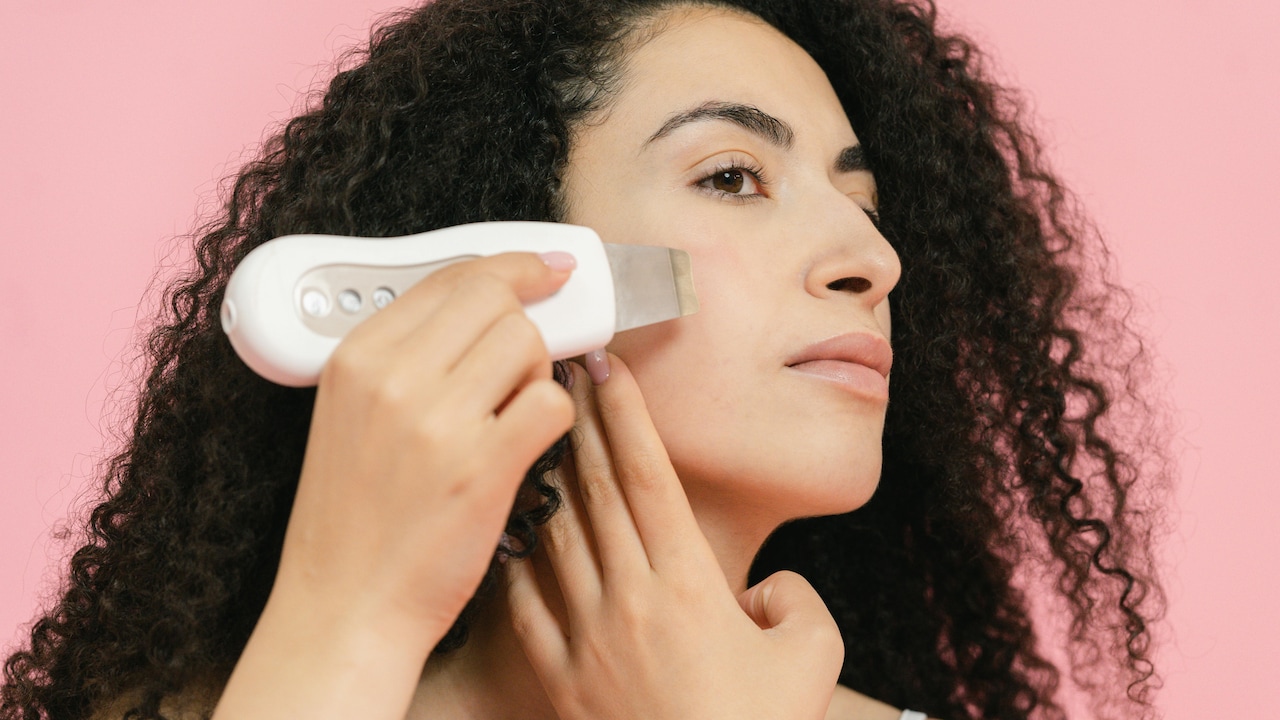
Expensive vs Affordable Face Serums: The Truth About Skincare Ingredients; Photo Credit: Pexels
Retinol Strength Is Not The Only Factor
Retinol has earned legendary status for reducing fine lines, improving skin texture, and boosting collagen production. With such impressive benefits, many assume stronger retinol equals faster results.
That assumption often backfires.
High concentrations of retinol can irritate skin when introduced too quickly. Flaking, redness, and dryness commonly appear when beginners jump straight into strong formulas.
Expensive serums sometimes highlight potent retinol percentages to justify premium prices. Yet dermatologists often recommend starting with low strengths such as 0.25 percent or 0.3 percent.
Consistency matters far more than strength. A gentle retinol used regularly for months delivers better results than a strong formula used sporadically due to irritation.
Formulation also plays a crucial role. Encapsulated retinol releases slowly into the skin, reducing irritation while maintaining effectiveness.
A thoughtfully designed ₹900 retinol serum may outperform a poorly formulated ₹6,000 version simply because the skin tolerates it better.
Skincare success rarely comes from aggressive formulas. Patience and gradual improvement lead to healthier results.
Exotic Ingredients Do Not Guarantee Effectiveness
Luxury skincare often introduces exotic ingredients with captivating stories. Gold flakes, snail mucin, caviar extracts, and rare botanical oils frequently appear in premium serums.
These ingredients certainly sound glamorous.
Yet their actual impact on skin sometimes remains modest. Gold particles, for instance, offer visual appeal but contribute little to long-term skin health. Caviar extract may contain nutrients, but those nutrients rarely penetrate deeply enough to produce dramatic results.
Marketing teams know how to build fascination around rare ingredients. Consumers feel tempted by novelty and exclusivity.
Meanwhile, simple ingredients backed by decades of research often receive less attention. Niacinamide improves skin barrier function and reduces pigmentation. Ceramides strengthen moisture retention. Salicylic acid clears pores effectively.
These proven ingredients appear in both affordable and premium products.
The truth feels almost anticlimactic. A serum packed with reliable actives may outperform one featuring luxurious but less impactful ingredients.
Glowing skin rarely requires caviar.
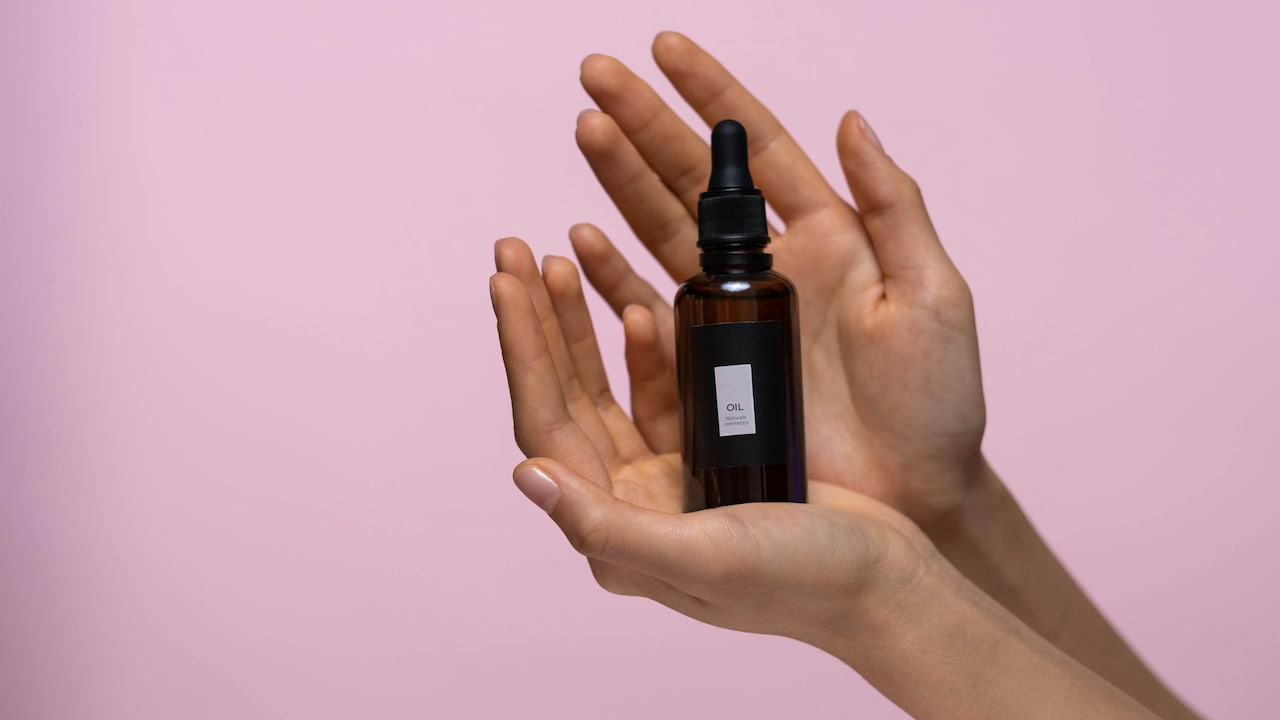
Expensive vs Affordable Face Serums: The Truth About Skincare Ingredients; Photo Credit: Pexels
Packaging Can Inflate The Price
Serum bottles often resemble tiny pieces of art. Frosted glass, metallic droppers, embossed logos, and elaborate boxes create a luxurious unboxing experience.
Beautiful packaging feels delightful, yet it also raises product costs significantly.
Manufacturing decorative bottles, magnetic lids, and multilayer boxes requires specialised materials and complex design processes. These costs eventually pass to customers.
In some cases, packaging even harms ingredient stability. Transparent bottles expose sensitive ingredients such as vitamin C or retinol to light, accelerating degradation.
Practical packaging often performs better. Dark glass bottles, airless pumps, and simple containers protect ingredients more effectively while keeping prices reasonable.
Many affordable brands intentionally prioritise functionality over aesthetics. The product may not look glamorous on a vanity shelf, yet the formula inside often remains equally effective.
Paying ₹2,500 extra for decorative packaging rarely benefits the skin.
The face cares about ingredients, not presentation.
Trendy Ingredients Often Create Hype
Skincare trends spread quickly across social media. One month introduces bakuchiol as the natural alternative to retinol. The next month celebrates centella asiatica or fermented ingredients.
These ingredients certainly offer benefits, yet hype often exaggerates their abilities.
Brands sometimes launch expensive serums featuring trendy ingredients simply because demand rises online. Influencers highlight dramatic before-and-after results, creating urgency among viewers.
However, skincare rarely delivers overnight miracles.
Bakuchiol may provide gentle anti-ageing effects, yet research is still developing compared with retinol's extensive evidence. Centella asiatica soothes irritation, but cannot single-handedly transform acne-prone skin.
A balanced formula combining multiple proven ingredients usually works better than one built entirely around a trending component.
Trend cycles change quickly. Effective skincare remains consistent.
Resisting hype saves both money and frustration.
Skin Type Matters More Than Brand Prestige
Luxury skincare sometimes promotes a universal solution for everyone. In reality, skin behaves differently depending on genetics, environment, lifestyle, and climate.
A serum praised by beauty influencers may work brilliantly for oily skin yet cause breakouts for someone with dry or sensitive skin.
Price cannot guarantee compatibility.
Humid weather, frequent sun exposure, and pollution levels influence skincare needs dramatically. Lightweight serums containing niacinamide or green tea often suit oily complexions better than heavy oil-based formulas.
Meanwhile, dry skin may require ceramides, squalane, and nourishing ingredients.
Understanding personal skin type proves far more valuable than chasing prestigious brands. A ₹750 serum formulated for oily skin may deliver clearer results than a ₹5,000 luxury oil designed for dryness.
The most expensive product in a store cannot outperform one that suits individual skin needs.
Personalisation always wins.
Consistency Beats Luxury
Skincare success rarely emerges from a single miracle product. Healthy skin develops through consistent routines, gentle care, and realistic expectations.
Expensive serums often tempt people to use tiny amounts sparingly due to their price. The bottle sits on a shelf reserved for “special occasions”.
Skin, however, thrives on regular care.
A moderately priced serum used daily often produces better results than a luxury formula applied once a week. Ingredients such as niacinamide, vitamin C, or retinol require consistent exposure to deliver visible improvements.
Consider the simple maths. A ₹800 serum lasting two months encourages regular use. A ₹7,000 serum may create hesitation every time the dropper touches the skin.
Consistency builds progress. Irregular use rarely does.
A practical routine with cleanser, moisturiser, sunscreen, and one well-chosen serum often delivers impressive results without extravagant spending.
Glowing skin usually reflects discipline rather than luxury.
Products Related To This Article
1. Aqualogica Transparent Radiance+ Concentrate Face Serum
2. Gabit 20% Vitamin C Face Serum
3. THE MAN COMPANY Set of Vitamin C Face Serum and Brightening Cream
4. Be Bodywise Set of Niacinamide Face Serum for Fading Dark Spots & Face Roller
5. Renee Matcha Face Serum
The skincare industry excels at storytelling. Elegant packaging, scientific language, and luxury branding easily create the impression that expensive serums hold secret formulas unavailable elsewhere.
Yet the truth proves far simpler.
Skin responds to ingredients, formulation quality, and consistency. Price often reflects marketing strategy more than scientific superiority. Many affordable serums contain the same active ingredients found in luxury products.
Understanding ingredient myths empowers smarter decisions. Natural extracts do not always outperform laboratory compounds. Higher concentrations do not guarantee better results. Exotic ingredients rarely transform skin overnight.
A thoughtful routine built around proven ingredients often delivers the most reliable results. Niacinamide, vitamin C, retinol, ceramides, and gentle exfoliants continue to dominate dermatology research for good reason.
The goal should never revolve around collecting expensive bottles. Instead, the focus should remain on understanding skin needs and choosing formulas that suit them.
Skincare for radiant skin rarely demands ₹10,000 serums.
Sometimes, the real secret sits quietly on a pharmacy shelf for ₹600, waiting for someone to look past the label.
(Disclaimer: This article may include references to or features of products and services made available through affiliate marketing campaigns. NDTV Convergence Limited (“NDTV”) strives to maintain editorial independence while participating in such campaigns. NDTV does not assume responsibility for the performance or claims of any featured products or services.)