Attar Vs Perfume: Which Lasts Longer In Indian Winters
Attar or perfume — which one actually lasts longer on your skin in Indian winters? Find out how cold weather and skin type affect fragrance longevity.
Attar Vs Perfume: Which Lasts Longer In Indian Winters
Every winter, the same question is asked. Do you go for that little glass bottle of attar on your shelf or the sleek perfume spray you have been saving? As the temperatures across India dip and the skin starts to feel that seasonal dryness, fragrance behaves in ways that might actually surprise you. Attar and perfume have their loyal fans, and both have been making the rounds on Amazon as winter picks. But the question isn't really about smell—it's about staying power and how each one holds up once the cold actually arrives. The difference between attar and perfume is more than packaging. One is steeped in centuries of tradition; the other is born of modern perfumery. Temperature, humidity and skin condition all affect how long a scent lasts, especially in Indian winters. This knowledge may entirely change the way you buy fragrances.
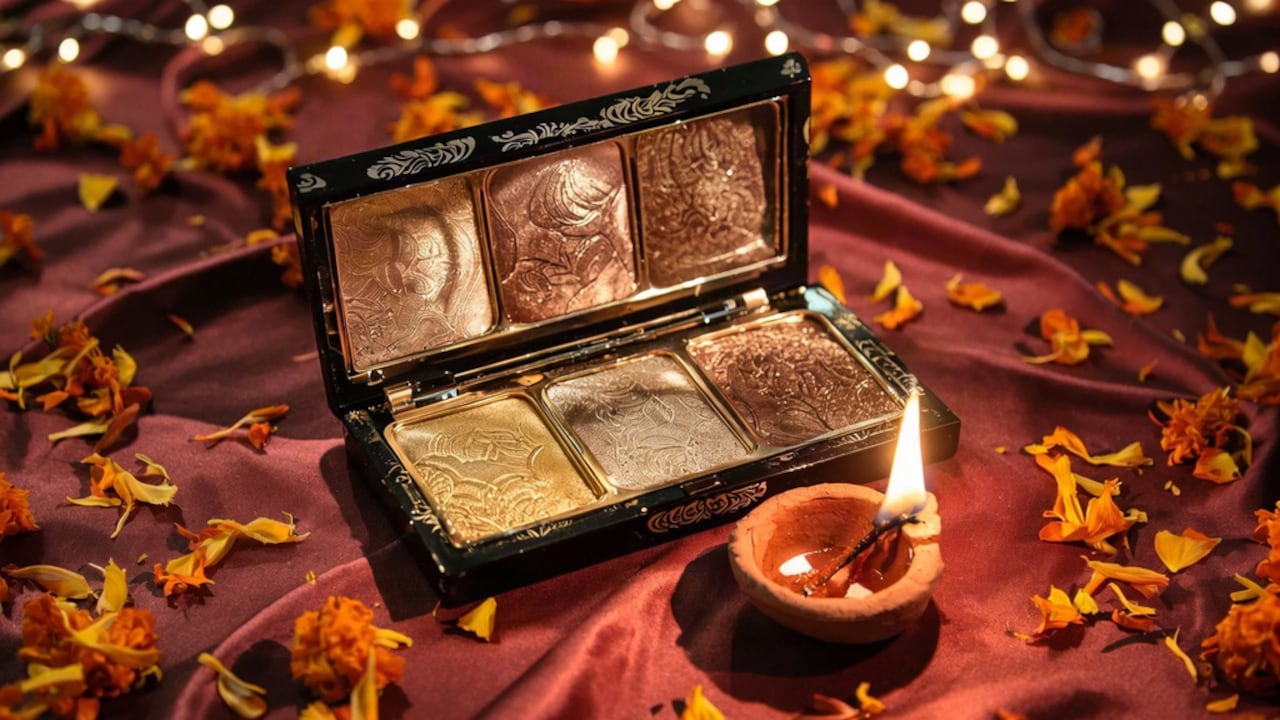
What Are Attars And Perfumes?; Photo Credit: iStock
What Are Attars And Perfumes?
1. What Is Attar?
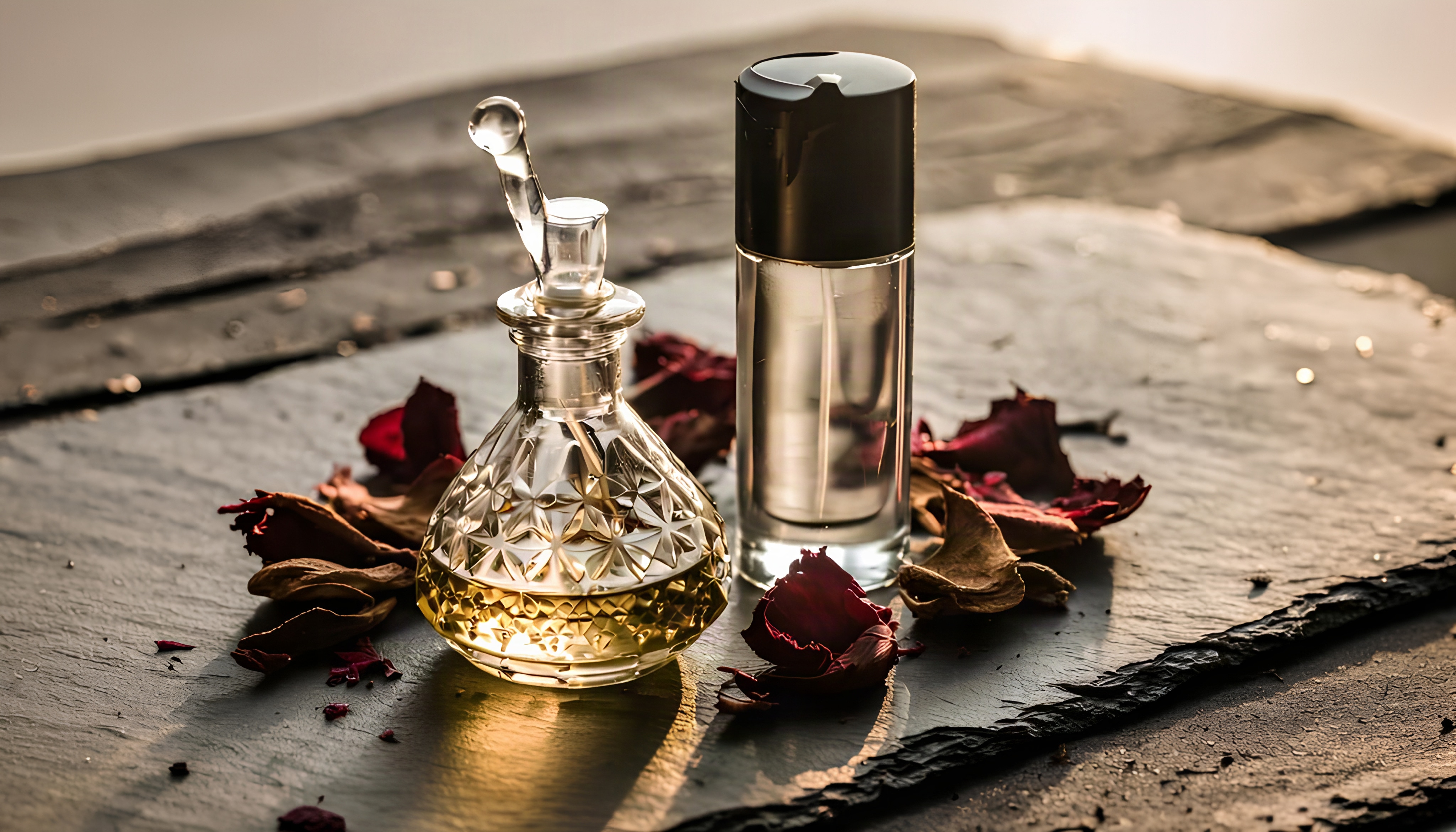
Attar (also known as ittar) is a natural perfume oil that is derived from steam or hydro-distillation of flowers, herbs, spices and even wood. The distillation is usually done directly into a base of sandalwood oil, which is warm and creamy in itself and holds fragrance beautifully. Attar is 100% alcohol-free and therefore particularly mild to the skin and safe for daily use. It's an ancient process – centuries old in places like Kannauj in Uttar Pradesh – and the result is a concentrated, rich scent that clings close to the skin.
2. What Is Perfume?
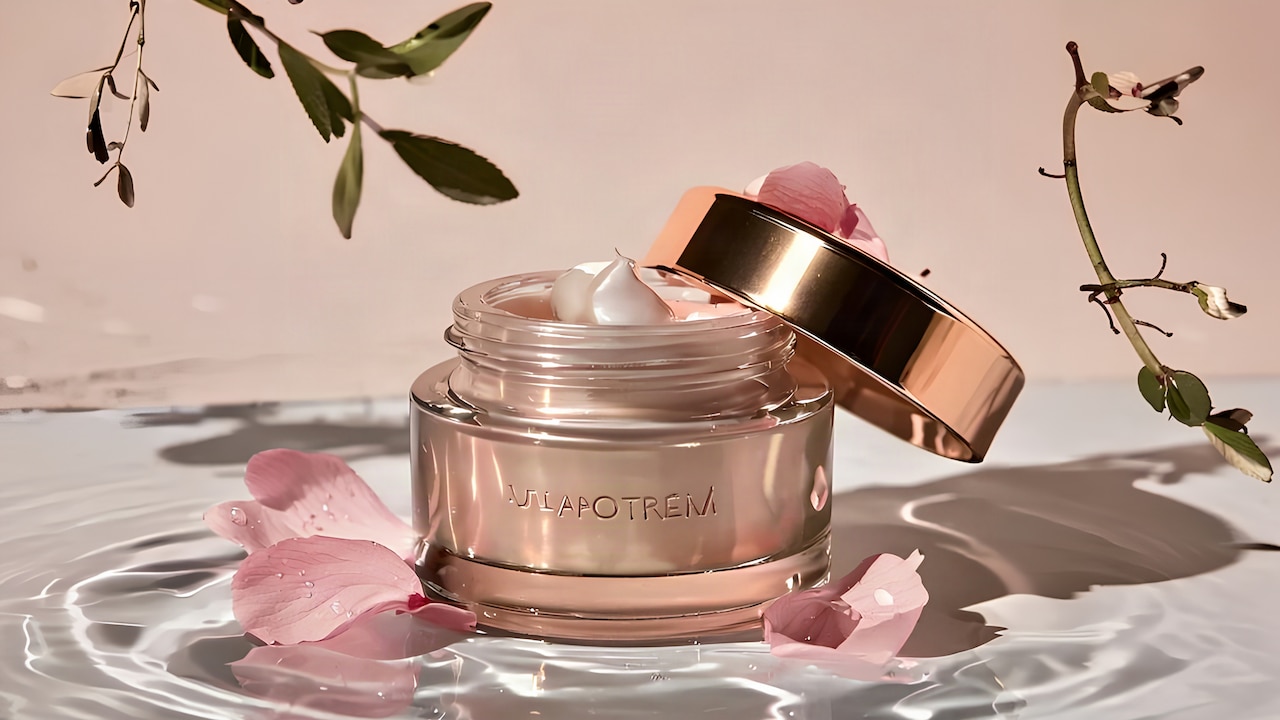
Modern perfume is an alcohol and water solution containing synthetic or natural aromatic ingredients. The alcohol carrier allows for the scent to disperse quickly when you apply it, giving that instant burst of fragrance. Perfumes are available in different concentrations (parfum, eau de parfum, eau de toilette, etc.). Each concentration level impacts both the longevity of the scent and the strength at which it projects. The higher the concentration of fragrance oils, the longer the effect generally lasts.
Also Read: Shop Luxurious Festive Fragrances Starting At ₹300
Why Indian Winters Change The Fragrance Game
1. How Cold Weather Affects Scent
The colder it is, the slower the fragrance molecules will evaporate from your skin. Heat in summer helps those molecules rise and fill a room rather quickly, but in winter the same scent tends to stay closer to the body and project less. That's not necessarily a bad thing. This means you need either a more concentrated fragrance or one that is designed to stick to the skin, rather than float out. Winter also tends to enhance heavier, richer notes like oud, musk, amber and spice — which is precisely why both attars and some perfumes feel more fitting in the colder months.
2. Why Skin Type Matters In Winter
Dry skin is a real challenge for fragrance longevity. In fact, the moisture on your skin helps a fragrance last longer. Unfortunately, winter tends to strip that moisture away faster than any other season. In nature, oily skin holds scent better, and if you're prone to dry skin during the colder months – which is common in most of North and Central India during peak winter – your fragrance may not last as long as you think. Here is where the oil base of attars gives them a natural edge, as they do not depend on skin moisture the way alcohol-based perfumes do.
Attar Vs Perfume — Which Lasts Longer In Indian Winters?
1. Longevity On Skin
Attars generally have a distinct advantage in Indian winters. Attars are oil-based and have no alcohol in them, so they do not evaporate off the skin like alcohol-based fragrances. The oil mixes with the natural oils on your skin or even the moisturiser you've applied and gives off the fragrance slowly over several hours. Cold, dry winter conditions will keep a high-quality attar on the skin for anywhere between six and twelve hours, sometimes longer. Perfumes, especially eau de toilette, can feel kind of ephemeral in winter. You know, three to five hours, and the top and middle notes are mostly gone.
2. Sillage And Projection
Sillage is the trail the fragrance leaves behind. Projection is how far away the scent projects from the body. Here, perfumes — especially eau de parfum and parfum — tend to dominate the sillage. Perfume is alcohol-based, so it can throw the fragrance out quickly and fill the air around you. Attars, however, cling to the skin and have very low sillage. In winter, when you're likely to be bundled in layers, this skin-hugging quality of attar can actually come across as more sophisticated and personal. But if you want to be in a room, a well-concentrated perfume will work better.
3. Concentration And Ingredients
The amount of aromatic compounds in a perfume will determine how long it stays on you. Attars are made almost entirely of fragrance material, with very little filler. So, of course, they last a long time on the skin even in small quantities. Perfumes are very different. Parfum (also called extrait de parfum) can have a fragrance concentration of up to 30–40%, while eau de toilette might contain only 5–15%. If you want the staying power that a good attar can bring in the Indian winter, then a perfume with a concentration of parfum or eau de parfum is the more intelligent choice.
How To Make Your Fragrance Last Longer This Winter
1. Application Tips For Attar
Dab attar on pulse points: wrists, behind the ears, inner elbows and the base of the throat. This area generates heat and helps to slowly release the fragrance of the oil throughout the day. A simple trick that really works in winter is to apply attar on top of an unscented moisturiser. The oil has more to hold on to, and the moisture barrier underneath slows down the speed at which it is absorbed into the skin. To make a lovely attar, you need very little; one or two dabs will do. Don't rub your wrists together, as the friction will break down the scent molecules more quickly.
2. Application Tips For Perfume
For perfume, spray on clean, damp skin — ideally just after a shower, when skin is still slightly warm. In winter, perfume sprayed on the skin works better for longevity than on clothes, as the skin still holds warmth as the air cools down. You can also try layering with an unscented or same-scent body lotion prior to spritzing. Also, targeting pulse points is important here – the neck, wrists and chest are particularly effective. After spraying, don't rub, and if you want a little more presence through heavy winter layers, a light mist on the collar or scarf will help carry the scent forward.
Some Attar And Perfume Options You May Like; Photo Credit: iStock
Some Attar And Perfume Options You May Like
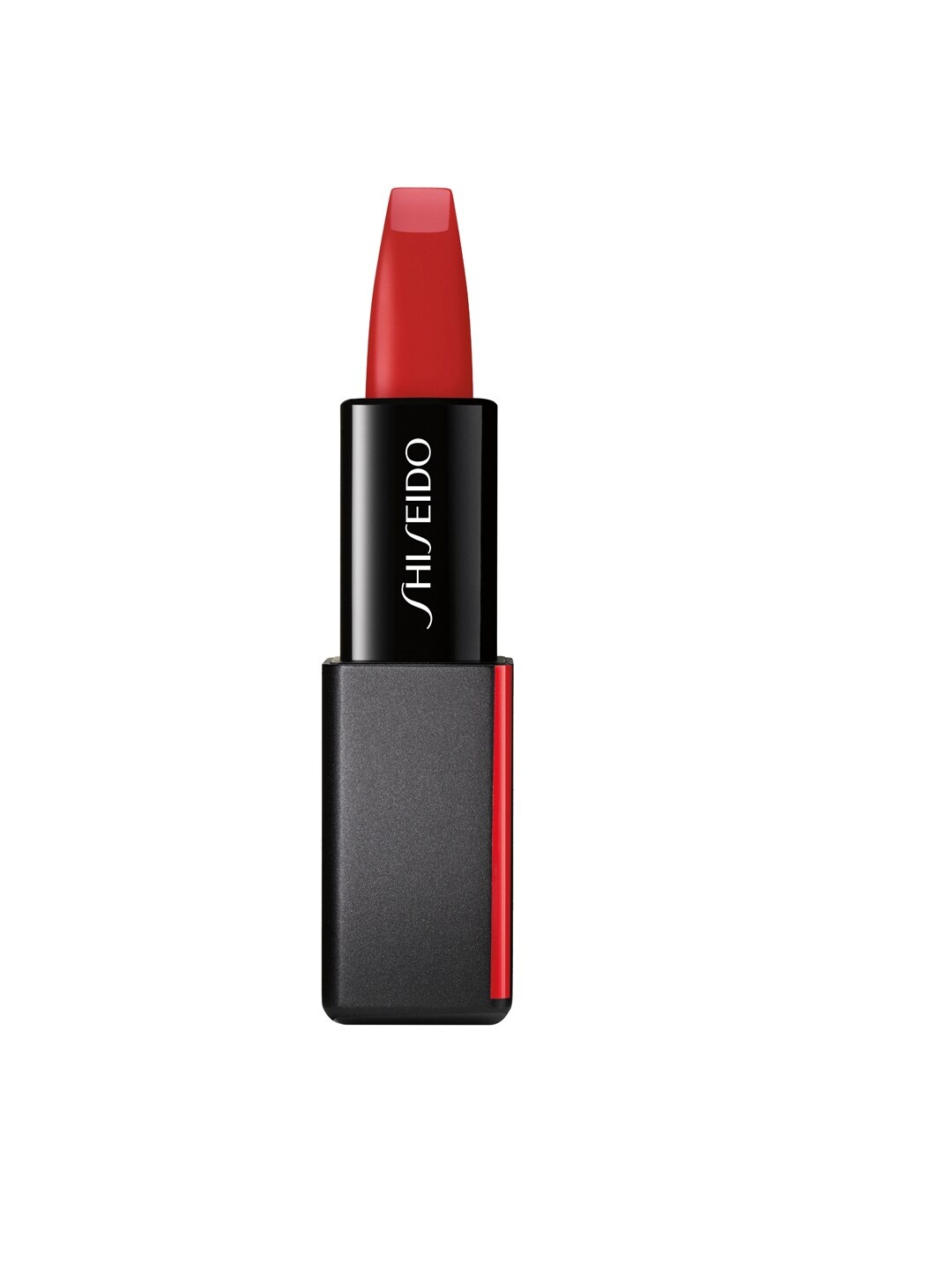
1. Skinn By Titan | Raw Perfume
2. Ajmal Royal Misk Rijali Attar
3. Beardo G&T Premium Perfume
4. Adilqadri Oudh Al Hashmi & White Oudh Attar Combo Pack
5. Nabeel Concentrated Oil Perfume | Premium Attar Arabic Fragrance
6. Bella Vita Luxury TAAJ Ameer Attar
7. KHADLAJ Hareem Sultan Gold Unisex Long-Lasting Attar
8. Bella Vita Luxury Unisex Perfume
In Indian winters, attars win for longevity due to their oil-based, alcohol-free concentration that clings to skin and clothes longer. Perfumes project stronger initially but fade faster in dry cold. For all-day warmth and lasting scent, choose attar; for a strong first impression, pick perfume. Shop now on Amazon.
Frequently Asked Questions (FAQs)
1. Is attar better than perfume for winter?
Attar usually lasts longer on skin in winter due to the oil base, which binds well to skin without evaporating in cold air. It also performs better on dry skin, which is a common problem in winter. That said, which one is better really depends on what you want: longevity, projection, or ease of use.
2. How long does attar last compared to perfume in cold weather?
In cold weather, a high-quality attar will last between six and twelve hours, as the oil base does not evaporate quickly. Conversely, a standard eau de toilette could last only three to five hours. You'd close that gap a lot with an eau de parfum or parfum concentration, and it would last better in cooler temperatures.
3. Can you wear attar every day in winter?
Yes, attar can be used daily during the winter season. It is oil- and alcohol-free and works well on dry skin. In fact, many people find attar more comfortable to wear in the winter, as it doesn't dry out or irritate the skin like some alcohol-based fragrances can.
4. Does perfume fade faster in winter?
Yes, some types of perfume (especially lighter concentrations like eau de toilette) do tend to fade more quickly in colder weather. Cold air slows down the diffusion of scent, and dry winter skin has less surface area to hold onto the fragrance. It makes a big difference if you go for a higher concentration, like eau de parfum or parfum.
5. Which fragrance notes work best for Indian winters?
When it's cold outside, you want rich, warm notes like oud, sandalwood, amber, musk, saffron, cardamom and vetiver. The notes are naturally cold and tend to deepen rather than disappear as the day progresses. Attars and perfumes that play upon these notes will deliver a more satisfying winter fragrance experience.
(Disclaimer: This article may include references to or features of products and services made available through affiliate marketing campaigns. NDTV Convergence Limited (“NDTV”) strives to maintain editorial independence while participating in such campaigns. NDTV does not assume responsibility for the performance or claims of any featured products or services.)