How To Protect Hair From Heat Styling During Festivities
Protect hair from festive heat styling with simple tips, heat protectants, lower temperatures and nourishing care for smoother, healthier-looking hair.
How To Protect Hair From Heat Styling During Festivities
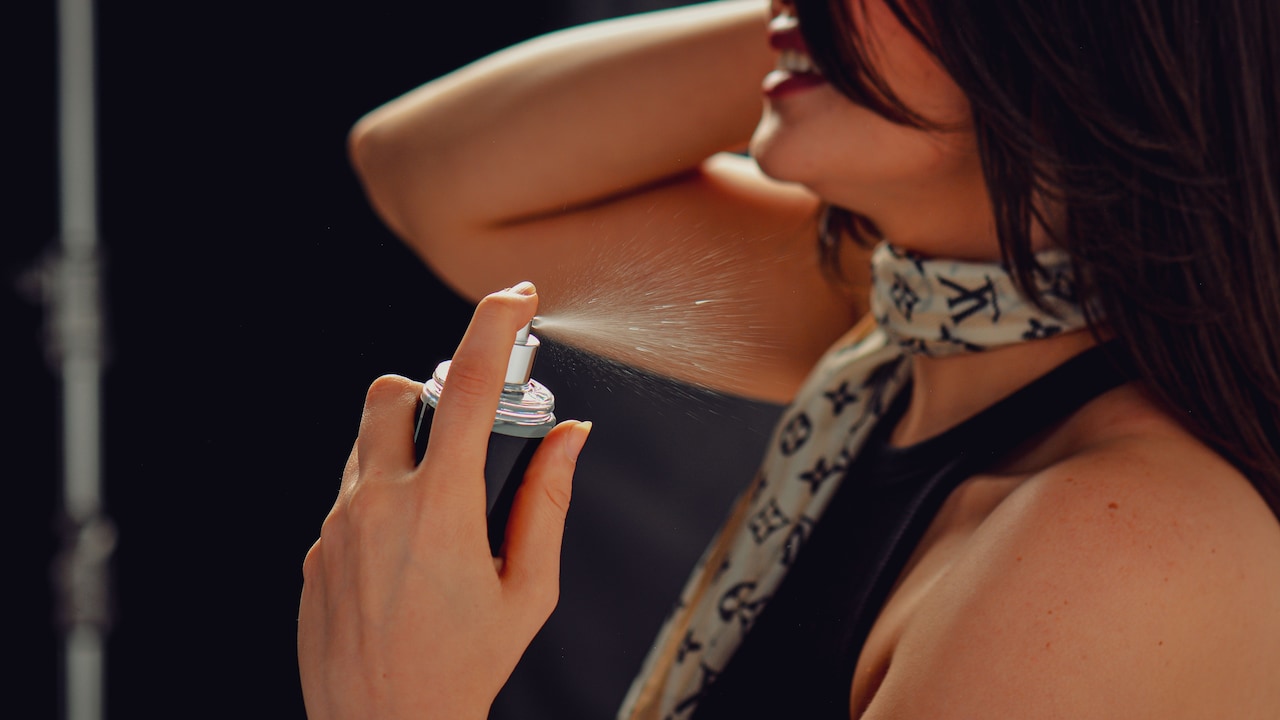
The festive season has arrived, and there are plenty of occasions to dress up for, whether family get-togethers, pujas, weddings, or evening parties. You can achieve a polished look with things like blow-dryers, straightening irons and curling irons. But styling with heat too often can dry, frizz and make your hair brittle, which makes it prone to breaking. The good news is that you don't have to sacrifice curls, sleek styles or a bouncy blowout to protect your hair. A few changes to your styling routine, like using a reliable heat protectant and lower temperatures, can reduce unnecessary damage.
Why Does Festive Heat Styling Damage Hair?
Photo Credit: iStock
The trick is to properly prep your hair, limit your use of hot tools and give your strands enough care between celebrations; all of these practical steps help festive hairstyles look their best without subjecting hair to more heat than necessary.
Why Does Festive Heat Styling Damage Hair?
Too much heat can damage the hair shaft, making it more susceptible to dryness, breakage and split ends, and repeatedly straightening or curling the same section with a straightener or curling iron adds extra stress, especially to hair that's already dry, colour-treated or chemically processed.
Festive schedules can make the problem worse when hair is styled several days in a row without a break. A heat protectant helps reduce the impact of styling, but it cannot eliminate damage. Lower temperatures, fewer passes and occasional heat-free hairstyles remain important.
What Should Be Done Before Using Hot Tools?
Preparation matters just as much as the styling tool. Condition hair after washing, detangle it gently, avoid vigorous towel rubbing, and let hair air-dry partially before blow-drying; these steps can also reduce the time spent using heat.
A quality leave-in conditioner can help with dryness and tangles, and a product specifically labelled as a heat protectant should be used before hot styling always following its instructions, including whether it should be applied to damp or dry hair.
1: Keep A Simple Recovery Routine
Wash your scalp as needed and condition the lengths and tips after a day of styling. Be gentle with wet hair, detangle as needed with a wide-tooth comb and do not rough towel-dry. A trim can help get rid of the split parts if the ends look frayed; cosmetic products can't fix split ends permanently.
2: Play With Heat-Free Holiday Hairstyles
Loose braids, low buns, fabric hair accessories and overnight braids can all make attractive styles without a straightener or curling iron. Don't pull the hair too tight, especially when it's wet, and give the scalp a break from styles that tug at the roots. If you are styling more gently and still having breakage or hair loss, consider seeing a dermatologist.
How To Protect Hair From Heat Styling: Step By Step
Step 1: Apply A Good Heat Protectant
Look for a spray, cream or leave-in that specifically says it protects from heat. Also, use it evenly through all the sections you are styling, as per product directions. A regular hair serum is not automatically a heat protectant, so check the label before you rely on it.
Step 2: Allow Hair To Dry Before Straightening
Don't use a normal flat iron or curling iron on wet hair, and after washing hair, gently squeeze out excess water with a towel or soft T-shirt and let it air-dry or blow-dry on an appropriate setting. Unless the tool is specifically designed for wet-to-dry use, hair should be totally dry before using a straightener.
Step 3: Select The Lowest Effective Temperature
Don't be tempted to put it on the highest heat setting in the hope of faster results; instead, start with a low or medium setting and increase it if necessary. Fine, fragile, bleached or chemically treated hair may require more care, as it may be more prone to damage.
Step 4: Fewer Passes And Less Contact
Split hair into small sections before styling. Keep the tool moving and don't straighten the same strand over and over or hold a curling iron in one place for too long. A little preparation can help you achieve the look you want with fewer repeat exposures.
Also Read: How I Keep My Hair Soft And Strong In Just 5 Simple Steps
What Festive Hair Styling Mistakes Should Be Avoided?
1: Using Hot Tools Every Day
Every celebration means heating hair, leaving little time to minimise further damage. Try heat-free options such as loose braids, soft buns or rollers that need no heat, instead of going for straightened or curled looks. Even a little time away from hot tools can lower overall heat exposure.
2: Overusing Product Or Not Conditioning
More product doesn't equate to more protection. Use as directed, in the correct amount and order. Don't layer products unless you've confirmed their compatibility with heat styling. Regular conditioner after shampooing and the occasional nourishing hair mask can help improve manageability, but they can't reverse structural damage already done.
What Festive Hair Styling Mistakes Should Be Avoided?
Photo Credit: iStock
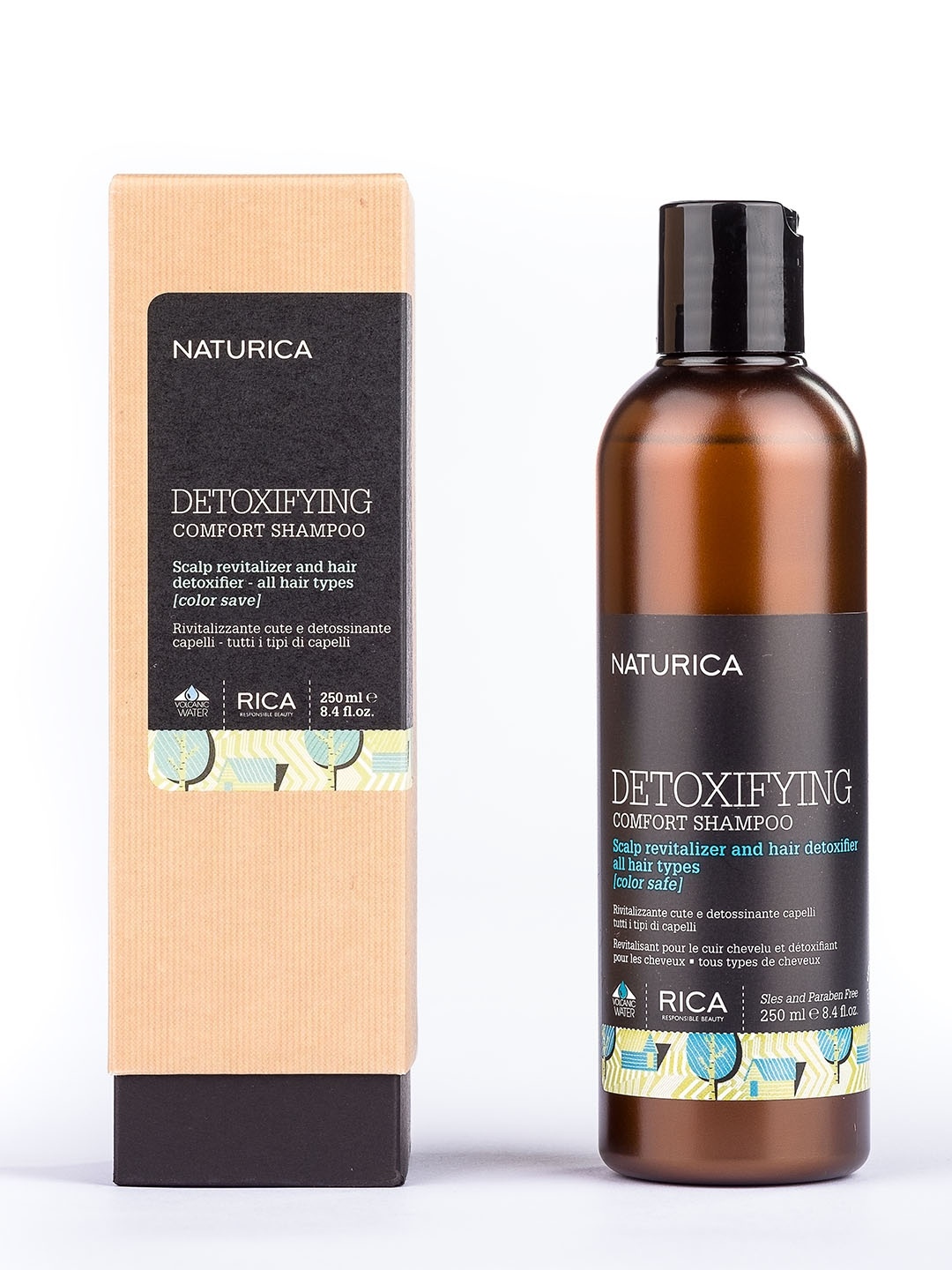
Products To Consider From
1. Wildly Pure Professional Set Of Enrich Shampoo & Shield Hair Mask
2. TRIGAINE PH Balanced Protein-Based Shampoo For Heat-Treated & Colour-Damaged Hair
3. Love Beauty & Planet Argan Oil Heat Protection & Conditioning Hair Mist
4. Thriveco Heat Protector Hair Spray With Coconut Fruit Extract
5. Newsio Smooth & Shine Heat Protection Spray
6. Ktein 100% Plant-Based Natural Hair Heat Protection with Extra Shine Spray
7. MANETAIN Set & Perfect Hair Spray For Medium Hold & Frizz Control
8. MAKEMEEBOLD Heat Protectant Mist With Aloe Vera For Hair Shine
Festivities often mean frequent blow-dries, curling irons, straighteners, and elaborate hairstyles, but protecting your hair from heat damage is essential to keep it looking healthy and vibrant throughout the season. Using a heat protectant, choosing lower heat settings, limiting the use of hot tools, and following a nourishing hair care routine can significantly reduce damage. With a little extra care and preparation, you can enjoy all your favourite festive hairstyles while maintaining smooth, shiny, and strong hair long after the celebrations are over.
Frequently Asked Questions
1. Does heat protectant prevent any heat damage?
No. Heat protectants can help to minimise damage, but they don't make high heat or frequent styling risk-free. You still want to use a lower heat and fewer passes.
2. Can you use a flat iron on hair that's wet?
Never use a regular flat iron on hair that is not completely dry. Wet-to-dry tools should only be used on damp hair if the manufacturer permits and directions are followed.
3. How many times can hair be heat styled in the festive season?
There is no frequency that is right for all hair types, and fewer styling sessions and heat-free hairstyles can help to limit cumulative exposure.
4. Are heat protectant and hair serum the same?
Not all the time. Some serums act as a heat protector. Others mainly smooth hair or control frizz. Look for a specific heat protection claim on the packaging.
5. Can heat-damaged hair be fixed with a hair mask?
Conditioning masks can improve softness, smoothness and manageability. But they can't fully reverse structural damage or permanently heal split ends. Ends that are badly damaged may need trimming.
(Disclaimer: This article may include references to or features of products and services made available through affiliate marketing campaigns. NDTV Convergence Limited (“NDTV”) strives to maintain editorial independence while participating in such campaigns. NDTV does not assume responsibility for the performance or claims of any featured products or services.)