Face Oils That Do Not Cause Breakouts: Which Ones Work For Acne-Prone Skin
Not all face oils cause breakouts. The right ones can balance sebum, calm acne, and improve skin health. Discover lightweight, non-comedogenic oils that work well for acne-prone skin without clogging pores.

Different face oils for acne-prone skin
The phrase “oil on oily skin” sounds like a disaster waiting to happen. For years, skincare conversations have warned against anything remotely greasy, especially for those battling stubborn breakouts. Yet, a quiet shift has taken place on bathroom shelves and dressing tables. Face oils, once avoided like monsoon traffic jams, are now making a confident comeback.
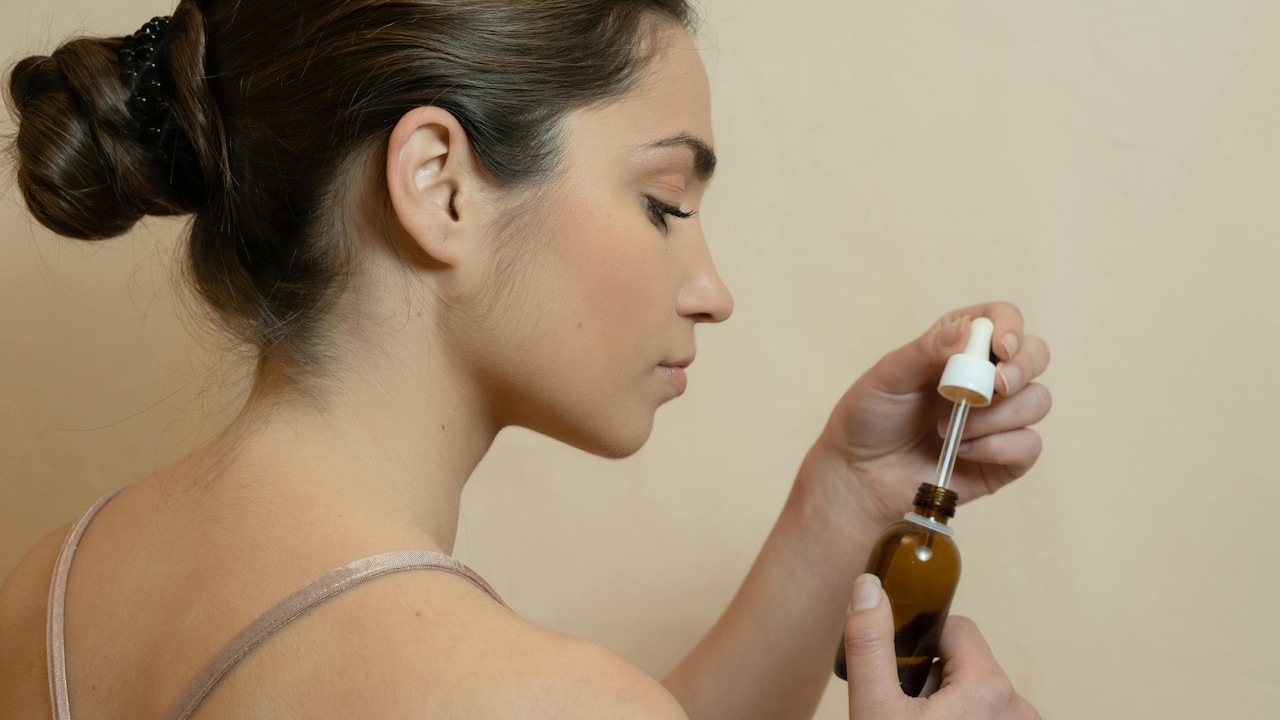
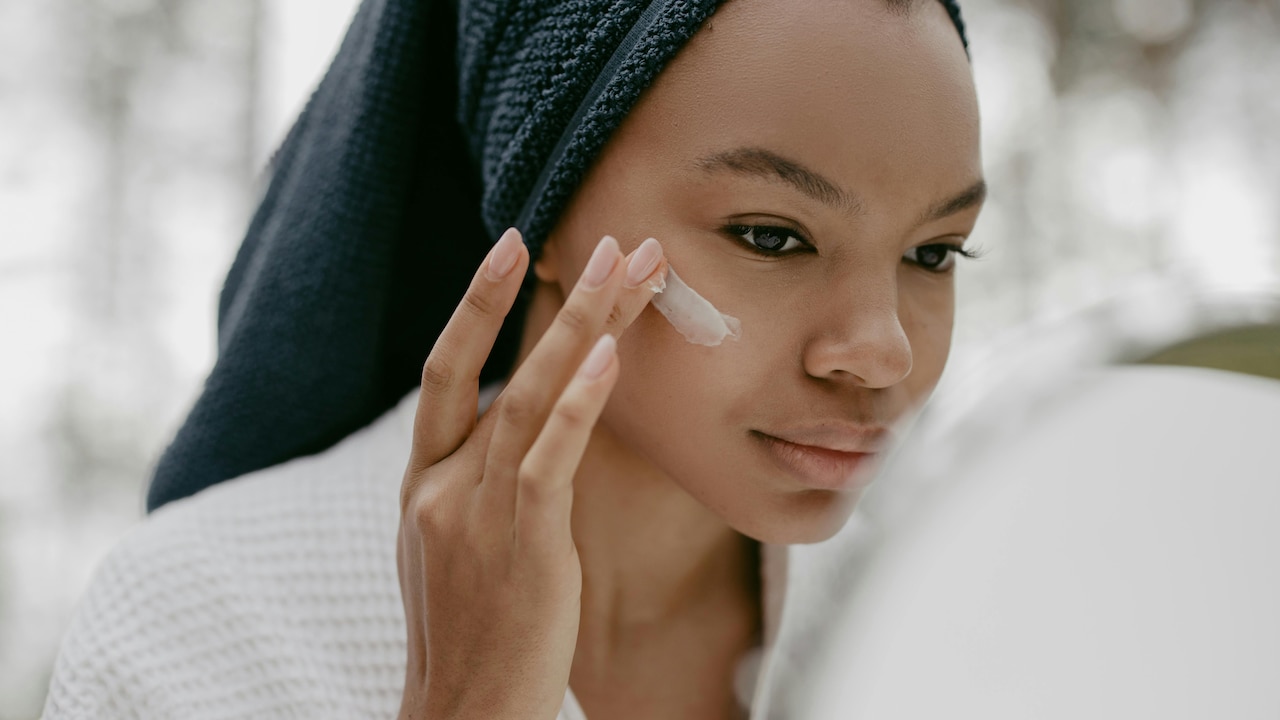
Must-try face oils that don't cause breakouts; Photo Credit: Pexels
The truth lies somewhere in the middle. Not every oil behaves the same way. Some mimic the skin's natural sebum, calming overactive glands, while others sit heavily and block pores. Understanding this difference can change how acne-prone skin is managed. Choosing the right oil can feel like finding the perfect cup of chai, balanced, comforting, and surprisingly effective.
This guide dives into oils that support rather than sabotage acne-prone skin, with a closer look at how they work, why they matter, and how to use them without fear.
Also Read: Top 10 Kumkumadi Oils: Ancient Ayurvedic Formulas For A Flawless Radiant Skin
Best Face Oils For Acne-Prone Skin That Won't Cause Breakouts
Understanding Why Some Oils Cause Breakouts
The fear of face oils usually comes from past experiences, a heavy cream that led to sudden pimples before a wedding, or a trending product that did more harm than good. The real issue often lies in something called the comedogenic rating, which measures how likely an ingredient is to clog pores.
Oils with high comedogenic ratings tend to sit thickly on the skin, trapping dead cells and bacteria. This creates the perfect environment for acne. On the other hand, lighter oils absorb quickly and help regulate natural oil production instead of overwhelming it.
Skin also reacts differently depending on climate. In humid conditions, heavy oils can feel suffocating. During dry winters, the same oil may feel comforting. Acne-prone skin needs balance, not elimination. Avoiding oils completely can sometimes push the skin to produce even more oil, creating a frustrating cycle.
Understanding these nuances shifts the approach from fear to informed choice. The goal is not to avoid oils altogether but to pick those that behave like a supportive friend rather than an uninvited guest.
Jojoba Oil: The Closest Match To Natural Sebum
Jojoba oil often surprises people. Technically, it is not even an oil but a wax ester, which closely resembles the skin's natural sebum. This similarity allows it to “trick” the skin into thinking enough oil has already been produced, thereby reducing excess secretion.
This makes jojoba oil a favourite for acne-prone skin. It feels lightweight, absorbs quickly, and does not leave behind a greasy residue. Many find it especially helpful during humid weather when heavier products feel uncomfortable.
Beyond oil control, jojoba also offers gentle anti-inflammatory benefits. Red, angry breakouts often appear calmer with consistent use. It layers well with other skincare products and works both morning and night.
Finding pure jojoba oil in the ₹300–₹800 range makes it an accessible addition to most routines. Its versatility means it can double as a hair serum or cuticle oil, adding value without crowding the shelf. For those hesitant about oils, this one often serves as a safe starting point.
Rosehip Oil: Lightweight And Repairing
Rosehip oil brings a subtle glow without the heaviness many associate with oils. Extracted from the seeds of wild rose bushes, it contains essential fatty acids and vitamin A, which support skin repair.
Acne-prone skin often struggles with marks left behind after breakouts. Rosehip oil helps fade these marks over time while keeping the skin hydrated. Its lightweight nature ensures it does not clog pores, making it suitable for daily use.
The texture feels almost dry to the touch, which appeals to those who dislike sticky finishes. A few drops go a long way, making even a ₹500 bottle last several months.
It works particularly well at night when the skin enters repair mode. Applying it before bed feels like giving the skin a quiet moment to heal. Over time, the complexion appears smoother, with fewer uneven patches.
Despite its gentle nature, consistency remains key. Results build gradually, much like saving spare change that eventually turns into something meaningful.
Tea Tree Oil: The Acne-Fighting Classic
Tea tree oil has long held its place as a go-to remedy for acne. Known for its antibacterial and anti-inflammatory properties, it targets the root causes of breakouts rather than just masking them.
However, this oil requires caution. It is potent and should always be diluted before application. Mixing a drop with a carrier oil like jojoba ensures effectiveness without irritation.
Its sharp, medicinal scent may not appeal to everyone, yet its results often speak louder. Small pimples tend to shrink overnight, and inflamed areas appear calmer.
Many budget-friendly options are available, often priced between ₹200 and ₹600. This makes it an easy addition for targeted treatments rather than full-face application.
Tea tree oil works best as a spot treatment rather than a daily moisturiser. Used wisely, it becomes a powerful ally, much like a trusted home remedy passed down through generations.
Grapeseed Oil: Light And Non-Greasy
Grapeseed oil feels almost invisible on the skin. Extracted from grape seeds, it is rich in linoleic acid, which acne-prone skin often lacks.
This oil helps strengthen the skin barrier while regulating oil production. Its non-greasy texture makes it ideal for those who shy away from anything that feels heavy.
During hot afternoons, when skincare tends to melt away, grapeseed oil remains comfortable and breathable. It also pairs well with lightweight moisturisers, enhancing hydration without clogging pores.
Affordable and widely available, usually between ₹250 and ₹700, it fits seamlessly into most routines. Its simplicity is its strength, no overpowering scent, no dramatic claims, just consistent support.
Over time, the skin feels balanced rather than overwhelmed, which is exactly what acne-prone skin needs.

Grapeseed oil feels lightweight, strengthen the skin barrier and regulate oil production; Photo Credit: Pexels
Squalane Oil: Hydration Without Weight
Squalane oil stands out for its ability to hydrate without any heaviness. Derived from olives or sugarcane, it mimics natural skin lipids and absorbs almost instantly.
This makes it ideal for combination skin that swings between oily and dry zones. It hydrates without triggering excess oil production, maintaining equilibrium.
Its silky texture feels luxurious yet practical, like a well-tailored outfit that fits every occasion. It layers beautifully under sunscreen and makeup, making it suitable for daytime use.
Though slightly pricier, ranging from ₹600 to ₹1,500, its performance justifies the investment. A few drops deliver noticeable comfort, especially during seasonal changes.
For those who want hydration without the shine, squalane offers a reliable solution that feels both modern and effective.
Hemp Seed Oil: Balancing And Calming
Hemp seed oil has quietly gained attention for its balancing properties. Rich in omega fatty acids, it helps regulate sebum while calming inflammation.
Its lightweight texture suits acne-prone skin, particularly when breakouts appear alongside redness. It absorbs quickly and does not leave a sticky finish.
The oil's slightly earthy scent may take some getting used to, yet its soothing effect makes it worthwhile. Skin often feels calmer and less reactive over time.
Available in the ₹400–₹1,000 range, it offers good value for those seeking a natural option. It works well both morning and night, adapting to different routines without fuss.
For sensitive, acne-prone skin, hemp seed oil feels like a gentle reset rather than a dramatic intervention.
Argan Oil: Nourishing Without Clogging
Argan oil, often associated with hair care, also benefits acne-prone skin when used correctly. Rich in vitamin E and antioxidants, it nourishes without overwhelming pores.
Its medium weight strikes a balance between hydration and breathability. This makes it suitable for evenings when the skin needs extra care.
While it may not suit extremely oily skin during humid weather, it performs well during cooler months. It helps maintain softness and supports skin repair.
Prices vary widely, from ₹500 to ₹2,000, depending on purity. Investing in a good-quality version ensures better results and fewer additives.
Argan oil works best when used sparingly, reminding that skincare often benefits from moderation rather than excess.
Marula Oil: Rich Yet Surprisingly Gentle
Marula oil carries a reputation for luxury, yet its benefits extend beyond indulgence. Despite its richness, it absorbs quickly and does not clog pores.
It is packed with antioxidants, helping protect the skin from environmental stress. This proves useful in urban settings where pollution often worsens acne.
Its texture feels smooth and comforting, making it ideal for nighttime routines. A few drops provide lasting hydration without heaviness.
Though priced on the higher side, often above ₹1,000, its effectiveness makes it a worthwhile occasional addition rather than a daily essential.
Marula oil feels like a quiet treat for the skin, offering nourishment without triggering breakouts.
Tamanu Oil: Healing For Stubborn Acne Marks
Tamanu oil may not be as widely known, yet it offers impressive healing properties. Traditionally used for skin repair, it helps reduce acne scars and inflammation.
Its thicker texture means it is best used in small amounts or mixed with lighter oils. It works particularly well for targeted areas rather than full-face application.
The scent can be strong and earthy, which may not suit everyone. However, its results often outweigh this minor drawback.
Priced between ₹600 and ₹1,200, it sits comfortably within reach for those seeking targeted treatment.
For persistent acne marks, tamanu oil provides a natural option that supports gradual improvement without harsh chemicals.
How To Use Face Oils Without Triggering Acne
Even the best oil can backfire if used incorrectly. Application technique matters as much as the product itself.
Using just two or three drops is often enough. Overapplication leads to buildup, which increases the risk of clogged pores. Applying oil on slightly damp skin helps it absorb better, preventing a greasy finish.
Layering also plays a role. Oils should usually be applied after water-based products but before heavier creams. This locks in hydration without suffocating the skin.
Patch testing remains essential. Skin reacts differently, and testing avoids unpleasant surprises. Consistency matters more than quantity. Regular, mindful use delivers better results than occasional overuse.
Incorporating oils into a routine should feel effortless, not overwhelming. The goal is to support the skin, not complicate it.
Products Related To This Article
1. 7DAYSNATURAL Kumkumadi Face Oil
2. GOYA BASICS Seabuckthorn Face Oil for Dull Skin
3. Passion Indulge Unisex Pearl Light Face Oil
4. Blue Nectar Nalpamaradi Turmeric Brightening Body Massage Oil & Face Oil
5. KAIVA Rosehip Seed Face Oil
6. Nat Habit Clove Marigold Mukhalaya Face Oil
7. Lotus Herbals Probrite Illuminating Radiance Face Oil
Face oils no longer deserve their old reputation as pore-clogging villains. When chosen wisely, they can transform acne-prone skin into a more balanced, resilient version of itself.
The key lies in understanding texture, composition, and personal skin needs. Lightweight, non-comedogenic oils such as jojoba, rosehip, and squalane offer reliable starting points. Others, like tea tree and tamanu, provide targeted solutions for specific concerns.
Skincare does not need to feel like a complicated science experiment. Sometimes, it simply requires paying attention to what the skin truly needs. With the right oil, even acne-prone skin can find its rhythm, calm, steady, and far less unpredictable.
(Disclaimer: This article may include references to or features of products and services made available through affiliate marketing campaigns. NDTV Convergence Limited (“NDTV”) strives to maintain editorial independence while participating in such campaigns. NDTV does not assume responsibility for the performance or claims of any featured products or services.)