Gel Cleansers Vs Cream Cleansers: Which One Works Better During Summer?
Gel cleansers control sweat and oil, while cream cleansers protect hydration. But which one actually works better during summer? The answer depends on your skin type, lifestyle, and weather.

Gel Cleansers Vs Cream Cleansers: Which Is Better For Summer Skin?
Summer has a special talent for exposing every skincare mistake. A rich moisturiser suddenly feels greasy. Makeup melts before lunch. Sunscreen piles up around the nose. By evening, the face resembles a samosa fresh out of hot oil. Amid all this chaos, cleanser becomes the unsung hero of the skincare routine. Yet many people grab whichever bottle sits closest to the sink without thinking about what the formula actually does. That works in winter. Summer plays by different rules. Heat, sweat, pollution, dust, and excess oil production push skin into overdrive. A cleanser that felt perfect in December may leave the face irritated or greasy by May.

Gel Cleansers Vs Cream Cleansers: Which Is Better For Summer Skin?; Photo Credit: Pexels
The debate between gel cleansers and cream cleansers has quietly become one of the biggest skincare conversations. One promises freshness and oil control. The other focuses on comfort and hydration. Neither stands as universally better. Skin rarely behaves like a school maths equation. It changes according to weather, stress, sleep, and whether dinner involved spicy street-side pav bhaji at 11 pm. Understanding how each cleanser works can help avoid unnecessary breakouts, dryness, and irritation during the hottest months of the year. The secret lies in knowing what the skin truly needs when temperatures rise, and humidity turns every commute into a mini sauna session.
Gel Cleansers Vs Cream Cleansers: Understanding What Your Skin Needs
Why Summer Changes The Skin Completely
Skin behaves differently during summer because heat stimulates oil glands. Sweat mixes with pollution, sunscreen, and dirt throughout the day. This creates a sticky layer that can clog pores and trigger breakouts. People who usually enjoy balanced skin often notice sudden shine around the forehead and nose once temperatures climb.
Air conditioning complicates matters further. Hours spent in cooled offices dry out the skin barrier even while the outside weather remains humid. That strange combination leaves skin oily on the surface yet dehydrated underneath. It explains why many people wash their faces repeatedly but still feel uncomfortable.
A cleanser needs to remove grime without stripping away essential moisture. Too much cleansing can cause irritation and redness. Too little cleansing leaves behind sweat and bacteria. Summer skincare, therefore, becomes less about luxury and more about balance.
This is where the gel-versus-cream conversation begins. Both formulas tackle cleansing differently. Gel cleansers focus on freshness and deep cleaning. Cream cleansers aim to maintain softness while lifting dirt gently. The ideal choice depends on whether the skin screams for oil control or quietly begs for hydration.
Also Read: 5 Best Face Cleansers for Daily Use That Clean Deeply Without Drying Skin
What Exactly Is A Gel Cleanser?
Gel cleansers usually come with a lightweight, transparent texture that feels cool on the skin. They create a refreshing sensation that instantly suits hot weather. Most gel cleansers target excess oil, clogged pores, and acne-prone skin.
These cleansers often contain ingredients such as salicylic acid, tea tree oil, niacinamide, or green tea extracts. They remove sweat, sunscreen residue, and pollution effectively. After a long day outdoors, a gel cleanser can feel almost therapeutic, especially when the face resembles a glazed doughnut by evening.
People with oily or combination skin often prefer gel cleansers because they leave behind a cleaner, fresher finish. The face feels awake rather than coated. This explains why gel cleansers become wildly popular once summer arrives.
However, problems arise when people overuse strong gel formulas. Some cleansers strip natural oils too aggressively. Skin then responds by producing even more oil. The result becomes an endless cycle of washing and greasiness.
The key lies in choosing a gentle gel cleanser rather than the harsh, squeaky-clean formulas that dominated pharmacy shelves years ago. Modern skincare understands that healthy skin should feel balanced, not painfully tight after cleansing.
What Makes Cream Cleansers Different?
Cream cleansers carry a thicker, richer texture designed to cleanse while preserving hydration. They often contain nourishing ingredients such as ceramides, glycerine, oats, or hyaluronic acid. Instead of foaming heavily, they glide smoothly across the skin and rinse away without disrupting the skin barrier.
At first glance, cream cleansers may seem unsuitable for summer. Many people assume creamy formulas automatically equal greasy skin. Surprisingly, that assumption misses an important point. Not every face turns oily during hot weather. Some people experience dryness, sensitivity, or redness despite the humidity outside.
Cream cleansers work particularly well for dry, mature, or sensitive skin. They prevent the uncomfortable tightness that often follows frequent washing during summer. Skin feels soft rather than stretched.
They also suit people who spend most of the day indoors under harsh air conditioning. Constant exposure to cool artificial air can weaken the skin barrier over time. A cream cleanser helps maintain comfort and hydration.
That said, very rich cream cleansers may feel heavy for oily skin types during peak summer heat. Nobody wants a face wash that leaves behind the sensation of melted butter on a humid afternoon. Texture matters enormously when temperatures rise.

Gel Cleansers Vs Cream Cleansers: Which Is Better For Summer Skin?; Photo Credit: Pexels
Which Cleanser Works Better For Oily Skin?
Oily skin and summer often behave like dramatic cousins at a family wedding. Both demand attention constantly. Excess sebum production increases during hot weather, leading to clogged pores, blackheads, and frequent breakouts.
Gel cleansers usually outperform cream cleansers for oily skin because they cleanse deeply without adding heaviness. They help remove sweat and oil efficiently while keeping the face refreshed. Lightweight formulas also reduce the greasy layer that appears midway through the afternoon.
People who travel through crowded streets, use public transport daily, or spend long hours outdoors often benefit from gel-based cleansing. Pollution sticks easily to oily skin. A refreshing cleanser removes buildup more effectively.
However, stronger does not always mean better. Many people attack oily skin with harsh cleansers multiple times daily. That approach backfires quickly. Over-cleansing strips moisture and pushes skin into panic mode. Oil production increases further.
A gentle gel cleanser used twice daily usually works best. Pairing it with a light moisturiser creates balance rather than chaos. Skincare should feel supportive, not like punishment for having shiny skin.
Cream cleansers can still work occasionally for oily skin if the formula remains lightweight and non-comedogenic. Yet gel cleansers generally take the lead during summer for anyone struggling with persistent shine or acne.
Which Option Suits Dry And Sensitive Skin Better?
Dry skin during summer often confuses people. Everyone expects heat to create oiliness, yet many faces become irritated and flaky instead. Sun exposure, frequent face washing, and indoor cooling systems can weaken the skin barrier rapidly.
Cream cleansers usually work better for dry and sensitive skin because they cleanse gently while preserving moisture. They reduce friction and minimise irritation, which matters greatly for people dealing with redness or sensitivity.
A soothing cream cleanser can feel comforting after a day spent under scorching sunlight. Instead of leaving the skin tight and itchy, it restores softness. This becomes especially useful for people using active skincare ingredients like retinol or exfoliating acids.
Sensitive skin also reacts badly to overly fragranced or foaming products. Many cream cleansers avoid harsh surfactants, making them kinder to reactive skin types.
Gel cleansers are not automatically unsuitable for dry skin. Some modern formulas include hydrating ingredients and work beautifully without causing dryness. Yet cream cleansers generally provide a safer option for maintaining barrier health during summer.
Skin that feels soft and calm tends to look healthier than skin scrubbed aggressively in pursuit of oil-free perfection. Summer skincare should aim for resilience, not relentless stripping.
The Role Of Humidity In Choosing A Cleanser
Humidity changes everything. A cleanser that feels perfect in Delhi's dry heat may feel unbearable in Mumbai's sticky coastal weather. Climate affects how skincare products behave on the skin.
In highly humid environments, gel cleansers often feel more comfortable because they leave behind a lighter finish. Heavy products can feel suffocating when the air itself resembles warm soup. Gel textures, therefore, become appealing in coastal cities where sweat appears within minutes of stepping outdoors.
In drier climates, cream cleansers help prevent moisture loss. Hot winds and prolonged sun exposure can dehydrate skin quickly. A cream cleanser supports hydration while still removing dirt effectively.
Lifestyle matters too. Someone working all day outdoors may prefer a gel cleanser regardless of skin type simply because it feels fresher. Meanwhile, a person spending most of the day indoors under cooling systems may crave the comfort of cream formulas.
Summer skincare cannot follow one universal rulebook. Skin responds to the environment constantly. Observing how the face feels after cleansing often reveals whether the formula works properly. Comfortable skin usually indicates the right choice. Tightness or greasiness often signals imbalance.
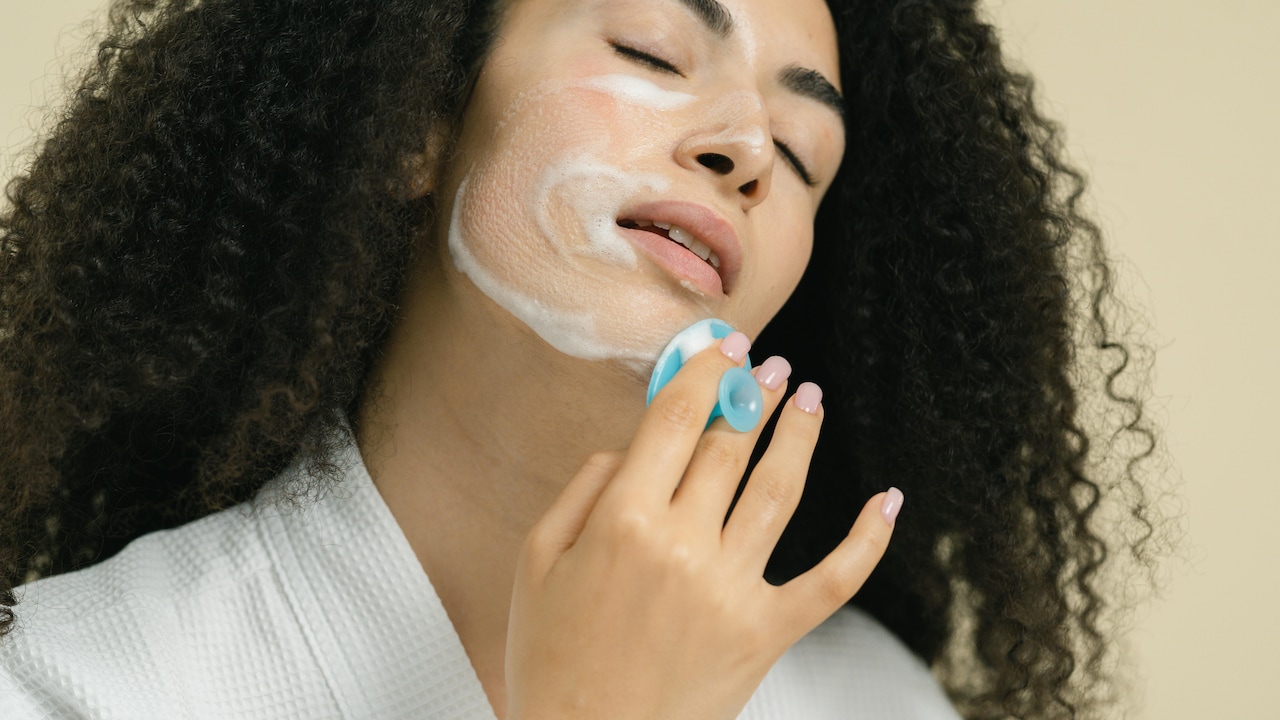
Gel Cleansers Vs Cream Cleansers: Which Is Better For Summer Skin?; Photo Credit: Pexels
Can Combination Skin Use Both?
Combination skin deserves sympathy during summer. One area turns oily while another becomes dry and irritated. The forehead shines brighter than festival lights, while the cheeks quietly beg for moisture.
This skin type often benefits from flexibility rather than strict loyalty to one cleanser category. Many people with combination skin use gel cleansers during the day and cream cleansers at night. That approach keeps oil under control while preventing dehydration.
Another effective method involves seasonal adjustments. During peak humid months, gel cleansers may dominate the routine. As monsoon transitions or indoor cooling intensifies, cream cleansers can return to restore comfort.
Some modern cleansers also combine the best qualities of both textures. Hybrid formulas cleanse deeply while maintaining hydration. These products suit people who dislike extremes.
Listening to the skin remains more useful than blindly following trends. Social media often promotes dramatic routines with ten products layered together like a complicated biryani recipe. Most skin types simply need consistency and balance.
Combination skin thrives when treated gently. Constantly switching products or over-cleansing creates confusion rather than clarity. A thoughtful approach usually produces better results than chasing viral skincare trends.
How Cleansing Habits Matter More Than Product Type
People often obsess over choosing the “perfect” cleanser while ignoring how they actually use it. Cleansing habits matter just as much as the formula itself.
Washing the face with extremely hot water damages the skin barrier. Scrubbing aggressively does the same. Using excessive product creates irritation rather than cleanliness. Even the best cleanser struggles against poor habits.
Summer also tempts people into washing their faces repeatedly throughout the day. That may feel refreshing temporarily, yet excessive cleansing weakens skin over time. Twice daily cleansing usually works well unless heavy sweating requires an extra rinse.
Night cleansing matters especially during summer. Sunscreen, pollution, sweat, and makeup accumulate throughout the day. Sleeping without proper cleansing increases the risk of clogged pores and irritation.
Another common mistake involves skipping moisturiser after cleansing. Many oily-skinned people fear moisturiser during summer. In reality, dehydrated skin often produces more oil to compensate. Lightweight hydration supports a healthier balance.
A ₹300 cleanser used correctly often performs better than an expensive luxury product used carelessly. Consistency, gentleness, and understanding the skin's changing needs make the biggest difference.
The Influence Of Skincare Trends And Marketing
Skincare marketing loves dramatic promises. One cleanser claims to erase oil forever. Another promises glass-like skin overnight. Summer campaigns often push foaming gel cleansers as the ultimate answer for everyone.
Reality looks less glamorous. Skin differs from person to person. What works beautifully for one face may irritate another within days.
Many people buy products simply because influencers recommend them online. Yet filters, lighting, and sponsored content rarely reveal the full story. A cleanser should suit real-life conditions, not just aesthetic bathroom shelf photographs.
Cream cleansers sometimes receive unfair criticism during the summer because they appear less trendy. Meanwhile, harsh gel cleansers often gain popularity through the promise of “deep cleaning”. Excessive cleansing, however, can damage the skin barrier significantly.
The smartest skincare choices usually come from observation rather than hype. If skin feels calm, comfortable, and balanced after cleansing, the product likely works well. Trends change faster than weather forecasts anyway.
A sensible routine also saves money. Constantly chasing every new launch can empty wallets quicker than online sale notifications during the festive season. Good skincare should support confidence, not financial regret.
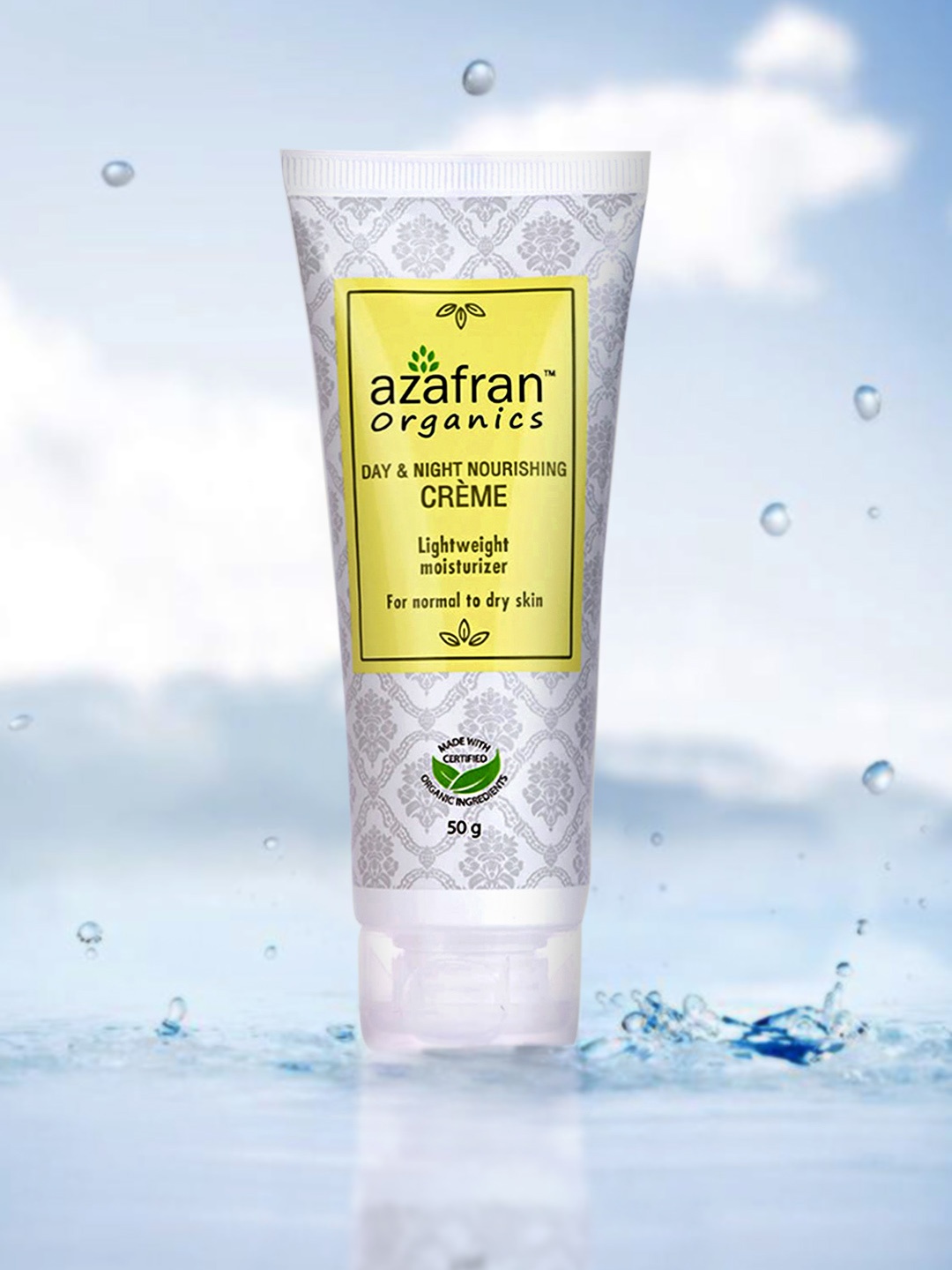
Products Related To This Article
1. FoxTale Purify & Glow Cleanser & Mask with French Pink Clay|Unclogs pores
2. PLIX THE PLANT FIX Salicylic Acid Jamun Face Wash Cleanser Gel For Active Acne
3. The Derma Co. 2% Niacinamide Gentle Skin Cleanser for Sensitive, Dry, Normal Skin
4. Pilgrim Red Vine Face Wash Cleanser for Anti-Aging & De-Pigmentation
5. Dove Beauty Moisture Conditioning Face Wash Cleanser
6. DOT & KEY Deep Pore Clean Milky Foam Face Wash Cleanser with Seaweed
7. FIXDERMA Skarfix-TX Face Cleanser
The battle between gel cleansers and cream cleansers during summer does not end with one universal winner. Both serve different purposes, and skin rarely behaves identically for everyone.
Gel cleansers shine when oil control, freshness, and deep cleansing matter most. They suit oily, acne-prone, and combination skin particularly well during hot, humid months. Cream cleansers excel at protecting hydration and maintaining comfort for dry, sensitive, or mature skin.
Summer skincare works best when guided by observation rather than rigid rules. Climate, lifestyle, air conditioning exposure, sunscreen use, and skin sensitivity all influence which cleanser performs better.
The smartest approach involves choosing a formula that leaves skin feeling clean yet comfortable. Not greasy. Not painfully tight. Just balanced. Healthy skin rarely announces itself dramatically. It simply behaves well quietly in the background.
And perhaps that remains the real skincare goal during summer: surviving the heat without feeling like the face needs its own weather forecast by lunchtime.
(Disclaimer: This article may include references to or features of products and services made available through affiliate marketing campaigns. NDTV Convergence Limited (“NDTV”) strives to maintain editorial independence while participating in such campaigns. NDTV does not assume responsibility for the performance or claims of any featured products or services.)