Best Sunscreens For No White Cast: What To Look For And What To Avoid
Sunscreen shouldn’t leave a grey, chalky cast. Learn what causes white cast and how to choose lightweight, no-cast formulas that blend easily, even on deeper skin tones.
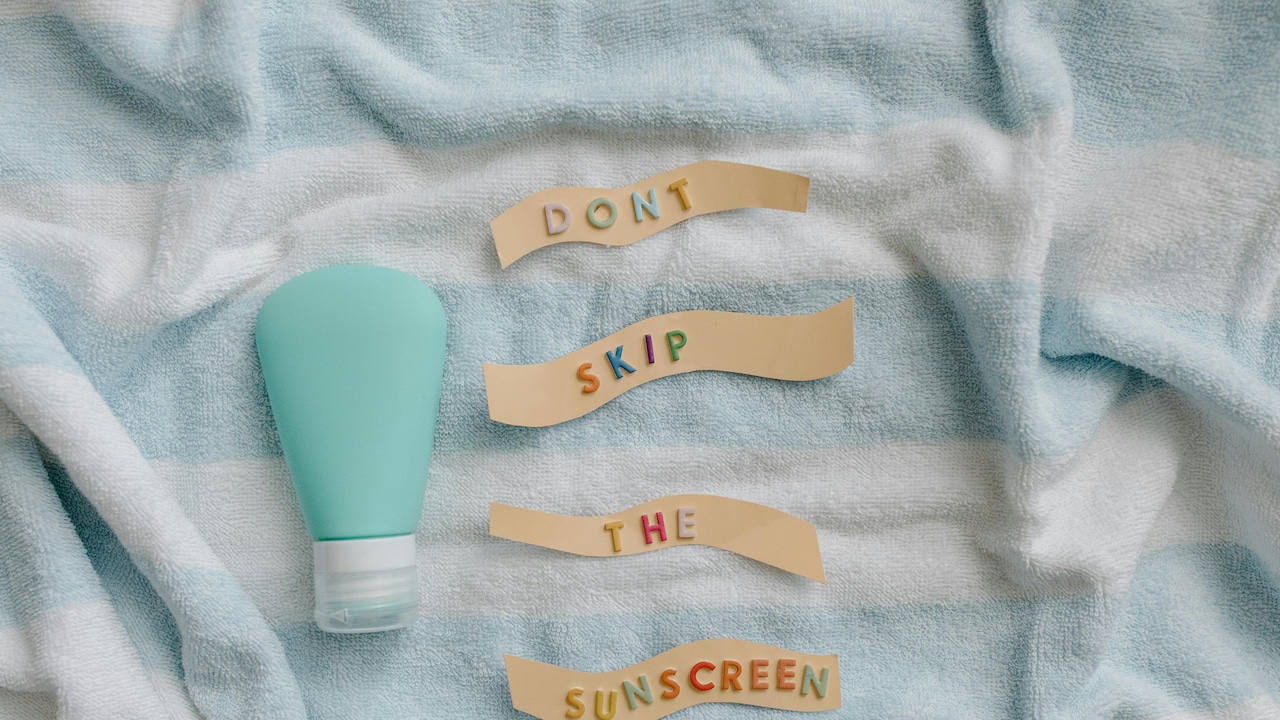
White Cast From Sunscreen? This Is How To Pick The Right Formula That Won't Look Grey.
Sunscreen should feel like a small act of self-care. The kind that says, “Yes, the sun is blazing, the UV index is doing cartwheels, and yet this face will remain unbothered.” But then comes the white cast.
Suddenly, the mirror shows a strange grey tint. The cheeks look dusty. The forehead looks like it has been lightly floured, as someone got overexcited with baking prep. And it's not just annoying, it can make people avoid sunscreen entirely, which is the real tragedy.
White cast is common, especially on deeper skin tones, and especially with certain types of filters. Yet the solution isn't to skip sunscreen or to “blend harder” until your arms feel like they've done a full gym session. The solution is learning how to choose the right formula for your skin type, your lifestyle, and your climate, because yes, the weather and humidity matter too.
Let's break it down in a way that actually makes sense, without turning it into a chemistry lecture.
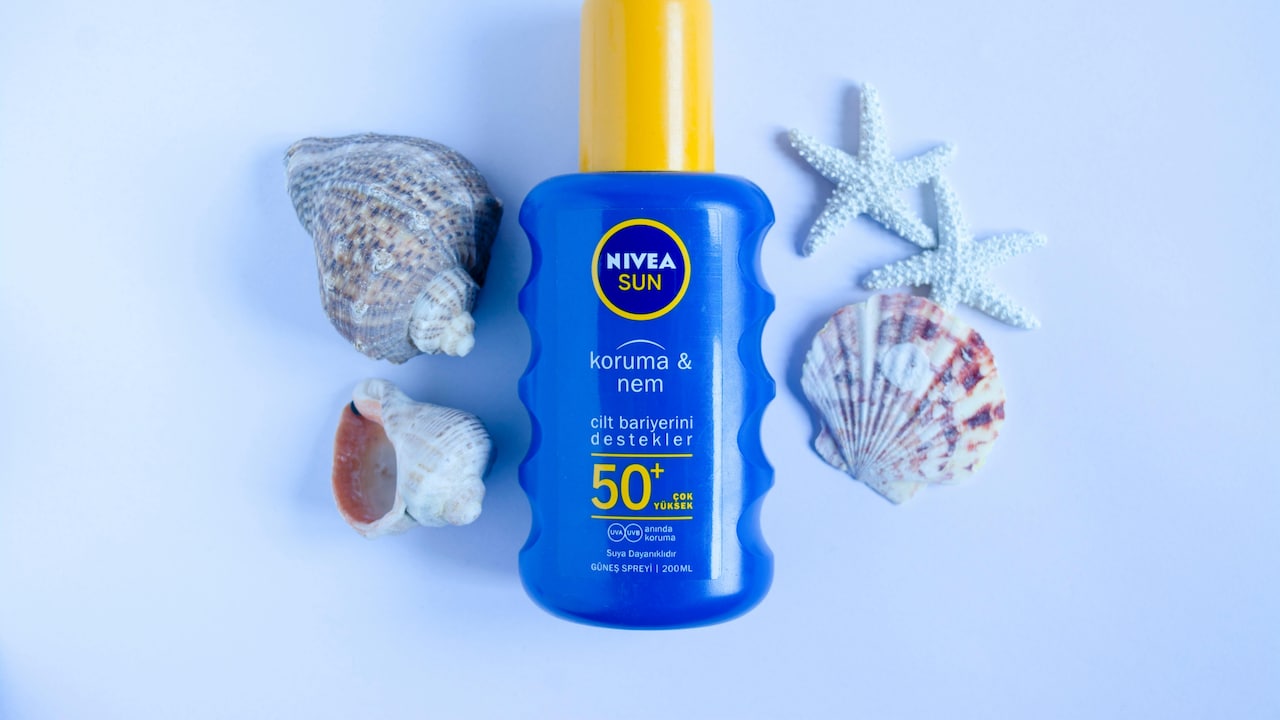
How To Choose Sunscreen That Doesn't Leave A White Cast On Skin
Photo Credit: Pexels
Why Some Sunscreens Look Grey, And How To Avoid It
1) Understand what white cast really is (and why it happens)
White cast isn't a moral failing. It isn't your skin “rejecting” sunscreen. It's simply how some UV filters behave on the surface of the skin. The biggest culprits are mineral filters like zinc oxide and titanium dioxide. These ingredients protect skin by sitting on top and reflecting UV rays, rather than absorbing them. Think of them as tiny protective mirrors. The problem? Those mirrors can look visibly pale, especially on deeper skin tones.
Some sunscreens use larger particles of zinc or titanium, which makes the cast more obvious. Others use micronised or nano-sized particles, which can reduce that chalky look. A good formula spreads evenly and dries down without leaving a layer that looks like it belongs on a cricket pitch.
The cast can also get worse when sunscreen pills, clumps, or mixes badly with moisturiser. Sometimes it's not the sunscreen alone, it's how it interacts with your skincare or makeup. And yes, the amount matters too. When the right quantity looks like too much, people instinctively apply less, which defeats the point. So the real goal is a formula that lets you apply enough without looking grey.
2) Mineral vs chemical sunscreens: pick the right team for your skin
This is where things get spicy, because sunscreen debates can get as intense as a family argument about where to eat dinner. Mineral sunscreens (zinc oxide, titanium dioxide) suit sensitive skin and often feel gentler. They also start working immediately. But they're more likely to leave a cast.
Chemical sunscreens use filters like avobenzone, octinoxate, octocrylene, and newer ones like Tinosorb and Uvinul. These absorb UV rays and convert them into heat. They usually feel lighter and leave less cast, which makes them a favourite for deeper skin tones.
There's no “best” sunscreen type overall. There's only the best one for your skin and lifestyle. If you deal with redness, irritation, or post-acne sensitivity, mineral formulas can feel safer. But if you want an invisible finish, chemical or hybrid formulas often win.
Hybrid sunscreens combine both mineral and chemical filters. These are often the sweet spot: good protection, less irritation, and reduced cast. In hot, humid cities, hybrids and gels tend to feel far more wearable. And wearable sunscreen is the one that gets used every day, which is the only kind that actually protects.
3) Look for the magic words: “no white cast” is not enough
Packaging loves drama. “Invisible finish!” “No white cast!” “Dewy glow!” It all sounds wonderful until you step outside and realise your face looks like it lost a fight with talcum powder.
Instead of trusting marketing claims, check the texture type and filter style. Gel sunscreens, fluid sunscreens, and water-based formulas tend to blend better. Silicone-based sunscreens often feel smooth and primer-like, which can also help reduce cast and patchiness.
Tinted sunscreens deserve a special mention. They use iron oxides to add colour, which can neutralise the white look. Many tinted sunscreens also protect against visible light, which matters for pigmentation. However, a single “universal tint” rarely suits everyone. Some look too orange, some too pink, and some look like a foundation from 2009.
The best approach is to choose based on finish and feel rather than just claims. If the product description mentions “sheer,” “clear gel,” “serum sunscreen,” or “weightless fluid,” that's usually a good sign. And if it mentions “thick cream” and “matte paste,” proceed with caution unless you already know it suits you.
4) Texture matters more than SPF for daily comfort
This may sound rebellious, but SPF numbers alone don't decide whether a sunscreen works for daily use. The texture does. If it feels heavy, greasy, or chalky, it won't become a habit, and habits matter more than perfect product theory.
In humid weather, thick creams can sit on the skin and turn grey because they don't settle properly. Sweat mixes with the formula, and the sunscreen starts looking patchy. That's when people say, “Sunscreen doesn't suit me.” What they mean is, “This texture is not made for this climate.”
Gel-based sunscreens often work beautifully in heat. They dry down quickly and don't leave that powdery layer. Lightweight fluids also spread evenly, which reduces streaking. A streaked sunscreen almost always looks whiter.
For dry skin, a creamy sunscreen can still work, but it should feel moisturising, not pasty. A good creamy formula melts in, rather than sitting like a layer of paint.
If there's one rule that saves time and money, it's this: choose a texture that feels pleasant enough to apply every single day, even when you're running late and already annoyed at your alarm.
5) The right application technique can fix half the problem
Even a good sunscreen can betray you if it's applied in the wrong way. Rubbing aggressively, applying on damp skin, or layering too quickly can cause pilling and streaks. And streaks show up as white or grey patches.
The simplest trick is to apply sunscreen in two thin layers instead of one thick one. The first layer should be spread gently and allowed to settle for a minute. Then apply the second. This improves coverage and reduces the “white paint” effect.
Another technique that helps is pressing rather than rubbing. Instead of dragging the product across the face, pat it in. This works especially well with mineral sunscreens.
Also, apply sunscreen after the moisturiser has fully absorbed. If the moisturiser is still wet, sunscreen can mix with it and become patchy. The same goes for serums and facial oils. Oils underneath sunscreen can break the formula and make it slide around, which makes the cast more visible.
And yes, sunscreen should go on the ears and neck too. Nobody wants a face that matches perfectly and a neck that looks like it belongs to someone else.
6) Choose filters that suit deeper skin tones (without fear)
A lot of people assume sunscreen is either “white-cast mineral” or “greasy chemical.” That's outdated. Many modern chemical filters offer high protection with a transparent finish.
If the ingredient list includes newer filters like Tinosorb S, Tinosorb M, Uvinul A Plus, or Uvinul T 150, you're likely looking at a more modern formulation. These filters often feel lighter and work well in strong sunlight.
Mineral filters can still work, too, but the formula needs to be well-designed. Some brands use transparent zinc or micronised zinc, which reduces the chalky look. Others add pigment to balance the whiteness.
If you struggle with hyperpigmentation, melasma, or acne marks, it helps to choose sunscreens that protect against UVA strongly, not just UVB. UVB causes sunburn, but UVA causes tanning and pigmentation. The problem is that many people focus only on SPF and forget UVA protection.
A good sunscreen for daily wear should offer broad-spectrum protection and feel invisible enough that you don't dread reapplying it.
7) Matte vs dewy: the finish can change the cast
Here's an odd truth: some matte sunscreens look whiter than dewy ones, even if the filters are similar. Matte formulas often contain powders that absorb oil. Those powders can leave a pale sheen, especially under indoor lighting or phone flash.
Dewy formulas, on the other hand, reflect light in a way that can make the skin look more even and less grey. They can also “melt” into the skin more naturally. But if you have oily skin, a dewy sunscreen can feel sticky by lunchtime.
So the finish needs to match your skin type and daily routine. If you wear makeup, a silicone-based sunscreen can work like a primer and help foundation sit smoothly. If you prefer a bare face, a lightweight gel sunscreen can feel like nothing.
Also, don't underestimate how lighting changes everything. A sunscreen that looks fine in the bathroom can look ashy in daylight. The best test is to apply it and step near a window. If the cast shows up there, it will show up everywhere.
8) Reapplication is where most sunscreens fall apart
Many sunscreens look okay at 9 am and absolutely tragic by 1 pm. The cast can get worse with reapplication, especially if the first layer has mixed with sweat, oil, and pollution.
The trick is to reapply without creating a thick build-up. If the face feels greasy, blot first. Even a clean tissue can remove excess oil. Then apply a fresh layer.
For people who wear makeup, reapplication becomes a whole emotional event. Nobody wants to smear foundation around and restart their face in the middle of the day. This is where sunscreen sticks, mists, and powders sound tempting, but they rarely provide the same reliable coverage as a proper cream or gel.
A practical approach is to use a lightweight sunscreen for the base layer in the morning, then reapply with the same formula in smaller amounts, focusing on the high points of the face. Another approach is to use a tinted sunscreen as the second layer, which can refresh the look and reduce visible cast.
Reapplication doesn't need to be perfect. It just needs to happen. The sun doesn't care about your schedule.
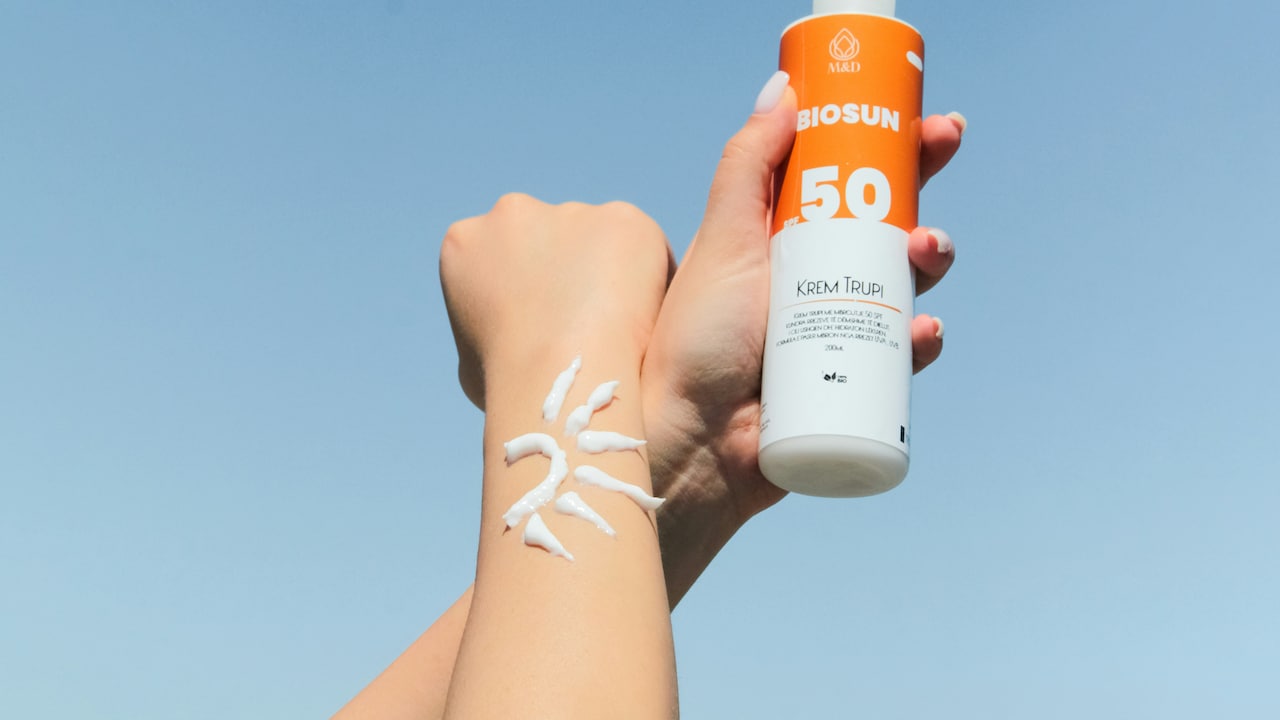
How To Choose Sunscreen That Doesn't Leave A White Cast On Skin
Photo Credit: Pexels
9) Sunscreen and sweat: pick formulas that survive real life
A lot of sunscreen advice assumes you live in an air-conditioned bubble. But real life includes auto rides, metro stations, humid afternoons, and weddings where you stand under sunlight while pretending you're not melting.
If you sweat easily, look for water-resistant formulas. These tend to grip the skin better and are less likely to streak white. A sunscreen that runs down the face can look like you cried chalk.
Sports sunscreens often have better staying power. They can feel slightly heavier, but they perform well outdoors. If you walk a lot, commute daily, or play outdoor sports, a water-resistant sunscreen is worth it.
Also, pay attention to the eyes. Some chemical sunscreens sting when sweat carries them into the eye area. If that happens, choose a formula labelled as eye-friendly or use a mineral sunscreen just around the eyes.
The goal isn't to find a sunscreen that feels like a luxury cream. The goal is to find one that survives your day without turning you grey, greasy, or irritated.
10) The best sunscreen is the one you'll actually use, and enjoy
There's a reason sunscreen struggles as a habit. It's not because people don't care. It's because many formulas feel uncomfortable, look strange, and cost enough to make reapplication feel like a financial decision.
A sunscreen should feel like something you want to put on, not something you force yourself to tolerate. If a product makes you look ashy, you'll skip it. If it makes you sweat more, you'll avoid it. If it pills under makeup, it will end up forgotten in a drawer next to abandoned sheet masks.
So it's worth spending time finding the right formula. Test it on your jawline in daylight. Try it with your moisturiser. See how it behaves after two hours. Does it cling to dry patches? Does it turn grey? Does it sting?
Also, remember that sun protection isn't only about beaches and holidays. It's about daily life: standing near windows, riding scooters, walking to lunch, and attending daytime functions. The sun shows up whether you asked for it or not.
A sunscreen that feels invisible and looks natural can genuinely change how consistently you protect your skin, and that's where the real glow-up happens.
Products Related To This Article
1. Hyphen All I Need SPF50 PA++++ Sunscreen with Niacinamide
2. Minimalist SPF 50 Sunscreen With Niacinamide
3. Aqualogica Everyday Glow+ Combo - Dewy Sunscreen 50g & Smoothie Face Wash
4. Deconstruct Fluid Brightening Sunscreen SPF 50+ - For Dry Skin & Hydration
5. The Derma co. 1% Hyaluronic Sunscreen Oil-Free Gel - 50g In-Vivo tested
6. WishCare Niacinamide Oil-Balance Fluid Sunscreen SPF 50+ PA++++
7. Reequil Oxybenzone And Omc Free Sunscreen SPF 50 PA+++ For Oily Skin
White cast isn't a small issue. It's one of the biggest reasons people stop wearing sunscreen, even when they know they should. The fix isn't to apply less or to suffer through it. The fix is to choose smarter formulas, better textures, and more realistic finishes.
Lightweight gels, modern chemical filters, well-designed hybrids, and tinted options can all help. So can better application and reapplication habits. The perfect sunscreen doesn't need to feel fancy. It just needs to protect your skin and let you look like yourself, not like you've been lightly dusted for a school play.
Sun protection should fit into daily life the way chai does: simple, comforting, and non-negotiable. And once you find a sunscreen that doesn't turn you grey, you'll wonder why you ever tolerated the chalky ones in the first place.
(Disclaimer: This article may include references to or features of products and services made available through affiliate marketing campaigns. NDTV Convergence Limited (“NDTV”) strives to maintain editorial independence while participating in such campaigns. NDTV does not assume responsibility for the performance or claims of any featured products or services.)