Can Aloe Vera Be Used As A Daily Moisturiser For All Skin Types?
Can aloe vera be used as a daily moisturiser for all skin types? Learn its benefits, side effects, and the right way to use it daily for healthy skin.
Can Aloe Vera Be Used As A Daily Moisturiser For All Skin Types?
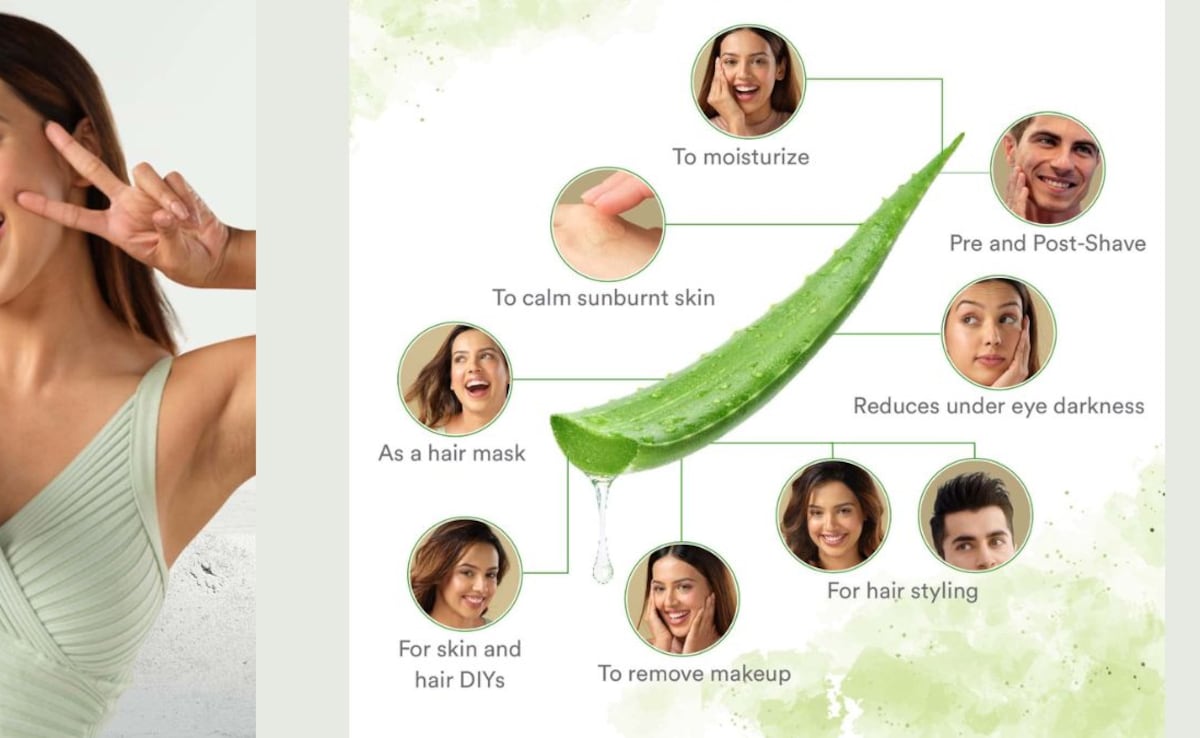
Skincare trends might change every season, but a few ingredients just don't really vanish from beauty routines. Aloe vera is one of them, always there kind of quietly. From homemade face packs to the latest skincare gels, this soothing plant stays a favourite among people who want natural, light hydration. The cooling texture and that refreshing sensation make it extra popular when the weather is hot and humid, too.

Learn the benefits, side effects, and correct way to use aloe vera daily for health.
Photo Credit: Amazon
At the same time, a lot of people ask if aloe vera is really enough to swap out for a daily moisturiser Can aloe vera truly hydrate dry skin effectively? Would it work on oily skin without leading to breakouts and bumps? Also, is it friendly for sensitive skin types, or does it end up being too much? The real answer depends on how your skin reacts and what kind of moisture it actually needs, because hydration isn't always the same for everyone.
Why Aloe Vera Is Widely Used In Skincare
Aloe vera has been part of skincare traditions for generations because of its naturally soothing and hydrating properties that people swear by. The clear gel found inside the leaves contains water, vitamins, antioxidants, and some skin-friendly compounds that help the skin feel calm and rehydrated fast.
The lightweight texture is a significant reason for its continued popularity. Unlike thick creams that can sometimes feel heavy on the skin, aloe vera soaks in quickly and leaves a cooling sensation. That is why a lot of people like it, especially those who prefer an understated routine or just do not enjoy greasy moisturisers.
1. Lightweight Texture
One of the biggest reasons people seem to enjoy aloe vera is its breathable texture. It feels fresh on the skin, and it does not leave behind that oily layer, so it stays comfortable for day-to-day use.
2. Cooling Sensation
Aloe vera naturally gives the skin a cooling and calming feel. This is why many people reach for it after spending time outdoors or during scorching weather.
Can Aloe Vera Be Used As A Daily Moisturiser?
Yes, aloe vera can be used as a daily moisturiser, especially if you prefer a lighter kind of hydration. It helps the skin keep moisture in place, yet it doesn't usually leave it oily or kind of sticky. Many people put aloe vera gel on both in the morning and at night because it feels fresh, and overall it's pretty comfortable on the skin.
However, aloe vera won't work exactly the same for everyone, and that's the tricky part. If you've got oily or even combination skin, you might find it's enough just by itself, since your skin naturally makes more sebum. But if your skin is very dry, you might notice that aloe vera alone just doesn't give that kind of deep nourishment you need.
1. Suitable For Oily Skin
People with oily skin often enjoy aloe vera because it hydrates without making the face look greasy. It absorbs quickly and feels light even in humid weather, making it a suitable option.
2. Helpful For Combination Skin
Combination skin tends to do better with aloe vera because it moisturises the drier zones in a mild way, without really overwhelming the oilier parts of the face.
3. May Not Be Enough For Dry Skin
Very dry skin usually needs richer creams too, along with aloe vera, because the aloe vera helps with hydration but it might not really seal that moisture in for long hours by itself.
Also Read: World Environment Day 2026: Top 10 Organic Skincare Products You Can Grab At Affordable Prices
What Makes Aloe Vera Different From Regular Moisturisers?
Traditional moisturisers are usually made with oils and emollients that create a protective layer on the skin. Aloe vera, though, is mostly water-based, so it feels way lighter once you apply it, and it can almost feel like less weight on the surface.
That's the main reason some people go for aloe vera in the summer, or even for daytime routines. You still get hydration, but you avoid that thick and heavy feel that certain creams can leave.
1. Water-Based Hydration
Aloe vera mostly hydrates the skin with its water-rich formula. It gives an instantly refreshed sensation once you apply it, and it just feels calm.
2. Fast Absorption
Unlike heavy creams that may take time to settle into the skin, aloe vera absorbs quickly and layers well under sunscreen or makeup.
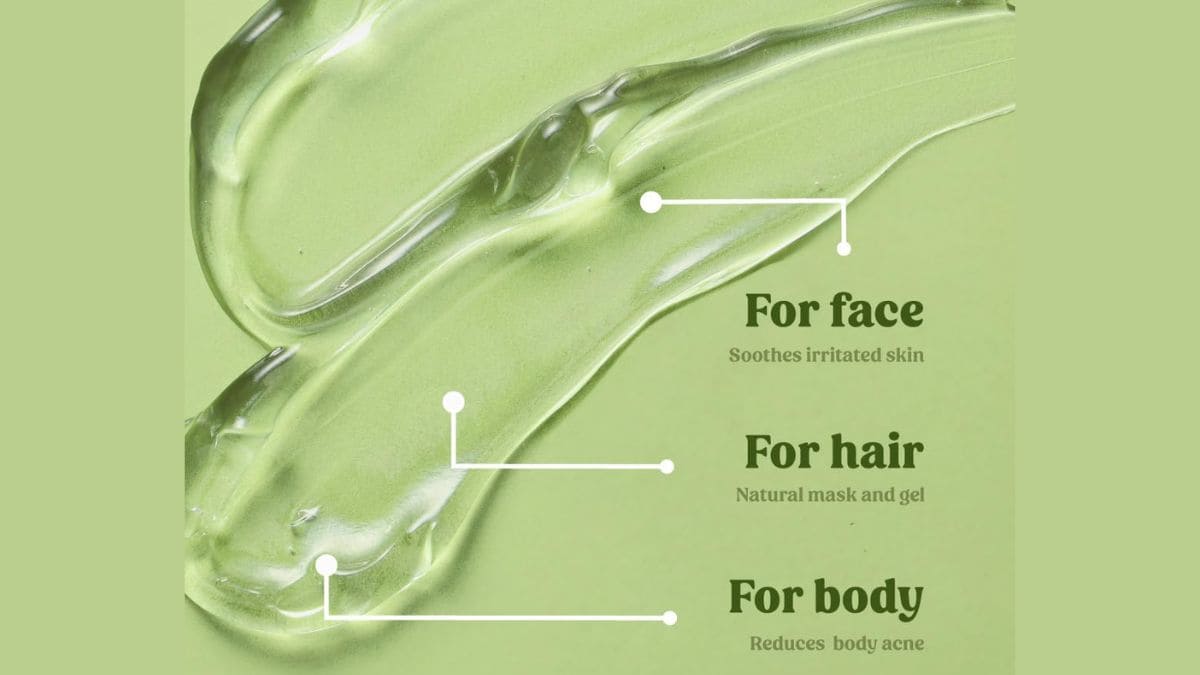
Understand the daily application methods of aloe vera for achieving a healthy and glowing complexion.
Photo Credit: Amazon
Can Aloe Vera Help During Summer?
Aloe vera becomes extra popular in the summer, mostly because it has a cooling effect. When it's hot and humid, heavy, thick moisturisers can feel uncomfortable, but aloe vera feels lighter and more refreshing.
Many people put aloe vera on the skin after sun exposure too, because it can temporarily soothe skin that feels overheated or mildly irritated.
1. Comfortable In Humid Weather
Aloe vera feels breathable on the skin while it's hot and sticky outside; like on those sweaty, humid days, it just sits well, so it ends up being a preferred choice for summer skincare routines.
2. Refreshing After Sun Exposure
Skin that gets exposed to heat and sunlight often feels calmer after you apply aloe vera due to its soothing texture.
3. Benefits Of Using Aloe Vera Daily
Daily use of aloe vera can keep the skin feeling hydrated, fresh, and comfortable, making it a popular choice. Many people love it because it fits simple skincare habits, with less heavy stuff layered on. It's also known to give that calm, easy feeling without making things too complicated.
Its lightweight nature makes it easy to pair with other skincare products without making the skin feel overloaded. Somehow it just blends in and doesn't feel too heavy.
4. Works Well Under Makeup
Aloe vera soaks in pretty quickly into the skin, so makeup can sit more smoothly on top without too much greasiness.
5. Gives A Fresh Feel
Many people enjoy aloe vera because it instantly makes the skin feel cool and refreshed, especially during warmer months.
Are There Any Side Effects Of Aloe Vera?
Although aloe vera works quite well for many people, it may not really suit every skin type just the same. Some individuals end up noticing redness, itchiness, or even mild irritation after using certain aloe vera products.
That usually comes up when those products include added fragrance, alcohol, or other sharper preservatives, and those can start to trigger sensitivity.
1. Patch Testing Is Important
Before using aloe vera daily, applying a small amount on a patch of skin can help check for irritation or allergic reactions.
2. Choose Fragrance-Free Formulas
Gentle and fragrance-free aloe vera gels are often more suitable for sensitive skin as they reduce the likelihood of irritation and provide a soothing sensation upon contact.
How To Choose The Right Aloe Vera Gel
Not every aloe vera gel available in the market is equally skin-friendly. Some formulas contain unnecessary additives that may not suit all skin types.
Reading ingredient labels carefully can help in choosing a cleaner and more suitable formula.
1. Check The Ingredient List
The best, highest-quality, and most effective products will usually list aloe vera among the first few ingredients, or at least near the top, rather than hiding it further down the list.
2. Avoid Excess Alcohol
Be careful with products that have high alcohol content; they can dry out the skin instead of helping it stay moisturised and relaxed.
How To Use Aloe Vera As A Daily Moisturiser
Step 1: Cleanse Your Skin
Rinse your face using a gentle cleanser to clear away sweat, dust, and extra oil; don't rush it. Then pat the skin dry softly with a towel rather than rubbing too roughly; that way everything stays calm.
Step 2: Apply Aloe Vera Gel
Take a small portion of aloe vera gel, and spread it evenly across your face and down the neck too. Gently rub it into the skin, and then let it absorb completely. Don't rush; give it a bit of time, until it's fully taken in.
Step 3: Layer A Cream If Needed
If your skin feels dry after applying aloe vera, follow up with a moisturiser or facial oil. This helps lock hydration into the skin for longer-lasting comfort.
Step 4: Finish With Sunscreen
During the day, always apply sunscreen after aloe vera. While aloe vera feels calming, it really doesn't defend your skin from UV damage.
Overall, aloe vera can be a refreshing and effective daily moisturiser, especially for those seeking a lightweight, natural solution for hydrated and calm skin. Its soothing and hydrating properties make it suitable for many skin types, but results can vary depending on individual skin needs. While it works wonderfully for oily and sensitive skin, those with very dry skin may need to pair it with richer products for lasting moisture. By understanding your skin type and using pure, high-quality aloe vera, you can make it a beneficial addition to your everyday skincare routine.
Some Aloe Vera Moisturiser Products You May Like
1. WOW Skin Science Aloe Vera Gel
2. Mamaearth Aloe Vera Face Gel
3. Vilvah Aloe Vera Gel
4. WishCare Pure & Natural Aloe Vera Gel
5. Khadi Natural Aloe Vera Gel
6. The Face Shop Jeju Aloe Fresh Soothing Gel
7. PILGRIM Korean 99% Pure Aloe Vera Gel
8. Kapiva Pure Aloe Vera Skin Gel
Frequently Asked Questions (FAQs)
1. Can aloe vera replace moisturiser completely?
Aloe vera can work as a moisturiser for oily as well as combination skin types, but if your skin is really dry, it might still need a more nourishing cream for long-lasting hydration.
2. Is aloe vera beneficial for acne-prone skin?
Yes, aloe vera is usually seen as being good for acne-prone skin since it has a light texture and a calming effect, so it feels pretty gentle. For many people, it's lighter than other options, and it helps with the whole soothing vibe around breakouts.
3. Can I leave aloe vera on my face overnight?
Yes, a lot of people put aloe vera gel on overnight as a light moisturising layer and then leave it. It helps calm your skin, but you really need to pick a product that fits your skin type properly.
4. Does aloe vera make the skin oily?
No, aloe vera usually soaks up fast and feels pretty lightweight, which is why it's so often used on oily skin.
5. How often can aloe vera be used on the face?
Aloe vera can be used once or twice daily, depending on your skin's needs and tolerance.
(Disclaimer: This article may include references to or features of products and services made available through affiliate marketing campaigns. NDTV Convergence Limited (“NDTV”) strives to maintain editorial independence while participating in such campaigns. NDTV does not assume responsibility for the performance or claims of any featured products or services.)