Can We Use Alum As Deodorant? Here Is Everything You Need To Know
Wondering if alum can work as a natural deodorant? Learn what alum is, how it works on body odour, its benefits, safety tips, and how to use it effectively.
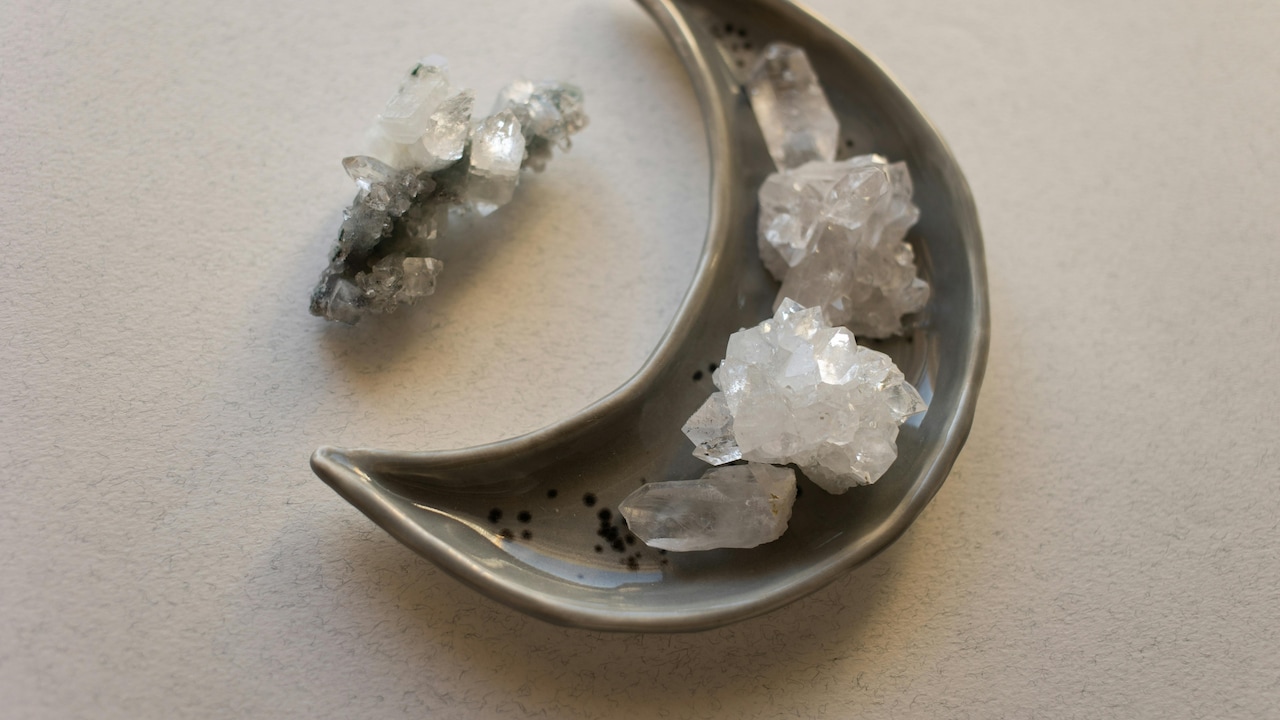
Alum controls odour naturally without blocking sweat.
If you grew up in India or one of the surrounding South Asian countries, chances are you've seen a block of translucent crystal tucked away somewhere in your grandparents' bathroom cabinet. This ice-like mineral is called alum and has long been a household staple, used for everything from purifying water to healing tiny nicks after shaving. But over the last few years, conversation around alum has made a comeback. As concerns grow around harsh chemicals in conventional deodorants, many people are considering the use of natural elements like alum as a deodorant. But is it really effective?

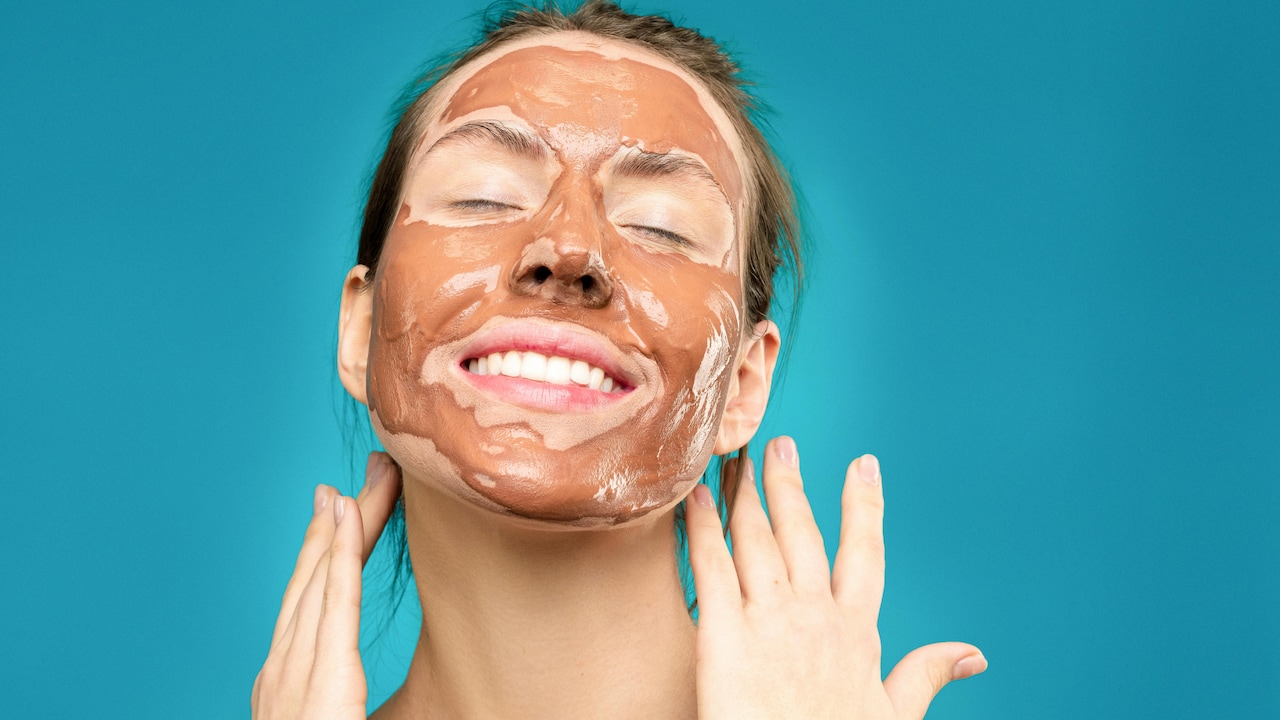
Alum is an affordable, long‑lasting and eco‑friendly deodorant alternative.
Photo Credit: Pexels
The short answer is yes. But the long answer is far more interesting.
Also Read: Best Vitamin C Serums Under ₹500 That Brighten And Even Skin Tone
Below, we break down what alum actually is, how it works, its traditional and modern uses, and whether it truly deserves a place in your personal‑care routine.
What Is Alum?
In everyday conversation, the term alum refers to potassium alum, a naturally occurring mineral compound scientifically known as potassium aluminium sulphate. It is typically available as a colourless or white crystalline stone.
While it sounds chemical-heavy, alum is actually derived from natural mineral deposits. It dissolves easily in warm water, is odourless, and has a mildly astringent taste and feel. That astringency is the reason it's used so widely in skincare and grooming.
There are different types of alum, such as ammonium alum and sodium alum, but potassium alum is the one traditionally used on the skin, and the one associated with deodorant use.
Alum: An Ancient Household Multi‑Tasker
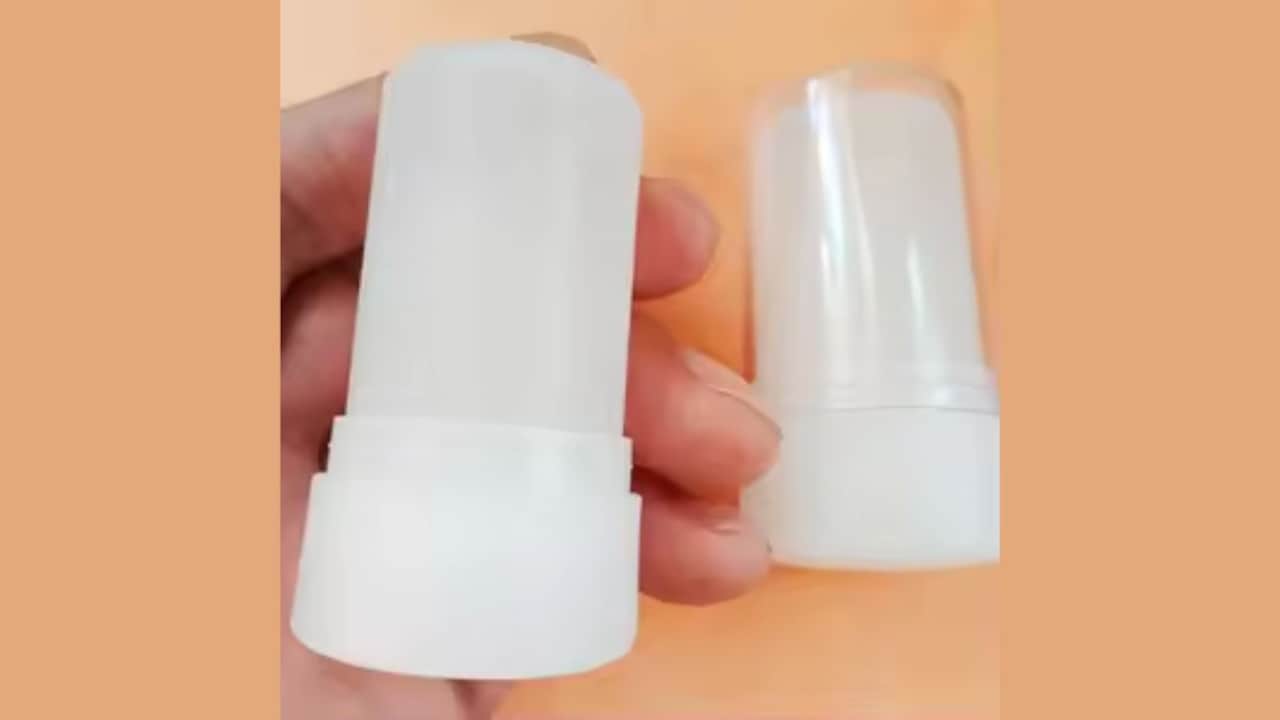
Potassium alum is the safest variant for topical use.
Photo Credit: Pexels
Long before it became a wellness-world curiosity, alum was a hardworking multitasker in Indian households. Traditionally, it has served a surprising number of purposes:
1. Water Purification
Villages and households often used alum to clarify water. By stirring a small piece into muddy or murky water, alum causes impurities to clump together and sink to the bottom. This process, known as flocculation, has been documented for centuries.
2. Aftershave Treatment
Barbers still use alum blocks to soothe skin after shaving. When applied to damp skin, the mineral reduces irritation, closes minor cuts, and leaves behind a clean, tight feeling.
3. Anti‑Acne Remedy
Its antibacterial and astringent properties made alum a popular traditional remedy for acne and oily skin. People rubbed a wet piece of alum lightly over the face to reduce breakouts (though this method requires caution for sensitive skin).
4. Odour Control
Even historically, alum was recognised for its ability to neutralise odours, especially on the body.
With such an impressive resume, it's no surprise that alum is now trending as a natural alternative to commercial deodorants.
How Exactly Does Alum Work As A Deodorant?
Let's clear up a common misconception: sweat itself doesn't smell. Body odour is created when sweat meets the bacteria naturally present on your skin. These bacteria break down sweat into acidic compounds, which produce an unpleasant smell.
Alum helps in two major ways:
1. It Has Antibacterial Properties
Potassium alum creates a thin, invisible layer of salt on the skin. This layer inhibits the growth of odour‑producing bacteria, preventing the biochemical reaction that leads to body odour.
2. It Does Not Block Sweat
Unlike conventional antiperspirants that use aluminium compounds to block sweat glands, alum allows your body to sweat naturally. What it stops is the smell. This makes alum technically a natural deodorant, not an antiperspirant.
For many people, this distinction is important, especially those who want odour protection without altering the body's natural cooling mechanism.
Benefits Of Using Alum As A Deodorant
Switching to alum has a surprising number of advantages, some obvious, others less talked about.
1. Chemical‑Free and Natural
Alum contains a naturally occurring form of aluminium salt that remains too large to be absorbed into the skin's deeper layers. This is why it's still considered a natural product and is often recommended by dermatologists for people seeking "cleaner" alternatives.
2. Odour Protection For Long Hours
Despite being mild and natural, alum provides impressive odour protection, often lasting 8 to 12 hours depending on your lifestyle.
3. Suitable For Sensitive Skin
Because it doesn't rely on fragrance or harsh ingredients, alum is ideal for individuals who experience irritation or allergic reactions to regular deodorants.
4. Long‑Lasting And Affordable
A single block of alum (usually 50 to 100 grams) can last months, making it a cost-effective choice.
5. No Residue or Stains
One of alum's biggest perks is that it does not stain clothes- a relief for anyone who has ruined light-coloured shirts with deodorant marks.
6. Eco‑Friendly
With zero plastic packaging required and a long product life, alum is one of the most sustainable body‑odour solutions available.
How To Use Alum As A Deodorant
Using alum is surprisingly simple, but following the correct method ensures maximum effectiveness.
Step 1: Start with Clean, Damp Skin
Alum works best immediately after a shower. If your skin isn't damp, wet the alum stone under running water.
Step 2: Rub It Gently On The Underarms
Glide the wet alum stone over the underarm area for 10 to 20 seconds on each side. It should leave behind an invisible mineral layer.
Step 3: Let It Dry
Allow your underarms to air‑dry before dressing.
Step 4: Store Properly
Pat the alum stone dry and store it in a cool place. This prevents it from dissolving prematurely.
Who Should Avoid Alum?
Although alum is generally safe, certain groups should use caution:
- People with extremely dry skin, as alum can be mildly drying
- Those with broken or freshly shaved skin, which may sting
- Individuals allergic to aluminium salts (though rare)
Patch testing is always a good idea if you're trying alum for the first time.
Does Alum Lighten Underarms?
There's a popular belief that alum can lighten dark underarms. While its astringency may make skin appear tighter and smoother, there is no scientific evidence that alum works as a skin-lightening agent. Any improvement is likely due to reduced friction, sweat irritation, or bacterial growth, factors that can contribute to discolouration.
Is Alum Safer Than Conventional Deodorants?
This depends on your priorities. Alum does not clog pores, contains no synthetic fragrance, and has fewer additives. Its naturally occurring aluminium salt differs from the aluminium compounds used in antiperspirants.
If your aim is to avoid harsh chemicals and reduce odour naturally, alum is an excellent option. However, if you require heavy-duty sweat control, a conventional antiperspirant might still serve you better.
Should You Try Alum As A Deodorant?
Alum isn't new, it's simply experiencing a modern revival. What makes it appealing today is the combination of affordability, effectiveness, minimalism, and a return to nature-based personal care.
So, can you use alum as deodorant?
Absolutely, and for many people, it works brilliantly.
It won't stop sweating, but it can stop the odour. It won't irritate your skin, and it won't leave a trail of white residue on your favourite T-shirt. And in a world increasingly filled with complex ingredients and complicated routines, there's something refreshing about turning back to a simple mineral crystal that has stood the test of time.
If you enjoy natural alternatives and don't mind a little sweat, as long as you smell fresh, alum might just be your new daily essential.
Some Alum Products You May Like
1. Alum Stone Bar 400g Natural Fitkari Stone
2. Bombay Shaving Company Shaving Alum Bar
3. Unitedlys Store Organic Phitkari Alum Stone
4. RUBAB MEN Natural Alum Stick
5. Natural Alum Stone Phitkari
6. Pearl Shaving Alum Bar With Travel Case
7. Lazybee Natural Alum Bar (Fitkari) With Travel Case
8. Shaving Alum Bar Fitkari Round Flat
Frequently Asked Questions (FAQs)
1. Is alum safe to use as a deodorant?
Yes, potassium alum is generally considered safe for topical use. It forms a protective layer on the skin that inhibits bacterial growth, which helps reduce odour naturally.
2. Will alum stop me from sweating?
No. Alum is a deodorant, not an antiperspirant. It does not block sweat glands; it only prevents bacteria from breaking down sweat into odour.
3. Can alum lighten dark underarms?
There is no scientific evidence that alum directly lightens skin. However, its antibacterial and astringent action may improve overall underarm texture.
4. How long does alum deodorant last?
Most users find that alum keeps odour at bay for 8 to 12 hours, depending on activity level and body chemistry.
5. Can alum irritate the skin?
While suitable for most skin types, alum may cause mild dryness or stinging, especially on freshly shaved or broken skin. Patch testing is advised.
(Disclaimer: This article may include references to or features of products and services made available through affiliate marketing campaigns. NDTV Convergence Limited (“NDTV”) strives to maintain editorial independence while participating in such campaigns. NDTV does not assume responsibility for the performance or claims of any featured products or services.)