Clay Mask vs Charcoal Mask: Which Detoxes Pores Better?
Clay or charcoal, which mask truly clears pores better? Discover how each works, who should use them, and how to choose the right detox mask for clearer, healthier skin without falling for skincare hype.

Clay Mask Vs Charcoal Mask: Which One Really Cleans And Detoxes Pores Better?
Walk into any beauty aisle or scroll through late-night skincare reels, and two heroes appear again and again: clay masks and charcoal masks. Both promise deep cleansing, oil control, and that satisfying “fresh face” feeling after a long day battling heat, dust, traffic fumes, and stress. Yet confusion remains. One friend swears by multani mitti passed down through generations, while another refuses anything except sleek black charcoal formulas that look dramatic enough for selfies.
The fascination with detoxifying masks makes sense. Urban living exposes skin to pollution, humidity, sweat, and sunscreen layers that quietly clog pores. Regular face washes often fail to clean deeply enough, leaving behind dullness and unexpected breakouts before festivals or important meetings. Masks step in as the weekly reset button.
Still, clay and charcoal function differently despite similar claims. Understanding those differences helps avoid wasted money, unnecessary dryness, or disappointment after yet another trending purchase costing ₹700–₹1,500.
This article explores the science, myths, textures, benefits, and real-life experiences behind both masks. By the end, choosing between clay and charcoal should feel less like guesswork and more like smart skincare.

Clay Mask vs Charcoal Mask: Which Detoxes Pores Better?
Photo Credit: Pexels
Breaking Down The Truth About Detox Masks
Understanding What “Detoxing Pores” Actually Means
The word “detox” sounds dramatic, almost medical, yet skin does not store toxins in the way marketing suggests. Skin already performs cleansing through natural renewal cycles. What masks truly do is absorb excess oil, remove surface impurities, and loosen debris trapped inside pores.
Think of pores like tiny kitchen drains. Over time, oil, dead skin, makeup residue, and pollution collect. When the buildup thickens, blackheads appear, and the texture turns uneven. Masks act like deep-cleaning agents rather than miracle cures.
Clay works mainly through absorption. Its mineral structure attracts oil and moisture, pulling impurities outward as the mask dries. Charcoal, on the other hand, relies on adsorption, a surface-binding process where particles cling to charcoal's porous structure.
Both methods clean pores, yet the intensity differs. Overuse can strip natural oils, leading skin to produce even more sebum. That explains why some people experience sudden oiliness after aggressive masking routines.
Understanding detox as “deep cleansing support” rather than purification changes expectations. Skin improves gradually through balance, not dramatic overnight transformations promised on glossy packaging.
The Ancient Roots Of Clay Masks
Clay masks carry a history older than modern skincare brands. Variations of mineral clay have appeared in traditional beauty rituals for centuries, often mixed at home using simple ingredients from kitchen shelves.
Multani mitti, kaolin, and bentonite clay remain popular because they naturally absorb oil while cooling the skin. On humid afternoons, a clay mask feels like pressing pause on sticky discomfort. The tightening sensation signals moisture evaporation, which helps draw excess sebum outward.
Clay contains minerals such as silica, magnesium, and calcium. These minerals gently cleanse without aggressively disturbing the skin barrier. For oily or combination skin, this balance makes clay masks dependable weekly companions.
Many households still remember grandparents mixing clay with rose water before weddings or celebrations. The ritual itself adds charm, slow, calming, and far removed from rushed routines.
Yet clay is not universally gentle. Bentonite varieties, especially, can feel intense and may leave skin overly dry if left too long. Timing matters more than brand price. Even a ₹80 clay pack can outperform expensive options when used correctly.
Clay's enduring popularity proves that sometimes older skincare wisdom survives trends for good reason.
The Rise Of Charcoal Masks In Modern Skincare
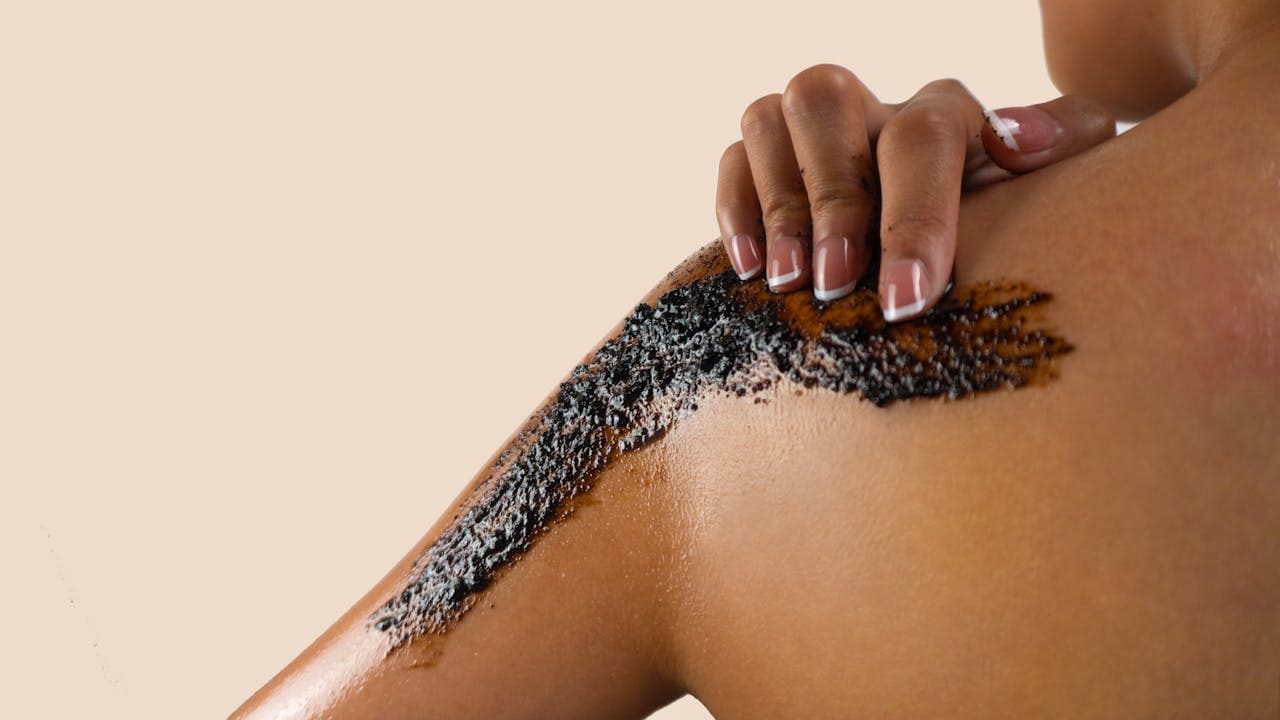
Charcoal masks entered mainstream beauty conversations much later, fuelled by striking visuals and social media fascination. Jet-black formulas promised dramatic pore cleansing and instant clarity, quickly becoming skincare statements.
Activated charcoal undergoes a heating process that creates millions of microscopic pores. These pores increase surface area, allowing charcoal to bind with oil, dirt, and impurities. The concept sounds scientific and appealing, especially for those battling stubborn blackheads.
Unlike clay's earthy simplicity, charcoal feels modern and high-performance. Peel-off versions gained popularity because watching impurities lift away feels oddly satisfying, even if results sometimes exaggerate reality.
Charcoal suits congested skin exposed to pollution-heavy environments. After long commutes or outdoor exposure, charcoal masks often leave skin feeling exceptionally clean and matte.
However, stronger formulations can irritate sensitive skin. Peel-off varieties, in particular, may pull away fine facial hair or disrupt the skin barrier when used frequently. Dermatologists often recommend wash-off charcoal masks instead for safer results.
Charcoal represents innovation in skincare chemistry, yet effectiveness depends heavily on formulation quality rather than colour alone.
How Clay Masks Work On Different Skin Types
Clay masks behave differently depending on skin type, which explains mixed reviews among users. Oily skin often responds best because clay absorbs excess sebum without requiring harsh exfoliation.
For combination skin, targeted application works better than full-face masking. Applying clay only on the T-zone prevents cheeks from becoming dry or tight. This technique, sometimes called multi-masking, saves both product and comfort.
Dry skin can still benefit from gentler clays like kaolin when mixed with hydrating ingredients such as aloe or honey. The key lies in preventing complete drying. Removing the mask while slightly damp maintains moisture balance.
Sensitive skin requires patience. Shorter application times and soothing follow-up moisturisers reduce irritation risk. Clay itself is not aggressive, but dehydration can trigger redness.
Seasonal changes also matter. During monsoon humidity, clay masks control shine effectively. In cooler months, frequency should decrease to avoid flakiness.
The versatility of clay explains why it remains a staple across age groups. Adjusting usage rather than abandoning the product often solves most complaints.
How Charcoal Masks Target Deep Congestion
Charcoal masks excel when pores feel visibly clogged. Their adsorption ability helps bind impurities sitting deeper within pores compared to lighter cleansing products.
People experiencing frequent blackheads around the nose or chin often notice immediate smoothness after charcoal use. The skin appears clearer because surface debris loosens and washes away more easily.
Charcoal formulas frequently include additional ingredients like salicylic acid or tea tree oil, enhancing acne-fighting properties. This combination benefits those dealing with breakouts caused by sweat and environmental exposure.
However, charcoal does not selectively remove only dirt. It can also absorb beneficial oils necessary for barrier protection. Overuse leads to tightness or rebound oil production.
The sensation of extreme cleanliness sometimes tricks users into excessive application. Weekly or bi-weekly use usually proves sufficient for most skin types.
Charcoal works best as an occasional deep-clean treatment rather than an everyday solution. When used thoughtfully, it provides a satisfying reset for congested skin without overwhelming it.
Texture, Experience, And The Psychology Of Skincare
Skincare effectiveness extends beyond chemistry. Texture, smell, and ritual strongly influence how products feel emotionally. Clay masks evoke calm spa-like moments, often accompanied by cooling sensations and earthy fragrances.
Charcoal masks deliver drama. The transformation from pale skin to glossy black creates a playful experience, encouraging selfies and shared routines with friends before celebrations or sleepovers.
These sensory differences affect consistency. People tend to use products they enjoy, regardless of minor performance differences. A relaxing clay mask during a quiet Sunday afternoon may encourage better skincare habits than a powerful product used reluctantly.
Cultural routines also play a role. Weekend self-care traditions often include hair oiling, face masks, and long showers, turning skincare into emotional maintenance rather than obligation.
Choosing between clay and charcoal sometimes depends less on pore science and more on lifestyle compatibility. A mask that fits comfortably into routine ultimately delivers better long-term results than one used rarely despite stronger claims.
Skincare success often begins with enjoyment.
Ingredient Safety And Common Mistakes
Many masking disappointments arise from simple mistakes rather than product failure. Leaving masks on until fully cracked remains one of the most common errors, especially with clay. Over-drying weakens the skin barrier and increases sensitivity.
Charcoal peel-off masks create another issue. Pulling them off aggressively may cause micro-tears, especially around delicate areas like cheeks. Gentle removal prevents irritation.
Ingredient combinations matter as well. Using strong exfoliating acids immediately before masking can overwhelm skin, leading to redness or burning sensations.
Budget does not determine safety. Expensive packaging does not guarantee gentler formulas, while affordable pharmacy options often contain balanced ingredients.
Patch testing deserves more attention. Trying a new mask before festivals or weddings without testing can lead to unwanted surprises lasting days.
Hydration afterwards remains essential regardless of mask choice. Applying moisturiser locks in balance and prevents rebound oiliness.
Smart usage transforms masks from occasional experiments into reliable skincare tools that genuinely support healthier-looking skin.
Climate, Pollution, And Lifestyle Factors
Environmental conditions significantly influence mask performance. Heat, humidity, and dust exposure increase oil production and clogged pores, making deep-cleansing masks particularly appealing.
Daily commutes through traffic or long hours outdoors expose skin to particulate matter that settles invisibly on the surface. Regular cleansing removes only part of this buildup, which explains why weekly masking feels refreshing.
During festive seasons, heavy makeup combined with late nights often leads to sudden breakouts. Clay masks help calm oiliness, while charcoal masks address congestion caused by layered products.
Air-conditioned environments create another challenge by dehydrating skin, sometimes causing unexpected oiliness as compensation. Alternating between hydrating care and detox masks maintains balance.
Lifestyle habits also influence results. Adequate hydration, balanced meals, and sleep contribute more to pore health than any single product costing ₹1,200.
Masks support skincare but cannot replace foundational habits. Viewing them as maintenance rather than miracle solutions leads to more realistic expectations and better outcomes.
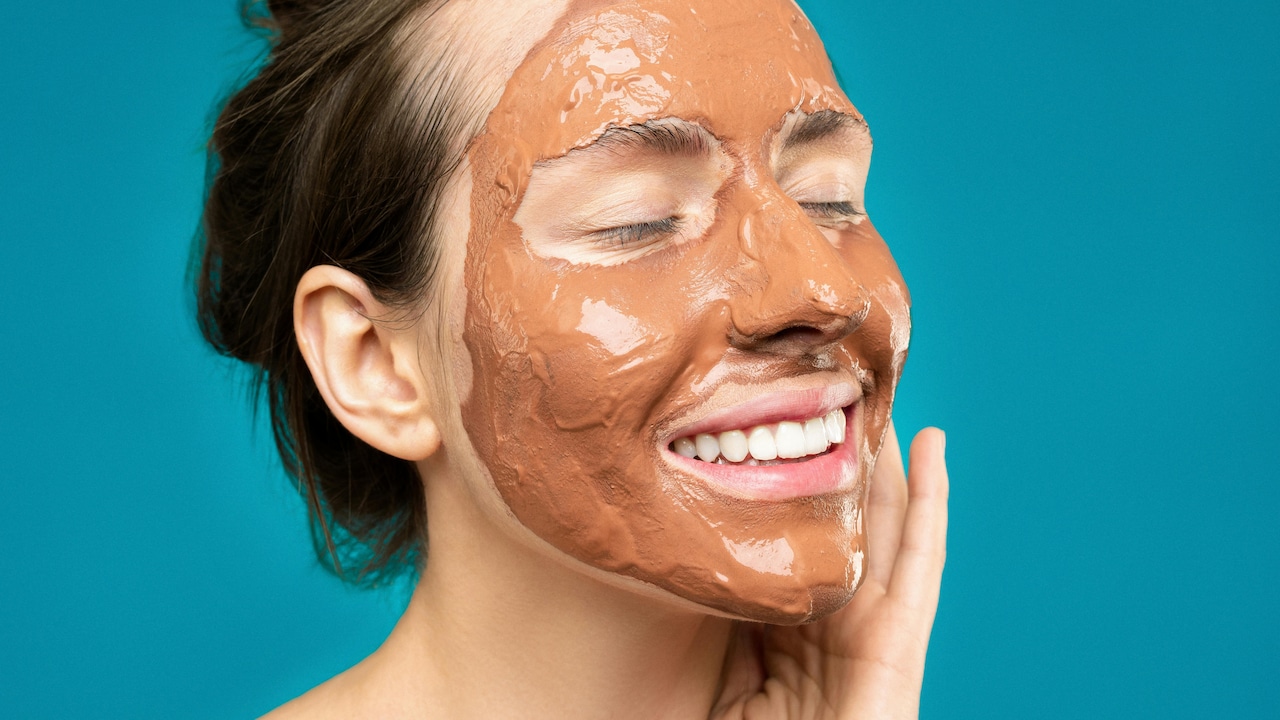
Clay Mask vs Charcoal Mask: Which Detoxes Pores Better?
Photo Credit: Pexels
Cost Vs Effectiveness: Are Expensive Masks Worth It?
Price often shapes perception. Premium masks packaged in glass jars appear luxurious, while simple tubes may feel less impressive despite similar ingredients.
Clay masks frequently offer excellent value. Natural mineral clays cost relatively little, meaning even affordable products perform effectively when formulated well.
Charcoal masks sometimes command higher prices due to branding and added active ingredients. Yet performance depends on concentration and formulation rather than cost alone.
A ₹300 clay mask used consistently may outperform a ₹1,500 charcoal product used occasionally. Consistency remains the true luxury in skincare.
Marketing language often exaggerates detox claims, encouraging frequent purchases rather than informed decisions. Reading ingredient lists reveals surprising similarities between budget and premium options.
Investing wisely means understanding personal skin needs rather than chasing trends. Skincare becomes less stressful when effectiveness replaces hype as the deciding factor.
True value lies in results that feel comfortable, sustainable, and suited to everyday routines.
So, Which Detoxes Pores Better?
The answer rarely satisfies those seeking a clear winner: both masks detox pores effectively, but in different ways.
Clay masks excel at oil control and gentle maintenance. They suit regular use and help prevent congestion before it begins. For oily or combination skin dealing with shine, clay often proves more practical.
Charcoal masks shine when deeper cleansing feels necessary. They work well for occasional pore resets, especially after heavy makeup use or prolonged exposure to pollution.
Rather than choosing one permanently, many skincare enthusiasts alternate based on skin condition. Clay maintains balance, while charcoal tackles buildup when needed.
Skin changes with seasons, stress levels, and routines. Flexibility often delivers better results than strict loyalty to one product type.
The real winner depends on listening to skin signals instead of marketing trends. Healthy pores reflect consistent care, patience, and thoughtful product use rather than dramatic detox promises.
Products Related To This Article
1. Clayco Clayco Rice Sake Mask Vitamin C Brightening Overnight Hydration
2. Vlcc 7x Whitening Brightening Charcoal Peel Off Mask
3. Foxtale Detan Skin Radiance Mask Lactic Acid Brazilian Clay Removes Tan
4. Beardo Charcoal Peel Off Mask Men Face Glowing Skin Detoxing Facial Kit
5. Dot Key Vitamin C Pink Clay Face Mask Glowing Skine Fades Dark
Choosing between them need not feel like a permanent decision. Skin evolves daily, influenced by weather, lifestyle, and stress. Adapting skincare accordingly creates better outcomes than chasing perfection through a single product.
Ultimately, pore care thrives on balance. Gentle cleansing, proper hydration, and mindful masking form the foundation of healthy skin. Whether reaching for earthy clay before a quiet evening or a charcoal mask after a demanding week, the ritual itself becomes part of self-care.
Clearer skin rarely arrives through dramatic transformations. Instead, it appears gradually, one thoughtful routine, one relaxed Sunday, and one well-timed face mask at a time.
(Disclaimer: This article may include references to or features of products and services made available through affiliate marketing campaigns. NDTV Convergence Limited (“NDTV”) strives to maintain editorial independence while participating in such campaigns. NDTV does not assume responsibility for the performance or claims of any featured products or services.)