Common Exfoliation Mistakes to Avoid: How Often to Exfoliate and What's Ruining Your Skin
Exfoliation can transform skin or quietly damage it. From overdoing scrubs to skipping sunscreen, these common mistakes explain how often to exfoliate, what to use, and the habits that slowly ruin skin health. Avoid over-exfoliating your skin by following these simple habits.
Common Exfoliation Mistakes To Avoid: How Often, What To Use, and Habits Ruining Your Skin.
Exfoliation sits at the centre of almost every skincare conversation. Friends recommend it, salons upsell it, and social media glorifies it. A quick scrub or acid swipe seems harmless, even productive. After all, removing dead skin should reveal a glow, right?
That assumption causes trouble.

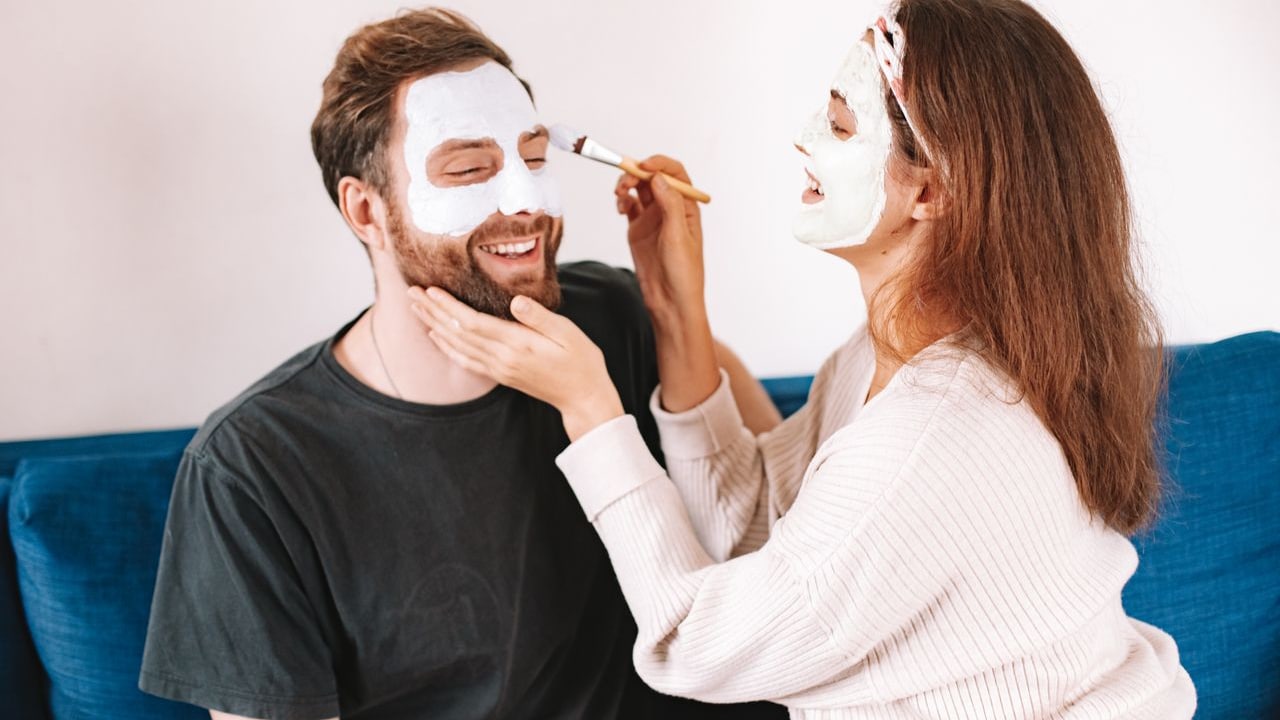
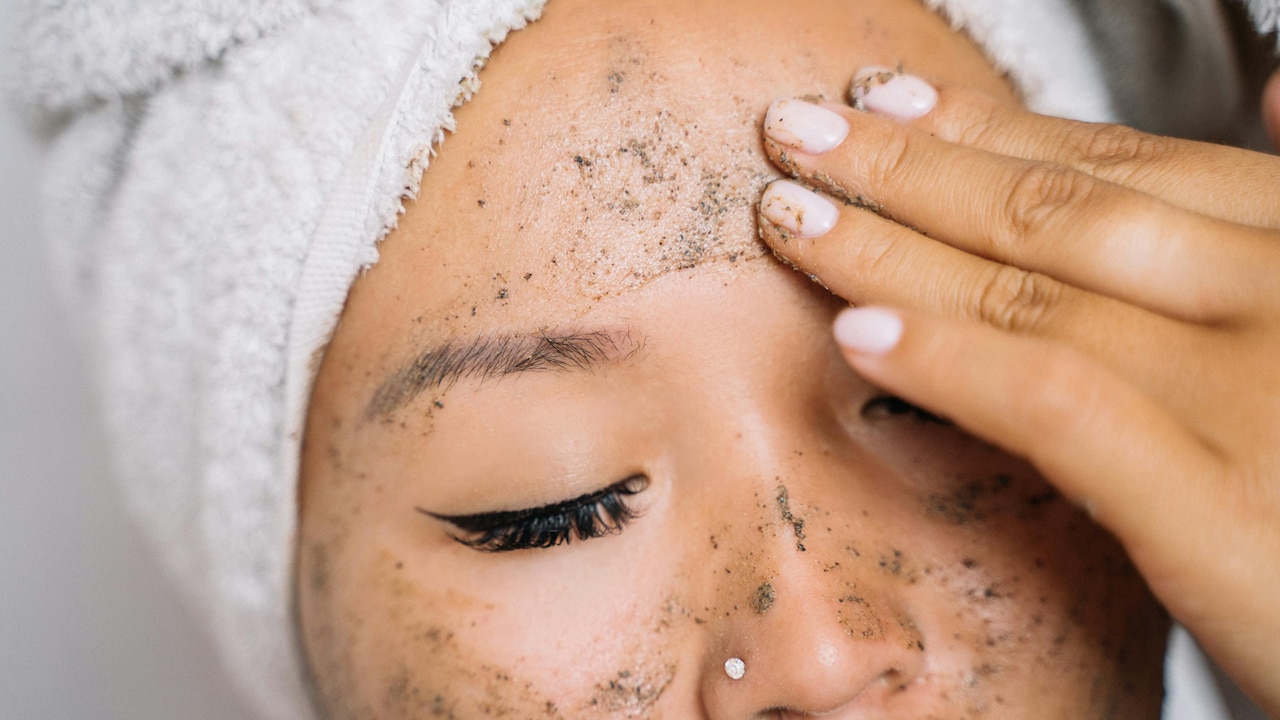
Make skin exfoliation a safe, easy, and effective procedure with these tips; Photo Credit: Pexels
Skin does not behave like a tiled floor that needs weekly scouring. It renews itself, protects against pollution, heat, dust and stress, and reacts strongly to how it gets treated. Exfoliation, when done thoughtfully, improves texture and clarity. When done carelessly, it invites breakouts, pigmentation and sensitivity that refuse to fade.
Many skincare struggles trace back to exfoliation mistakes rather than a lack of products. Too much, too often, or with the wrong formula can quietly damage the skin barrier. Add habits like harsh towels, sun exposure and impatience, and the glow dream collapses.
This article unpacks the most common exfoliation errors, explains why they matter, and shows how small adjustments can save skin, money and time.
Also Read: Best Exfoliating Face Scrubs For Smooth And Supple Skin
The Hidden Exfoliation Errors Dermatologists See Every Day
1. Exfoliating Too Often Because “More Is Better”
One of the biggest skincare myths suggests that frequent exfoliation speeds up results. That belief pushes many people into daily scrubbing or acid use. Skin responds by becoming tight, shiny, irritated or breakout-prone.
Healthy skin already sheds dead cells naturally every 28–40 days. Exfoliation supports this process, not replaces it. Overdoing it strips away protective oils and weakens the barrier. Once compromised, skin struggles to hold moisture and fights inflammation constantly.
Signs of over-exfoliation include stinging during product application, redness that lingers, sudden acne, and makeup sitting poorly. Many mistake these symptoms for “purging” and continue exfoliating, which worsens the damage.
Most skin types benefit from exfoliation one to two times a week. Oily skin may tolerate slightly more, while dry or sensitive skin thrives with less. Listening to skin feedback matters more than following rigid routines.
A gentle approach builds glow gradually. Skin prefers consistency over aggression.
2. Using Harsh Physical Scrubs on Delicate Skin
Walnut shells, apricot kernels and salt scrubs once dominated bathroom shelves. They promised instant smoothness and dramatic results. Unfortunately, they often delivered micro-tears instead.
Physical scrubs with sharp or uneven particles scratch the skin surface. These tiny injuries invite irritation, pigmentation and breakouts, especially in hot and polluted environments. Sensitive, acne-prone and pigmented skin reacts poorly to such friction.
Scrubbing harder does not equal cleaner skin. It only signals distress. That tight, squeaky feeling after washing signals damage, not success.
Gentler options exist. Soft beads, rice-based powders, or enzyme exfoliants polish skin without trauma. Even better, mild chemical exfoliants dissolve dead cells evenly, without mechanical force.
Skin needs respect, not punishment. Choosing smoother textures protects long-term health while still delivering results.
3. Ignoring Skin Type When Choosing Exfoliants
Copying a friend's routine or viral product often ends badly. Skin types differ wildly, and exfoliants amplify those differences.
Oily skin usually tolerates salicylic acid well, as it penetrates pores and controls excess oil. Dry skin responds better to lactic or mandelic acid, which exfoliate gently while supporting hydration. Sensitive skin needs lower strengths, fewer actives and longer gaps between sessions.
Using strong glycolic acid on reactive skin often triggers redness and peeling. Using mild exfoliants on congested skin may feel ineffective, leading to overuse.
Climate also plays a role. Humidity, heat and pollution increase sensitivity and oil production. Products must align with both skin type and environment.
Understanding skin needs saves money and frustration. The right exfoliant feels comfortable during use and leaves skin calm afterwards.
4. Layering Too Many Actives After Exfoliation
Freshly exfoliated skin absorbs products faster. That sounds beneficial, until multiple activities get layered immediately.
Applying vitamin C, retinol, niacinamide and exfoliating acids together overwhelms the skin. This combination often leads to burning sensations, redness and delayed breakouts. Skin spends energy repairing damage instead of improving texture.
Exfoliation already counts as an active step. Pairing it with soothing, hydrating products works best. Ingredients like ceramides, hyaluronic acid and panthenol help rebuild the barrier.
Actives deserve spacing. Using exfoliants on separate days from retinol or strong treatments keeps skin balanced.
Skincare works like teamwork, not competition. Fewer products, used thoughtfully, outperform crowded routines every time.
5. Skipping Sunscreen After Exfoliating
Exfoliation removes dead skin, revealing newer cells underneath. These cells remain more vulnerable to UV damage. Skipping sunscreen after exfoliating almost guarantees pigmentation and premature ageing.
Many people exfoliate at night and forget sun protection the next day. Others assume indoor time reduces risk. UV rays penetrate windows, clouds and even car glass.
Pigmentation worsens faster on exfoliated skin. Marks darken, uneven tone sets in, and the glow disappears.
Daily broad-spectrum sunscreen remains non-negotiable, especially after exfoliation. Lightweight gels suit humid weather and oily skin, while creams support dry skin.
Glow without protection fades quickly. Sunscreen locks in the benefits exfoliation creates.
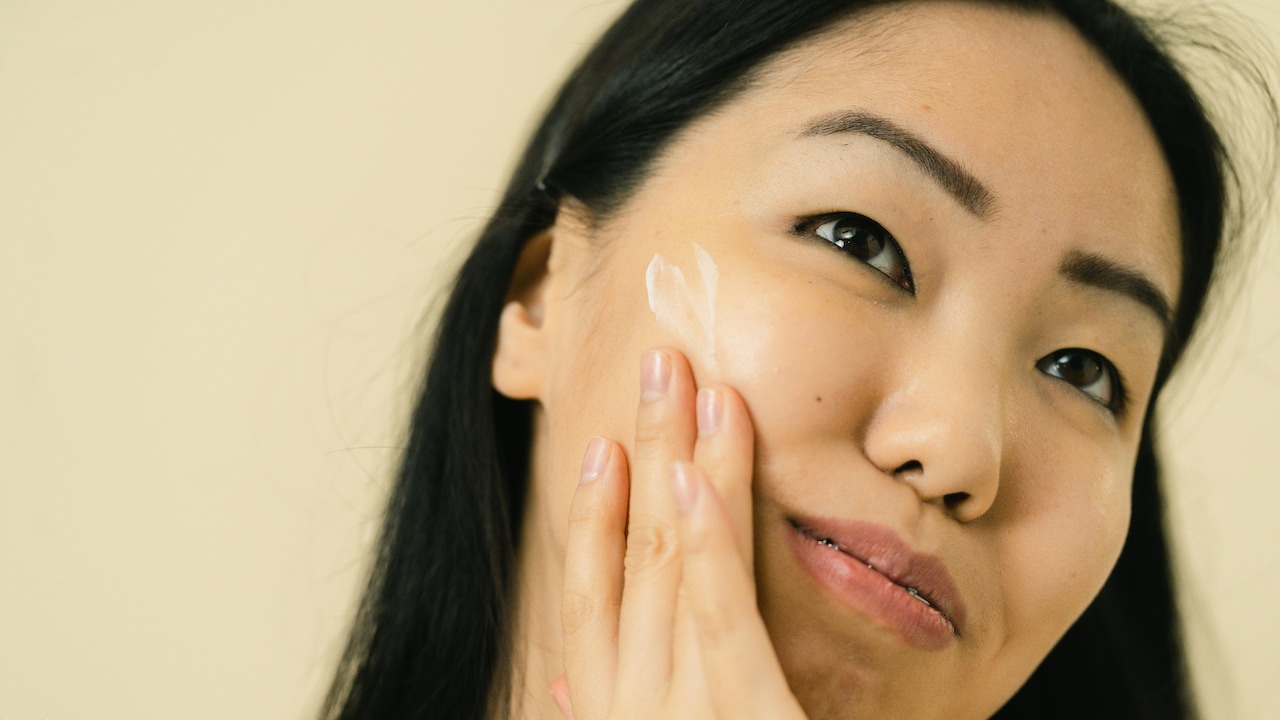
Never skip applying sunscreen after exfoliating your skin; Photo Credit: Pexels
6. Expecting Instant Results and Overcorrecting
Skincare patience runs thin. When results fail to appear in a week, frustration builds. Many respond by increasing frequency or switching products rapidly.
Skin improvements take time. Texture smooths first, followed by brightness, then tone correction. Pigmentation and acne marks need weeks, sometimes months.
Overcorrecting confuses the skin. Constant changes prevent adaptation and healing. Breakouts often follow.
Tracking progress helps. Photos taken every two weeks reveal subtle improvements that mirror misses. Feeling matters too. Calm skin indicates progress, even without a dramatic visual change.
Slow progress lasts longer. Rushed routines create cycles of irritation and recovery that exhaust the skin.
7. Exfoliating on Compromised or Inflamed Skin
Exfoliation should never happen on broken, inflamed or actively irritated skin. Yet many continue despite sunburn, active acne, rashes or recent treatments.
Scrubbing over pimples spreads bacteria and worsens inflammation. Using acids on sunburn intensifies damage and delays healing. Post-waxing or threading skin needs rest, not exfoliation.
Skin sends clear signals when it needs recovery. Tightness, heat, itching and redness indicate stress. Ignoring these signs leads to long-term sensitivity.
During flare-ups, focus on hydration, barrier repair and calming ingredients. Resume exfoliation only when skin feels comfortable again.
Healing first prevents setbacks later.
8. Using Exfoliating Tools Without Care
Brushes, sponges and cleansing devices promise deeper cleansing. Used gently, they help. Used aggressively, they harm.
Daily use of brushes often causes friction damage. Pressing too hard, moving too fast or using them with scrubs multiplies irritation. Tools also harbour bacteria if not cleaned properly.
Manual exfoliation tools suit occasional use, not daily routines. Once or twice a week works for most skin types.
Hands remain the safest tools. Gentle massage with fingertips distributes pressure evenly and avoids over-exfoliation.
Technology supports skincare, but technique matters more.
9. Forgetting the Body Needs Exfoliation Too
While facial exfoliation gets attention, the body often suffers neglect or abuse. Harsh loofahs, dry brushing on irritated skin, or using face acids all over without adjustment cause issues.
Body skin differs in thickness and oil production. Areas like elbows and knees tolerate stronger exfoliation. The chest and back require gentler care to prevent breakouts.
Exfoliating before shaving reduces ingrown hairs. Overdoing it causes bumps and dryness.
Using body-specific exfoliants and moisturising afterwards keeps skin smooth and comfortable. Body care deserves the same thoughtfulness as facial routines.
10. Treating Exfoliation as a Standalone Solution
Exfoliation supports skincare, but it cannot fix everything alone. Many expect it to solve acne, pigmentation and dullness without addressing hydration, cleansing or lifestyle habits.
Poor sleep, dehydration, stress and pollution undo exfoliation benefits quickly. Using harsh cleansers or skipping moisturiser after exfoliating worsens results.
Skincare works holistically. Gentle cleansing, consistent moisturising, sun protection and balanced exfoliation create lasting improvement.
Glow reflects overall care, not one step.
Products Related To This Article
1. ClayCo. Clayco Matcha Enzyme Scrub for dead skin removal Scrub
2. O3+ Volcano Scrub (50 g)
3. Sanfe Instant Tan & Dead Skin Removal Exfoliating Gel Visibly Removes Tan Dirt Scrub
4. The Plant Fix Plix Peaches & Lemon Detan Bump Eraser Scrub, Removes Tan & Restores Skin's Moisture Scrub
5. Joy Skin Fruits Skin firming and Dullness Exfoliating Apricot Scrub
Exfoliation holds power, but only when handled with care. Small mistakes often creep into routines unnoticed, slowly undoing progress. Overuse, harsh products, impatience and neglecting protection turn a helpful step into a damaging one.
Healthy skin responds to balance, consistency and kindness. Choosing the right exfoliant, using it sparingly, and supporting the skin barrier create results that last. Skincare should feel supportive, not stressful. Glow grows quietly when skin feels respected.
(Disclaimer: This article may include references to or features of products and services made available through affiliate marketing campaigns. NDTV Convergence Limited (“NDTV”) strives to maintain editorial independence while participating in such campaigns. NDTV does not assume responsibility for the performance or claims of any featured products or services.)