Why Concealer Creases More When Too Much Eye Cream Is Applied
Too much eye cream can make concealer slip, separate and settle into fine lines. Learn why excess moisture causes creasing and how the right amount helps under-eye makeup stay smooth and fresh.
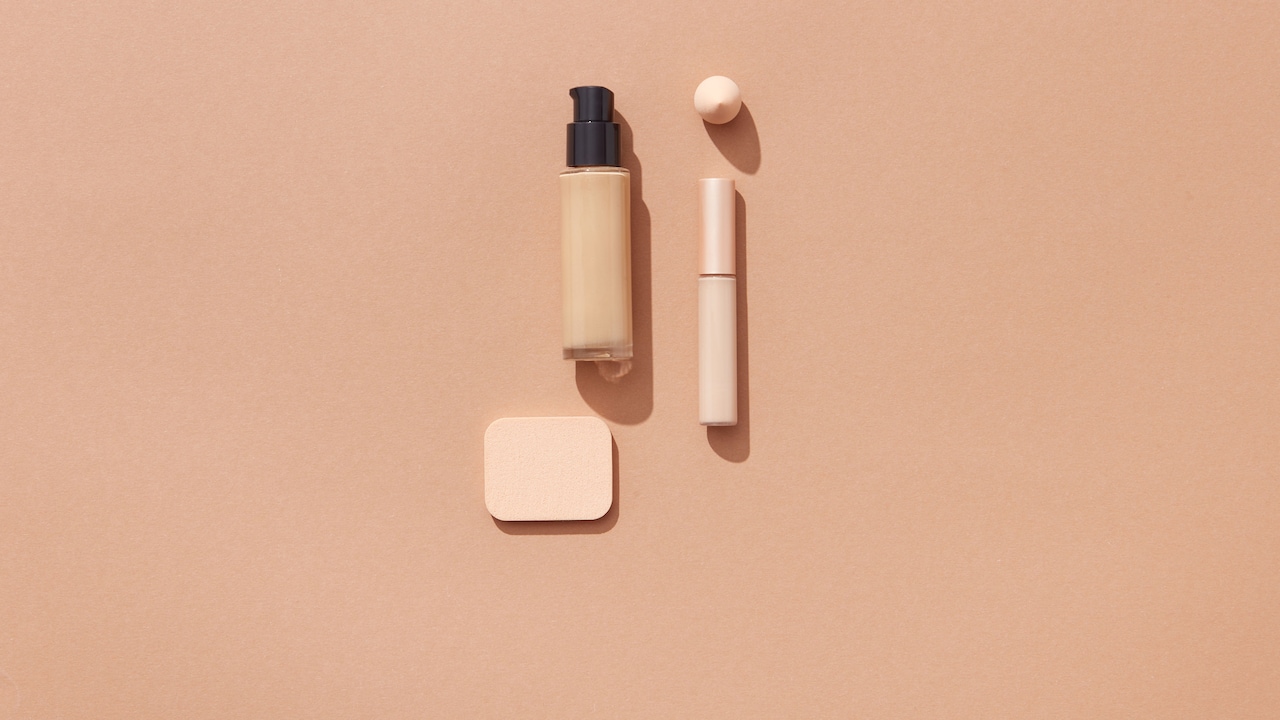
Why Too Much Eye Cream Makes Concealer Crease
A little under-eye creasing is completely normal. Skin moves whenever the eyes blink, smile or squint at a phone screen in bright sunlight. Concealer cannot freeze that movement, nor should it. Trouble begins when the product settles into every tiny line, separates around the corners or turns glossy within an hour. Eye cream often receives generous treatment because the under-eye area feels delicate. A rich layer may seem comforting, especially after a late night, a long wedding function or one too many episodes of a favourite series. However, concealer needs a balanced surface. Too much cream leaves the skin slippery and prevents makeup from gripping evenly.

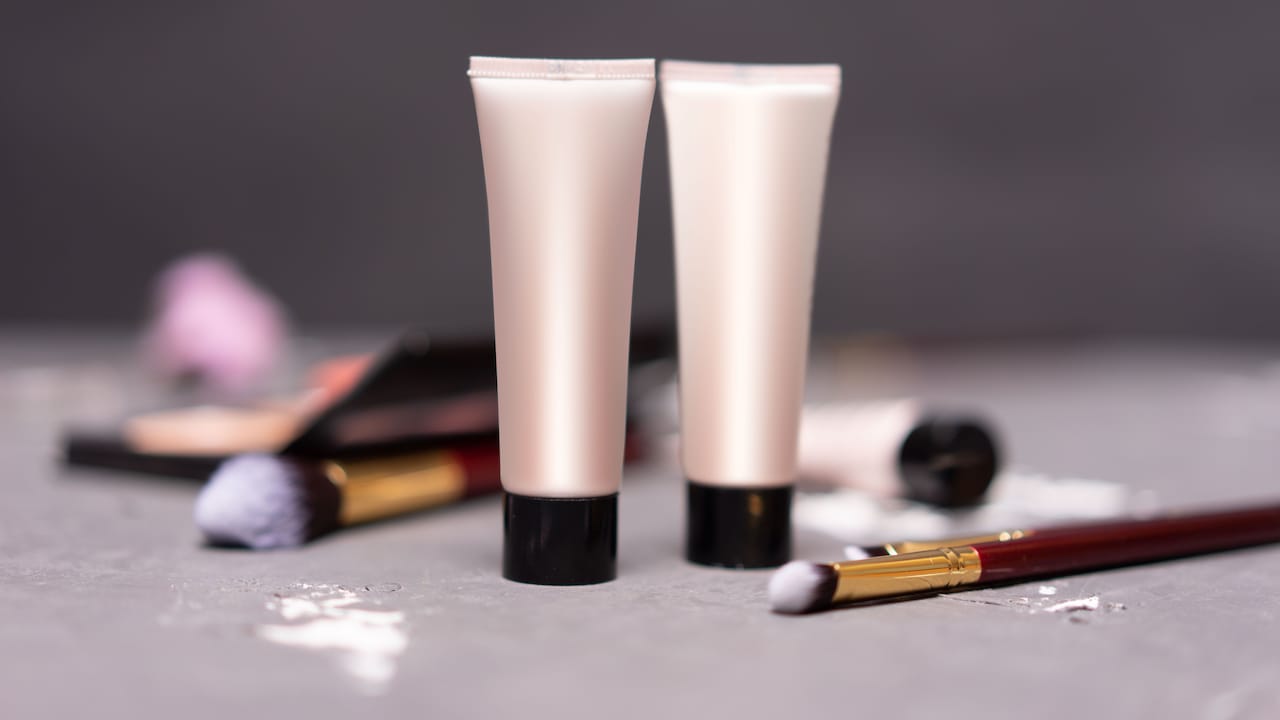
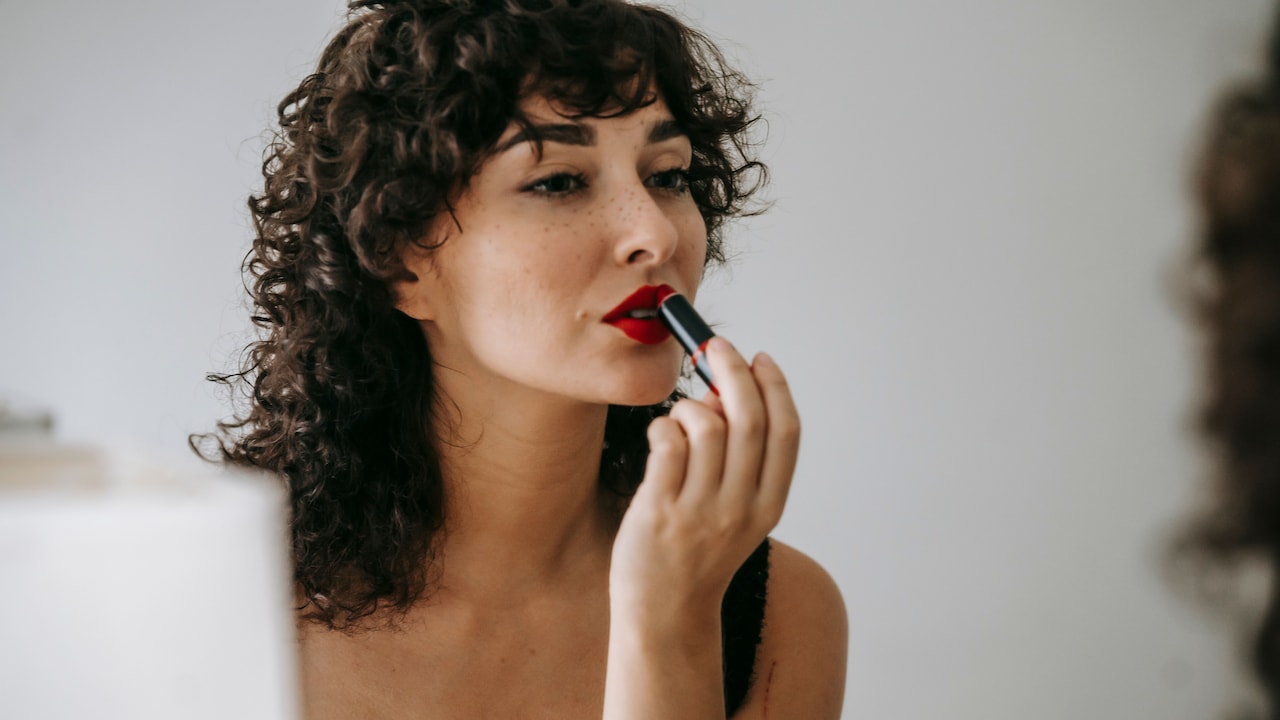
Why Too Much Eye Cream Makes Concealer Crease; Photo Credit: Pexels
The result can resemble cracked paint, melted frosting or a tiny map under the eyes. Thankfully, the solution rarely requires buying an expensive new concealer. Better application, shorter skincare layers and a little patience can transform the finish. Here is why excess eye cream encourages creasing and how to avoid it.
How Excess Eye Cream Disrupts Your Concealer Finish
Excess Moisture Makes Concealer Slide
Concealer performs best on skin that feels hydrated but not wet. A thick layer of eye cream creates a moist surface that behaves almost like a tiny slip-and-slide. Instead of settling into a thin, even film, the concealer moves around each time the face changes expression.
This movement becomes more noticeable around natural folds. Every blink gently pushes the product towards fine lines. Smiling, laughing or narrowing the eyes in strong afternoon sun adds further movement. Within a short time, the concealer gathers into visible ridges.
Humid weather can make the situation worse. A creamy skincare base mixed with sweat, natural oils and heat may cause even a long-wearing concealer to lose its hold. The under-eye area can then appear shiny while the creases look strangely dry.
The answer is not to skip hydration entirely. Dehydrated skin can also make concealer look rough. The goal is balance. A rice-grain-sized amount of eye cream for both eyes is often enough. The skin should feel comfortable and supple, not coated or greasy.
Also Read: 5 High-End Concealers That Can Help Hide Blemishes And Pigmentation
Rich Oils Can Break Down Makeup
Many eye creams contain nourishing oils, butters and emollients. These ingredients help soften dry skin and reduce that uncomfortable tight feeling around the eyes. In small amounts, they can create a beautiful base. In excess, they may begin breaking down the concealer placed above them.
Oil loosens makeup pigments and weakens the structure of products designed to set. This is why cleansing balms and oil-based removers dissolve stubborn cosmetics so effectively. A very rich eye cream can produce a milder version of the same effect throughout the day.
The concealer may first appear smooth, especially under bathroom lighting. After an auto-rickshaw ride, a warm commute or a busy morning, the formula can start separating. Pigment collects in lines while oily patches remain bare.
Creamy concealers tend to struggle most over heavy skincare. Matte formulas may last slightly longer, though they can still split when the base underneath feels too slick.
People with naturally dry skin need not fear oils. Simply use less product and allow it to absorb fully. Gently press away any visible residue with a clean tissue before applying makeup. The under-eye area should feel nourished, not buttery enough to season a paratha.
Layers Fail To Bond Properly
Skincare and makeup work like layers in a carefully built sandwich. Each layer needs enough stability to support the next. When too much eye cream sits on the skin, concealer cannot bond properly with the surface underneath.
Instead of forming one smooth layer, the products remain separate. The cream moves independently, and the concealer floats above it. Any facial movement then causes the top layer to buckle. Creasing becomes almost inevitable because the makeup lacks a firm base.
This problem often appears when several products are used together. Serum, moisturiser, sunscreen, eye cream, primer and concealer may all meet beneath the eyes. Each formula brings its own texture. When applied generously and quickly, they can create a crowded, unstable mixture.
A simpler routine often gives better results. Use lightweight skincare in thin layers. Keep regular moisturiser away from the immediate under-eye area when a separate eye cream is already being applied. Sunscreen remains essential, but it should also settle before makeup begins.
Think of the process as allowing each guest to find a seat before inviting another one into the room. When every layer has space to settle, concealer behaves far more politely.
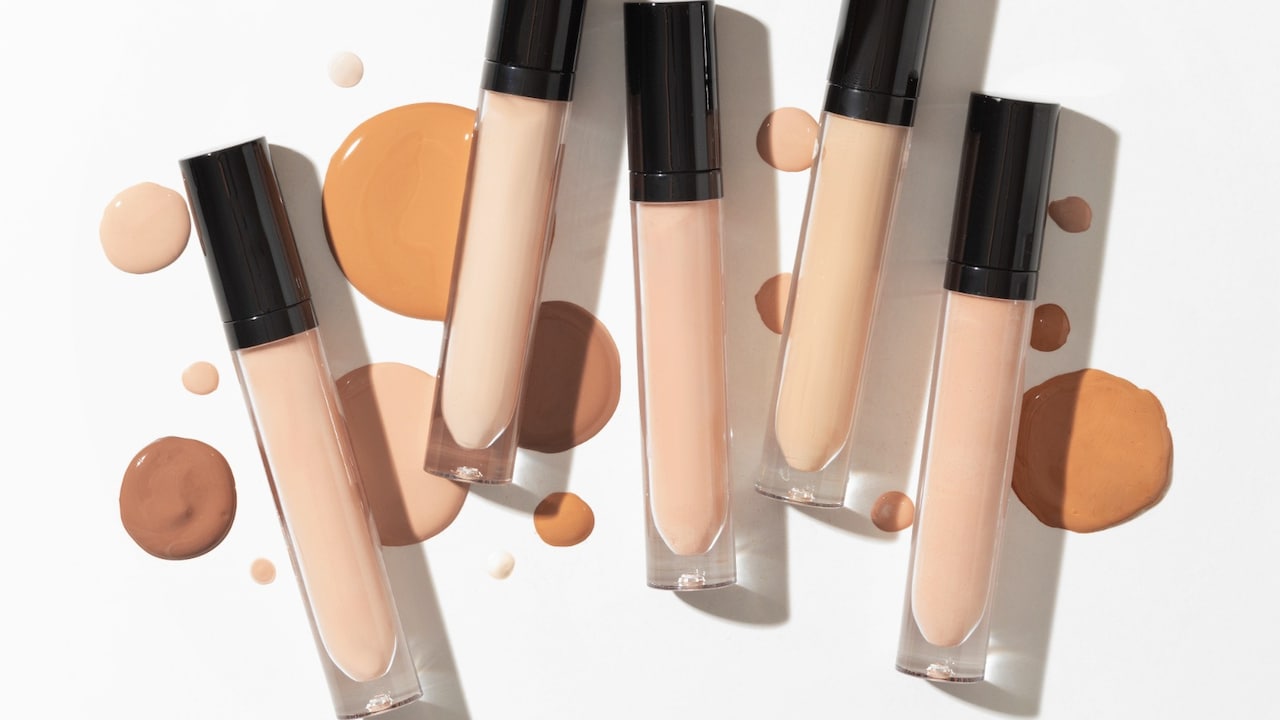
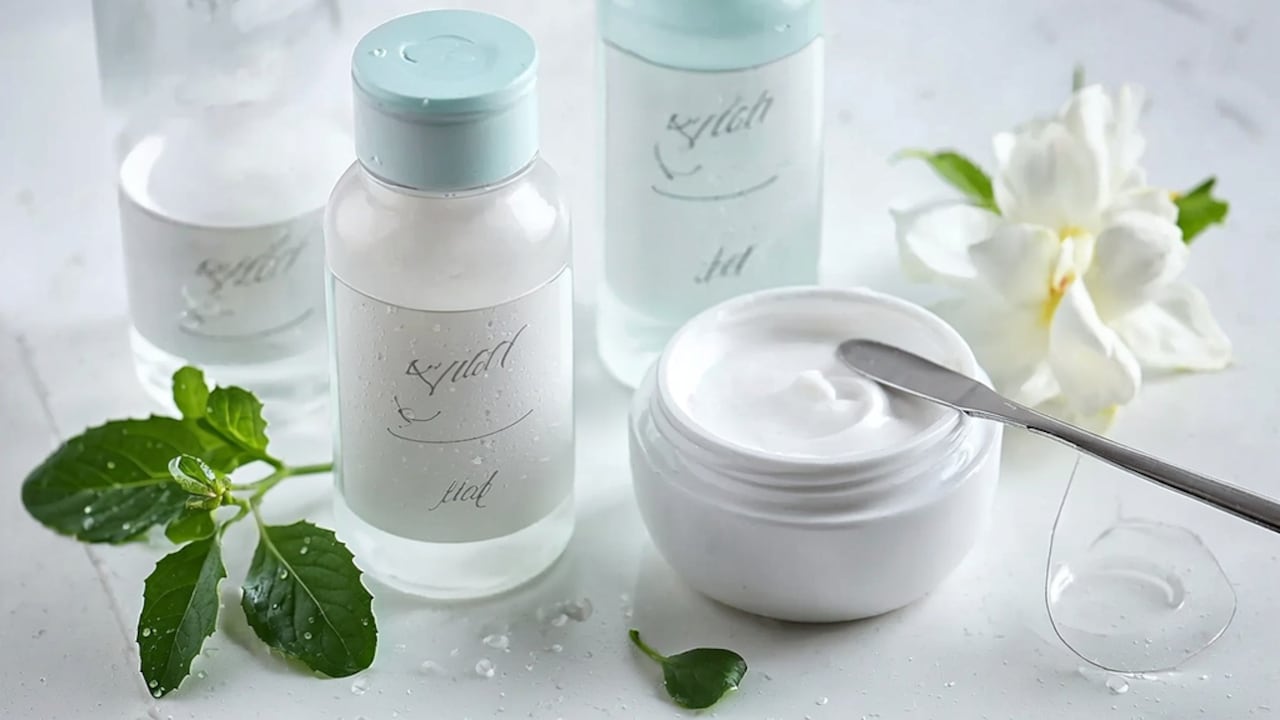
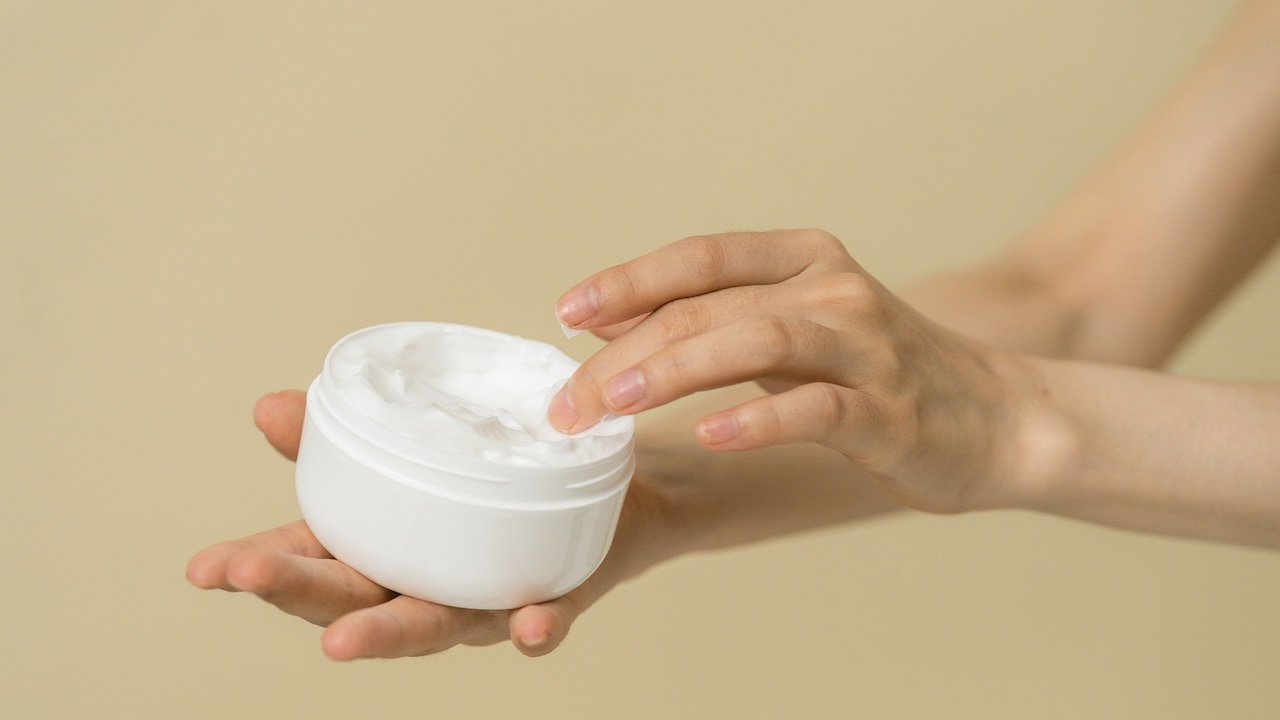
Why Too Much Eye Cream Makes Concealer Crease; Photo Credit: Pexels
Concealer Becomes Diluted
Applying concealer over excess eye cream can dilute its pigment and texture. The formula may become thinner, more transparent and less able to hold its shape. This often encourages people to apply even more concealer, which creates another problem: a thicker layer that creases faster.
The cycle feels familiar. Dark circles remain visible, so another swipe goes on. The extra product looks bright for five minutes, then gathers beneath the lower lashes and inside fine lines. More powder follows, and the under-eye area begins to look heavy.
Concealer usually works better in small, strategic amounts. Place a tiny dot near the inner corner, where shadows often appear deepest, and another near the outer corner if lift is needed. Blend gently towards the centre rather than painting a full semicircle.
A concentrated concealer can provide more coverage with less product. However, even the best formula cannot perform well when mixed unintentionally with a thick layer of skincare.
Let the eye cream sink in first. If the skin still looks wet or glossy, wait longer or remove the excess. Concealer should cover the under-eye area, not swim through it.
Powder Clings Unevenly
Setting powder can help reduce creasing, but too much eye cream makes powder behave unpredictably. Some areas remain damp and attract excess powder, while other areas stay slippery and refuse to hold it. The finish can appear patchy, dry and uneven at the same time.
This contrast often becomes visible in photographs. The under-eye area may look smooth in a mirror but textured under flash or bright daylight. Powder gathers where the concealer has already shifted, making each crease more noticeable.
Applying extra powder rarely solves the issue. Heavy baking may absorb surface oil, yet it can also exaggerate fine lines and make the skin look chalky. This is particularly noticeable during long functions, when smiling, dancing and warm lighting reveal every layer.
A small fluffy brush or a soft powder puff gives more control. Press a light amount of finely milled powder only where creasing usually occurs. Avoid dusting a thick blanket across the entire under-eye area.
Most importantly, fix the skincare base before reaching for powder. Powder should set concealer, not rescue a puddle of eye cream. A stable, lightly moisturised base needs far less product and usually looks fresher for longer.
Waiting Time Gets Skipped
Morning routines often move at the speed of a local train platform. Eye cream goes on, concealer follows immediately, and breakfast waits somewhere in the background. Unfortunately, skincare needs a little time to settle before makeup enters the picture.
Freshly applied eye cream may still be sitting on the surface. Blending concealer straight away mixes the two formulas together. The concealer loses coverage, becomes slippery and starts moving before it has any chance to set.
Waiting even three to five minutes can make a noticeable difference. During that time, hair can be brushed, jewellery selected or a cup of chai rescued before it turns cold. The pause need not feel like an extra task.
People using richer creams may need slightly longer. Check the skin with a clean fingertip. It should feel soft but not sticky. If the finger glides across the area or picks up visible cream, the base is not ready.
A tissue can remove excess product without stripping away all hydration. Press gently rather than rubbing. This simple step creates a smoother canvas and helps concealer grip more evenly, especially on warm days when products already take longer to settle.
Heavy Cream Collects In Fine Lines
Fine lines naturally create tiny spaces where skincare and makeup can gather. A heavy eye cream fills these spaces first. Concealer then settles on top, adding another layer of product inside the same folds.
As the skin moves, both formulas get pushed deeper into the lines. The mixture becomes more visible because it contains moisture, pigment and sometimes powder. What began as a barely noticeable crease can turn into a pale stripe beneath the eye.
Thick creams may feel luxurious, particularly at night. During the day, however, a lighter gel-cream or lotion often sits better under makeup. Richer formulas can remain part of an evening routine, when concealer does not need to compete for space.
Application technique matters too. Avoid rubbing eye cream back and forth. Use the ring finger to tap a very small amount around the orbital bone. Placing product too close to the lash line may increase movement and encourage watery eyes.
Fine lines do not need to disappear for concealer to look good. A natural finish allows some skin texture to remain visible. The aim is to prevent excess product from spotlighting every line like a dramatic television serial close-up.
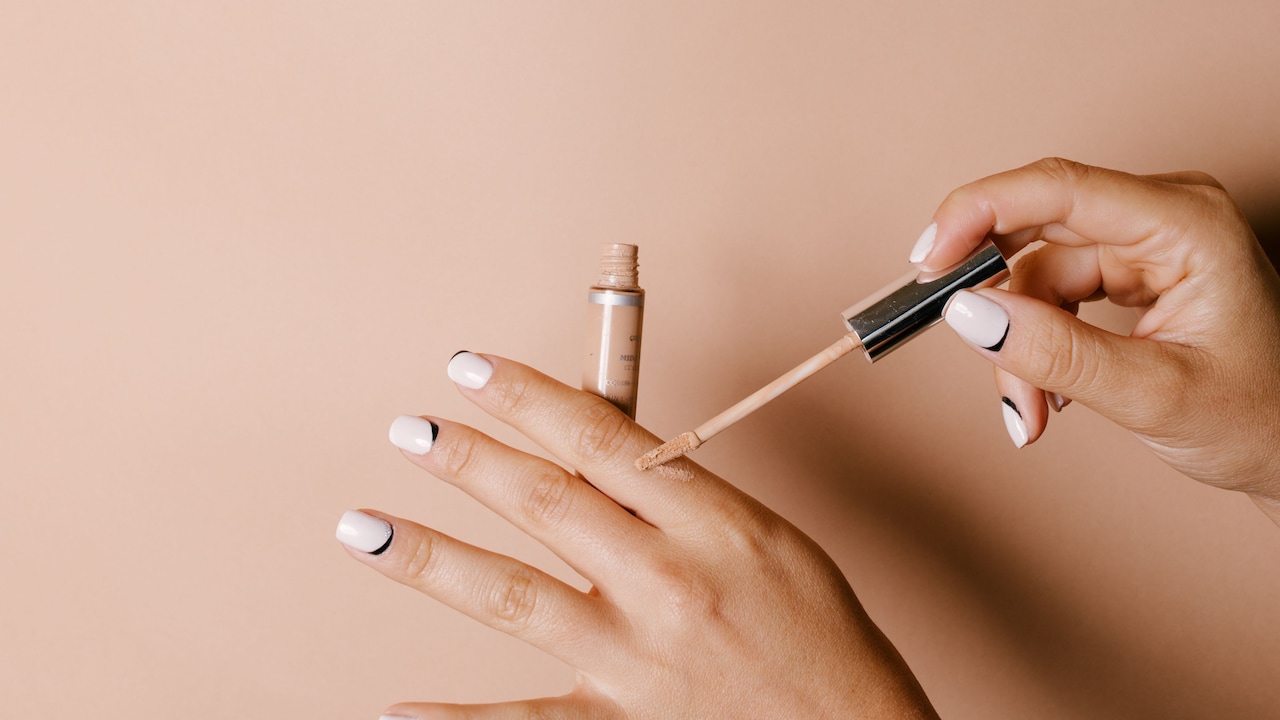
Why Too Much Eye Cream Makes Concealer Crease; Photo Credit: Pexels
Formula Incompatibility Causes Separation
Not every eye cream pairs well with every concealer. Some combinations separate because their bases and textures clash. A very silicone-rich cream may cause a water-based concealer to bead or slide. A thick oil-heavy cream may weaken a quick-setting matte formula.
This does not mean skincare and makeup must contain identical ingredients. However, products should feel compatible when layered. If concealer repeatedly pills, breaks apart or forms tiny rolls, the combination may be the issue rather than the application alone.
Testing products on the back of the hand can offer clues. Apply a thin layer of eye cream, wait a few minutes, then blend concealer over it. If the mixture turns patchy or creates crumbs, the same problem may occur beneath the eyes.
Trying a smaller amount should come first. Many apparent compatibility problems are simply caused by excess product. When that fails, switch either the eye cream or concealer rather than replacing an entire routine.
Lightweight, fast-absorbing eye products usually work well for daytime makeup. Save dense balms for night-time care. The right pairing should feel cooperative, not like two relatives arguing over the last gulab jamun at a family gathering.
More Concealer Creates More Movement
Excess eye cream often reduces coverage, tempting people to compensate with extra concealer. Unfortunately, every additional layer gives the product more weight and movement. Thick makeup cannot flex naturally with delicate under-eye skin, so it folds and creases instead.
A heavy layer may also take longer to set. While it remains creamy, blinking and smiling push it around. Even after powder is applied, the concealed area can feel overloaded. The finish looks obvious rather than bright and rested.
Using less product creates a thinner film that moves more naturally with the skin. Corrector can help when deep pigmentation is the main concern. A tiny amount of peach or orange-toned corrector, chosen according to skin depth, can neutralise darkness before concealer is applied. This reduces the need for several thick layers.
Coverage should stay concentrated where shadows are strongest. The entire under-eye area does not always need the same amount. Blend the edges carefully and leave areas with minimal discolouration almost bare.
Makeup often looks more polished when the skin remains visible. A little darkness can appear far fresher than a thick, creased mask fighting for survival before lunchtime.
The Under-Eye Area Gets Overworked
Repeated blending can worsen creasing when too much eye cream has already made the surface slippery. Brushes, sponges and fingertips keep moving the products around instead of setting them in place. The under-eye skin then becomes warm, and the formulas become even softer.
Overworking also spreads concealer into areas where it is not needed. Product travels towards the lower lashes, outer corners and expression lines. The larger the covered area, the more opportunities it has to crease.
A small, soft brush can place concealer precisely. A fingertip may then press the product into the skin using gentle tapping motions. A damp sponge can remove excess, though vigorous bouncing may lift too much coverage.
Once the concealer looks even, stop blending. Constantly checking and touching the area often creates the very texture being corrected. Allow the formula to sit for a moment, then look upwards and smooth out any visible line before adding a tiny amount of powder.
The best technique feels light and deliberate. Under-eye makeup does not need the enthusiasm of kneading dough. A few controlled taps usually create a smoother finish than several minutes of determined polishing.
Products Related To This Article
1. Maybelline New York Instant Age Rewind Concealer, Caramel
2. INSIGHT Pro Concealer Palette – Shade Concealer
3. L'Oreal Paris Infallible More Than Concealer
4. L.A. Girl HD Pro Conceal Orange Corrector
5. LAKMÉ Makeup+Skincare Full Coverage Natural Finish Liquid
6. FACESCANADA High Cover Concealer - Caramel Crunch 03
7. Maybelline New York Fit Me Spot Rescue Concealer, 60 | Full Coverage
Eye cream is not the enemy of smooth concealer. In fact, the right amount can prevent dryness, soften texture and help makeup look fresh. Problems arise when the under-eye area receives more hydration than it can absorb.
Excess cream makes concealer slide, dilutes its pigment, interferes with setting powder and encourages product to gather in fine lines. Rich oils, rushed layering and incompatible formulas can add to the trouble. Applying more concealer or powder usually makes the finish heavier rather than better.
A small amount of eye cream, a few minutes of waiting time and precise concealer placement can change the entire result. Daytime skincare should feel light, comfortable and fully absorbed before makeup begins. Any leftover shine can be gently pressed away.
Creasing may never disappear completely because real skin moves. That slight movement brings expressions to life and should not become another beauty worry. The goal is not a filtered, frozen under-eye area. It is makeup that looks smooth, natural and confident from the morning commute to the final cup of evening chai.
(Disclaimer: This article may include references to or features of products and services made available through affiliate marketing campaigns. NDTV Convergence Limited (“NDTV”) strives to maintain editorial independence while participating in such campaigns. NDTV does not assume responsibility for the performance or claims of any featured products or services.)