How To Choose A Lipstick Shade That Actually Suits Your Skin Tone
Wondering how to choose the right lipstick shade? Learn how to match lipstick with your skin tone, undertone, and occasion for a naturally flattering look.
How To Choose A Lipstick Shade That Actually Suits Your Skin Tone
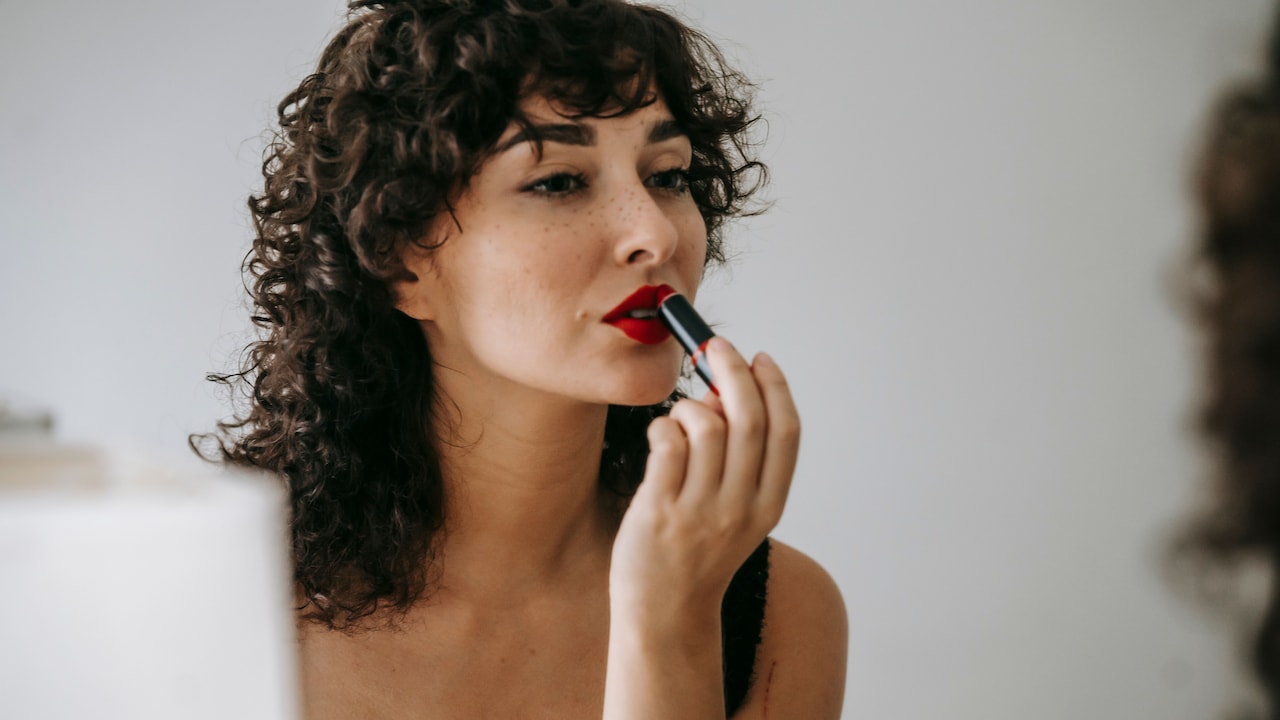
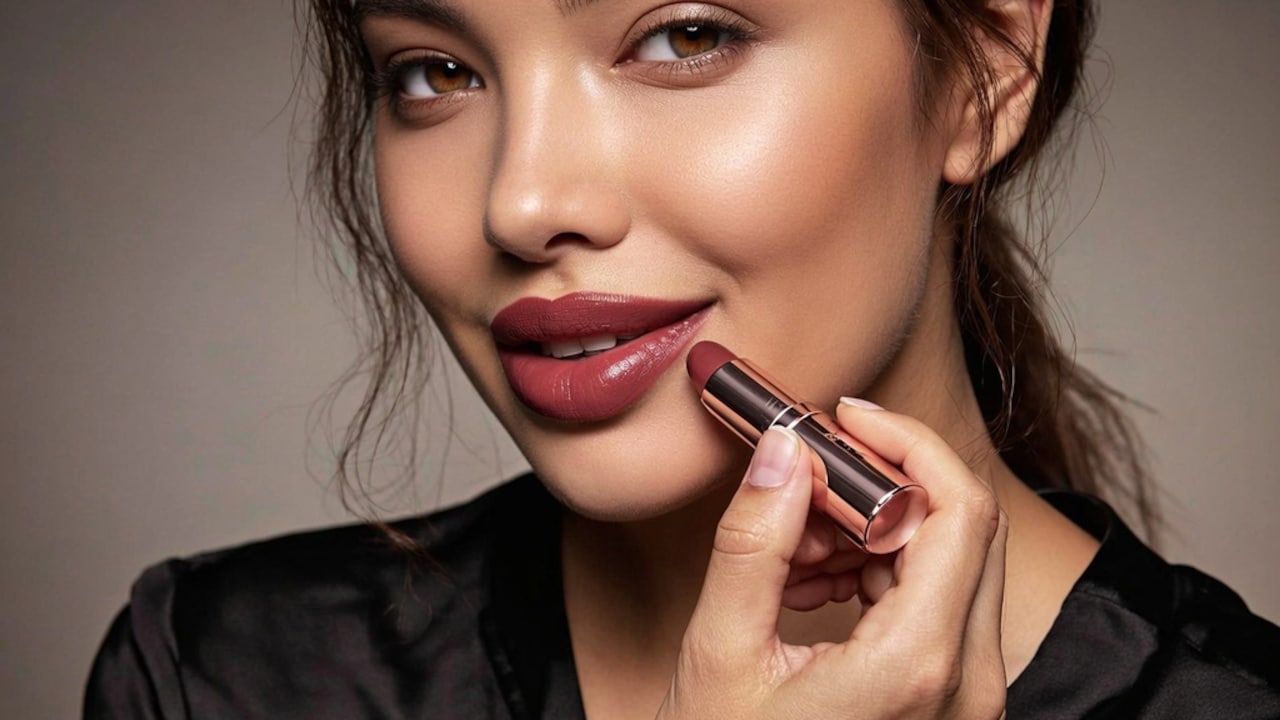
Picking a lipstick should be fun, but in front of all those endless shades it turns into this weird guessing game. One minute you're seeing a viral nude lip thing everywhere; the next you're staring at a wall of colour, thinking, "Wait… will this shade even work on me?" Bold reds are everywhere too; they look gorgeous on social media, but then you put them on, and suddenly they feel totally different than you expected. Here's the thing: there isn't really one lipstick shade that truly fits everybody. Your skin tone, undertone, natural lip pigmentation, and even the occasion—such as a casual day or an evening event—all influence how a lipstick shade appears on you.
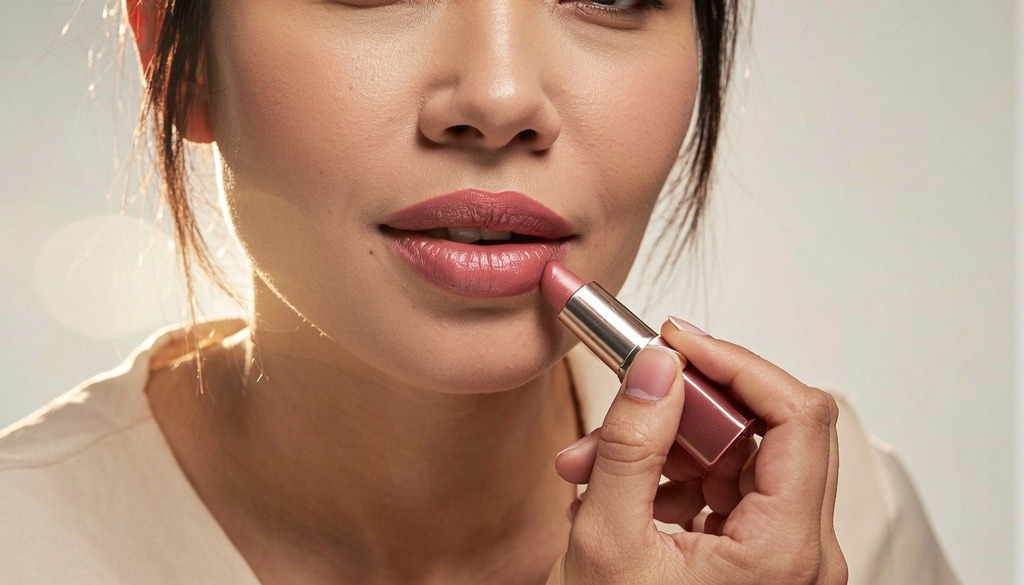
Learn how to choose the right lipstick for your skin tone and any special occasion.
Photo Credit: iStock
All of that shifts how the colour looks. This guide will walk you through it so you can match a lipstick shade to your complexion and so every single swipe ends up feeling like the right decision.
Why Your Skin Tone Isn't The Only Thing That Matters
Many people focus only on whether they have fair, medium, or deep skin. While that helps narrow your options, it doesn't provide a comprehensive understanding. Your undertone plays an about equally important role in deciding if a lipstick seems vibrant, balanced, or washed out. Warm, cool, and neutral undertones can pretty much reroute how the same lipstick looks on different people, depending on them. Once you understand your skin tone and undertone, selecting flattering shades becomes significantly easier.
How To Identify Your Skin Undertone
Before shopping for a lipstick, spend a few minutes identifying your undertone.
Step 1: Look At The Veins On Your Wrist
If your veins appear green, you likely have warm undertones. Blue or purple veins tend to suggest you've got cooler undertones, especially when there's a mix of both. When a colour appears more muted or greyed out, it often indicates neutral undertones. It's not a perfect test, but it still helps as a first step.
Step 2: Notice Which Jewellery Flatters You More
Gold jewellery usually works nicely with warm undertones, while silver more often flatters cool undertones. If both metals seem equally good on you, you likely fall into the neutral undertone, so you can pretty much wear an even wider range of lipstick shades without too much hassle.
Best Lipstick Shades For Different Skin Tones
Once you've identified your complexion, choosing colours becomes much easier
1. Lipstick Shades For Fair Skin
Soft pinks, rosy nudes, peaches, mauves, berries and blue-based reds tend to flatter fair skin in a wonderful way. Occasionally, those super pale nude shades can make the face look a bit washed out, so picking a nude that hints at pink or peach usually gives a more balanced effect.
2. Lipstick Shades For Medium And Wheatish Skin
Warm terracotta, caramel nude, dusty rose, coral, brick red, cinnamon, and warm berry tones work especially well on medium skin types. These colours bring out the natural warmth of the complexion without going too far or overwhelming it in a strange way.
3. Lipstick Shades For Deep Skin
Rich berry, plum, chocolate brown, wine burgundy, deep red, burnt orange, and espresso tones tend to flatter deeper complexions really well. Pigmented colours will often give you a noticeable yet still natural-looking finish.
How To Match Lipstick With Your Undertone
Even after choosing a colour family, your undertone helps refine your final pick.
1. Match Warm, Cool And Neutral Undertones
Warm undertones seem to go really well with coral, peach, terracotta, orange-red, and warm brown lipsticks; like, it just works. Cool undertones, on the other hand, really pop with berry, plum, mauve, blue-based reds, and those pink tones. If you have neutral undertones, you can basically wear both warm and cool lipstick colours, depending on the vibe you want.
2. Don't Forget Your Natural Lip Colour
The natural pigmentation on your lips can change how a lipstick shows up once it's on. If your lips are more highly pigmented, lighter shades might start looking darker or a bit patchy. Meanwhile lighter lips usually let lipstick colours show more faithfully, and they look truer to the shade.
3. Test Before You Commit
Whenever possible, swatch lipstick on your lips instead of your hand. If testing is not available, compare the swatches along your jawline or fingertips, since these spots often track your natural lip tone more closely than the back of your hand does.
Choosing The Right Lipstick For Every Occasion
You don't necessarily need the exact same lipstick for every moment. A small set of adaptable shades can really help you glide from daily wear to a special event without much trouble.
1. Build A Small But Versatile Lipstick Collection
A balanced collection might include a nude shade for everyday wear, a soft pink or mauve for the office or those daytime outings, a classic red for the celebrations, and a deeper berry or wine tone for evening events. Pick adaptable colours and you'll basically always find one option that fits the occasion.
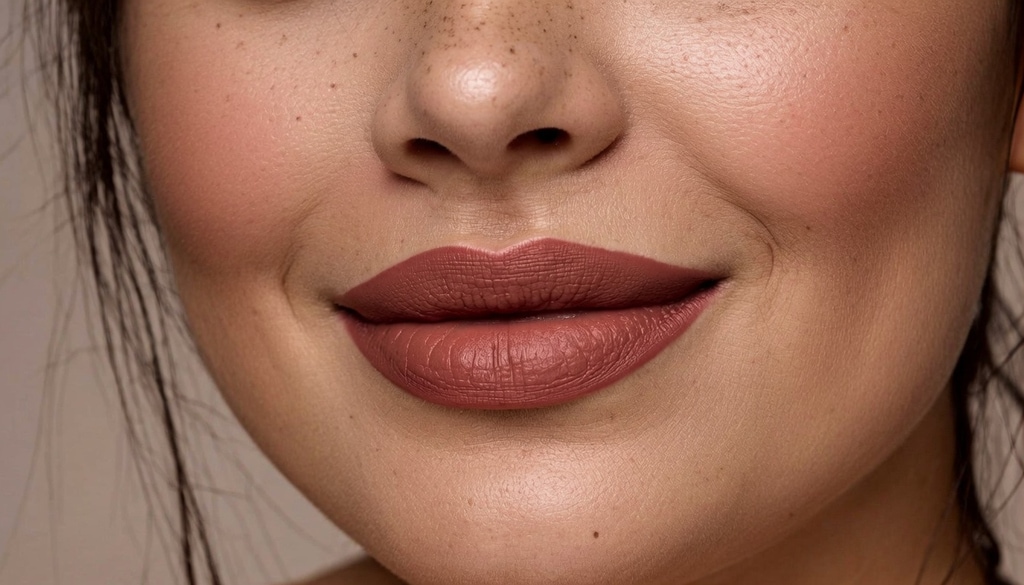
How To Choose A Lipstick Shade That Actually Suits Your Skin Tone; Photo Credit: iStock
Some Lipstick Products You May Like
1. Maybelline New York Color Sensational Creamy Matte Lipstick
2. LoveChild Masaba Full Pocket Brown Lipstick
3. FACES CANADA Comfy Matte Wow Liquid Lipstick
4. INSIGHT Long-Lasting Lip Crayon
5. Airvelour Crème Matte Lipstick
6. MARS Matte Super Stay Lipstick
7. Mamaearth Creamy Matte Long Stay Lipstick
8. RENEE Prime Matte Lipstick
Finding the perfect lipstick shade doesn't have to be complicated. The key is understanding your skin tone and undertone, then experimenting with shades that enhance your natural features. Whether you love bold reds, soft nudes, trendy mauves, or vibrant pinks, the right lipstick can instantly brighten your face and boost your confidence. Remember, beauty has no strict rules while skin tone can guide your choices, the best lipstick shade is ultimately the one that makes you feel comfortable, confident, and ready to take on the day. Shop now on Amazon
Frequently Asked Questions (FAQs)
1. How do I know which lipstick shade suits my skin tone?
Start by identifying both your skin tone and undertone. Choosing a lipstick shade that complements both usually creates the most flattering result.
2. Which lipstick colour looks best on wheatish skin?
Terracotta, warm nude brick red, coral, cinnamon, dusty rose, and berry shades work wonders with wheatish skin in a really flattering way.
3. Can cool undertones wear warm lipstick shades?
Yes. While cool shades often look most harmonious, there's no rule preventing you from wearing warm colours if you like the overall look.
4. Why does the same lipstick look different on different people?
Skin tone, undertone, natural lip pigmentation, and lighting all influence how a lipstick colour appears after application.
5. What are the essential lipstick shades everyone should own?
A versatile collection typically includes a nude, a soft pink or mauve, a classic red, and a deep berry or wine shade for different occasions.
(Disclaimer: This article may include references to or features of products and services made available through affiliate marketing campaigns. NDTV Convergence Limited (“NDTV”) strives to maintain editorial independence while participating in such campaigns. NDTV does not assume responsibility for the performance or claims of any featured products or services.)