Do You Need Sulphate-Free Shampoo? Benefits, Myths And Who Should Use It
Wondering if sulphate-free shampoo is worth the switch? Discover who truly benefits, how it affects hair health, and whether this popular formula suits your hair type and lifestyle.
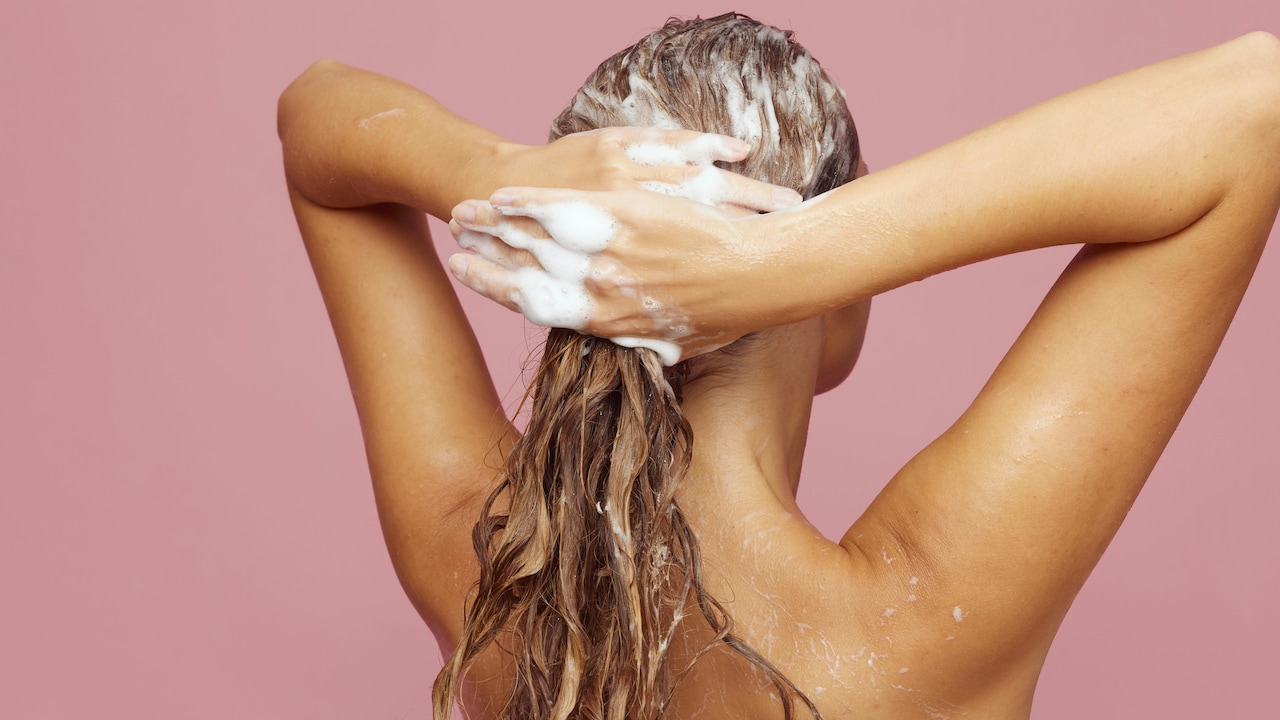
Debunk common myths about sulphate free shampoos and know if they are worth the hype.
Haircare conversations have changed dramatically over the past decade. Once upon a time, shampoo simply needed to clean hair and smell pleasant. Today, labels read like chemistry textbooks: sulphate-free, paraben-free, silicone-free, protein-rich, scalp-balancing. Somewhere in this flood of choices sits one question many people quietly ask while standing in front of shelves stacked with colourful bottles: does sulphate-free shampoo actually matter?

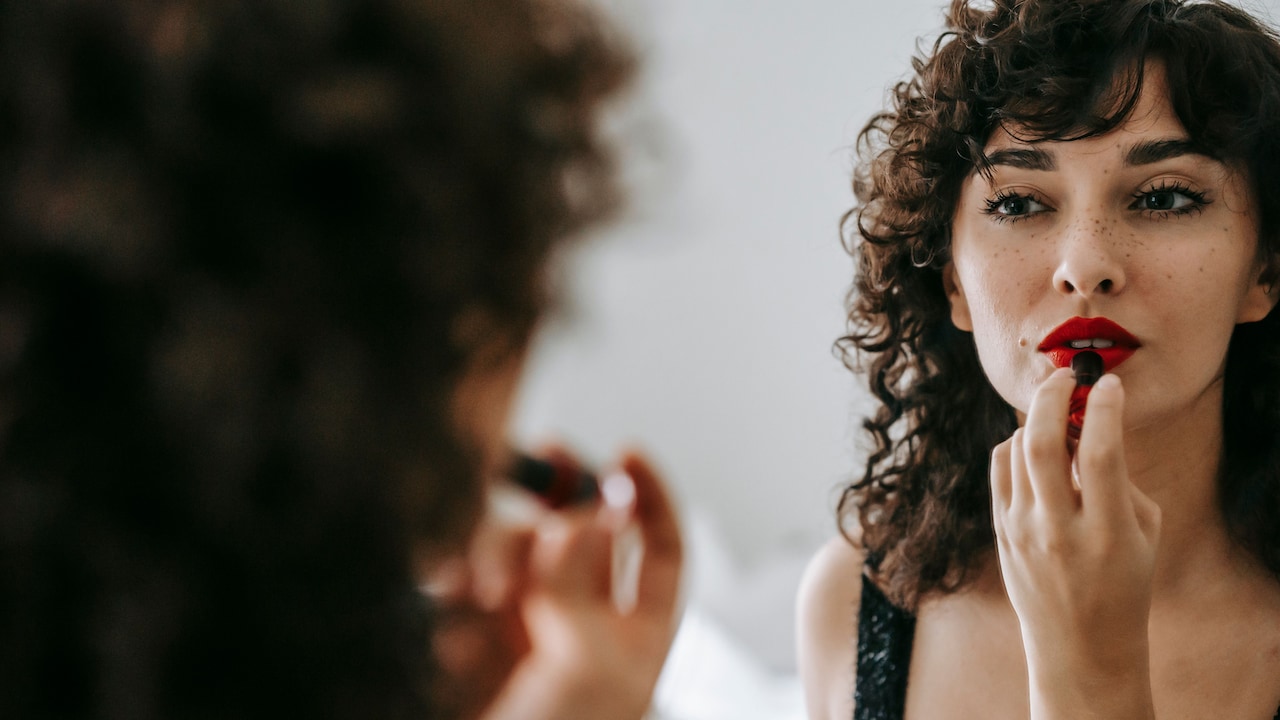
Important things to know about suphate-free shampoos before using one; Photo Credit: Unsplash
The curiosity makes sense. Rising pollution, hard water, styling tools, and busy lifestyles place enormous stress on hair. Add frequent colouring, smoothing treatments, or heat styling, and hair begins to demand gentler care. At the same time, sulphate-free shampoos often cost more, sometimes ₹600 to ₹1,800 per bottle, which naturally raises doubts about whether the upgrade justifies the expense.
Understanding sulphate-free shampoo requires moving beyond trends and looking at how hair behaves in real life. Some people notice smoother strands within weeks, while others complain that hair feels greasy faster. The truth sits somewhere between miracle solution and marketing myth. This article unpacks the science, the myths, and the real-world experiences behind sulphate-free formulas, helping readers decide whether this popular switch suits their hair, lifestyle, and budget.
Also Read: Advantages of Using Sulphate Free Shampoo For Hair
The Truth Behind Sulphate-Free Shampoo And Modern Haircare
What Exactly Are Sulphates And Why Are They Used?
Sulphates sound intimidating, yet they exist for one simple reason: effective cleaning. These cleansing agents create the rich foam many associate with a satisfying wash. Sodium Lauryl Sulphate (SLS) and Sodium Laureth Sulphate (SLES) break down oil, dirt, sweat, and product build-up quickly, leaving hair feeling squeaky clean.
That familiar foam carries emotional reassurance. A bubbly lather often signals cleanliness, much like the froth from dish soap after a heavy meal. However, sulphates clean aggressively. Along with dirt, they remove natural oils that protect the scalp and keep hair flexible.
In humid climates, where sweat and pollution settle easily onto hair, sulphate shampoos gained popularity because they deliver instant freshness. After a long commute or a crowded train ride, that deep-clean sensation feels refreshing. Yet frequent washing with strong cleansers can gradually strip moisture, especially from already dry or chemically treated hair.
The conversation around sulphates began when dermatologists noticed increasing complaints about scalp irritation and dryness. People with sensitive skin experience itching or frizz despite regular conditioning. The issue wasn't that sulphates were harmful; rather, they proved too strong for certain hair types and routines.
Understanding sulphates as powerful cleansers rather than villains helps clarify the debate. They serve a purpose, but not every scalp requires such intense cleaning every day.
What Makes A Shampoo Sulphate-Free?
A sulphate-free shampoo replaces harsh detergents with milder cleansing agents derived from coconut oil, sugars, or amino acids. These alternatives clean hair gently without removing too much natural moisture. Instead of dramatic foam, they create a softer lather, sometimes barely noticeable at first.
This difference surprises many first-time users. Without mountains of bubbles, washing feels incomplete. Yet foam does not equal effectiveness. Gentle cleansers focus on balance rather than deep stripping.
Formulators design sulphate-free shampoos to preserve the scalp's natural barrier. Hair retains oils that prevent dryness, helping strands feel smoother over time. Many products also include nourishing ingredients like argan oil, aloe vera, or rice protein, enhancing softness without weighing hair down.
The shift resembles switching from a strong detergent to a mild laundry liquid for delicate fabrics. Silk requires care different from denim; hair behaves similarly.
Another defining feature lies in how sulphate-free shampoos interact with treated hair. Keratin treatments, hair colour, and smoothing services rely on maintaining moisture and structural bonds. Harsh cleansing shortens their lifespan, while gentler formulas help treatments last longer, saving repeated salon expenses that can easily cross ₹5,000 per session.
Sulphate-free shampoo, therefore, focuses less on dramatic cleansing and more on maintaining long-term hair health.
Who Benefits Most From Sulphate-Free Shampoo?
Not everyone needs sulphate-free shampoo, yet certain hair types thrive with it. People with dry, frizzy, curly, or chemically treated hair often notice the biggest improvement. Curly hair, in particular, struggles with moisture retention because natural oils travel slowly along spiral strands. Gentle cleansing prevents unnecessary dryness.
Coloured hair also benefits significantly. Anyone who has invested ₹4,000 or more in highlights understands the disappointment of colour fading within weeks. Sulphate-free formulas reduce pigment loss, keeping shades vibrant longer.
Sensitive scalps represent another group that gains relief. Persistent itching, tightness after washing, or flakes unrelated to dandruff may signal over-cleansing. Switching to a milder shampoo sometimes resolves discomfort without additional treatments.
Age also plays a role. As people grow older, scalp oil production decreases naturally. Hair becomes thinner and drier, making harsh cleansers unnecessary. Sulphate-free shampoos help maintain softness without sacrificing cleanliness.
However, individuals with very oily scalps or heavy product use may initially struggle. Gentle formulas may require double cleansing or occasional use of stronger shampoos. Haircare rarely follows a one-size-fits-all rule; instead, it evolves alongside lifestyle and environment.
The real beneficiaries are those seeking balance rather than extreme cleanliness.
The Myth Of Foam: Why Less Lather Doesn't Mean Less Clean
Advertising has trained generations to equate foam with effectiveness. A shampoo that barely lathers feels suspicious, almost unfinished. Yet this expectation stems from psychology rather than science.
Foam exists primarily to spread cleanser evenly. Cleaning happens through surfactants binding with oil and rinsing away, not through bubbles themselves. Many sulphate-free shampoos produce minimal foam because gentler ingredients create fewer air pockets.
The adjustment period can feel awkward. Hair may seem heavier during the first few washes as the scalp recalibrates oil production. Over time, many people notice hair remains fresher longer because the scalp stops overcompensating for dryness.
Imagine constantly washing hands with strong soap; the skin becomes dry and produces more oil. The scalp behaves similarly. Once aggressive stripping stops, balance gradually returns.
This transition explains why some abandon sulphate-free shampoos too quickly. Results rarely appear overnight. After two to three weeks, texture often improves, frizz softens, and styling becomes easier.
Understanding foam as a sensory experience rather than proof of cleanliness helps manage expectations and prevents premature judgment.
How Sulphate-Free Shampoo Impacts Hair Health Over Time
Hair health reveals itself slowly. Unlike skincare products promising an overnight glow, shampoos work through cumulative effects. Sulphate-free formulas aim to protect the hair cuticle, the outer layer responsible for shine and strength.
Repeated exposure to harsh detergents lifts the cuticle, causing roughness and tangling. Over months, this leads to split ends and dullness. Gentle cleansers maintain smoother cuticles, allowing light to reflect better, which creates natural shine without serums.
Long-term users often report reduced breakage. Hair becomes easier to detangle, requiring less force during brushing. This matters particularly for long hair prone to mechanical damage from combing or tying tightly during busy mornings.
Another overlooked benefit involves scalp microbiome balance. The scalp hosts beneficial microorganisms that maintain skin health. Excessively strong cleansing disrupts this ecosystem, sometimes leading to sensitivity or flakes.
Sulphate-free shampoos support a more stable environment, especially when paired with nourishing conditioners. Over several months, hair may feel stronger, smoother, and more manageable, subtle improvements that accumulate quietly rather than dramatically.
Patience plays a key role. Hair responds gradually, rewarding consistency rather than quick experimentation.
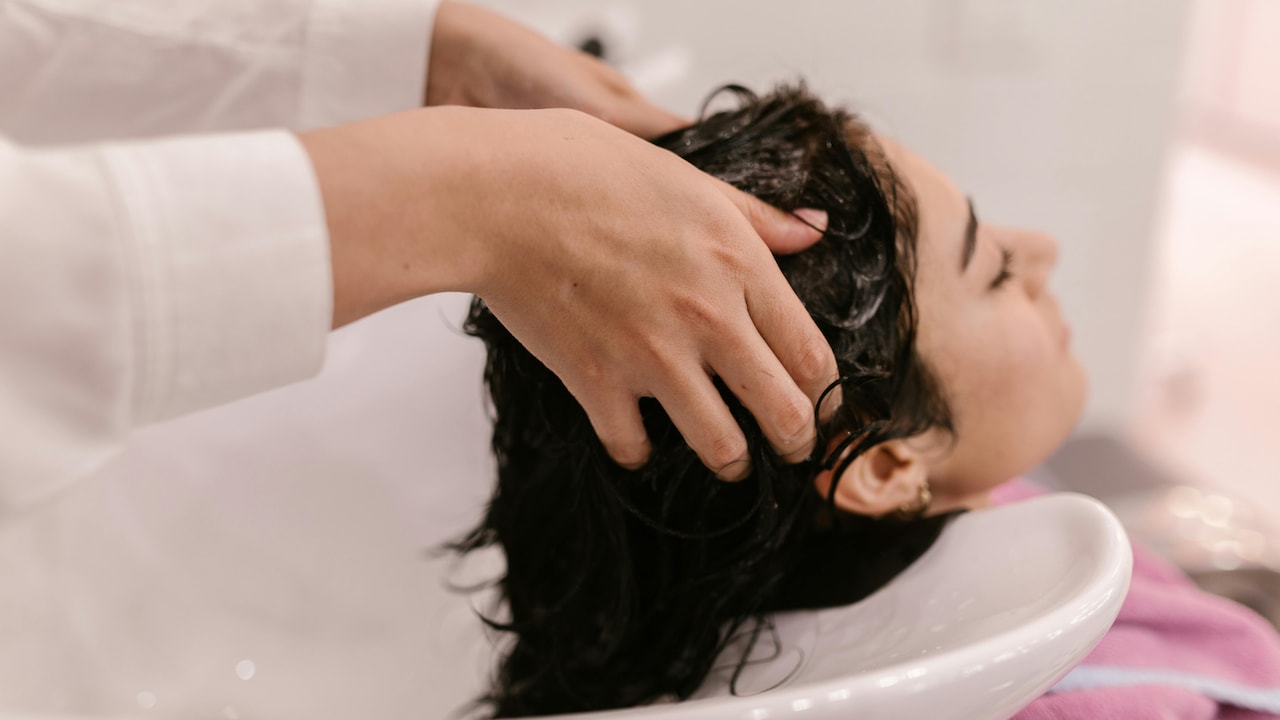
Sulphate-free shampoos support a more stable environment to prevent hair damage and breakage; Photo Credit: Pexels
Common Misconceptions About Sulphate-Free Formulas
The popularity of sulphate-free shampoos has generated myths almost as quickly as praise. One common belief suggests sulphates cause hair loss. Scientific evidence does not support this claim. Hair shedding usually relates to stress, nutrition, hormones, or genetics rather than shampoo ingredients.
Another misconception labels sulphate-free products as universally superior. In reality, suitability depends on individual scalp needs. Someone exercising daily or living in high humidity may require occasional deep cleansing to remove sweat and pollution effectively.
Price also creates confusion. Expensive bottles do not automatically guarantee better performance. Some affordable sulphate-free options under ₹500 work beautifully, while premium versions may disappoint if mismatched with hair type.
Many expect instant transformation. Marketing often exaggerates results, leading to unrealistic expectations. Sulphate-free shampoos improve hair condition gradually, not magically.
There is also a belief that natural equals gentle. Certain plant extracts can irritate sensitive scalps despite being labelled natural. Ingredient awareness matters more than marketing buzzwords.
Separating facts from hype allows smarter decisions and prevents disappointment after switching products.
The Role Of Water Quality, Climate, And Lifestyle
Haircare choices rarely exist in isolation. Water quality, weather conditions, and daily habits influence how shampoo performs. Hard water, common in many cities, contains minerals that cling to hair and reduce softness. Sulphate-free shampoos sometimes struggle to remove heavy mineral deposits completely, making occasional clarifying washes useful.
Climate adds another layer. Humidity increases oil production and frizz simultaneously, an ironic combination familiar to anyone stepping outside during monsoon season. Gentle shampoos help maintain moisture balance without exaggerating dryness caused by frequent washing.
Lifestyle also matters. Gym-goers washing hair daily may appreciate sulphate-free formulas because they clean without over-stripping. Conversely, those using heavy styling creams or hair sprays might prefer alternating between gentle and stronger cleansers.
Stress, diet, and sleep patterns influence scalp health, too. Hair reflects overall well-being more than any single product. Even the best shampoo cannot compensate for dehydration or nutritional imbalance.
Viewing sulphate-free shampoo as part of a broader routine rather than a standalone solution leads to more satisfying results.
Is Sulphate-Free Shampoo Worth The Higher Price Tag?
Cost often becomes the deciding factor. Spending ₹1,200 on shampoo feels extravagant compared to ₹250 alternatives. The question, however, revolves around value rather than price alone.
Sulphate-free shampoos typically require smaller quantities because they cleanse gently without excessive foam. A bottle may last longer than expected. Additionally, preserving colour treatments or keratin services reduces frequent salon visits, indirectly saving money.
Less breakage also means fewer emergency trims and fewer styling products needed to control frizz. Over time, healthier hair demands less correction.
That said, not everyone must invest in premium brands. Many mid-range options deliver excellent results without straining monthly budgets. Choosing based on hair needs rather than influencer recommendations prevents unnecessary spending.
Haircare resembles choosing footwear. An expensive pair only makes sense if it supports comfort and lifestyle. Otherwise, practicality wins.
Evaluating results over several weeks rather than judging after one wash helps determine whether the investment truly pays off.
How To Decide If You Should Make The Switch
Choosing sulphate-free shampoo begins with observation. Notice how hair feels a day after washing. Does the scalp itch? Do ends feel dry despite conditioning? Does colour fade quickly? These signals often indicate a need for gentler cleansing.
Transition gradually instead of switching abruptly. Alternating between regular and sulphate-free shampoo allows the scalp to adjust comfortably. Pairing the shampoo with a lightweight conditioner enhances results.
Patience remains essential. Hair may feel different during the first few weeks as oil balance resets. Resist the urge to abandon the process too soon.
Personal preference matters as well. Some enjoy the deep-clean sensation of traditional shampoos and experience no dryness. In such cases, there is little reason to change.
Ultimately, the best shampoo supports confidence. Good hair days influence mood, productivity, and even social interactions. When hair behaves well, mornings feel smoother, and mirrors become kinder companions.
The goal lies not in following trends but in understanding individual hair needs and responding thoughtfully.
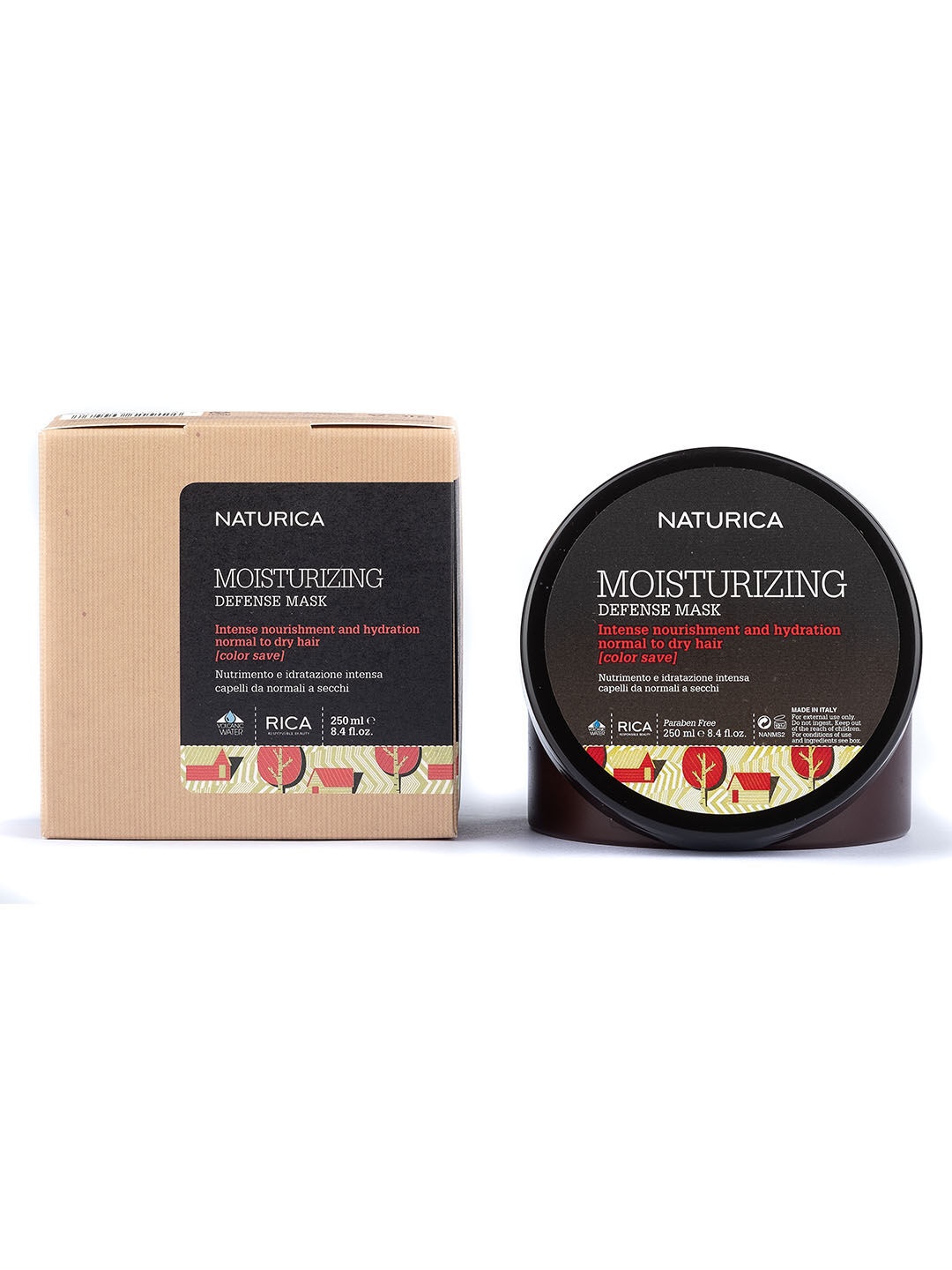
Products Related To This Article
1. Mamaearth Onion Shampoo
2. Bare Anatomy Rosemary & Coconut Milk Hydrating Shampoo
3. Nat Habit Tri-Leaf Rosemary Navadha Shampoo for Frizzy & Dry Hair
4. MANETAIN Clarifying Shampoo With Aloe Vera Extract
5. Forest Essentials Hair Cleanser Japapatti & Brahmi Shampoo For Dry & Frizzy Hair
6. TRICHUP Keratin Damage Repair Shampoo
7. Indus Valley Moroccan Argan Oil Shampoo For Dryness & Damage Control
Sulphate-free shampoo occupies an interesting space between science and trend. It is neither a miracle cure nor a marketing illusion. Instead, it represents a gentler approach to cleansing, one that suits specific hair types, lifestyles, and long-term goals.
Those with dry, curly, coloured, or sensitive hair often experience noticeable benefits, while others may prefer traditional formulas or a balanced combination of both. The key lies in understanding how hair responds rather than chasing universal rules.
Modern haircare encourages awareness. Labels invite curiosity, and consumers increasingly question what goes into everyday products. Sulphate-free shampoo reflects this shift towards mindful choices.
In the end, healthy hair depends on consistency, realistic expectations, and a routine aligned with real life, crowded commutes, changing weather, late nights, and busy mornings included. The perfect shampoo is not the most expensive or most advertised one. It is simply the one that leaves hair comfortable, manageable, and quietly confident day after day.
(Disclaimer: This article may include references to or features of products and services made available through affiliate marketing campaigns. NDTV Convergence Limited (“NDTV”) strives to maintain editorial independence while participating in such campaigns. NDTV does not assume responsibility for the performance or claims of any featured products or services.)