Sulphate-Free Shampoos: Side Effects, Benefits, and When They Actually Work
Sulphate-free shampoos promise gentler cleansing, but they don’t suit everyone. This article explains their side effects, benefits, and the right situations to use them for healthier, more manageable hair.
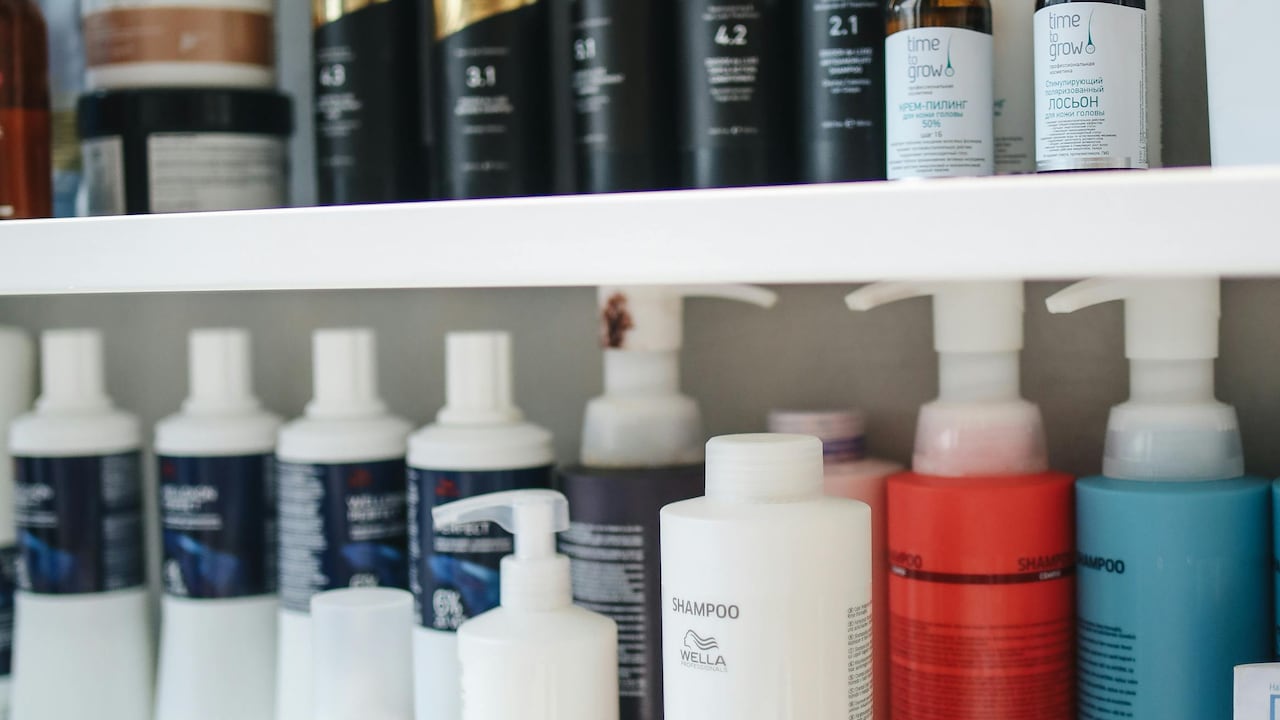
Sulfate-Free Shampoos Explained: Benefits, Side Effects, And When They Actually Work Best.
Hair care trends change faster than seasonal fashion, and sulphate-free shampoos have enjoyed a long spotlight. Once a niche choice, they now attract students, professionals, parents and even grandparents seeking healthier hair days. The appeal sounds simple: no harsh cleansing agents, less damage, and softer strands. But hair tells its own stories after wash day.
Some people praise the switch, while others complain about greasy roots or itchy scalps. Confusion grows, especially when labels sound scientific and routines already feel complicated. Water quality, weather, pollution, and styling habits all play silent roles. This article explores sulphate-free shampoos beyond marketing lines, breaking down side effects and showing exactly when they shine and when they struggle. Expect clarity, practical advice, and a few relatable moments from the everyday shampoo shelf dilemma.
Sulphate-Free Shampoos: Side Effects And When They Work
Photo Credit: Pexels
When Sulphate-Free Shampoos Help: And When They Don't
1. What Makes Sulphates So Powerful in Shampoos
Sulphates act like strong cleaners in shampoos, creating the rich lather many people associate with cleanliness. Ingredients such as sodium lauryl sulphate break down oil, dirt, and product build-up quickly. After a long commute through dust and humidity, that squeaky-clean feeling feels reassuring.
However, this power comes with a trade-off. Sulphates strip away natural oils that protect hair and scalp. Over time, dryness, frizz, and irritation may creep in. For people washing hair frequently, this effect becomes more noticeable. Hair may look clean for a day yet feel rough or dull by evening.
Sulphate-free shampoos avoid this aggressive cleanse. They rely on milder surfactants that clean gently. Understanding this difference sets the foundation for choosing wisely. Sulphates suit occasional deep cleaning, while sulphate-free formulas focus on balance rather than brute force.
2. Why Sulphate-Free Shampoos Feel Different at First
The first wash with a sulphate-free shampoo often surprises users. The lather feels lighter, sometimes barely visible. Many people worry that the shampoo does not clean properly. Years of foam-heavy habits condition the mind to equate bubbles with hygiene.
In reality, sulphate-free formulas clean without dramatic froth. Hair may feel heavier initially, especially if styling products or oils remain. This phase tests patience. The scalp adjusts, learning not to overproduce oil as a defence mechanism.
During this transition, wash frequency matters. Washing too often delays results. Within two to three weeks, hair usually settles into a healthier rhythm. Softness replaces dryness, and curls or waves often regain natural shape. The early discomfort fades once expectations align with reality.
3. Common Side Effects People Rarely Talk About
Sulphate-free shampoos enjoy a gentle reputation, yet they bring side effects worth noting. Greasy roots top the list, especially for those with fine hair or oily scalps. Mild cleansers sometimes struggle to remove heavy oiling or thick styling creams.
Another common complaint involves scalp build-up. Hard water minerals and pollution particles cling to hair more stubbornly without stronger surfactants. This build-up may cause itchiness or flat hair days. Some users also notice slower drying time, as hair retains more moisture.
These side effects do not signal failure. They highlight mismatched routines. Occasional clarifying washes, lighter conditioners, or reduced oil usage often solve these issues. Sulphate-free shampoos work best as part of a thoughtful system, not a standalone miracle.
4. When Sulphate-Free Shampoos Truly Shine
Certain hair types thrive with sulphate-free care. Curly and wavy hair benefits immensely, as natural oils travel slowly along textured strands. Gentle cleansing preserves moisture and reduces frizz. Coloured hair also gains longer-lasting vibrancy, as mild formulas prevent premature fading.
People with sensitive scalps often experience relief after switching. Redness, flaking, and tightness decrease when harsh detergents disappear from routines. Hair treated with keratin or smoothening processes also stays sleek for longer with sulphate-free maintenance.
These shampoos shine when hair needs nurturing rather than deep cleaning. Think post-salon treatments, weather-exposed hair, or dry winter months. In these moments, sulphate-free formulas act like a calm reset button for stressed strands.
5. Situations Where Sulphate-Free Shampoos Struggle
Despite their benefits, sulphate-free shampoos do not suit every scenario. After heavy oil massages or festive styling sessions loaded with sprays and gels, gentle cleansers may fall short. Residue lingers, leaving hair limp and scalp uncomfortable.
Those with very oily scalps may also feel dissatisfied. Without proper balance, roots turn greasy quickly, demanding more frequent washing. This cycle frustrates users expecting instant freshness.
The solution lies in strategic use. Alternating between sulphate-free shampoos and occasional clarifying washes restores balance. Think of sulphate-free formulas as daily wear, while stronger cleansers act as periodic detox tools. Knowing when to switch keeps hair responsive and healthy.
Also Read: Shampoo Build-Up: Why Your Hair Loses Volume, Looks Greasy And How To Fix It Fast
6. The Role of Climate, Sweat, and Daily Commutes
Weather influences hair behaviour more than labels admit. Heat, humidity, and sweat challenge even the gentlest shampoo. Daily exposure to dust and traffic pollution adds another layer of grime that mild cleansers must tackle.
In warmer months, sulphate-free shampoos may require adjustments. Washing scalp thoroughly, using less oil, and rinsing longer help improve results. Pairing with lightweight conditioners prevents heaviness.
During cooler or drier seasons, these shampoos feel like a blessing. Hair retains moisture, reducing static and breakage. Understanding seasonal shifts allows smarter shampoo choices, ensuring sulphate-free formulas support rather than sabotage hair goals.
7. Price Myths and the Reality of Sulphate-Free Products
Many assume sulphate-free shampoos cost a fortune. While premium brands do exist, affordable options now fill shelves. Prices range from ₹250 to ₹700, depending on ingredients and brand positioning.
Cost does not always equal performance. Some budget-friendly formulas deliver excellent results, while expensive ones disappoint. Ingredient lists matter more than packaging promises. Look for mild surfactants, soothing extracts, and minimal fragrance.
Investing wisely also reduces wastage. Sulphate-free shampoos often require smaller quantities per wash once routines stabilise. Over time, the cost balances out, especially when hair health improves, and salon visits reduce.
8. How to Use Sulphate-Free Shampoos Correctly
Technique matters as much as product choice. Wet hair thoroughly before applying shampoo. This step helps mild cleansers spread evenly. Massage the scalp gently for a full minute, allowing ingredients to lift dirt effectively.
Rinsing deserves extra attention. Spend time ensuring no residue remains, especially near the nape and crown. Follow with conditioner only on lengths, avoiding the scalp unless dryness demands it.
Spacing washes also helps. Washing every alternate day allows natural oils to regulate. With consistent use, hair adapts, and results improve steadily. Sulphate-free shampoos reward patience and mindful habits.
9. The Psychological Shift: Letting Go of Foam Obsession
Foam equals clean remains deeply ingrained. Advertising reinforces this belief with dramatic visuals. Switching to sulphate-free shampoos requires a mental reset. Clean hair does not need towering bubbles.
Over time, focus shifts from instant gratification to long-term comfort. Hair feels calmer, styling becomes easier, and scalp issues reduce. The satisfaction changes from visual drama to tactile confidence.
This psychological shift often marks success. Once foam loses its power, gentler care feels intuitive. Hair routines become less stressful, turning wash days into small acts of self-care rather than damage control.
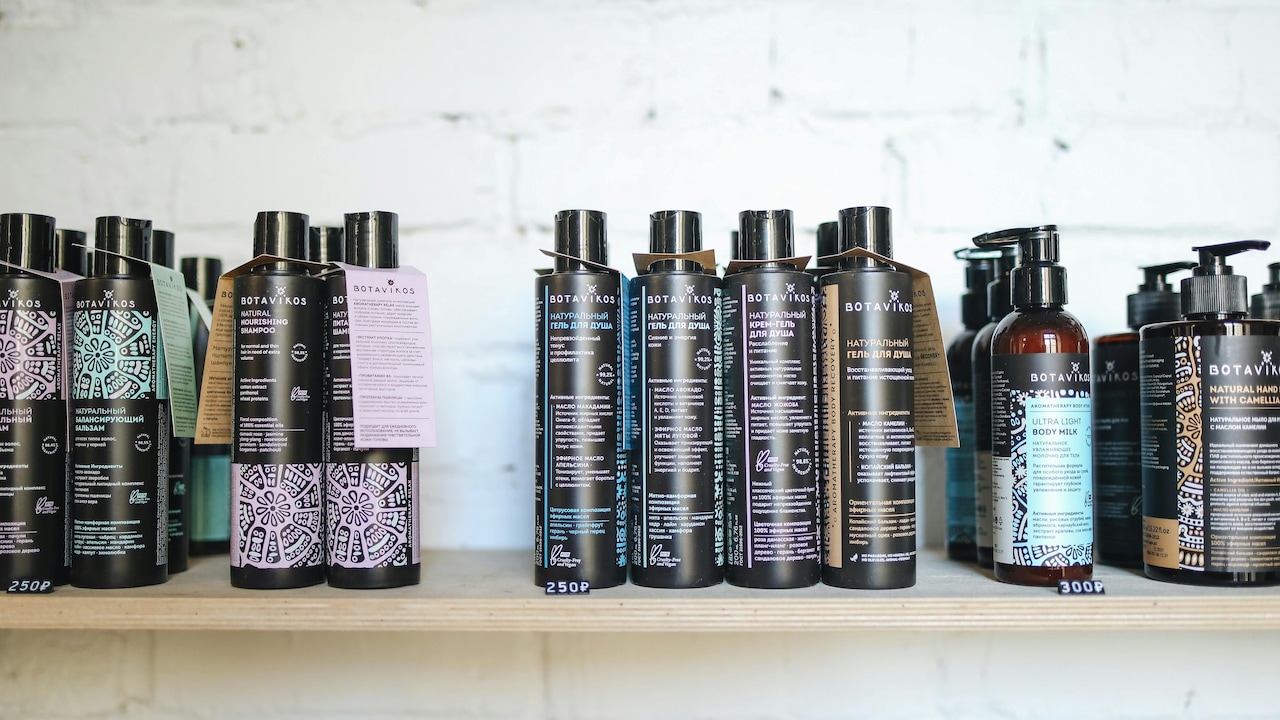
Sulphate-Free Shampoos: Side Effects And When They Work
Photo Credit: Pexels
10. Building a Balanced Hair Care Routine
Sulphate-free shampoos work best within balanced routines. Pairing them with suitable conditioners, occasional masks, and clarifying washes creates harmony. No single product solves every problem.
Listening to hair remains key. Some weeks demand deeper cleaning, while others need softness and rest. Flexibility keeps routines effective and enjoyable.
Rather than chasing trends, understanding personal hair behaviour leads to better decisions. Sulphate-free shampoos earn their place not as heroes or villains, but as reliable companions when used thoughtfully.
Products Related To This Article
1. Moha Sulfate-Free Herbal Shampoo for Gentle Cleansing & Hair Fall Control
2. Mamaearth Rice Water Shampoo
3. TRICHUP Keratin Damage Repair Shampoo
4. Dove Beautiful Curls Sulphate-Free Hydrating Shampoo with Tri Moisture Essence
5. Khadi Natural Onion Shampoo Dandruff Control
6. Nat Habit Five Oil Fresh Hibiscus Shampoo for Frizzy & Dry Hair
7. BBLUNT Bond Repair Shampoo
Sulphate-free shampoos offer gentle care, not instant magic. They suit many hair types, especially those craving moisture, colour protection, or scalp comfort. Yet they come with side effects that surface when expectations clash with reality.
The secret lies in timing and technique. Knowing when to use them, when to clarify, and how to adapt routines transforms results. Hair care thrives on balance, not extremes. With mindful use, sulphate-free shampoos can turn everyday wash days into healthier, happier rituals that respect both hair and lifestyle.
(Disclaimer: This article may include references to or features of products and services made available through affiliate marketing campaigns. NDTV Convergence Limited (“NDTV”) strives to maintain editorial independence while participating in such campaigns. NDTV does not assume responsibility for the performance or claims of any featured products or services.)