10 Reasons Anti-Dandruff Shampoo Leaves Hair Lengths Rough And How To Protect Them
Anti-dandruff shampoo can leave hair lengths dry, rough and tangled. Discover 10 common reasons behind the problem and simple ways to protect softness while keeping dandruff under control.
How to prevent anti-dandruff shampoos from making your hair rough
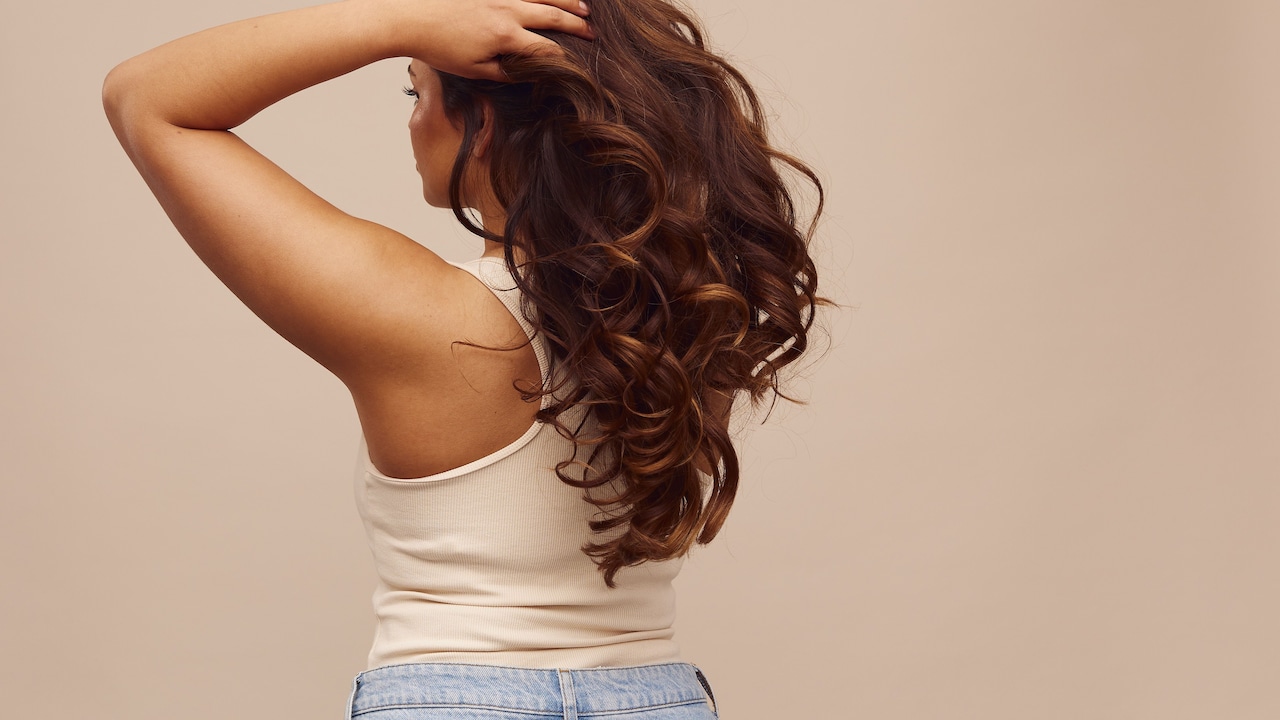
A flaky scalp has a way of stealing attention. One minute, hair looks perfectly presentable; the next, tiny white specks appear on a black kurta five minutes before leaving home. Naturally, anti-dandruff shampoo becomes the bathroom hero. Then another problem sneaks in. The scalp may feel cleaner, but the mid-lengths start behaving like they have spent an afternoon under a ceiling fan with no conditioner in sight. Hair catches on fingers, ends look frizzy and detangling becomes a small test of patience. This does not necessarily mean anti-dandruff shampoo should be abandoned. These formulas are primarily designed to treat the scalp, where dandruff begins. Hair lengths have different needs, particularly if they are long, coloured, chemically treated, curly or frequently exposed to heat and pollution. Understanding that difference can make a surprisingly big change. A few thoughtful tweaks to shampoo placement, washing technique and post-wash care can keep the scalp comfortable while helping the rest of the hair remain smoother.
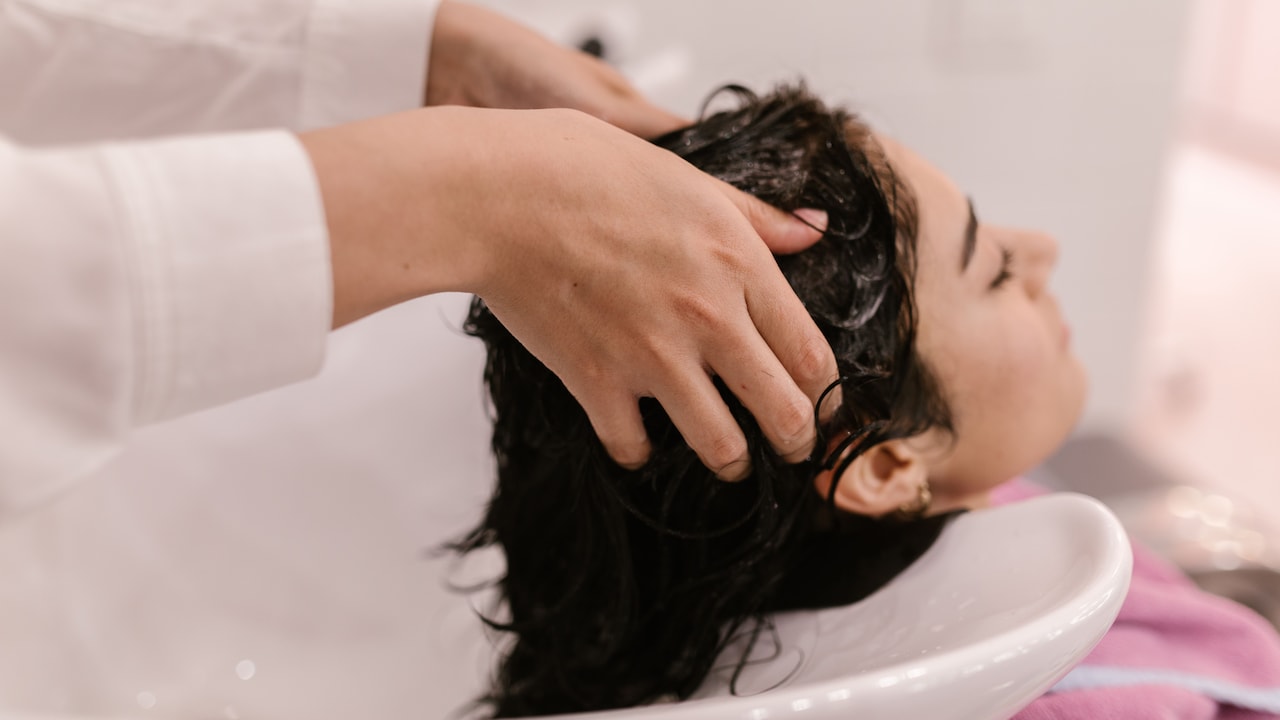
Why do anti-dandruff shampoos make hair rough
Photo Credit: Pexels
Why Anti-Dandruff Shampoo Can Make Hair Lengths Feel Rough
1. Anti-Dandruff Shampoo Is Designed Mainly For The Scalp
The first clue is hiding in the product's purpose. Anti-dandruff shampoo targets scalp concerns such as flakes, excess oil and dandruff-causing microorganisms. Hair lengths, however, do not need the same level of cleansing treatment.
Also Read: Best Anti-Dandruff Shampoos Under Rs. 800 That Relieve Itchy Scalp Quickly
When the shampoo is spread generously from roots to ends, the lengths receive ingredients intended for a completely different job. Repeated exposure may leave them feeling less silky, especially towards the ends where natural oils are already scarce.
A better approach is to treat shampoo like scalp medicine rather than shower gel for the entire head. Apply it mainly to the scalp, massage gently with fingertips and allow the lather to travel through the lengths while rinsing.
That small change often provides enough cleansing for everyday dust, sweat and product residue without repeatedly scrubbing vulnerable ends.
Long hair makes this distinction even more useful. The last few centimetres may be several years old, after all. They deserve slightly more kindness than the fresh growth sitting near the scalp.
2. Strong Cleansing Can Strip Away Protective Oils
A squeaky-clean feeling can seem satisfying, particularly during hot, humid weather when the scalp turns oily quickly. Unfortunately, hair lengths do not always celebrate that level of cleanliness.
The scalp produces sebum, a natural oil that helps coat and protect hair. With longer hair, that oil rarely travels evenly all the way down to the ends. Anti-dandruff formulas may cleanse efficiently enough to remove some of the limited oil coating the lengths, leaving the surface rougher.
This becomes more noticeable when hair is naturally dry, wavy, curly or chemically treated.
Protection starts before shampoo even touches the hair. A small amount of conditioner or lightweight hair oil can be applied to the lower lengths before washing, particularly if they are very dry. Think of it as giving the ends a raincoat before sending them into a downpour.
After shampooing the scalp, follow with conditioner through the mid-lengths and ends. The goal is not greasy hair. It is simply to replace some of the softness lost during cleansing.
3. Shampooing The Lengths Too Aggressively Creates Friction
Hair becomes more vulnerable when wet, yet shampoo time often turns into an enthusiastic scrubbing session. Lengths are rubbed between palms, twisted into a bun and piled dramatically on top of the head as though appearing in a shampoo advertisement.
Real hair does not always enjoy the performance.
Repeated rubbing raises friction between strands and can disturb the smooth outer cuticle layer. Once those cuticles no longer lie neatly, hair feels rough and tangles more easily.
Anti-dandruff shampoo may make the effect more obvious because its cleansing action can already leave dry sections needing extra conditioning.
Keep the lengths hanging naturally while washing. Massage only the scalp with fingertips and avoid rubbing the ends together. As water runs down, gently squeeze the lather through the hair if additional cleansing is required.
The same rule applies while towel-drying. Vigorous rubbing may undo the care taken during shampooing. Instead, press excess water out gently with a soft towel or cotton T-shirt.
Less drama in the shower often produces calmer hair afterwards.
4. Leaving The Shampoo On The Lengths For Too Long
Some anti-dandruff shampoos need a short contact period on the scalp so their active ingredients can do their job. The problem begins when the same shampoo sits across the lengths for several minutes.
Perhaps the shampoo gets applied from roots to tips before someone starts searching for a conditioner bottle, checks whether the geyser is still behaving or mentally plans dinner. Those extra minutes may not matter much to the scalp, but dry ends can feel different afterwards.
Keep the contact time focused where treatment is actually needed.
Apply the shampoo directly to sections of the scalp and follow the timing given on the product label or by a dermatologist. There is little benefit in deliberately coating the ends and leaving them covered during that waiting period.
If the lengths are particularly dry, apply conditioner to them before treating the scalp. This creates a simple buffer while the shampoo works above.
The strategy sounds almost too easy, but targeted application is one of the most effective ways to separate scalp treatment from length care.
5. Washing Too Frequently Can Dry Out The Ends
A flaky scalp sometimes creates the temptation to wash constantly. Every hint of oiliness can start feeling like an emergency, leading to shampooing every day or even twice after especially sweaty commutes.
How often anti-dandruff shampoo should be used depends on the product and individual scalp needs. Using it more frequently than necessary, however, can repeatedly expose hair lengths to cleansing agents and water.
That cycle may leave the ends increasingly dry.
Follow the usage instructions on the shampoo or advice from a dermatologist rather than assuming more frequent washing produces faster results. On washes when a medicated or treatment shampoo is not required, a gentler regular shampoo may suit the routine better.
It also helps to observe the hair rather than following an arbitrary social-media schedule. Some scalps become oily quickly, while others remain comfortable for longer.
There is no medal for surviving seven days without shampoo, and there is no prize for washing every morning either. The useful routine is the one that keeps the scalp comfortable without repeatedly exhausting the lengths.
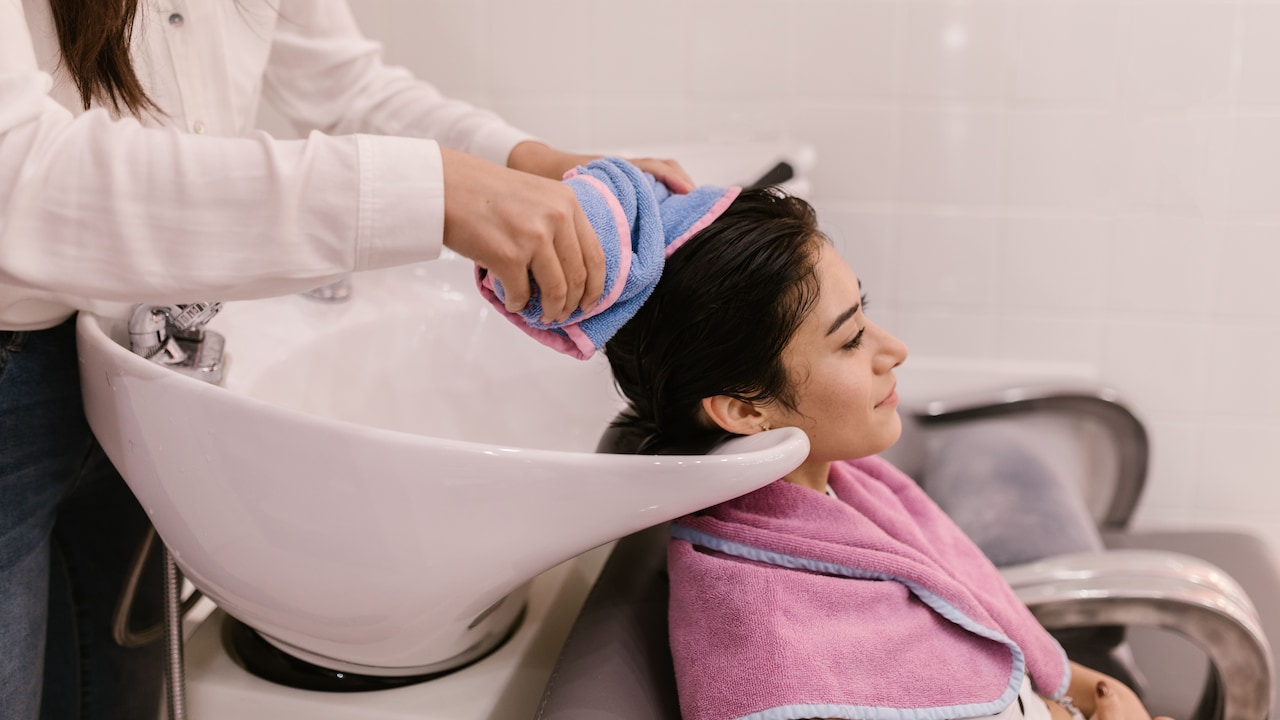
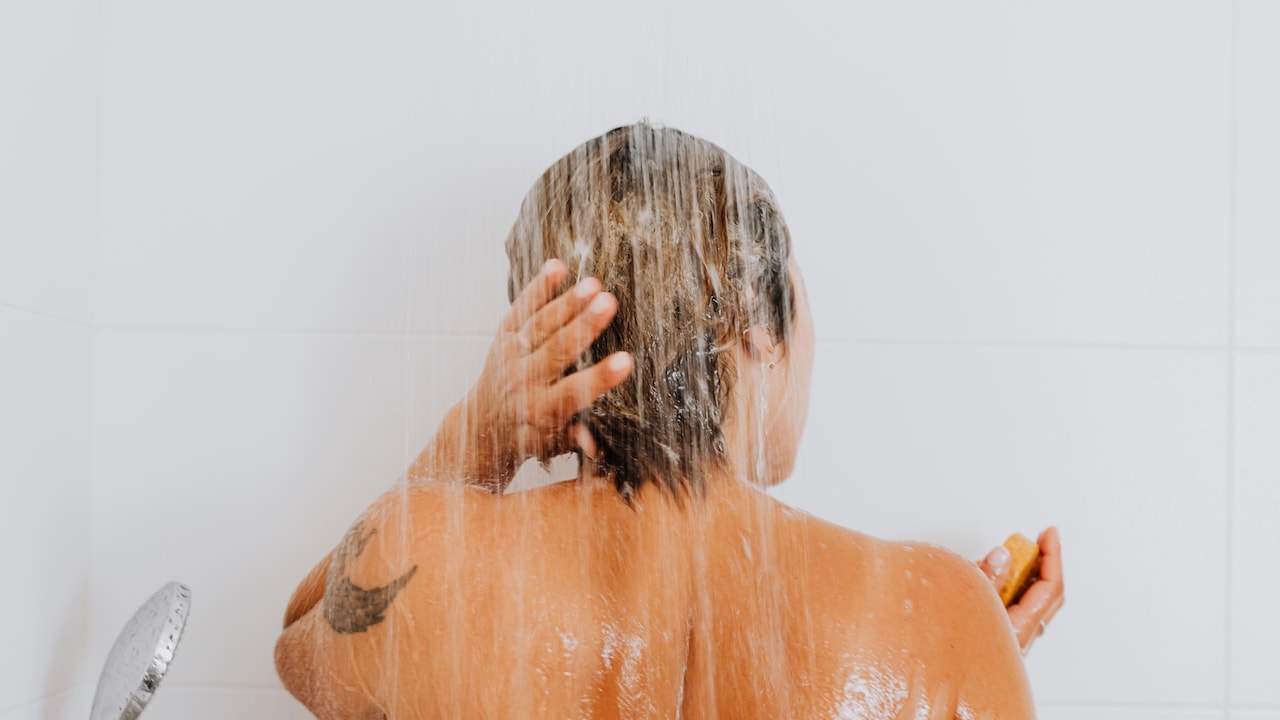
Washing your hair too frequently can also make strands look rough and dry
Photo Credit: Pexels
6. Hot Water Makes Roughness More Noticeable
A steaming shower can feel wonderful after a long day, especially during cooler months. Hair, however, may prefer a less dramatic temperature.
Very hot water can remove oils from the hair surface and may leave already dry lengths feeling rougher. Combine that with a strong cleansing shampoo and the ends can emerge from the shower looking considerably less enthusiastic than the scalp.
Lukewarm water is usually the kinder choice for shampooing and rinsing.
There is no need to finish with painfully cold water in the name of shiny hair. A comfortable temperature works perfectly well. The aim is simply to avoid exposing the hair to excessive heat before styling has even begun.
This matters even more for coloured, bleached or chemically straightened hair, which may already have a more porous surface.
If hot showers are non-negotiable during winter, keep the water comfortably warm rather than scorching and minimise the time hair spends directly underneath it.
Save the intense heat for chai. Hair lengths generally appreciate something milder.
7. Skipping Conditioner Leaves Hair Without A Softening Step
Anti-dandruff shampoo often gets blamed for rough hair when the missing piece is sitting right beside it on the bathroom shelf.
Conditioner helps reduce friction, smooth the hair surface and improve manageability after cleansing. Skipping it can make any shampoo feel harsher, but the difference may be particularly noticeable after a targeted scalp-cleansing formula.
Apply conditioner from the mid-lengths downwards, concentrating on the driest sections. Unless the product is specifically designed for scalp use, there is usually no need to massage a rich conditioner into dandruff-prone roots.
Leave it on for the suggested time before rinsing thoroughly.
Fine hair does not have to choose between conditioning and looking flat. Lightweight formulas can provide slip without making strands feel heavy. Thick, curly or chemically processed hair may prefer something richer.
The correct amount also matters. Enough product should coat the lengths lightly rather than transform them into a slippery mountain.
Think of conditioner as the peace treaty after cleansing. Shampoo handles the scalp's business; conditioner helps the lengths return to civilisation.
8. Damaged Hair Feels The Effects More Strongly
Sometimes anti-dandruff shampoo exposes dryness rather than creating all of it.
Hair that has been bleached, coloured, rebonded, straightened frequently or regularly subjected to curling irons may already have a compromised outer surface. Split ends and high porosity make strands lose moisture more easily, so strong cleansing simply makes that existing roughness easier to notice.
In this situation, changing shampoo technique helps, but the wider routine deserves attention too.
Use heat protectant before styling, keep hot tools at sensible temperatures and avoid repeatedly passing straighteners over the same section. A weekly conditioning mask may help dry lengths feel softer, while regular trims can remove severely split ends that no serum can truly repair.
Chemical treatments also benefit from thoughtful spacing rather than being stacked one after another before wedding season.
If hair suddenly becomes extremely brittle or begins breaking more than usual, professional advice may be worthwhile.
Anti-dandruff shampoo can still have a place in the routine. It simply needs to coexist with hair care designed for lengths that are already carrying a little history.
9. Hard Water And Product Build-Up Can Add To The Problem
Sometimes the shampoo receives all the criticism while the shower water quietly escapes suspicion.
Water quality varies significantly between homes and cities. Hard water contains higher levels of dissolved minerals, which may leave deposits on the hair over time. Add styling creams, oils, dry shampoo and pollution to the mix, and strands can start feeling coated yet strangely rough at the same time.
An anti-dandruff shampoo may cleanse the scalp well without necessarily solving every type of mineral or styling-product build-up on the lengths.
This does not mean buying an entire bathroom cabinet of specialised products. Start with technique. Rinse thoroughly, avoid using more styling product than necessary and keep heavy oils away from the scalp if they worsen flakes.
If hard-water build-up seems persistent, an occasional suitable clarifying or chelating product may help, provided it is used carefully and followed with conditioner.
Also remember that dry-feeling hair is not always thirsty for more oil. Sometimes it simply has too much residue sitting on the surface.
Cleanliness and softness require balance, not a wrestling match between fifteen bottles.
10. The Post-Wash Routine May Be Making Things Worse
If hair feels soft while wet but turns rough by the time it dries, the shampoo may not be the only suspect.
Brushing aggressively, sleeping with wet hair, skipping leave-in products and using high heat can all contribute to frizz and breakage. Once the strands have been cleansed, they need gentle handling while the cuticle is more vulnerable.
Detangle carefully, starting from the ends and working upwards. A wide-tooth comb or detangling brush can reduce unnecessary pulling. For dry hair, a lightweight leave-in conditioner or serum on the lengths can add slip and help control frizz.
When blow-drying, use heat protectant and avoid holding very hot air centimetres away from one section for too long. If air-drying, resist tying soaking-wet hair tightly into a bun.
Even bedtime habits matter. Going to sleep with damp, tangled hair and waking up surprised by roughness is a little like leaving papad outside during monsoon weather and expecting perfect crispness.
Protecting lengths is often less about one miracle product and more about several gentle choices adding up.
Products Related To This Article
1. Bare Anatomy Anti-Dandruff Shampoo
2. L'Oréal Professionnel Paris Scalp Advanced Anti-Dandruff Shampoo
3. Biolage Scalp Sync Anti-Dandruff Shampoo for Dandruff Removal and Balances Scalp
4. Scalpe Pro Daily Anti-Dandruff Shampoo
5. Love Beauty And Planet Rosemary & Yuzu lemon sulfate free anti dandruff shampoo
6. Kitcoz Anti-Dandruff Shampoo, 1% Salicylic Acid & Ceramide Complex
7. Clensta Anti-Dandruff Shampoo + Conditioner
Anti-dandruff shampoo does not have to mean choosing between a comfortable scalp and soft hair.
The most useful shift is treating the scalp and lengths as two different zones. The scalp needs effective cleansing and targeted dandruff care. The lengths usually need gentler handling, conditioning and protection from unnecessary friction, heat and repeated washing.
Apply treatment shampoo mainly where flakes begin, keep it away from vulnerable ends as much as possible and let rinsing water do most of the cleansing below. Follow with conditioner, handle wet hair gently and pay attention to the rest of the routine before blaming one bottle for everything.
Hair care rarely works through extremes. Scrubbing harder, shampooing constantly or coating every strand with oil can create new problems while trying to solve the original one.
A balanced routine is far less exciting than a dramatic “hair transformation” reel, but it is usually much kinder to real-life hair. When scalp treatment becomes more targeted and the lengths receive their own care, it becomes entirely possible to fight flakes without turning the ends into a bird's nest.
(Disclaimer: This article may include references to or features of products and services made available through affiliate marketing campaigns. NDTV Convergence Limited (“NDTV”) strives to maintain editorial independence while participating in such campaigns. NDTV does not assume responsibility for the performance or claims of any featured products or services.)