Why Does My Hair Frizz Again Right After Straightening In Monsoon?
Wondering why your hair turns frizzy right after straightening in monsoon? Learn the real reasons, easy fixes, and products that help keep hair smooth for longer.

Why Does My Hair Frizz Again Right After Straightening In Monsoon?
You've probably seen it happen every monsoon: people step out with sleek, freshly straightened hair only to end up with puffy frizzy strands within minutes. Like, whether it's a day at work, a brunch plan, or a wedding function, the rainy season has a way of undoing hours of hair work.And if you've been wondering why your hair won't stay straight even after you use a straightener, you're absolutely not the only one. The good bit is, it isn't always your styling tool being wrong. When you understand what's really causing monsoon frizz and how to prevent it, your whole look can stay in place for a lot longer.

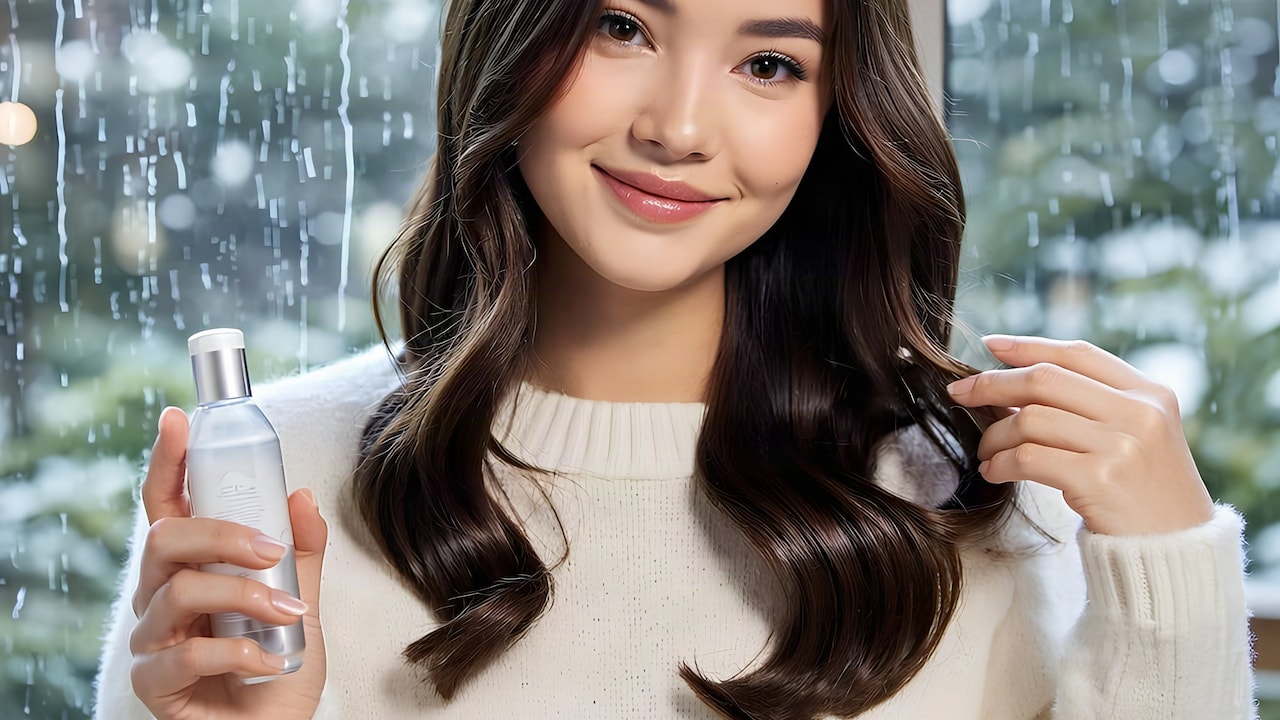
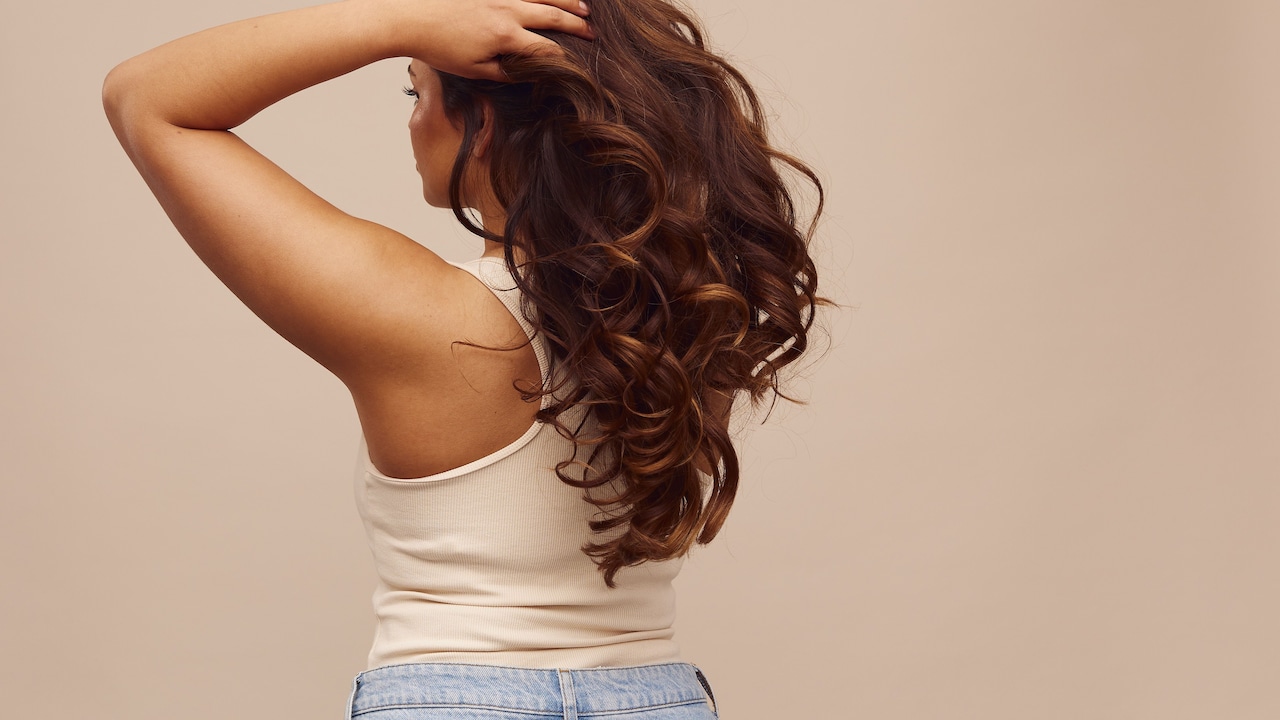
Why Does My Hair Frizz Again Right After Straightening In Monsoon? Photo Credit: iStock
Why Does Hair Become Frizzy Again After Straightening During Monsoon?
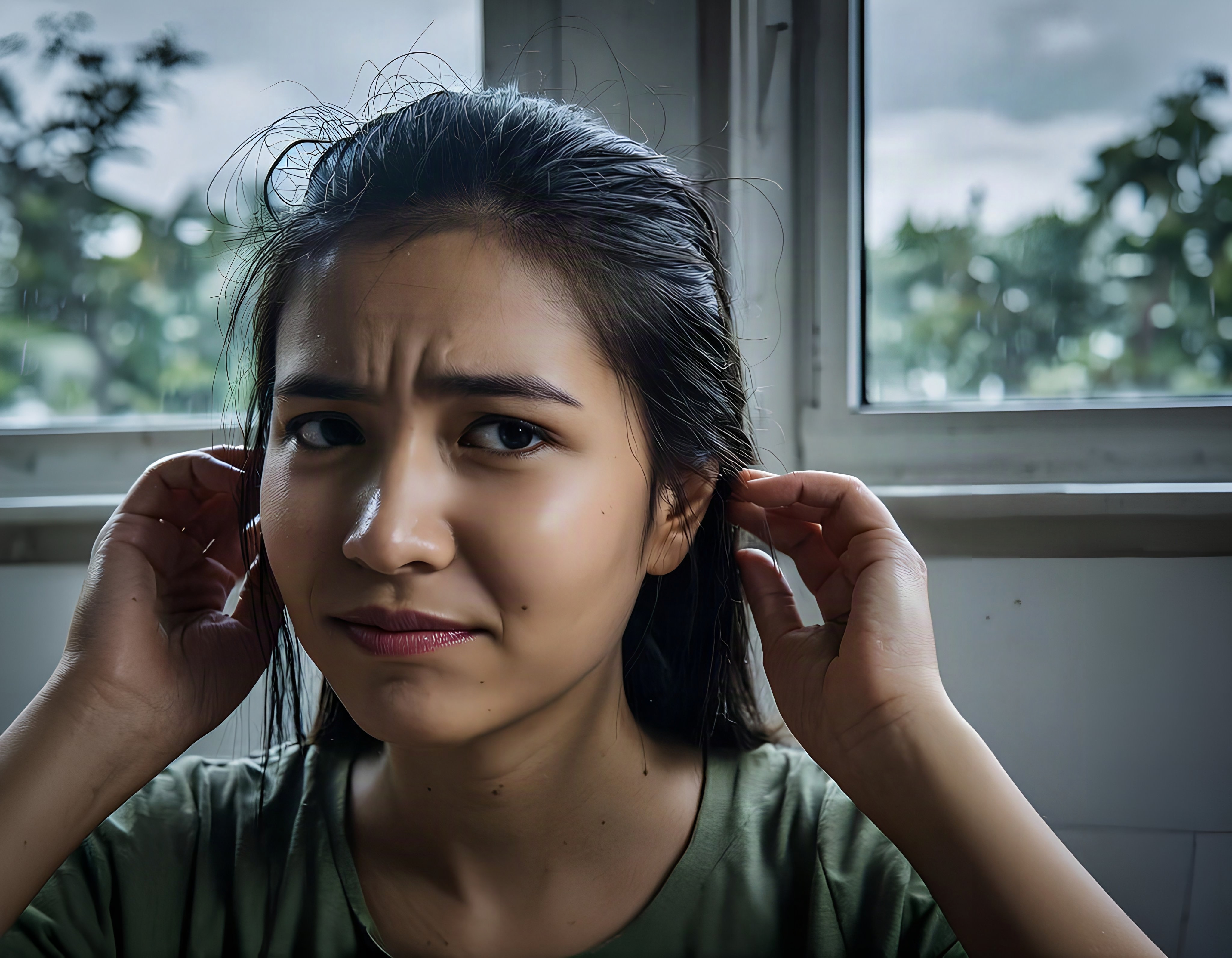
Hair naturally absorbs moisture from the air, and monsoon weather is packed with humidity. When your hair takes in that extra moisture, the hair shaft does swell a bit and messes up the smooth, sleek structure that was made by straightening. Then, your hair starts to curl again, puff up or it gets those little flyaways out of nowhere.
This result tends to show up even more if your hair is naturally wavy, curly, damaged, or porous, since those hair kinds draw in moisture faster than healthy, low-porosity hair does.
Also Read: Bad Hair Day? These Hair Care Heroes Could Change That
Does Hair Type Make Monsoon Frizz Worse?
Yes, humidity messes with almost everybody, but some hair seem to deal with it worse, if that makes sense. Like, you can feel it, and then suddenly your strands start behaving a bit differently.
If you have curly or wavy hair, you may notice that your natural texture comes back fast, especially right after straightening. And if the hair is chemically treated, bleached, or heat-damaged, it tends to get frizzy quicker too, because the cuticle is already kind of weakened. Plus, even fine hair can turn unruly if it is missing the right hydration, or if it doesn't have proper protection.
1. Wash Hair With A Moisture-Balancing Shampoo
Pick a shampoo without sulphates that cleanses, yet it doesn't tear away the natural oils. Hair that's too dry usually ends up taking in more humidity from the surroundings, and then the frizz gets even more noticeable, especially after straightening.
2. Never Skip Conditioner
A nourishing conditioner smooths the hair cuticle and locks in moisture where it belongs. This creates a protective barrier that reduces the amount of humidity your hair absorbs throughout the day.
3. Dry Hair Completely Before Straightening
Never use a straightener on damp or slightly wet hair. Even a little moisture trapped inside the strands can lead to instant frizz once you step outdoors. Blow-dry your hair completely before using any heat styling tool.
4. Always Apply A Heat Protectant
Heat protectant sprays or creams make a thin layer on the hair, which limits heat damage, but also helps your style stay smoother for longer. They also boost shine, and they tame those flyaways a bit, so everything looks more polished.
What Styling Mistakes Make Straightened Hair Frizz Faster?
Using extreme heat, taking those thick hair sections, skipping heat protection, or straightening more than once can end up weakening the hair cuticle instead of properly locking it in, and then it feels rougher. Also, if you keep touching your hair a lot after styling, or you step outside right away, it may get moisture sooner, like it just can't settle.
Using older straighteners with uneven heat plates can also make it difficult for your hair to reach that smooth, sleek finish.
Step 1: Straighten Hair In Small Sections
When you work with thinner sections, the straightener can spread heat more or less evenly across each strand. It sort of gives a cleaner finish and, you know, it also means less need for doing the same pass over and over again, which can end up wearing down hair faster.
Step 2: Finish With An Anti-Frizz Serum
A lightweight serum seals the hair cuticle, adds shine, and creates an extra layer against humidity. Focus mainly on the mid-lengths and ends rather than the scalp.
Step 3: Avoid Stepping Into Humid Air Immediately
If it's feasible, stay indoors for a few minutes after you straighten your hair. Try not to move immediately, like right away, from an air-conditioned room into that humid outdoor air, because it can trigger sudden moisture-absorbing effects.
Step 4: Protect Hair While Outdoors
Carry an umbrella, wear a loose scarf during heavy rain, or tie your hair into a low ponytail if humidity is unavoidable. Reducing direct exposure helps preserve your hairstyle for longer.
Can You Keep Hair Straight Longer During Monsoon?
Absolutely. While no hairstyle is 100% immune to monsoon humidity, but using the right haircare products with proper styling techniques can cut down frizz quite a bit, like noticeably. When your hair is well moisturised and healthy, it resists humidity better than dry, damaged strands. So in the long run, consistent hair care matters just as much as whatever routine you do to style it each day.
Why Does My Hair Frizz Again Right After Straightening In Monsoon; Photo Credit: iStock
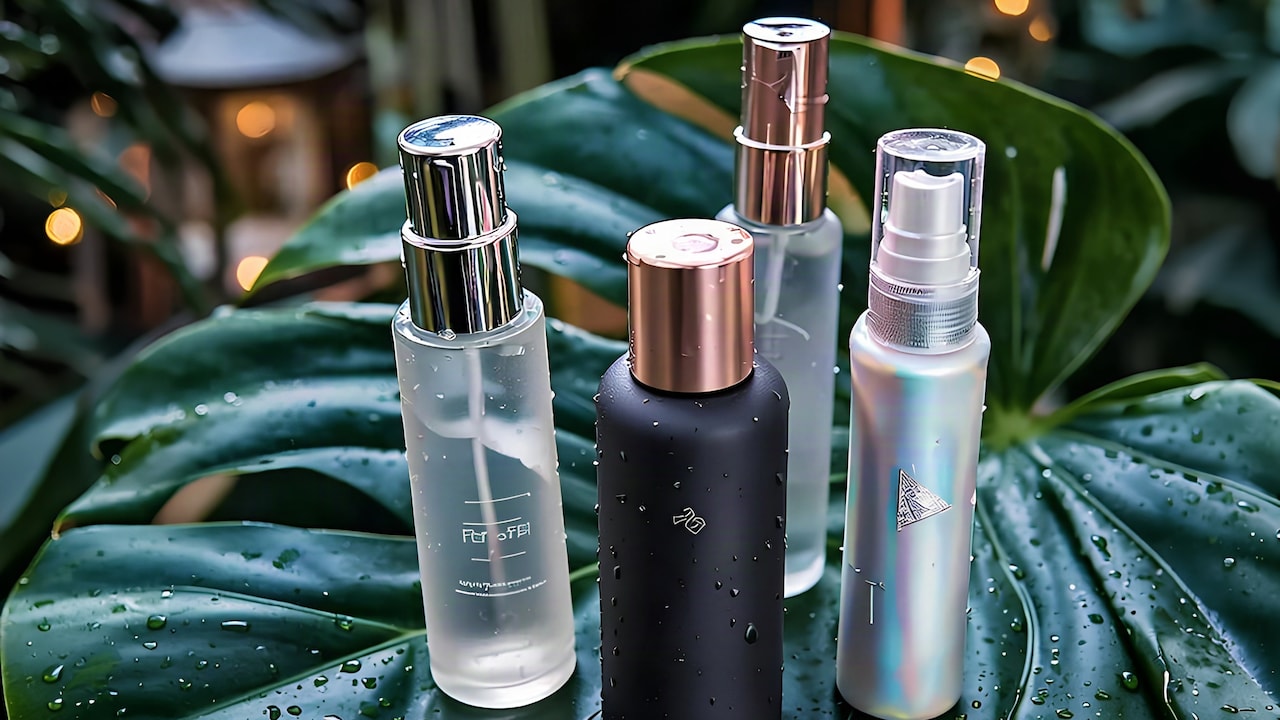
Some Hair Anti-Frizz Products You May Like
1. Streax Frizz Control Hair Serum for Dry & Frizzy Hair with 72 Hrs Frizz Control
2. MOXIE BEAUTY On The Fly Hair Finishing Stick
3. Renee Frizz-Free Anti-Frizz Hair Gel with Biotin & Rosemary
4. Hair Pure Heat Protector Spray 230 Defense From Styling Tools Hair Spray
5. Fix My Curls Frizz Control Stick
6. MANETAIN Frizz Control Curl Cream
7. Soulflower Rosemary Smooth Frizz Free Hair Serum
8. Thriveco Fix Leave-In Hair Cream
Choosing the right haircare products can transform the way your hair looks and feels over time. Whether you rely on lightweight serums for daily frizz control or richer treatments for weekly nourishment, consistency is key. Buy on Amazon to upgrade your haircare routine and enjoy smoother, frizz-free hair all season long. Shop now on Myntra
Frequently Asked Questions (FAQs)
1. Why does my hair become frizzy immediately after straightening?
Humidity causes the hair shaft to absorb moisture from the air, making it swell and return to its natural texture, especially during monsoon.
2. Should I straighten my hair every day in monsoon?
Daily heat styling isn't really recommended, because the same heat again and again can start damaging the hair cuticle, and as that happens, frizz ends up getting worse, little by little over time. It's kind of annoying, but the heat makes the surface less stable, and then the strands get more unruly.
3. Does using more heat keep hair straight for longer?
Not necessarily. Too much heat may end up weakening your hair, not really making the results better. When you use the right temperature, plus a heat protectant, you'll usually get much more reliable outcomes.
4. Which products help reduce monsoon frizz?
Anti-frizz serums, leave-in conditioners, heat protectants, and humidity-resistant styling creams can help maintain smoother hair.
5. Can damaged hair become frizzier during the rainy season?
Yes. Damaged or chemically treated hair absorbs moisture more easily, making it more prone to frizz and loss of smoothness in humid weather.
(Disclaimer: This article may include references to or features of products and services made available through affiliate marketing campaigns. NDTV Convergence Limited (“NDTV”) strives to maintain editorial independence while participating in such campaigns. NDTV does not assume responsibility for the performance or claims of any featured products or services.)