Eau de Toilette vs. Eau de Parfum Explained: The Chemistry Behind Fragrance Longevity
Confused between Eau de Toilette and Eau de Parfum? The answer lies in chemistry. From fragrance concentration to evaporation, discover why one scent fades quickly while the other lingers for hours.
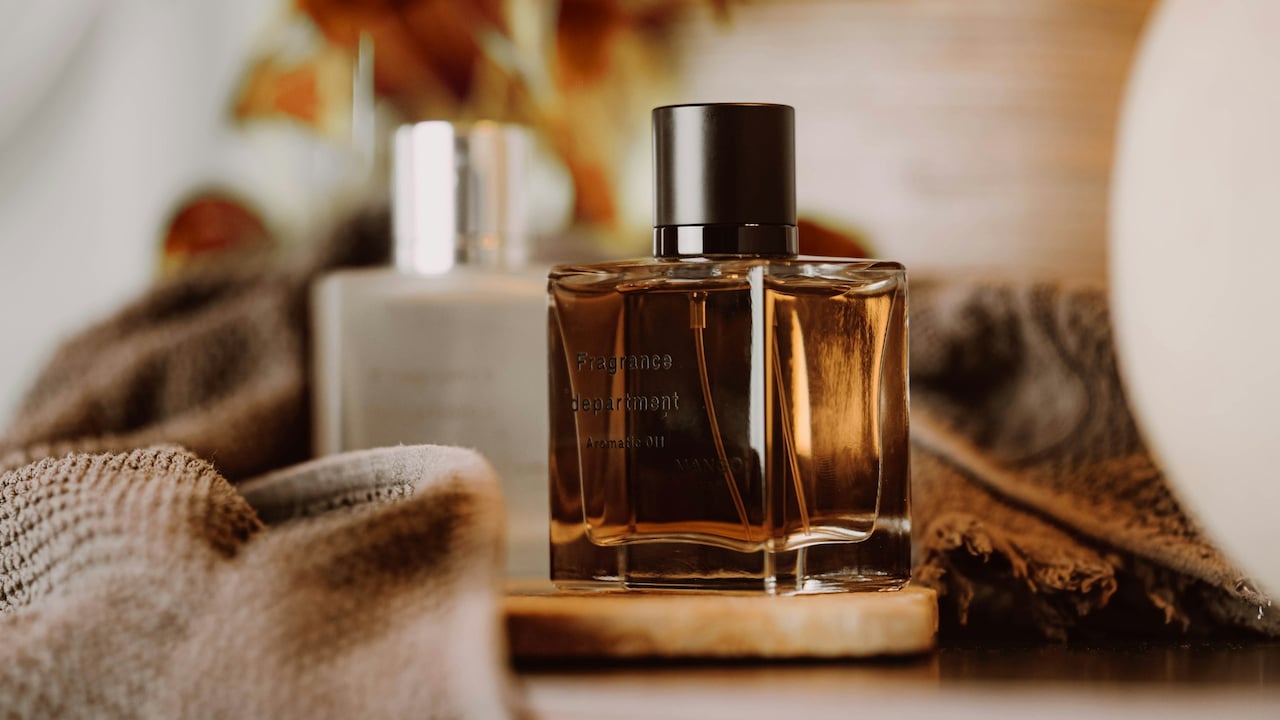
Eau de Toilette vs. Eau de Parfum: The Chemistry Behind Their Different Staying Power.
Fragrance sits quietly among life's small luxuries. A tiny bottle on a dresser can hold nostalgia, personality, and even confidence. One quick spritz before a meeting, a wedding, or a long commute often feels like armour against the day's chaos.
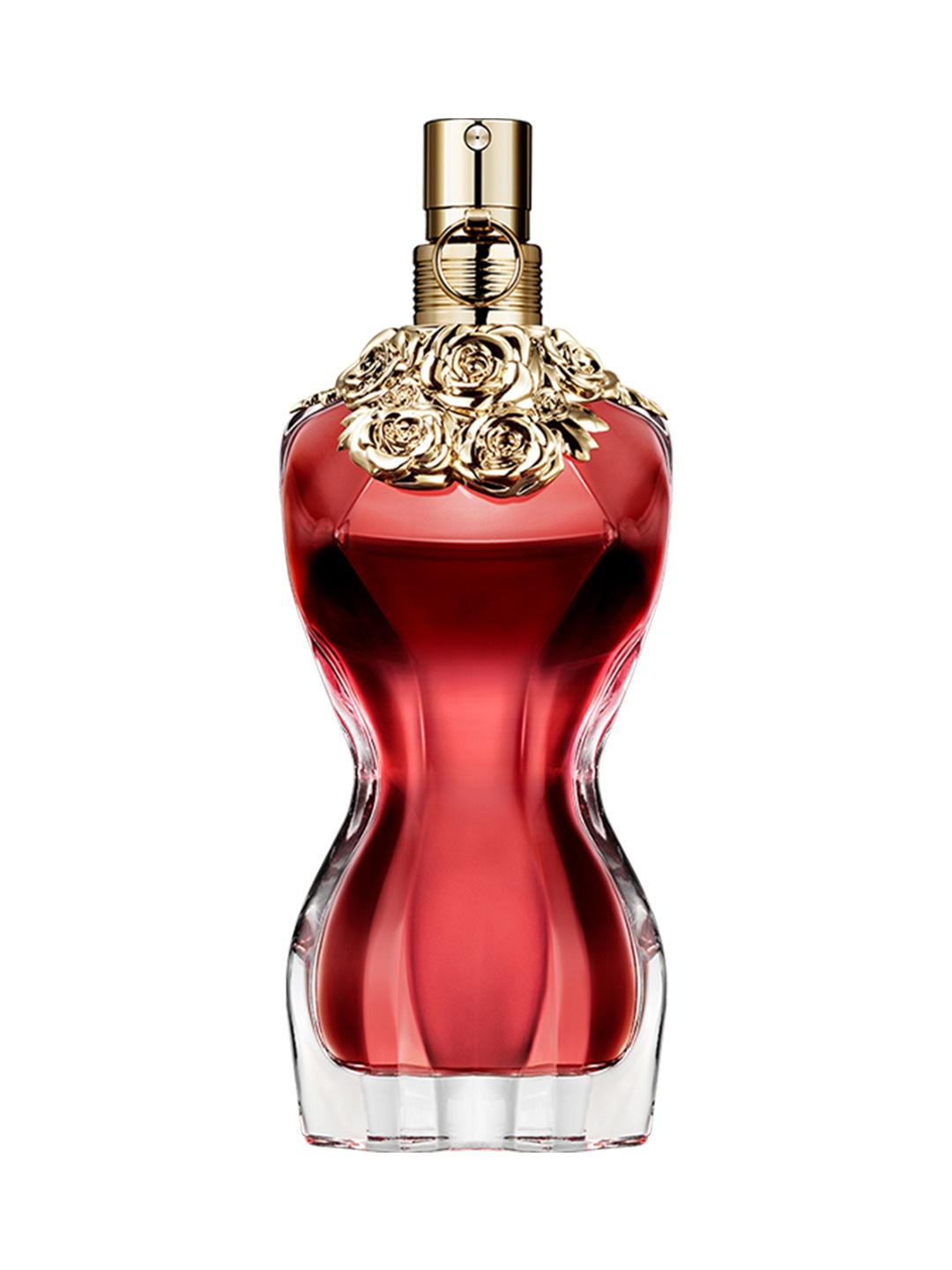
Yet perfume counters often present a puzzle. Eau de Toilette stands beside Eau de Parfum, sometimes with a noticeable price difference. A 50 ml bottle of Eau de Toilette may cost around ₹3,000 while the Eau de Parfum version of the same scent might climb closer to ₹5,500. Many shoppers assume the cost difference reflects branding or marketing. In reality, chemistry tells a more interesting story.
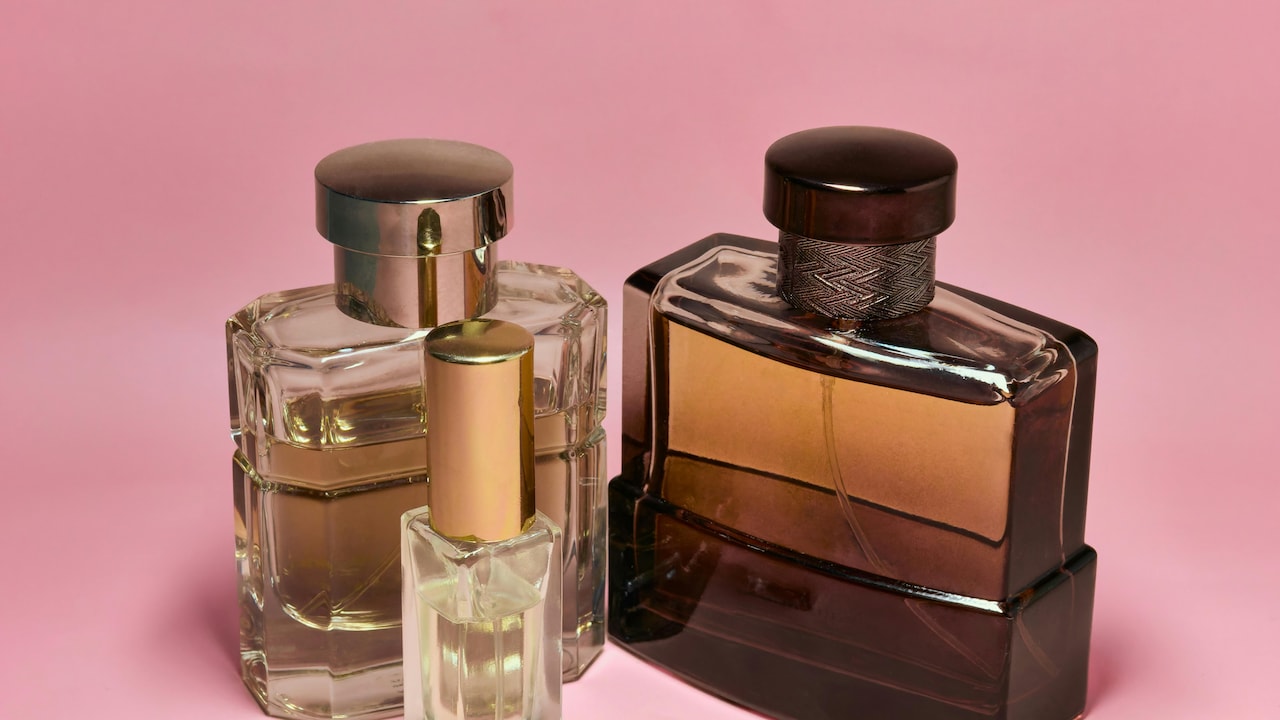
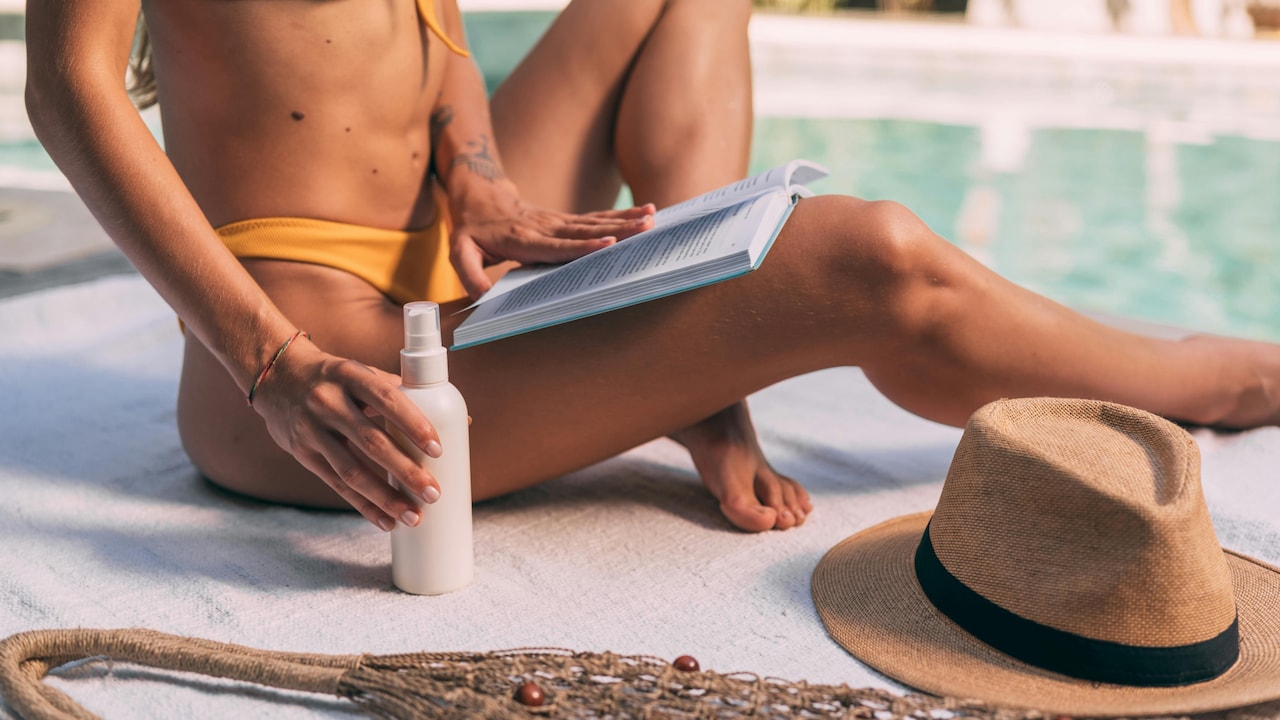
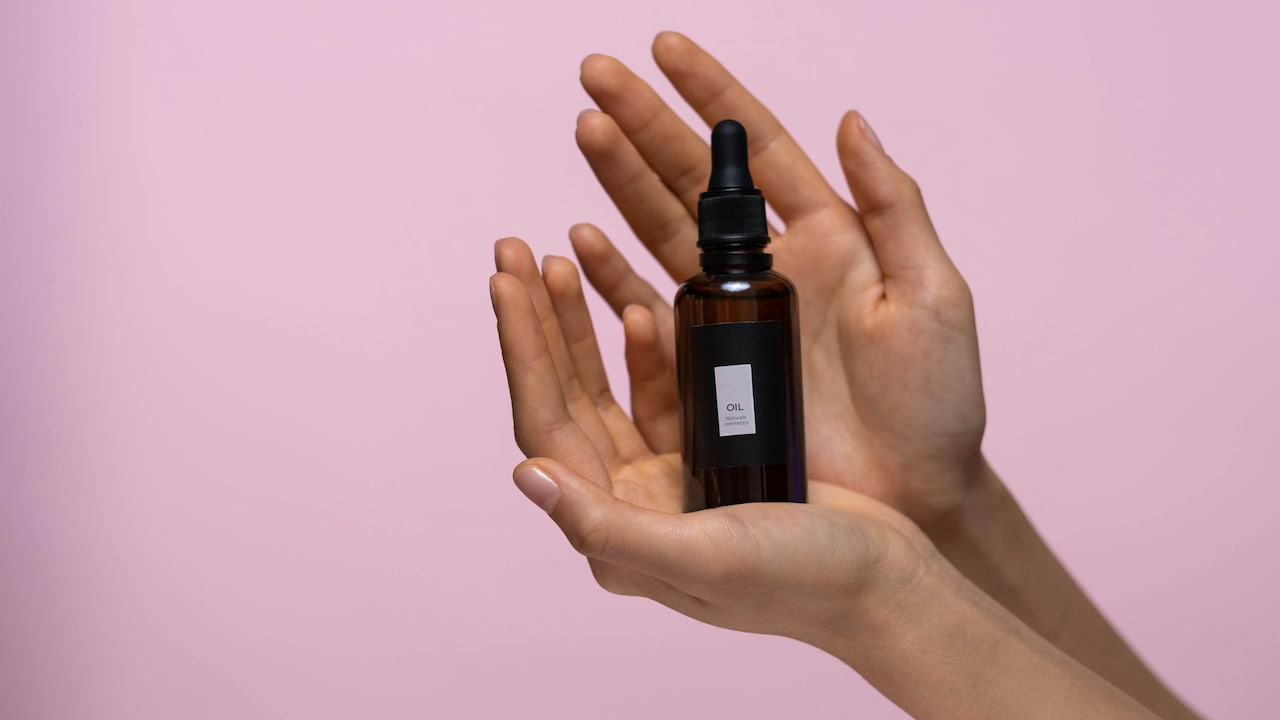
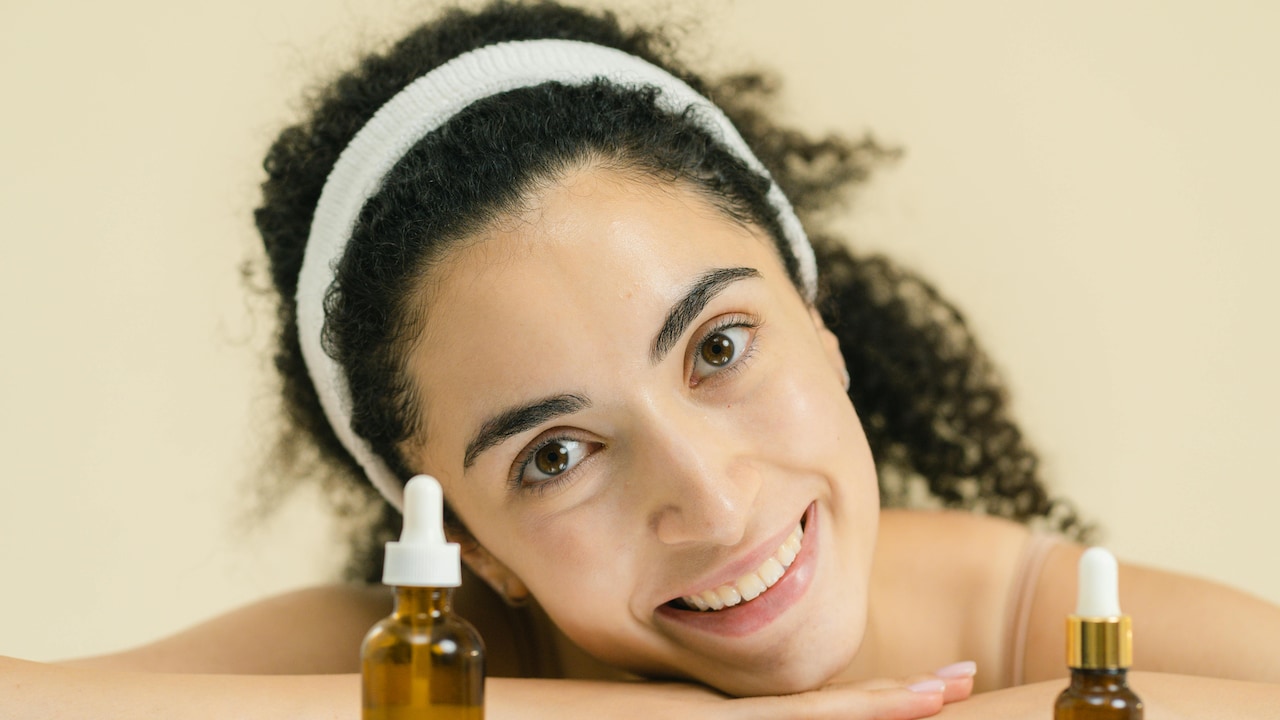
Top things to know before choosing between Eau de Toilette vs. Eau de Parfum; Photo Credit: Pexels
Perfume does not simply “smell nice”. It functions as a carefully designed mixture of aromatic oils, alcohol, water, and stabilisers. These ingredients interact with body heat, skin oils, and even the surrounding air. The concentration of fragrance oils determines how long a scent lingers and how it evolves throughout the day.
Eau de Toilette and Eau de Parfum represent two distinct formulas in this delicate balance. One feels airy and refreshed, while the other appears richer and more persistent. The difference may seem subtle at first spray, yet the chemistry beneath the surface explains why one scent disappears by late afternoon while the other remains noticeable long after sunset.
Also Read: Top 10 Luxury Perfume Brands For A Cool And Fresh Summer
Understanding Why Some Perfumes Last Longer Than Others
Concentration Levels Shape The Entire Fragrance Experience
The simplest difference between Eau de Toilette and Eau de Parfum lies in concentration. Fragrance oils create the scent, while alcohol helps disperse those oils into the air. The ratio between these two elements determines how powerful the fragrance becomes.
Eau de Toilette typically contains around 5 to 15 per cent fragrance oils. The rest of the formula largely consists of alcohol and a small amount of water. This lighter composition creates a fresh and airy scent that feels comfortable for daily wear.
Eau de Parfum contains a noticeably higher concentration, usually between 15 and 20 per cent fragrance oils. More aromatic compounds mean the scent feels deeper and lasts longer on the skin.
Imagine brewing tea. A quick dip of the tea bag produces a mild flavour, while leaving it longer creates a richer cup. Perfume works in a similar way. A higher concentration releases more scent molecules over time.
That higher oil content also explains the price difference. Fragrance oils often represent the most expensive ingredient in perfume creation. When a bottle holds more of those oils, the final product naturally costs more.
Alcohol Content Influences How Quickly A Scent Evaporates
Alcohol often receives little attention in perfume discussions, yet it plays a major role in how fragrance behaves. Alcohol acts as a carrier, helping fragrance molecules spread quickly once sprayed onto skin.
Eau de Toilette contains a higher proportion of alcohol. This allows the scent to burst into the air immediately after application. The opening feels lively and energetic, which explains why many people choose Eau de Toilette for daytime wear.
However, alcohol evaporates rapidly. As it disappears, it carries lighter scent molecules away with it. That evaporation causes the fragrance to fade more quickly.
Eau de Parfum contains less alcohol and more oil. With fewer volatile elements escaping quickly, the fragrance unfolds slowly. The scent does not explode into the air but develops gradually.
In humid climates, this difference becomes even more noticeable. Heat accelerates evaporation, so an Eau de Toilette may vanish sooner than expected. Eau de Parfum, with its heavier composition, resists that quick disappearance and continues releasing scent through the day.
Top, Heart, And Base Notes Reveal The Structure Of Perfume
Perfume follows a structured journey, much like a story with an opening, middle, and ending. Perfumers describe these stages as top notes, heart notes, and base notes.
Top notes create the first impression. Citrus, light florals, or herbs often appear here because they evaporate quickly. These notes dominate the first few minutes after spraying.
Heart notes form the central personality of the fragrance. Rose, jasmine, spices, or fruity accords often appear here. They emerge once the top notes begin to fade.
Base notes provide depth and longevity. Ingredients such as sandalwood, vanilla, amber, and musk sit in this final stage. These molecules evaporate slowly, allowing the scent to linger.
Eau de Toilette emphasises top and heart notes. The composition feels bright and immediate, though the scent may disappear sooner.
Eau de Parfum highlights base notes more strongly. The fragrance gradually settles into a deeper aroma that remains noticeable for hours.
This layered structure explains why the same fragrance name can smell different depending on its concentration.
Molecular Weight Determines How Long A Scent Lingers
Behind every perfume lies a complex arrangement of molecules. Some evaporate quickly while others cling stubbornly to the skin. Molecular weight plays a key role in this behaviour.
Light molecules evaporate easily. Citrus oils, green notes, and light florals fall into this category. They rise quickly into the air and create an immediate impression.
Heavier molecules behave differently. Ingredients like oud, patchouli, amber, and musk possess a greater molecular weight. These compounds evaporate slowly, allowing the fragrance to last longer.
Eau de Toilette formulas contain more of the lighter molecules. As a result, the scent projects quickly but fades sooner.
Eau de Parfum includes a higher proportion of heavier molecules. These remain on the skin for longer periods and continue releasing scent gradually.
Think of it like cooking. Steam rises instantly from a hot cup of tea, yet the aroma of slow-cooked spices fills the kitchen for hours. Perfume chemistry follows the same principle.
Skin Chemistry Changes How Fragrance Performs
No perfume behaves exactly the same on two people. Skin chemistry influences how fragrance molecules interact and evaporate.
Natural oils on the skin act as a binding surface for fragrance. People with slightly oilier skin often notice their perfume lasting longer. The oils hold scent molecules in place and slow evaporation.
Dry skin tends to absorb fragrance quickly. Without enough natural oils, the scent fades faster.
Body temperature also matters. Warm skin releases fragrance molecules more rapidly. A person who naturally runs warmer may experience stronger projection but slightly shorter longevity.
This explains why a perfume that lasted eight hours on a store tester strip might fade in four hours during daily wear.
Eau de Parfum often handles these variations better because of its higher concentration. Even when skin absorbs some of the fragrance quickly, enough aromatic compounds remain to keep the scent noticeable.
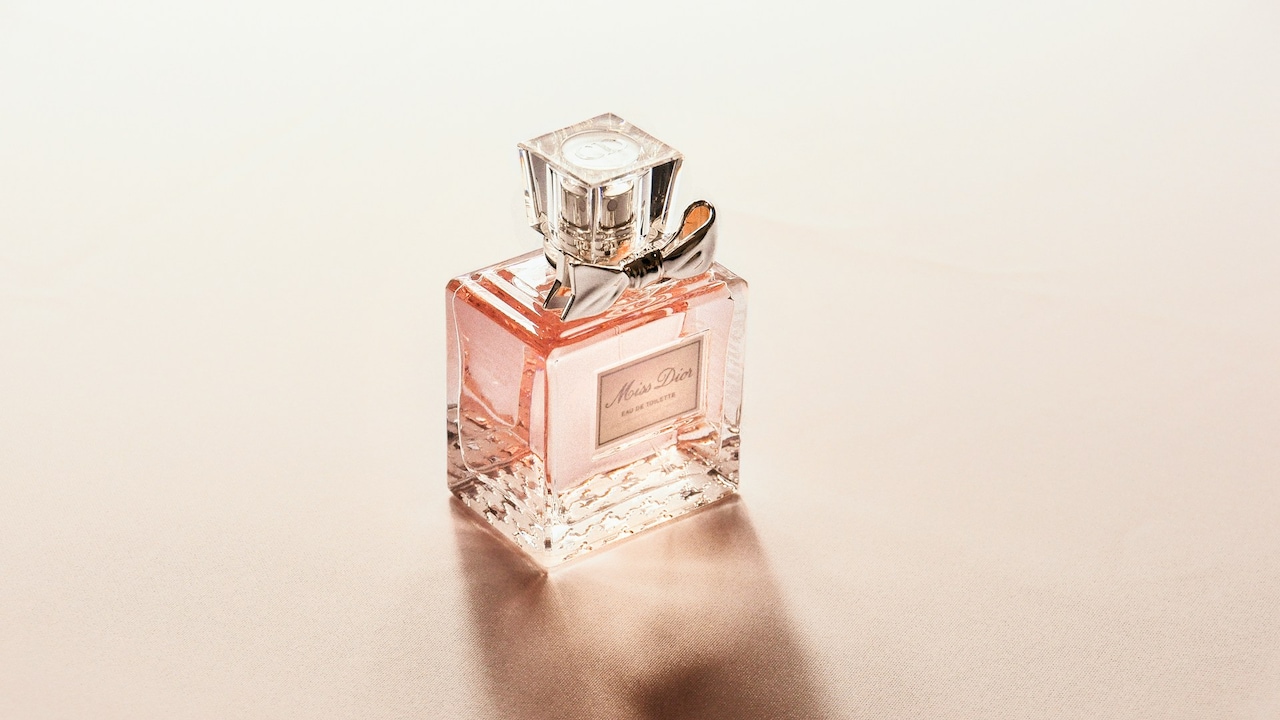
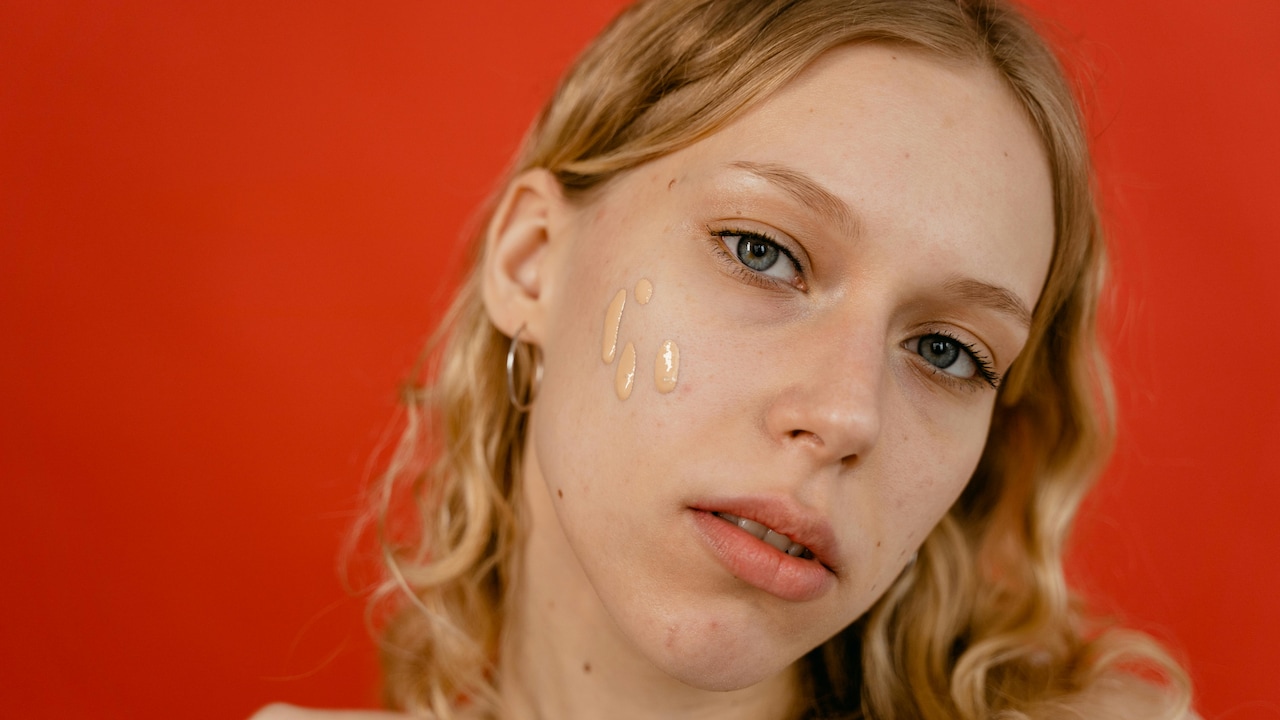
Perfumes can last longer on oily skin people as compared to dry skin ones; Photo Credit: Pexels
Climate Plays A Surprising Role In Fragrance Longevity
Weather quietly influences how perfume behaves. Warm and humid climates accelerate evaporation, allowing fragrance molecules to disperse faster.
During summer afternoons, Eau de Toilette can feel refreshing because of its lightness. The scent does not overwhelm the senses in hot conditions.
However, the same warmth may shorten its staying power. Heat encourages alcohol and lighter molecules to evaporate quickly.
Eau de Parfum handles these conditions differently. Its heavier base notes resist rapid evaporation and continue releasing scent throughout the day.
In cooler weather, the contrast becomes less dramatic. Lower temperatures slow evaporation, allowing both types of fragrance to last longer.
This explains why some people switch perfume concentrations depending on the season. Light compositions feel perfect for scorching afternoons, while richer formulas suit cooler evenings and festive gatherings.
Application Techniques Influence How Long Perfume Lasts
Even the most luxurious perfume may disappear quickly if applied incorrectly. Fragrance works best when sprayed on pulse points, where warmth helps release scent gradually.
Areas such as the wrists, neck, behind the ears, and inner elbows produce gentle heat. This warmth activates fragrance molecules and allows them to diffuse naturally.
Rubbing wrists together after spraying may feel instinctive, yet it disrupts the perfume structure. Friction breaks down delicate top notes and causes the scent to fade faster.
Layering fragrance can improve longevity. A scented body lotion or moisturiser creates a base that holds perfume molecules longer. Even an unscented moisturiser helps by preventing the skin from absorbing fragrance too quickly.
Eau de Toilette often benefits from reapplication later in the day. A small travel spray in a bag solves this easily.
Eau de Parfum usually requires fewer sprays because its stronger concentration continues working long after application.
Price Differences Reflect Ingredient Costs And Craft
The price gap between Eau de Toilette and Eau de Parfum often surprises shoppers. Two bottles from the same fragrance line can differ by several thousand rupees.
Fragrance oils form the most expensive component in perfume creation. Natural extracts such as jasmine absolute, rose oil, or sandalwood require enormous quantities of raw material.
For example, producing a single kilogram of rose oil may require several tonnes of petals. This labour-intensive process raises the cost significantly.
Eau de Parfum contains more of these precious oils. The higher concentration increases production costs, which eventually appear in the retail price.
However, longevity also changes the value equation. A stronger fragrance often requires fewer sprays, allowing the bottle to last longer.
While Eau de Toilette appears more affordable initially, Eau de Parfum may provide better long-term value depending on how often the fragrance gets used.
Scent Projection Creates Different Personal Experiences
Fragrance does more than linger; it travels through the air. Perfumers refer to this movement as projection or “sillage”.
Eau de Toilette usually projects quickly after application. The scent feels lively and noticeable within the immediate surroundings. However, this projection softens faster as lighter molecules evaporate.
Eau de Parfum behaves differently. The scent may appear subtler at first but builds depth over time. Instead of a sharp burst, the fragrance forms a steady aromatic presence around the wearer.
This difference often shapes how people choose their perfume. Light projection works well for offices, classrooms, and daily errands where subtlety matters.
Stronger and longer-lasting projection suits evening events, celebrations, or formal gatherings where fragrance becomes part of personal style.
Understanding this distinction helps shoppers choose the right perfume for different moments rather than relying on a single bottle for every occasion.
Choosing The Right Concentration Depends On Lifestyle
The decision between Eau de Toilette and Eau de Parfum rarely depends on chemistry alone. Lifestyle plays an equally important role.
A busy weekday filled with meetings, commuting, and errands may call for something light and refreshing. Eau de Toilette fits comfortably into these routines because it feels effortless and easy to reapply.
Evenings often demand a fragrance with more presence. A richer scent that lingers through dinner or celebrations feels more appropriate for these moments. Eau de Parfum usually handles this role well.
Budget considerations also influence the choice. Someone building a fragrance collection might start with Eau de Toilette versions to explore different scent families without spending heavily.
Meanwhile, a favourite signature scent often deserves the Eau de Parfum treatment because of its longer staying power.
Rather than choosing one over the other permanently, many fragrance enthusiasts keep both types within reach.
Products Related To This Article
1. Marks & Spencer Velvet Amber Eau De Toilette 100ml
2. Bella Vita Organic Vanilla Gourmet Long lasting Eau De Parfum
3. United Colors of Benetton Women United Dreams Live Free Eau de Toilette
4. Plum BodyLovin' Hawaiian Rumba Long Lasting Beachy Eau De Parfum
5. Bella Vita Organic FRESH Eau De Toilette
6. Ajmal Summer Sage Unisex Jasmine Musk Soft Scent Long Lasting EDP Perfume
7. Elizabeth Taylor Women White Diamonds Eau De Toilette Spray
Perfume may appear simple at first glance, yet every spray releases a quiet piece of chemistry into the air. Eau de Toilette and Eau de Parfum differ not only in strength but also in how fragrance molecules behave over time.
Concentration levels, alcohol content, molecular weight, skin chemistry, and climate all influence how long a scent lasts. These scientific factors shape the experience of fragrance from the first bright note to the lingering base that remains hours later.
Eau de Toilette offers freshness and lightness, perfect for daily routines and warm afternoons. Eau de Parfum delivers depth and endurance, creating a richer scent that stays present long after application.
Understanding these differences transforms perfume shopping from guesswork into an informed choice. The next visit to a fragrance counter no longer feels confusing. Instead, it becomes an opportunity to select a scent that matches mood, lifestyle, and occasion.
In the end, perfume remains more than chemistry. A carefully chosen fragrance quietly becomes part of a person's presence, leaving behind a trail of memory long after the moment passes.
(Disclaimer: This article may include references to or features of products and services made available through affiliate marketing campaigns. NDTV Convergence Limited (“NDTV”) strives to maintain editorial independence while participating in such campaigns. NDTV does not assume responsibility for the performance or claims of any featured products or services.)