Gel Face Cleansers vs Cream Cleansers: Skin Hydration During Dry Weather: Which Works Best
Dry weather can strip skin of moisture, making cleanser choice crucial. This article compares gel and cream face cleansers to see which better supports skin hydration during colder, drier months.

Gel vs Cream Face Cleansers: Find Out Which One Keeps Your Skin Hydrated During Dry Weather.
Dry weather does not ask for permission. One morning, the breeze feels cooler, and by evening, the skin starts sending distress signals. A face wash that once felt refreshing suddenly leaves the skin stretched and dull. Many people respond by layering heavier moisturisers, but the real issue often starts earlier in the routine. Cleansing sets the tone for the entire day or night. Gel and cream cleansers dominate bathroom shelves, each with loyal followers and bold claims. Gel cleansers promise freshness and deep cleansing, while cream cleansers whisper comfort and nourishment.
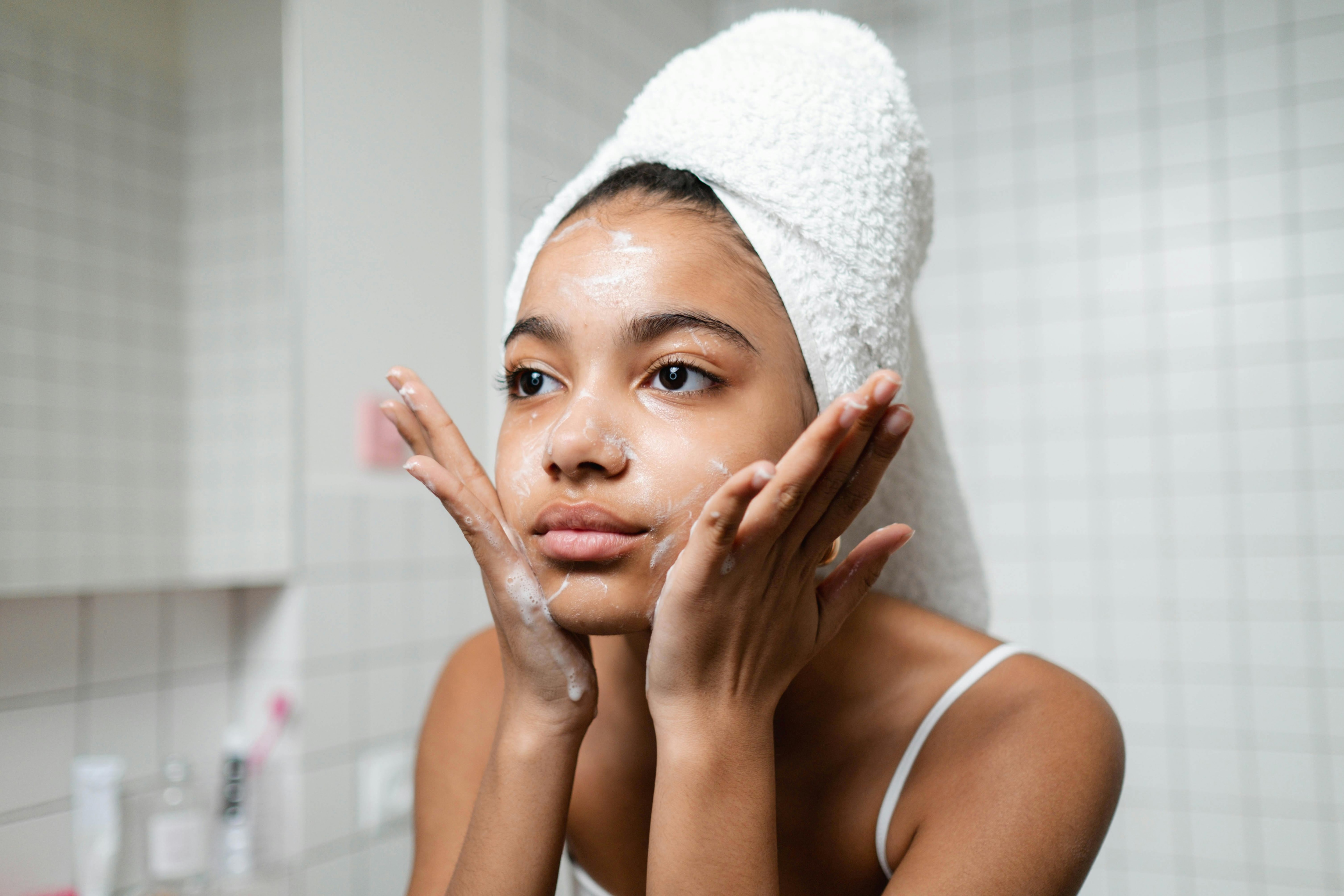
Read 10 important things you must know before choosing between gel vs cream face cleansers; Photo Credit: Pexels
So, when it comes to face cleansers vs cream cleansers, we explain what works better for skin hydration during the dry weather. From texture and ingredients to real-life usage during chilly mornings and dusty commutes, the goal remains simple: finding which option supports skin hydration best when dryness becomes unavoidable.
Also Read: 5 High-End Cleansing Balms And Cleansers That Remove Makeup and Nourish Your Skin
How Gel And Cream Cleansers Respond To Dry Weather Conditions
1. Understanding Skin Hydration During Dry Weather
Dry weather affects more than just comfort. It disrupts the skin's natural barrier, the invisible shield that keeps moisture in and irritants out. When the air lacks humidity, water escapes from the skin faster, leading to tightness, flaking, and sometimes irritation. This process starts at the surface, which means the first product used, the cleanser, plays a vital role.
Cleansing removes dirt, sweat, sunscreen, and pollution. However, it can also strip away natural oils that help retain moisture. During dry months, skin needs these oils more than ever. A cleanser that cleans too aggressively leaves skin vulnerable, making even the richest moisturiser work harder.
Hydration does not depend only on what gets added to the skin. It also depends on what stays behind. A good cleanser during dry weather should respect the skin barrier, cleanse without foam overload, and leave the face feeling calm rather than squeaky. This balance becomes the foundation for choosing between gel and cream cleansers.
2. What Defines a Gel Face Cleanser
Gel face cleansers usually feel light, clear, and refreshing. They spread easily and often create a mild lather when mixed with water. Many people enjoy the clean sensation gels provide, especially after a long day outdoors or during humid seasons.
Most gel cleansers contain surfactants that break down oil and dirt effectively. This makes them popular among those with oily or combination skin. Some gels also include soothing ingredients like aloe vera or cucumber, which offer a cooling effect that feels pleasant on tired skin.
However, during dry weather, this freshness can turn tricky. Certain gel formulas remove excess oil along with grime, leaving skin feeling tight. Not all gel cleansers behave the same way, though. Hydrating gels exist, especially those labelled as soap-free or pH-balanced. These aim to cleanse gently without disrupting moisture levels.
Choosing a gel cleanser in dry weather requires attention to ingredients and post-wash feel. When the face feels comfortable without immediate moisturiser panic, the gel has done its job well.
3. What Defines a Cream Cleanser
Cream cleansers bring a different experience altogether. They feel richer, often milky or lotion-like, and focus on comfort rather than foam. Many people describe them as gentle, nurturing, and ideal for sensitive or dry skin.
These cleansers rely on emulsifying agents rather than strong surfactants. They dissolve dirt and makeup while leaving behind a thin layer of moisture. Some even feel like a light moisturiser during application, which can feel reassuring during cold mornings.
Cream cleansers often contain nourishing ingredients such as ceramides, glycerin, and natural oils. These support the skin barrier and reduce moisture loss. During dry weather, this added nourishment can make a noticeable difference.
The downside appears when skin feels congested or heavily coated. Some cream cleansers may not suit those who enjoy a super-clean finish. However, for dry conditions, their ability to cleanse without stripping often outweighs the lack of foam or freshness.
4. Texture, Sensory Experience, and Daily Use
Skincare works best when it fits comfortably into daily life. Texture and sensory feel influence whether a product becomes a staple or gets pushed to the back of the shelf. Gel cleansers feel refreshing and light, which many prefer during rushed mornings. They rinse off quickly and leave no residue.
Cream cleansers encourage a slower routine. Massaging them into the skin feels calming, almost like a mini facial. During dry weather, this comfort becomes valuable. The skin feels cushioned rather than exposed.
Climate also affects preference. In colder months, washing the face with a gel cleanser and cold water can feel harsh. A cream cleanser, paired with lukewarm water, feels gentler and more forgiving.
Both textures have their charm. The key lies in how the skin feels after cleansing. Comfortable, supple skin signals a good match. Tightness, redness, or flakes suggest the cleanser works against the weather rather than with it.
5. Ingredients That Matter for Hydration
Ingredients often decide how a cleanser behaves during dry weather. Gel cleansers may include alcohol-based components or strong foaming agents that dry the skin further. Hydrating gels counter this with humectants like glycerin or hyaluronic acid.
Cream cleansers usually excel here. They often contain fatty acids, ceramides, and emollients that mimic natural skin oils. These ingredients help repair the barrier and lock in moisture.
Fragrance deserves attention, too. Strong scents can irritate already dry skin. Mild or fragrance-free options suit dry weather better, regardless of cleanser type.
Reading labels becomes a helpful habit. A cleanser designed for hydration should mention gentle cleansing, barrier support, or moisture retention. During dry months, this small effort can save skin from weeks of discomfort.

Look for ingredients meant to hydrate and moisturise your skin in winter; Photo Credit: Pexels
6. How Gel Cleansers Perform in Dry Weather
Gel cleansers can still work during dry weather, but they need careful selection. Lightweight, hydrating gels designed for sensitive or dry skin perform better than oil-control formulas.
These gels cleanse effectively without over-foaming. They suit people who dislike heavy textures but still want hydration support. When followed by a good moisturiser, they maintain balance reasonably well.
Problems arise when gel cleansers focus too much on deep cleansing. Excessive oil removal worsens dryness and makes skin prone to irritation. Using such products twice daily during winter often leads to flaking around the nose and mouth.
Using gel cleansers once a day, preferably at night, can reduce dryness. Pairing them with a nourishing routine afterwards makes them workable, even when the air lacks moisture.
7. How Cream Cleansers Perform in Dry Weather
Cream cleansers truly shine during dry weather. Their gentle nature suits skin that already feels compromised. They cleanse without disturbing natural oils, which helps maintain softness and elasticity.
Many people notice reduced tightness and fewer dry patches when switching to cream cleansers during colder months. Makeup removal feels easier without aggressive rubbing.
Cream cleansers also support ageing skin, which tends to lose moisture faster. The nourishing ingredients provide comfort and reduce the appearance of dullness caused by dryness.
However, they may feel too rich for some, especially during daytime cleansing. Adjusting usage, such as using cream cleansers at night and lighter products in the morning, offers a balanced approach.
8. Skin Type Matters More Than Trends
No cleanser suits everyone, regardless of the weather. Skin type remains a crucial factor. Dry and sensitive skin usually benefits from cream cleansers during dry weather. Combination skin may prefer hydrating gels or alternating between them.
Oily skin does not automatically need harsh cleansers. Even oil-prone skin experiences dehydration in dry weather. A gentle gel or light cream cleanser prevents overcompensation, where skin produces more oil due to dryness.
Listening to skin responses helps more than following trends. If redness, itching, or flaking appear, the cleanser likely needs a change. Skin communicates clearly when given attention.
9. Cost, Availability, and Value for Money
Face cleansers range from budget-friendly to premium. Thankfully, effective options exist across price points. Many affordable cream cleansers deliver excellent hydration support without heavy fragrance or unnecessary additives.
Gel cleansers also vary widely. Hydrating versions may cost slightly more but last longer due to concentrated formulas. Considering the cost per use helps make better choices.
Spending ₹300 to ₹600 on a well-formulated cleanser often proves more valuable than investing heavily in serums to fix cleanser-induced dryness. Skincare works best when each step supports the next.
10. Choosing What Works Best for Dry Weather
When dry weather settles in, skin needs kindness. Cream cleansers generally offer better hydration support, making them a safer choice for most during these months. They protect the skin barrier and reduce moisture loss.
Gel cleansers still have a place, especially hydrating ones. They suit those who prefer lighter textures or have combination skin. The key lies in selecting gentle formulas and adjusting frequency.
The best cleanser leaves skin clean, calm, and comfortable. When dryness no longer feels like a daily battle, the choice proves successful.
Products Related To This Article
1. PLIX THE PLANT FIX Salicylic Acid Jamun Face Wash Cleanser Gel For Active Acne 100ml
2. Dove Beauty Moisture Conditioning Face Wash Cleanser
3. DOT & KEY Deep Pore Clean Milky Foam Face Wash Cleanser with Seaweed
4. Mamaearth Chia Calming Face Cleanser With Chia Seed
5. MCaffeine Vitamin C Green Tea Face Wash with Hyaluronic Acid Dirt Removal Cleanser
6. Pilgrim Red Vine Face Wash Cleanser for Anti Ageing & De-Pigmentation
7. Olay Luminous Brightening Foaming Cleanser & Face Wash For Clear & Even Skin
Dry weather challenges skin in subtle yet persistent ways. While moisturisers often get the spotlight, cleansing deserves equal attention. Gel and cream cleansers each bring strengths and limitations, especially when humidity drops. Cream cleansers usually win the hydration battle. Gel cleansers can still perform well when chosen wisely and used mindfully. Ultimately, skin comfort should guide the decision, not marketing promises or seasonal trends. A well-chosen cleanser makes dry weather feel less intimidating.
(Disclaimer: This article may include references to or features of products and services made available through affiliate marketing campaigns. NDTV Convergence Limited (“NDTV”) strives to maintain editorial independence while participating in such campaigns. NDTV does not assume responsibility for the performance or claims of any featured products or services.)