How Often Should You Use Hair Masks? Dos and Don'ts You Need to Know
Using hair masks too often can weaken hair instead of repairing it. From greasy roots to breakage, learn the key dos and don’ts that help you get the benefits, without overdoing it.
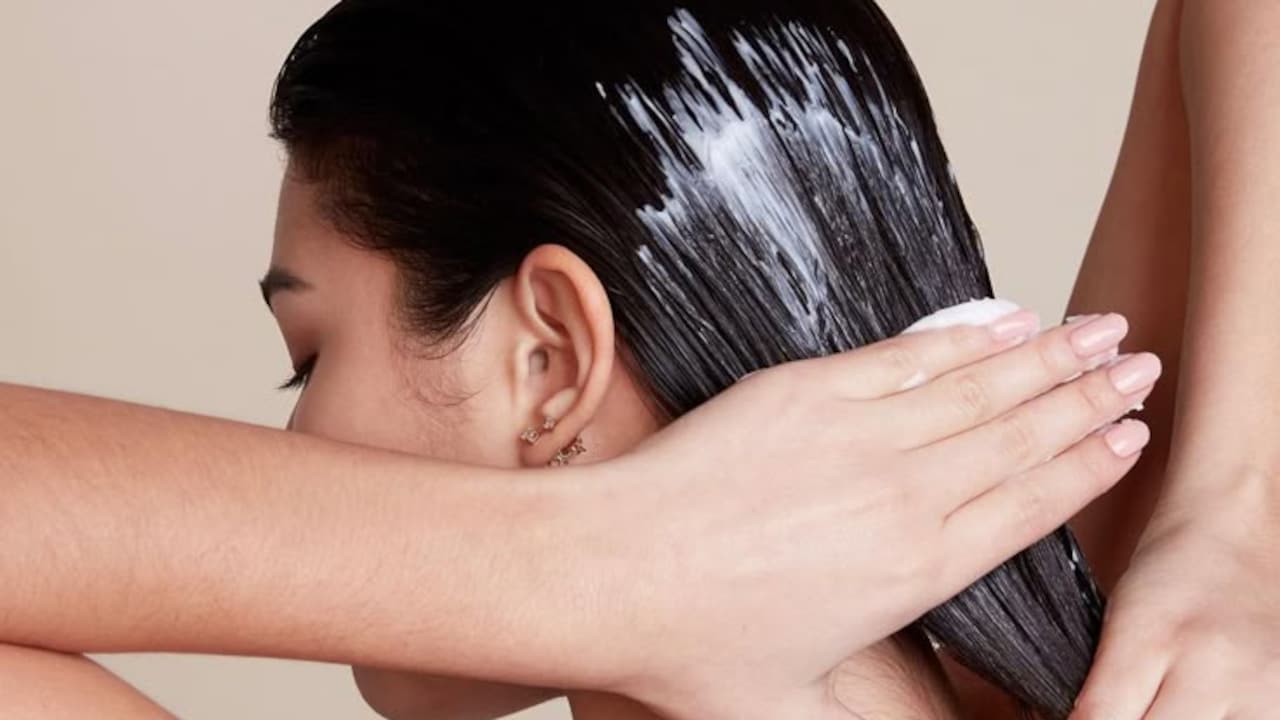
If You Are Using Hair Masks Too Often, Then Here Are The Top Dos And Don'ts To Pay Attention To.
Hair masks have earned celebrity status in bathrooms across the country. From banana blends whipped up in kitchens to fancy jars that cost more than a weekend brunch, these treatments feel like instant self-care. On stressful days, slathering on a rich mask can feel comforting, almost therapeutic. But here's the twist: More does not always mean better. Hair, much like skin, needs balance. Overfeeding it can lead to problems that no amount of serum can hide. Flat roots, greasy lengths, and sudden hair fall often start as innocent overuse.
This article explores the fine line between nourishing and overdoing. It looks at habits many people follow without realising the impact. So, let's get into the top dos and don'ts of using hair masks the right way.

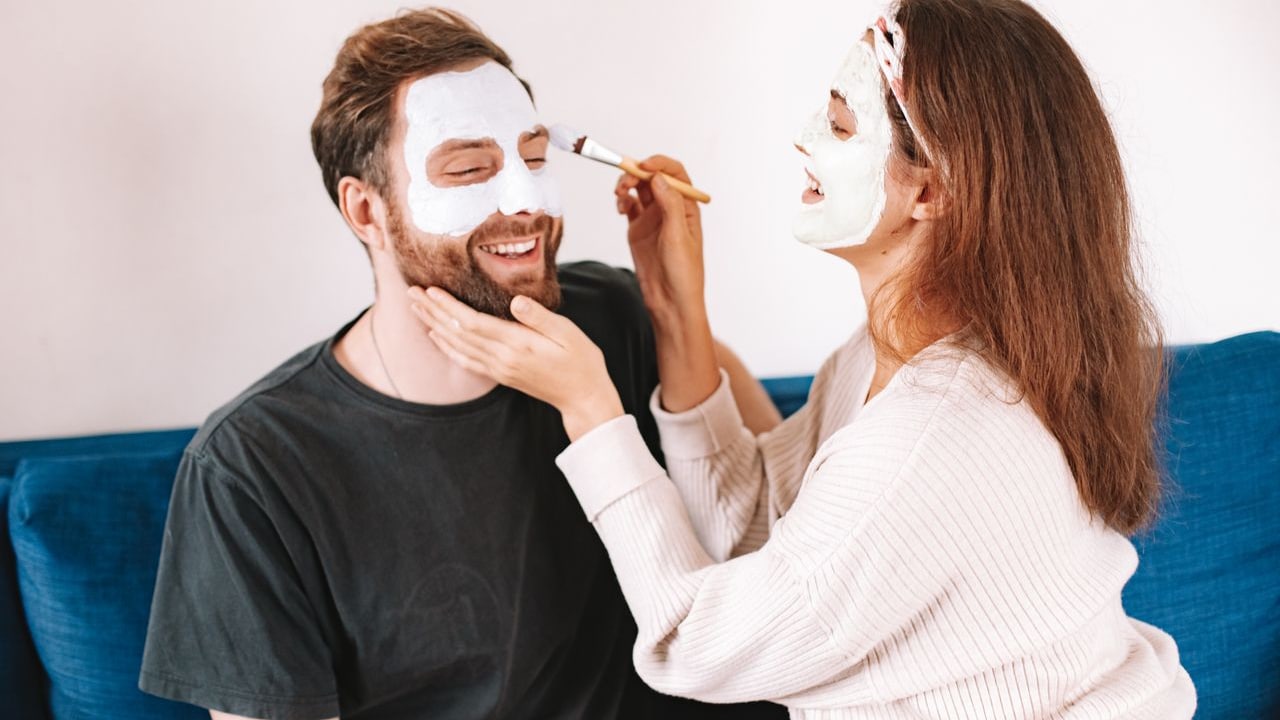
If You Are Using Hair Masks Too Often, Then Here Are The Top Dos And Don'ts To Pay Attention To.; Photo Credit: Pexels
Because Even Good Hair Care Can Go Overboard
1. Do Understand Your Hair Type Before Masking
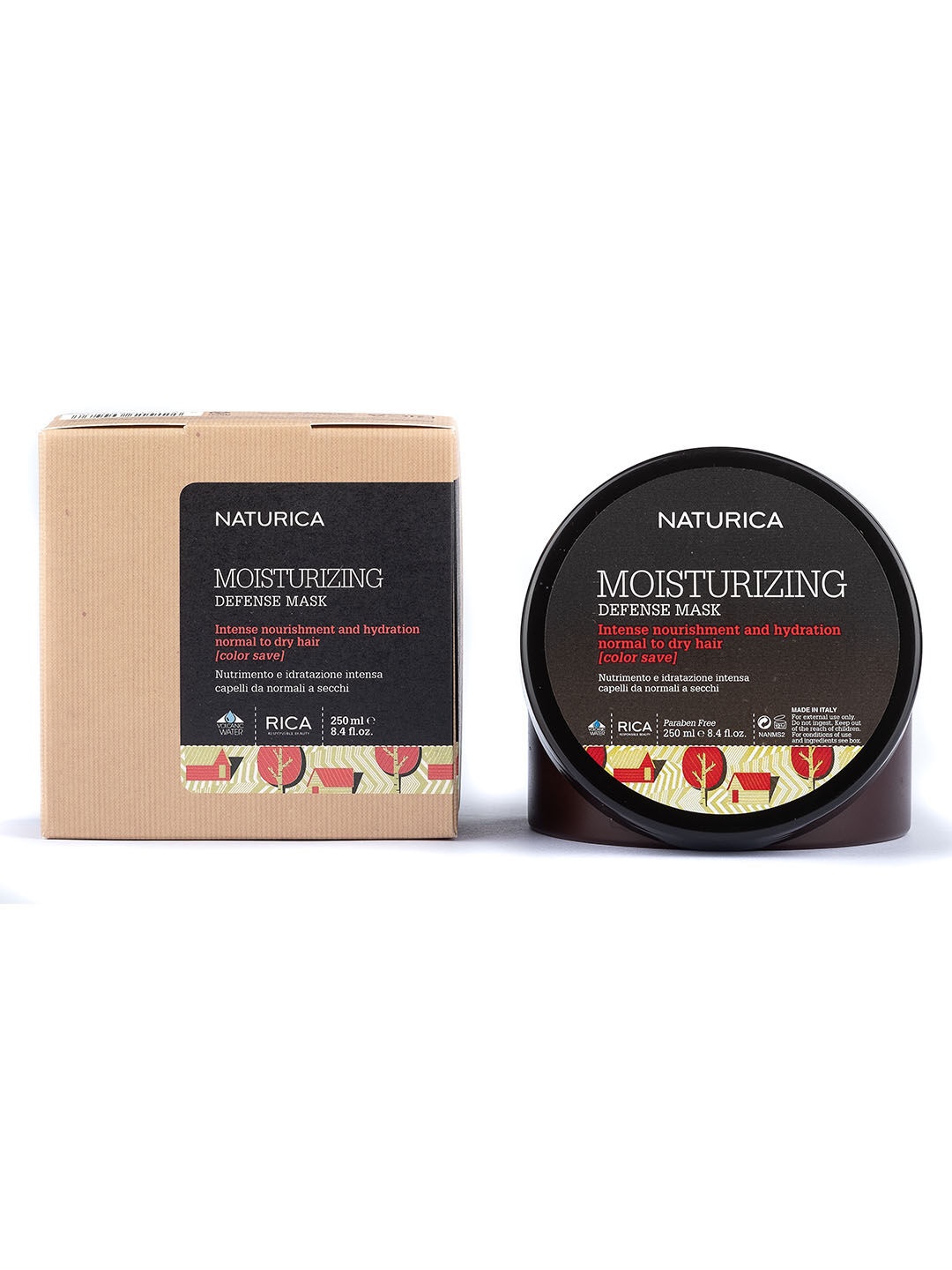
Hair masks work best when chosen with intention. Dry, frizzy hair loves rich, creamy masks with oils and butters. Fine or oily hair, on the other hand, prefers lightweight formulas that won't weigh strands down. Using a mask meant for dry hair on oily roots can turn wash day into regret.
Hair type changes with seasons, lifestyle and even stress levels. A mask that felt perfect during winter might feel too heavy in humid months. Pay attention to how hair reacts after every use. Does it feel bouncy or dull? Soft or coated?
Listening to hair signals matters more than following trends. A product that works wonders for a friend may not suit everyone. Personalising hair care keeps strands healthy and avoids unnecessary damage.
2. Don't Treat Hair Masks Like Daily Conditioner
A common mistake involves using hair masks as a replacement for conditioner. Masks contain concentrated ingredients designed to penetrate deeper. Daily use can overload hair with proteins or oils.
Conditioners work on the surface, smoothing cuticles and easing detangling. Masks go further, repairing and strengthening. Using them too often can make hair stiff, greasy or lifeless.
Think of masks as a special meal, not everyday snacks. Once a week works well for most hair types. Extremely damaged hair may need twice a week, but no more. Giving hair time to breathe between treatments keeps it responsive and healthy.
Also Read: Before And After: Top 10 Hair Masks That Can Tame Frizz In One Use
3. Do Focus on Lengths, Not the Scalp
Hair masks rarely belong on the scalp unless clearly labelled as scalp treatments. Applying thick masks directly to roots can clog follicles and invite dandruff or itchiness.
The real damage usually sits on the mid-lengths and ends. That's where heat styling, pollution and sun exposure take their toll. Concentrating the product there ensures maximum benefit without unwanted side effects.
A simple trick helps: start applying from the ears down. Any leftover product can lightly coat the top if the hair feels extremely dry. This approach keeps volume intact while still delivering nourishment.
4. Don't Assume Natural Masks Are Always Safe
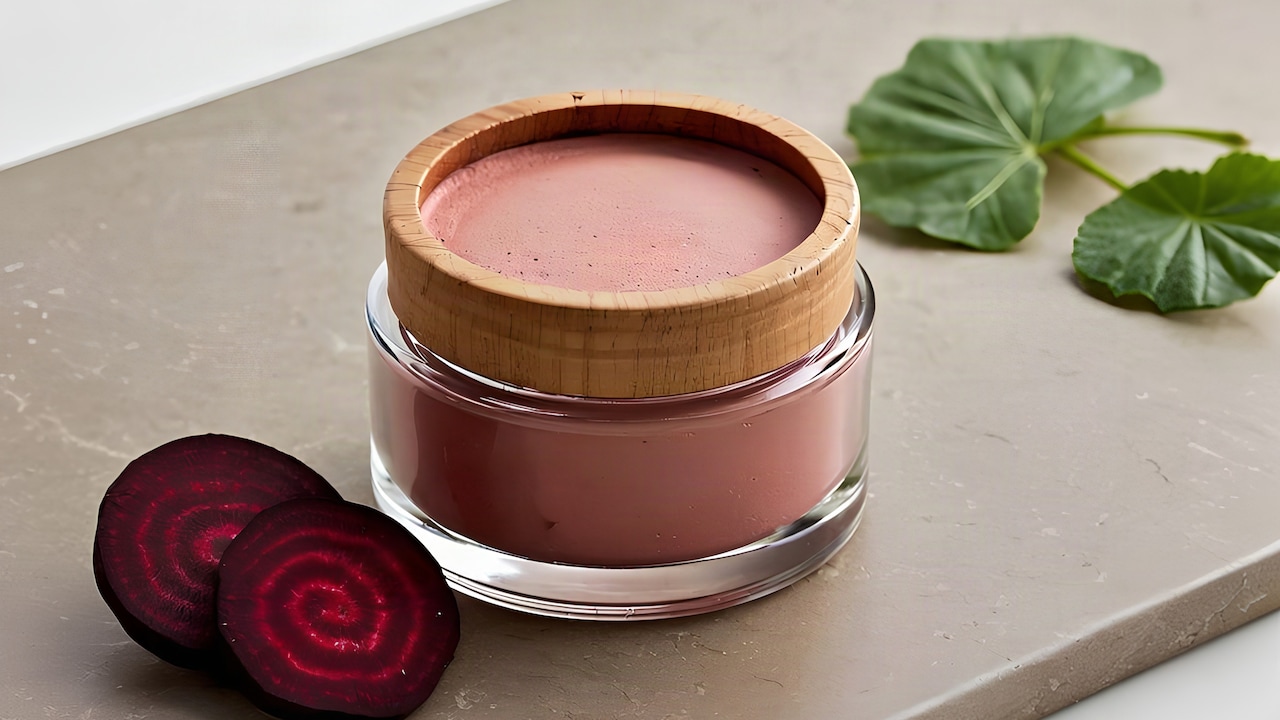
Homemade hair masks sound wholesome. Ingredients like eggs, curd, lemon and oils often sit in kitchen cupboards. While these can help, overuse or wrong combinations can backfire.
Egg masks, for example, pack protein. Too much protein can make hair brittle. Lemon can irritate sensitive scalps if used frequently. Even coconut oil, when overused, can cause buildup.
Natural does not always mean gentle. Moderation matters. Patch testing and spacing out treatments reduce the risk of irritation. Hair care should feel comforting, not like a chemistry experiment gone wrong.
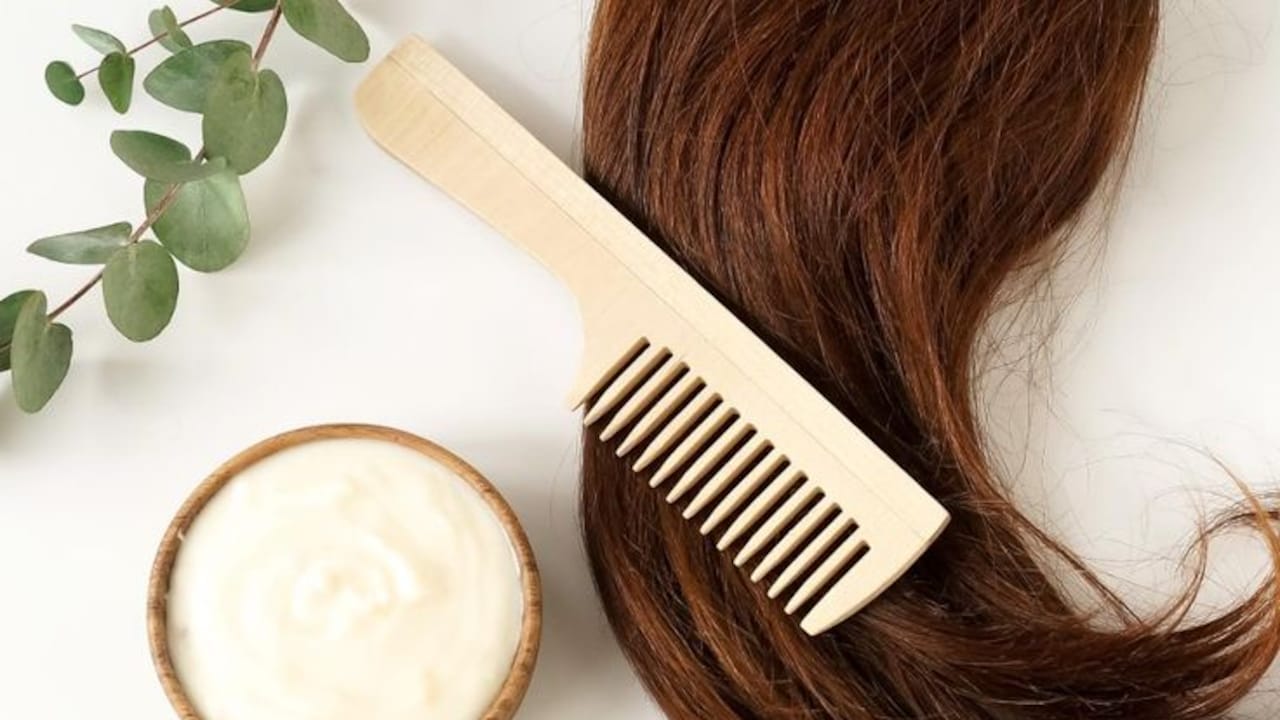
If You Are Using Hair Masks Too Often, Then Here Are The Top Dos And Don'ts To Pay Attention To.; Photo Credit: Pexels
5. Do Follow the Time Instructions Carefully
Leaving a hair mask on longer does not boost results. Many believe that overnight masking equals deeper nourishment. In reality, hair absorbs only a limited amount. Beyond that, products just sit on the surface.
Overexposure can soften hair too much, leading to breakage when combing. Some ingredients may also irritate the scalp if left for hours.
Most masks work well within 10 to 30 minutes. Setting a timer helps avoid guesswork. Rinse thoroughly and follow with a gentle conditioner if needed. Trust the formula, it knows its job.
6. Don't Mix Too Many Treatments
Layering hair treatments might sound luxurious, but hair can get confused. Using a mask, oil and serum all in one wash routine often leads to greasy, heavy results.
Each product serves a purpose. Oils prep hair, masks repair and serums seal. Using everything at once can block absorption and waste good products.
Simplifying routines often brings better outcomes. Choose one hero treatment per wash. Rotate products across the week instead of stacking them. Hair appreciates clarity as much as care.
7. Do Adjust Frequency Based on Lifestyle
Lifestyle plays a huge role in hair health. Regular swimmers, gym enthusiasts or those exposed to dust and sun may need more frequent nourishment. Others with minimal exposure may not.
Heat styling also affects frequency. Straighteners and curling irons strip moisture, making weekly masks helpful. Low-manipulation routines require less intervention.
Listening to daily habits helps fine-tune hair care. There's no fixed rule. Flexibility keeps hair responsive and prevents unnecessary stress on strands.

If You Are Using Hair Masks Too Often, Then Here Are The Top Dos And Don'ts To Pay Attention To.; Photo Credit: Pexels
8. Don't Ignore Product Build-Up Signs
Hair often shows signs before damage becomes visible. Limp strands, dullness, greasy roots soon after washing and lack of volume often point to buildup.
Overusing masks contributes to this problem. Residue coats the hair shaft, blocking moisture rather than adding it.
Clarifying shampoos help reset hair once a month. They remove excess product and restore lightness. After clarifying, masks work better, and results feel noticeable again. Balance remains the key.
9. Do Invest Smartly, Not Expensively
A good hair mask does not need to cost ₹2,000 to work. Plenty of effective options exist at reasonable prices. Paying attention to ingredients matters more than branding.
Look for masks that suit hair concerns rather than chasing trends. A ₹500 product used correctly beats an expensive one used carelessly.
Consistency matters more than cost. Regular, mindful care brings results over time. Hair responds to patience, not impulse purchases.
10. Don't Expect Instant Miracles
Hair masks support long-term health. Expecting instant transformation sets unrealistic standards. One use may add softness, but real repair takes time.
Damage builds over months. Repair follows the same timeline. Sticking to a routine and avoiding overuse delivers steady improvement.
Hair care mirrors self-care. Small, consistent steps work better than dramatic overhauls. Celebrate progress, not perfection.
Products Related To This Article
1. Pilgrim Korean Rice Water & Collagen Advanced Damage Repair Hair Mask
2. DOVE Deep Repair Treatment Hair Mask For Damaged Hair
3. Nat Habit Five-Oil Hibiscus Hair Mask for Women & Men, Hair Growth & Frizz Control
4. Minimalist Hair Mask For Dry, Damaged & Frizzy, Repair, 05% Maleic Bond Repair Complex
5. Mamaearth Kerala Thaali Cleansing Hair Mask with Hibiscus, Shikakai, Amla, Flaxseed
Hair masks remain wonderful allies when used wisely. They nourish, repair and revive tired strands. Understanding hair type, adjusting frequency and respecting limits make all the difference. Thoughtful routines protect hair's natural strength and shine. So, the next time a mask calls out from the shelf, pause and listen to what hair truly needs.
(Disclaimer: This article may include references to or features of products and services made available through affiliate marketing campaigns. NDTV Convergence Limited (“NDTV”) strives to maintain editorial independence while participating in such campaigns. NDTV does not assume responsibility for the performance or claims of any featured products or services.)