Should You Apply Colour Corrector Before Concealer? The Right Way To Cover Dark Circles
Should colour corrector be applied before concealer? Learn the right way to cover dark circles, choose correct shades, and achieve bright under-eyes effortlessly.

Learn The Right Way To Cover Dark Circles
Dark circles are one of those beauty concerns almost everyone grapples with at some point. Late nights, genetics, stress, dehydration, allergies or simply the natural structure of your under-eye area, there are countless reasons why those shadows appear. And while concealer has long been hailed as the magic fix, many people are now discovering that colour correctors can make all the difference.
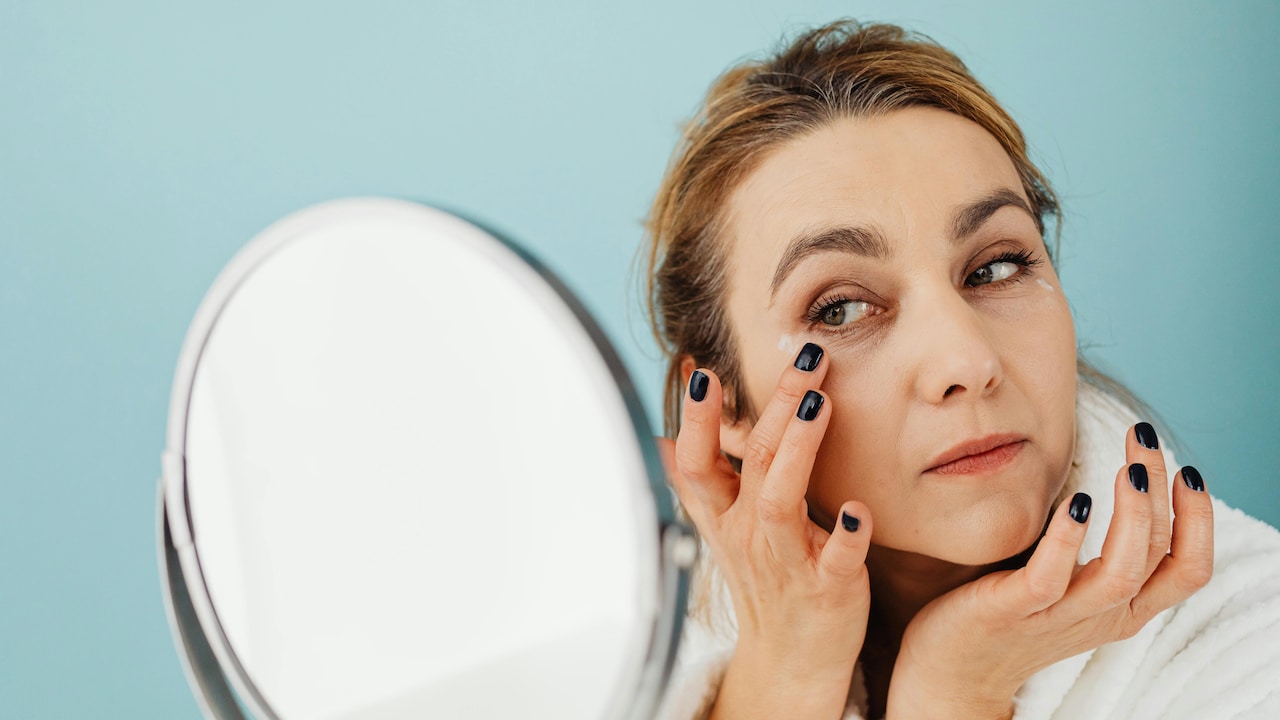
Dark circles need neutralising, not layering.
Photo Credit: Pexels
So, should you apply colour corrector before concealer? The short answer is yes, but the long answer is where things get interesting. If you've ever found your concealer turning grey, looking cakey or fading by midday, you're exactly where you need to be. Let's break it all down the right beauty routine, step by step, so you can finally achieve bright, natural-looking under-eyes.
Also Read: 5 High Quality Concealers Offering Natural Finish While Preventing Undereye Creasing
Understanding Dark Circles: Why Concealer Alone Isn't Always Enough
Before we talk technique, it helps to understand what you're trying to cover. Dark circles aren't one-size-fits-all. They show up in different colours depending on the cause:
- Brown or deep tan circles are often due to pigmentation or sun exposure
- Blue or purple tones usually point to thin skin showing underlying blood vessels
- Redness or shadowy hollows can be structural, caused by volume loss
Traditional concealers are designed to match your skin tone, not neutralise colour. This is why piling on concealer alone sometimes makes dark circles look ashy or dull rather than bright. That's where colour correction steps in.
What Is a Colour Corrector, And What Does It Do?
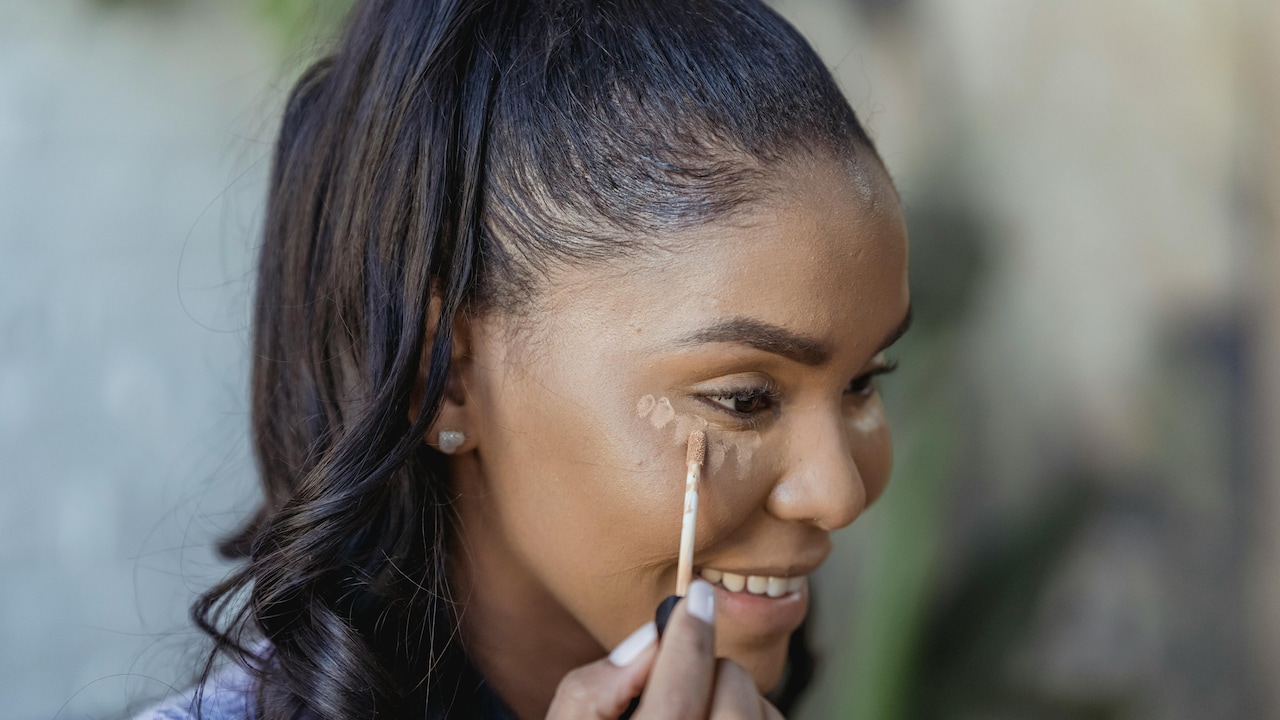
Colour corrector neutralises dark circles; concealer perfects the finish
Photo Credit: Pexels
A colour corrector uses basic colour theory to cancel out unwanted tones. Think of it as a neutralising base rather than a cover-up. By applying a shade opposite to your dark circle colour on the colour wheel, you mute the darkness before going in with concealer.
Here's a quick guide:
- Peach or salmon correctors: Best for blue or purple under-eyes (most common)
- Orange correctors: Ideal for deeper skin tones with pronounced pigmentation
- Yellow correctors: Help with mild purple or bluish discolouration
- Green correctors: Tackle redness (less common for under-eyes, more for blemishes)
When used correctly, a colour corrector allows you to use less concealer while getting better coverage.
Colour Corrector Before Concealer: The Correct Order Explained
Yes, colour corrector always comes before concealer. Here's why:
- The corrector neutralises darkness at the base
- Concealer then brings the area back to your natural skin tone
Applying concealer first defeats the purpose, as you're layering tone-matching pigment over discolouration instead of cancelling it out.
Think of it like painting a wall: you prime first to even out the surface, then apply your final colour for a smooth finish.
Step-By-Step: The Right Way To Cover Dark Circles
If you've tried colour correcting before and felt underwhelmed, chances are it came down to application. Follow this method for foolproof results.
1. Prep The Under-Eye Area
Start with clean, hydrated skin. Use a lightweight eye cream and let it absorb fully. Hydration prevents creasing and ensures smoother blending.
2. Apply Colour Corrector Sparingly
Use the tiniest amoun, this is where many people go wrong. A rice-grain-sized dot is more than enough for both eyes.
Tap the corrector only onto the darkest areas, usually the inner corner and along the hollow. Use your ring finger or a small, dense brush. Blend gently; you don't want to spread the pigment everywhere.
The goal is to neutralise, not to fully hide.
3. Let It Set
Give the corrector a few seconds to settle. If it's creamy, lightly tap to blend until it looks seamless but slightly visible.
4. Go in With Concealer
Choose a concealer that matches your skin tone (not lighter). Apply it over the corrected area using tapping motions. You'll notice you need much less product than usual.
If needed, use a lightweight brightening concealer only on the inner corner or high points to lift the area.
5. Set Lightly
A minimal amount of finely milled powder can help prevent creasing. Press it in gently, never swipe.
Common Colour Corrector Mistakes (And How To Avoid Them)
Even great products can fail if misused. Here are some common pitfalls:
- Using too much corrector: This causes heaviness and can show through concealer. Less is always more.
- Choosing the wrong shade: A very orange corrector on fair skin will look obvious. Match intensity to your skin tone.
- Applying corrector all over the under-eye: Only target the dark areas, not the entire region.
- Using a concealer that's too light: This can turn the under-eye grey. Always match your exact skin tone first; brightness comes later.
Do You Always Need a Colour Corrector?
Not necessarily. If you have mild darkness or shadows caused mainly by puffiness or dehydration, a good concealer may be enough. Colour corrector is most beneficial when:
- Dark circles are prominent or deeply pigmented
- Concealer alone looks dull or ashy
- You want thinner, more natural coverage
Once you get used to it, colour correcting becomes a quick, effortless step, not an extra hassle.
Choosing the Right Texture: Cream vs Liquid
Under-eyes are delicate, so texture matters.
- Cream correctors and concealers offer better coverage and are ideal for severe darkness
- Liquid formulas feel lightweight and work well for everyday wear
If you have fine lines, opt for thinner, hydrating formulas and avoid heavy layering.
The Finish: Natural, Bright, And Undetectable

Myntra Glow Up Days Sale is live now
Photo Credit: Myntra
When done right, colour correcting doesn't look like makeup at all. Your under-eyes should appear rested, even-toned and skin-like, not masked. The biggest sign of success? People asking if you slept well, not what concealer you're wearing.
So yes, applying colour corrector before concealer really is the right way to cover dark circles. It's not about adding more makeup, but about using smarter techniques that work with your skin rather than against it.
And if you've been thinking of upgrading your under-eye essentials, this might be the perfect moment. Colour correctors and concealers from trusted favourites like MAC, Huda Beauty, Lakme and Maybelline are currently available at massive discounts during Glow Up Days on Myntra. It's one of those rare chances to save money while bringing premium, pro-grade products into your vanity, because brighter under-eyes and smarter beauty buys can absolutely go hand in hand.
Ready to colour-correct your way to looking well-rested every day? Your concealer has been waiting for its perfect partner all along.
Top Concealer And Colour Correctors Available At Myntra Glow Up Days Sale
1. M.A.C Pro Conceal And Correct Palette - Medium Deep
2. Maybelline New York Instant Age Rewind Concealer
3. Maybelline New York Fit Me Concealer
4. Huda Beauty Faux Filter Color Corrector Mini
5. Huda Beauty Faux Filter Luminous Matte Concealer with Almond Oil
6. Hilary Rhoda 8 Shade Palette Colour Correct With High Coverage Concealer
7. GLAM21 Set Of 2 Ultra HD Self-Setting Concealer 5g And HD Mattifying Primer
8. Olivia Skin Sync Colour Corrector With Tomato Juice
9. MARS Set Of Concealer Palette And Illuminating Highlighter Palette
10. Lakme 9to5 Hya Beach Edit Color Correcting SPF 40 Full Coverage Concealer
Frequently Asked Questions (FAQs)
1. Do I really need a colour corrector for dark circles?
A colour corrector is helpful if your dark circles are deep, pigmented, or look grey even after concealer. For mild darkness, a good concealer alone may suffice.
2. Which colour corrector works best for under-eye dark circles?
Peach or salmon tones work best for blue or purple darkness, while orange correctors suit deeper skin tones with intense pigmentation.
3. Why does my concealer look ashy or grey under the eyes?
This usually happens when concealer is applied directly over dark circles without colour correction, causing the pigment to mix and look dull.
4. Can I use colour corrector every day?
Yes, as long as you use a small amount and lightweight formulas. Proper hydration and minimal layering prevent heaviness.
5. How can I prevent concealer from creasing under my eyes?
Start with a moisturised base, use less product, gently tap instead of dragging, and set lightly with a fine powder.
(Disclaimer: This article may include references to or features of products and services made available through affiliate marketing campaigns. NDTV Convergence Limited (“NDTV”) strives to maintain editorial independence while participating in such campaigns. NDTV does not assume responsibility for the performance or claims of any featured products or services.)